In 2019, smartphone competition reached a fever pitch. The Samsung Galaxy S10 Plus stood as the reigning Android king—refined, powerful, and feature-rich. But OnePlus wasn’t playing defense. With the launch of the OnePlus 7T Pro McLaren Edition, they delivered a bold challenger: faster charging, smoother performance, and an aggressive price-to-performance ratio. This wasn’t just another spec bump. It was a statement. And it forced a critical question: Did Samsung, for all its innovation, drop the ball with the S10 Plus?
The answer isn’t simple. It depends on what you value—polish over pace, ecosystem over raw speed, or prestige over pragmatism. Let’s break down the two devices across key categories to see where each excels—and where Samsung may have left room for OnePlus to surge ahead.
Design & Build: Luxury vs. Performance Aesthetic
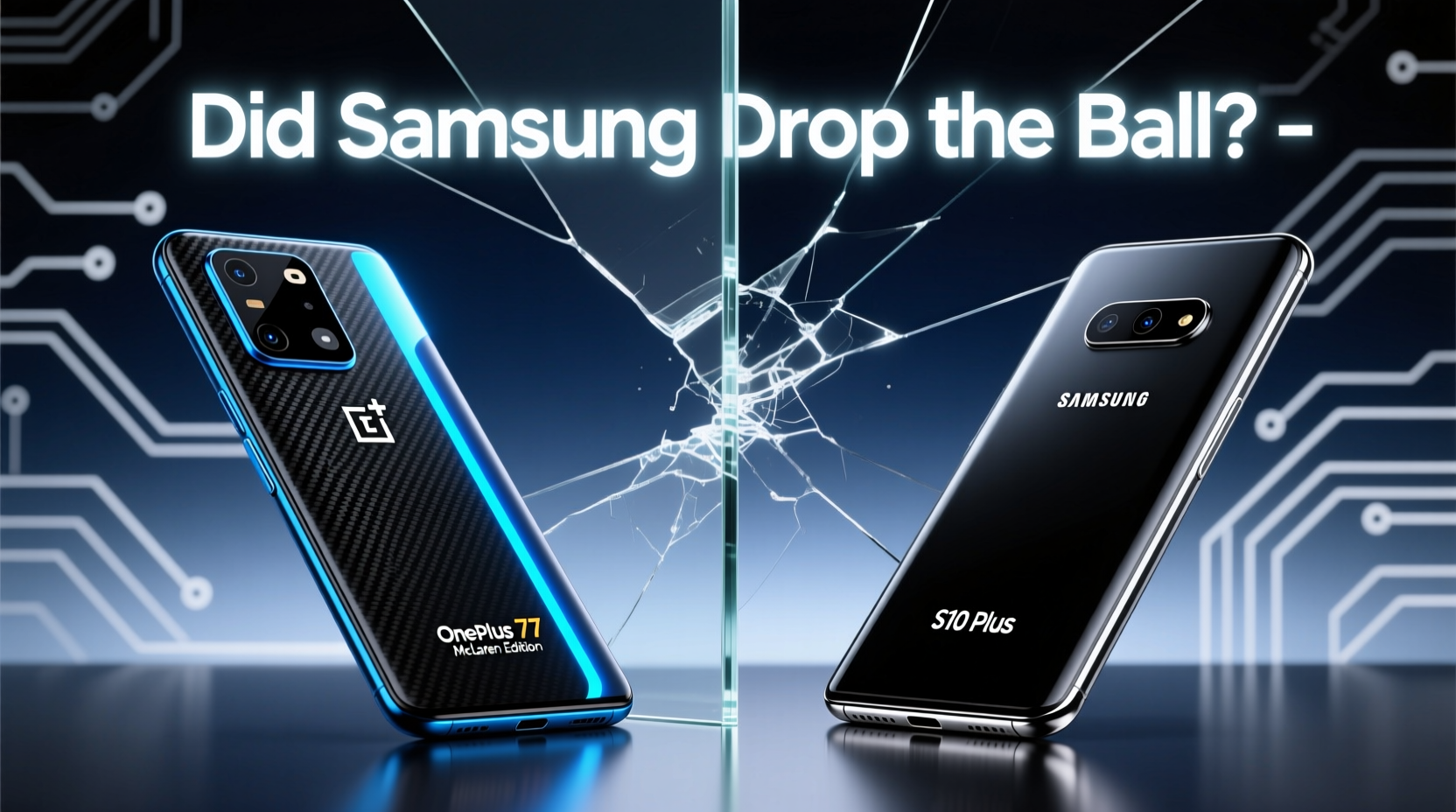
The Galaxy S10 Plus embodied Samsung’s mastery of premium design. Its curved Dynamic AMOLED display, glass back, and refined symmetry gave it a luxurious feel. IP68 water resistance, ultrasonic fingerprint sensor, and optional ceramic back models added to its elite status. It looked and felt like a flagship should—sleek, mature, and engineered to impress.
In contrast, the OnePlus 7T Pro McLaren Edition leaned into motorsport-inspired flair. Borrowing from Formula 1, it featured Papaya Orange accents, carbon fiber textures, and a unique matte finish that resisted fingerprints. While not as universally elegant as the S10 Plus, it exuded energy and exclusivity. However, it lacked official IP rating—a notable omission at this price point.
Tip: If durability matters, consider using a protective case—even on high-end phones without IP ratings.Samsung didn’t drop the ball here; they played it safe. Their design prioritized broad appeal and long-term usability. OnePlus took a riskier, bolder approach—appealing to enthusiasts but sacrificing some practicality.
Display & Performance: Fluidity Meets Precision
Both phones featured top-tier displays, but with different philosophies. The S10 Plus used a 6.4-inch Quad HD+ (3040x1440) Dynamic AMOLED panel with HDR10+ support. Colors were vibrant, blacks were deep, and brightness outdoors was excellent. The curved edges enhanced immersion but occasionally triggered accidental touches.
The 7T Pro McLaren countered with a slightly larger 6.67-inch Fluid AMOLED display at 1440x3120—but ran at 90Hz refresh rate out of the box. This made scrolling, animations, and gaming noticeably smoother. While Samsung offered higher resolution by default, OnePlus delivered a more responsive experience that many users preferred in daily use.
Under the hood, both packed the Snapdragon 855. But OnePlus tuned theirs aggressively. Benchmarks showed marginal gains, but real-world usage—especially app launches and multitasking—felt snappier thanks to OxygenOS’s lightweight optimization.
“High refresh rate displays changed user expectations overnight. Once you go 90Hz, going back feels like rewinding tech.” — David Kim, Mobile UX Analyst at TechPulse Insights
Battery & Charging: A Clear Winner Emerges
This is where the OnePlus 7T Pro McLaren didn’t just compete—it dominated. With Warp Charge 30T, it could charge from 0 to 70% in just 30 minutes. Total charge time was under 50 minutes. In contrast, the S10 Plus supported 15W fast charging and took nearly 90 minutes to fully charge. Wireless charging was faster on Samsung, but the gap in wired speeds was staggering.
Despite having a smaller battery (4,085mAh vs. S10 Plus’s 4,100mAh), OnePlus achieved comparable endurance due to software efficiency and adaptive brightness. For users who hate being tethered to outlets, this was a game-changer.
Tip: Fast charging doesn’t harm modern batteries significantly, but avoid leaving the phone plugged in overnight regularly.Camera Comparison: Consistency vs. Innovation
The S10 Plus had one of the most versatile camera systems of its time: a 12MP main sensor, 12MP telephoto, and a 16MP ultra-wide lens. Samsung’s processing favored natural colors with strong dynamic range. Low-light performance was excellent, and video stabilization ranked among the best. Features like Live Focus and Scene Optimizer added polish for casual photographers.
OnePlus matched the triple-camera setup but with less tuning. The main 48MP sensor (pixel-binned to 12MP) captured sharp images in daylight, but struggled in low light compared to Samsung. The ultra-wide lens had more distortion, and autofocus could lag behind. Video maxed out at 4K/60fps, same as Samsung, but lacked advanced stabilization modes.
Where OnePlus innovated was in portrait mode bokeh and color science preferences. Their “Hollywood” lighting effect and warmer tones appealed to social media users. But overall, Samsung’s consistency across conditions gave them the edge in pure photographic capability.
| Feature | OnePlus 7T Pro McLaren | Samsung S10 Plus |
|---|---|---|
| Display Size & Type | 6.67\" Fluid AMOLED (90Hz) | 6.4\" Dynamic AMOLED (60Hz) |
| Processor | Snapdragon 855+ | Snapdragon 855 (U.S.) / Exynos 9820 (Intl) |
| RAM / Storage | 12GB / 256GB | 8GB / 128GB (up to 1.5TB expandable) |
| Battery & Charging | 4,085mAh + 30W Warp Charge | 4,100mAh + 15W Fast Charging |
| Rear Cameras | 48MP + 8MP + 16MP | 12MP + 12MP + 16MP |
| IP Rating | No official rating | IP68 |
| Starting Price (2019) | $899 | $999 |
Software & Ecosystem: Simplicity vs. Integration
OnePlus ran OxygenOS—an almost stock Android experience with thoughtful additions. Updates arrived quickly, bloatware was nonexistent, and gestures were intuitive. The focus was on speed and control. However, it lacked deeper ecosystem integration—no seamless sync with tablets, watches, or PCs.
Samsung’s One UI, while heavier, offered unparalleled connectivity. With Smart Switch, DeX mode, Galaxy Buds integration, and seamless handoff between devices, it created a cohesive digital environment. For users invested in Samsung’s ecosystem, this was invaluable. But for purists, the pre-installed apps and occasional lag in updates were frustrating.
Mini Case Study: Alex Chooses the McLaren
Alex, a freelance photographer and tech reviewer, needed a reliable daily driver in late 2019. He owned a Galaxy Note 9 but grew tired of slow charging and bloated software. After testing both devices side-by-side, he chose the 7T Pro McLaren—not for the cameras, but for the experience.
“I shoot all day and need my phone ready,” he said. “Charging it during breakfast while editing gives me a full day’s power. The 90Hz screen makes navigating Lightroom smoother. Yes, the S10 Plus takes better photos, but I’m on a mirrorless anyway. For workflow, OnePlus won.”
His story highlights a shift: flagship buyers weren’t just comparing specs—they were evaluating real-world utility.
Did Samsung Drop the Ball?
Not entirely—but they missed momentum. Samsung delivered a polished, capable device. The S10 Plus was balanced, well-built, and packed with features. But in key areas where user habits were evolving—fast charging, smooth displays, clean software—OnePlus anticipated demand better.
Samsung’s decision to stick with 60Hz, slower charging, and delayed Android updates signaled complacency. They assumed brand loyalty and hardware diversity would carry them. Meanwhile, OnePlus targeted the enthusiast segment with surgical precision: faster everything, bolder design, and a sense of exclusivity (only 10,000 McLaren units produced).
As Anand Chandrasekher, former Qualcomm exec, noted:
“Flagship battles aren’t won by specs alone. They’re won by understanding what users *feel* is missing.”
Samsung had the tools but failed to prioritize the right innovations at the right time. That opened the door.
Frequently Asked Questions
Is the OnePlus 7T Pro McLaren still worth buying in 2024?
No, not as a primary device. It no longer receives major OS updates, and newer mid-range phones outperform it. However, as a collector’s item or secondary retro device, it holds nostalgic value.
Why did OnePlus partner with McLaren?
The collaboration was strategic branding. McLaren represents speed, precision, and engineering excellence—values OnePlus wanted associated with their brand. It also justified a premium price and limited-edition appeal.
Which phone has better long-term software support?
The S10 Plus received three major Android upgrades (up to Android 12), while the 7T Pro McLaren got two (up to Android 11). Samsung generally offers longer support, especially for its S-series flagships.
Final Verdict: Speed Beats Perfection
The OnePlus 7T Pro McLaren didn’t dethrone the Galaxy S10 Plus in every category. Samsung still led in display quality, camera versatility, and ecosystem strength. But OnePlus struck at the heart of what mattered most to power users: responsiveness, charging speed, and a frictionless experience.
Samsung didn’t fail. But they underestimated how much users valued immediacy over incremental refinement. In a market shifting toward instant gratification, even small delays—like waiting twice as long to charge—became dealbreakers.
If you're evaluating past flagships to understand industry trends, this matchup is instructive. Innovation isn't always about adding features. Sometimes, it's about removing friction.
🚀 What do you prioritize in a flagship phone: raw performance or ecosystem polish? Share your thoughts and debate the legacy of these 2019 giants in the comments.








