For fans of long-running anime series, few franchises offer the depth, adventure, and emotional resonance of *One Piece*. Created by Eiichiro Oda, the series has spanned over two decades, featuring more than 1000 episodes, 15+ films, multiple TV specials, and OVAs. Planning a *One Piece* marathon that includes both the main series and its cinematic entries can be overwhelming without a clear roadmap. This guide provides a comprehensive, optimized watch order—chronological within reason, aligned with major story arcs, and including every relevant movie at the most narratively appropriate point.
The goal is simple: preserve the integrity of character development, avoid spoilers, and enhance the overall experience by placing movies where they complement rather than interrupt the journey. Whether you're a newcomer or a returning fan preparing for the final saga, this list ensures you get the full scope of the Straw Hat Pirates’ odyssey.
Understanding the Structure of One Piece
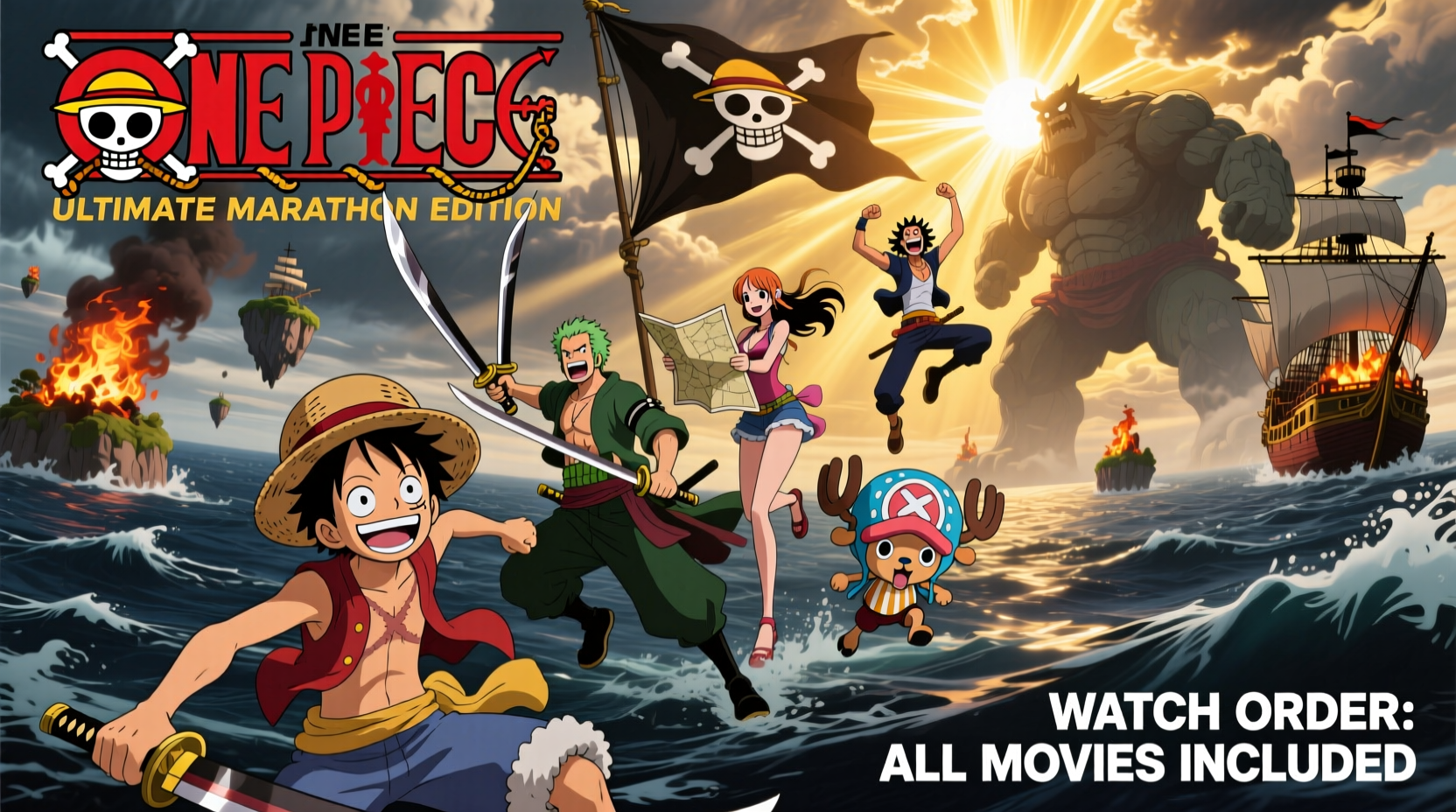
*One Piece* follows Monkey D. Luffy and his crew as they sail across the Grand Line in search of the legendary treasure, the One Piece, which grants access to become the Pirate King. The narrative unfolds in distinct sagas, each introducing new allies, enemies, and world-building elements. These arcs are grouped into larger eras:
- East Blue Saga – Luffy forms his initial crew.
- Alabasta Saga – Introduction to the wider world and government intrigue.
- Water 7 & Enies Lobby – Emotional core of the series; Robin’s redemption.
- Summit War Saga – Marineford War and the timeskip.
- Fish-Man Island to Final Saga – Post-timeskip adventures leading toward the endgame.
Movies in the franchise vary in canonicity. While early films were standalone adventures, recent entries like *Film: Z*, *Strong World*, and *Red* have been confirmed as canon by Oda himself. This guide separates non-canon films (best enjoyed during breaks) from canon ones (integrated into the timeline).
Tip: Watch non-canon movies during natural breaks after major sagas to avoid narrative fatigue without missing key plot points.Chronological vs. Release Order: What’s Best?
Two primary approaches exist: chronological (by in-universe timeline) and release order (when episodes/films aired). For *One Piece*, release order is superior because:
- The story was designed to unfold progressively, with foreshadowing and slow reveals.
- Some movies were made years after certain arcs but reference future events.
- Oda often integrates post-movie lore into the manga, making integration timing-sensitive.
That said, strict adherence to air date isn’t ideal either. Some movies disrupt pacing if placed exactly when released. Instead, this guide uses a **hybrid model**: follow the main series in release order, insert canon films at their story-appropriate moments, and place non-canon films during extended breaks.
“Anime marathons work best when emotional arcs aren’t interrupted. Insert movies where they add value, not just because they existed.” — Hiroshi Katagiri, Anime Narrative Analyst
Ultimate One Piece Watch Order (Including Movies)
This watch order spans over 1000 episodes and 15 films. It assumes you’re starting from Episode 1 and going through current material (as of 2024), including the Egghead Arc. Each entry is labeled clearly.
- Episode 1–7: Romance Dawn (East Blue Saga)
- Movie 1: One Piece: The Movie (2000) – Non-canon. Fun but forgettable. Best watched after East Blue.
- Episodes 8–30: Orange Town to Baroque Works Prelude
- Movie 2: Clockwork Island Adventure (2001) – Non-canon. Light-hearted filler-style adventure.
- Episodes 31–77: Alabasta Saga
- Movie 3: Chopper’s Kingdom on the Island of Strange Animals (2002) – Non-canon. Whimsical, good for kids.
- Episodes 78–130: Jaya & Skypiea Saga
- Movie 4: Dead End Adventure (2003) – Non-canon. High-stakes race. Fits well here.
- Episodes 131–195: Water 7, Enies Lobby, Post-War Reflection
- Movie 5: The Cursed Holy Sword (2004) – Non-canon. Samurai theme. Place after Enies Lobby.
- Episodes 196–228: Thriller Bark Saga
- Movie 6: Giant Mecha Soldier of Karakuri Castle (2006) – Non-canon. Steampunk castle adventure.
- Movie 7: One Piece Film: Strong World (2009) – Canon. Takes place shortly after Sabaody. Features Shiki, referenced later.
- Episodes 229–381: Sabaody Archipelago, Amazon Lily, Marineford, Timeskip Begins
- Movie 8: One Piece Film: Z (2012) – Canon. Set post-timeskip. Introduces former Marine Admiral Z. Deep themes of legacy.
- Episodes 382–516: Return to Sabaody, Fish-Man Island, Punk Hazard Start
- Movie 9: One Piece Film: Gold (2016) – Non-canon. Casino island spectacle. Great animation.
- Episodes 517–746: Dressrosa, Whole Cake Island, Wano Setup
- Movie 10: One Piece: Stampede (2019) – Semi-canon. Festival battle royale. Cameos galore. Best after Whole Cake.
- Episodes 747–977: Wano Country Saga
- Movie 11: One Piece Film: Red (2022) – Canon. Centers on Uta, Luffy’s childhood friend. Critical for future lore.
- Episodes 978–present: Egghead Arc and Beyond
Specials and OVAs
Several TV specials and OVAs exist. Most are non-canon and skippable, but some enrich side characters:
- “Happiness Is…” (OVA) – Post-Marineford, focuses on Luffy’s recovery.
- “Heart of Gold” (TV Special) – Treasure hunt theme. Can be skipped.
- “The Stories of the Self-Proclaimed Straw Hat Crew” – Post-Wano. Reveals how minor allies joined. Worth watching.
Canon vs. Non-Canon Movies: What Matters?
Not all movies contribute to the overarching plot. Here's a breakdown of which do—and why it matters.
| Movie | Canon Status | Why It Matters |
|---|---|---|
| Film: Strong World | Yes | Introduces Shiki, a Yonko-level threat. Referenced in later arcs. |
| Film: Z | Yes | Themes of justice vs. piracy. Z’s ideology echoes in Blackbeard’s rise. |
| Film: Red | Yes | Uta’s origin and connection to Mary Geoise revealed. Vital for future. |
| Stampede | Semi | No direct plot impact, but confirms strength levels and rivalries. |
| Gold | No | Entertaining, but no lasting consequences. |
| Early Films (1–6) | No | Cute detours. Ignore if prioritizing story. |
Watching canon films enhances understanding of off-screen world dynamics. For example, *Film: Z* explores why some Marines abandon the system—a theme revisited with the Blackbeard Pirates and the upcoming “Final Sea” revelations.
Marathon Planning: A Step-by-Step Timeline
Completing the entire *One Piece* series is a commitment. At ~24 minutes per episode and average movie length of 100 minutes, total runtime exceeds **450 hours** (~19 days nonstop). Realistically, spread it over weeks or months.
Step-by-Step Viewing Schedule
- Phase 1: Origins (Weeks 1–4)
Episodes 1–77 + Movies 1–3. Focus: Crew formation and first major conflict (Alabasta). - Break 1: Light Detour
Watch non-canon films 4–6. Low stakes, fun tone. - Phase 2: Ascension (Weeks 5–10)
Episodes 78–195 + Thriller Bark. Themes deepen; betrayal and loyalty tested. - Insert Canon: Strong World
Watch Movie 7 here. Foreshadows post-timeskip threats. - Phase 3: War & Rebirth (Weeks 11–16)
Episodes 196–381. Marineford arc is emotionally intense—pace yourself. - Break 2: Recovery
Watch non-canon Movie 9 (*Gold*) for visual spectacle and humor. - Phase 4: New Era (Weeks 17–22)
Episodes 382–746. Dressrosa and Whole Cake are masterclasses in storytelling. - Insert Canon: Film: Z
After Whole Cake, before Wano. Reinforces Luffy’s evolving ideals. - Phase 5: Legacy (Weeks 23–28)
Wano Saga + Film: Red. Major lore drops about Joy Boy and the Void Century. - Phase 6: The Endgame (Ongoing)
Egghead Arc forward. Stay updated weekly.
Real Example: Sarah’s One Piece Journey
Sarah, a college student, decided to binge *One Piece* during her semester break. She started with random episodes and jumped into *Film: Gold* because of its trailers. Confused by references to Wano and Law, she quit after 50 episodes.
Months later, she returned with this structured order. She began at Episode 1, paused after Alabasta, watched *Strong World*, then continued. By Marineford, she was invested. She scheduled weekend viewing blocks, discussed theories online, and completed 800 episodes in five months. “Putting *Film: Z* after Fish-Man Island made Z’s anger make sense,” she said. “It wasn’t just action—it felt personal.”
Sarah’s success came from respecting the narrative flow. She didn’t rush. She let the story breathe.
Frequently Asked Questions
Do I have to watch all the movies?
No. Only *Strong World*, *Film: Z*, and *Film: Red* are essential. Others are optional entertainment. *Stampede* is worth it for fanservice but skippable.
Can I skip the timeskip?
You can, but you’ll miss critical developments: training gains, crew maturity, and world shifts. The timeskip recontextualizes power levels and relationships.
Is the Egghead Arc connected to the movies?
Indirectly. *Film: Red* introduces Uta and hints at music-based Devil Fruits, which may tie into Vegapunk’s experiments. No direct crossover yet, but thematic links exist.
Checklist: Your One Piece Marathon Preparation
- ✅ Choose a reliable streaming service (Crunchyroll, Netflix, Hulu)
- ✅ Mark major break points (after Alabasta, Enies Lobby, Marineford, Wano)
- ✅ Schedule viewing sessions (3–5 hours/week minimum)
- ✅ Watch canon films at recommended points
- ✅ Keep notes on character abilities and world lore
- ✅ Join a fan community for discussion and motivation
- ✅ Avoid spoilers—disable social media alerts for One Piece
Conclusion: Begin the Voyage
The world of *One Piece* is vast, richly detailed, and emotionally resonant. Watching it in a thoughtful order—with movies integrated purposefully—transforms a passive viewing session into an epic journey. You’ll witness Luffy grow from a rubber-powered goofball into a leader capable of challenging emperors and gods. You’ll understand why friendship, freedom, and dreams aren’t just themes—they’re the foundation of the series.
Whether you watch one episode a day or dedicate weekends to catching up, the voyage is yours to shape. Use this guide not as a rigid rulebook, but as a compass. Let the Grand Line lead you where it will. And when you finally reach the end—whenever that may be—you’ll look back not just at a show you watched, but an era you lived.
💬 Ready to set sail? Share your progress, favorite moments, or questions in the comments. Who knows? You might inspire another fan to begin their own journey.








