Swimming is both a recreational activity and a serious athletic pursuit. Whether you're training for triathlons, swimming laps at the local pool, or simply enjoying open water, your choice of swimwear can significantly impact performance, comfort, and endurance. Two of the most common options—traditional one piece swimsuits and sports swimsuits—are often compared, but they serve different purposes. Understanding their design, materials, and functional benefits is essential for making an informed decision when actual swimming is the goal.
Design and Structure: What Sets Them Apart?
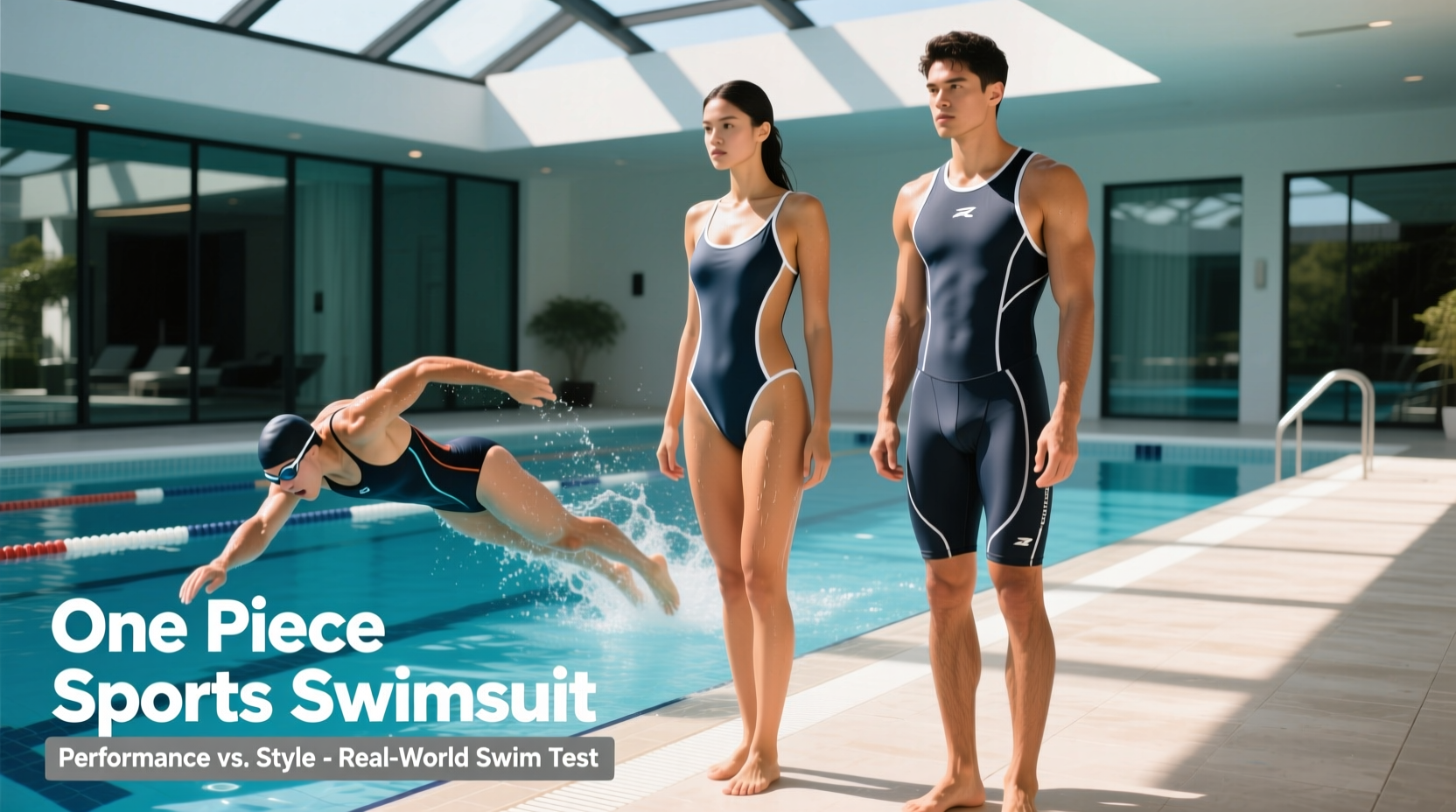
The primary difference between a one piece swimsuit and a sports swimsuit lies in their construction and intended use. A traditional one piece swimsuit typically emphasizes style, modesty, and general wear. It features a sleek, form-fitting silhouette with thin straps, a plunging back, or decorative elements like cutouts and ruffles. While fashionable, these suits are not engineered for high-intensity aquatic activity.
In contrast, a sports swimsuit is built for performance. These suits often resemble competition swimwear, with reinforced seams, compression fabric, and strategic paneling designed to reduce drag and support muscle movement. They may include racerback designs, thicker shoulder straps, and higher necklines to ensure stability during vigorous strokes. The fabric blend usually contains a higher percentage of spandex or elastane for stretch and recovery, as well as chlorine-resistant fibers like PBT (polybutylene terephthalate) or Lycra Xtra Life™.
Tip: Look for flatlock or bonded seams in sports swimsuits—they minimize chafing during repetitive motion.Performance Comparison: Speed, Durability, and Hydrodynamics
When it comes to actual swimming—defined as consistent lap swimming, training sessions, or competitive events—performance metrics matter. Here’s how the two suit types stack up across key categories:
| Feature | One Piece Swimsuit | Sports Swimsuit |
|---|---|---|
| Drag Reduction | Moderate – looser fit increases resistance | High – tight, streamlined fit reduces water resistance |
| Muscle Support | Minimal – light compression only | Significant – targeted compression improves circulation and endurance |
| Durability in Chlorine | Low to moderate – degrades faster | High – engineered for prolonged exposure |
| Range of Motion | Good – flexible but less structured | Excellent – optimized for freestyle, breaststroke, and flip turns |
| Lifespan (with regular use) | 3–6 months | 6–12+ months |
Hydrodynamics play a critical role in efficiency. Competitive swimmers shave body hair and wear full-body tech suits because even minor resistance adds up over hundreds of meters. While most recreational swimmers don’t need that level of optimization, choosing a suit that minimizes drag still translates to smoother gliding and reduced fatigue.
“Swimwear isn’t just about appearance—it’s part of your equipment. Just like running shoes affect stride, swimwear affects stroke efficiency and energy conservation.” — Dr. Lena Torres, Sports Biomechanist at Aquatic Performance Lab
Real-World Use Case: Training Three Times a Week
Consider Sarah, a 32-year-old teacher who began swimming three times a week to improve her cardiovascular health. She started with a stylish one piece from a department store, drawn to its flattering cut and vibrant print. After two weeks, she noticed the straps slipping during freestyle, the fabric sagging after repeated chlorine exposure, and discomfort around her shoulders due to thin elastic.
After switching to a sports swimsuit designed for fitness swimming, Sarah experienced immediate improvements. The thicker straps stayed in place, the suit retained its shape after multiple washes, and she felt more supported through each lap. Her swim times improved slightly—not due to ability alone, but because her gear no longer worked against her.
This example illustrates a broader truth: aesthetic appeal has limited value in performance contexts. When swimming is the objective, function must lead form.
Choosing the Right Suit: A Step-by-Step Guide
Selecting the best swimsuit for actual swimming doesn’t have to be overwhelming. Follow this sequence to make a confident, informed choice:
- Define Your Purpose: Are you swimming casually, training regularly, or preparing for competition? If you’re doing more than occasional dips, lean toward a sports model.
- Check Fabric Composition: Prioritize suits with at least 75% polyester or PBT and 20–25% spandex. Avoid cotton blends or purely nylon fabrics unless labeled chlorine-resistant.
- Assess Fit and Support: The suit should feel snug without restricting breathing. Move your arms overhead and simulate a stroke. If the neckline gapes or the back rides up, it’s not suitable for dynamic use.
- Evaluate Strap Design: Racerback or wide-set straps offer better shoulder stability than thin spaghetti straps, especially during freestyle and butterfly drills.
- Test for Comfort Over Time: Wear the suit during a short swim session before committing. Pay attention to chafing points, slippage, and water absorption.
Common Misconceptions About Swimwear
Several myths persist about what makes a good swimsuit for swimming:
- Myth: All one pieces are made for swimming.
Truth: Many are designed for sunbathing or wading, not sustained aquatic activity. - Myth: Price equals performance.
Truth: Some expensive fashion brands lack technical features needed for training. - Myth: Compression is only for elite athletes.
Truth: Light to moderate compression benefits circulation and reduces muscle vibration, helping all swimmers feel fresher longer.
Frequently Asked Questions
Can I use a regular one piece for daily swim workouts?
While possible, it's not ideal. Standard one pieces degrade faster in chlorinated water, offer little muscle support, and may shift during strokes. You’ll likely need to replace them more frequently and could experience discomfort over time.
Do sports swimsuits provide more coverage?
Not necessarily. Coverage varies by brand and model. However, sports swimsuits prioritize secure fit over minimalism, so even brief styles are engineered to stay in place during movement.
Are sports swimsuits only for women?
No. While this article focuses on women’s styles, men’s swim trunks and jammers also fall into \"sports\" versus \"recreational\" categories. The same principles of fit, fabric, and function apply.
Final Recommendation: Match Gear to Goals
If your goal is leisurely poolside lounging or beach walks, a classic one piece swimsuit offers versatility and style. But if you're engaging in actual swimming—measured by laps, intervals, or endurance building—a sports swimsuit is objectively superior. It enhances performance, lasts longer under stress, and supports your body where it matters.
The best swimwear functions like an extension of your body: invisible during motion, reliable under pressure, and designed to help you move efficiently through water. Investing in a quality sports swimsuit isn’t about looking like an athlete—it’s about equipping yourself to swim like one.
💬 Ready to upgrade your swim routine? Assess your current suit using the checklist above, and consider trying a performance-focused option on your next swim. Share your experience or ask questions in the comments—we’d love to hear how your gear impacts your glide.








