When stepping into a pool, lake, or ocean, few decisions seem as personal—and as scrutinized—as swimwear. The debate between one piece and bikini swimsuits has raged for decades, fueled by fashion trends, athletic demands, and cultural perceptions. But beneath the surface, does the choice actually impact your swimming experience, safety, or performance? Or is the preference purely aesthetic, shaped more by social media than substance?
The truth lies somewhere in between. While both styles have their place, understanding the functional differences, physical benefits, and situational advantages can help swimmers make informed choices—beyond what’s trending on Instagram.
Performance: How Swimwear Affects Speed and Efficiency
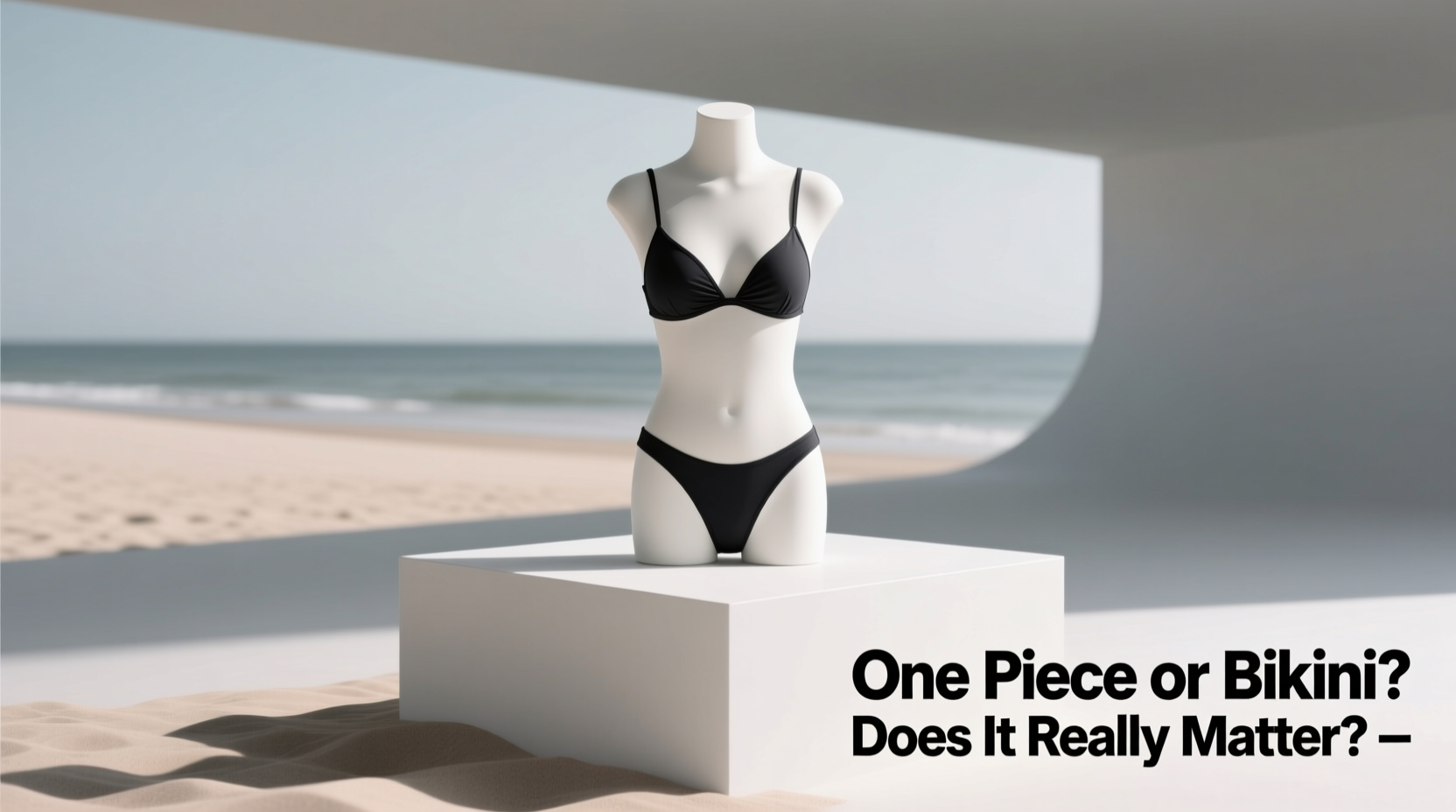
From an athletic standpoint, competitive swimmers almost universally wear one-piece suits. This isn’t coincidence—it’s physics. One pieces are engineered to reduce drag, compress muscles, and maintain hydrodynamic form. Competitive racing suits, often made from advanced textiles like polyurethane or high-compression nylon, are designed to hug the body tightly, minimizing water resistance.
In contrast, bikinis introduce seams, gaps, and multiple fabric sections that increase turbulence in the water. Even high-performance bikini tops with racerback designs can shift during strokes, requiring micro-adjustments that slow down lap times. For serious swimmers training for triathlons, swim meets, or endurance events, this difference matters.
Tip: If you're swimming laps regularly, opt for a performance-oriented one piece—even if it's not competition-grade—to improve efficiency.Recreational swimmers may not notice these subtle effects, but over time, consistent use of streamlined gear contributes to better technique and stamina. As former Olympic swimmer Dara Torres once noted:
“Your suit should feel like a second skin—supportive, seamless, and unnoticed. That’s when you know it’s working.” — Dara Torres, 12-time Olympic Medalist
Comfort and Fit: Practical Considerations for Real-World Use
While performance is critical for athletes, everyday swimmers prioritize comfort, support, and confidence. Here, bikinis offer undeniable appeal: modularity, adjustability, and mix-and-match styling. Women can pair different top and bottom sizes, accommodate body changes, or swap out worn pieces without replacing the entire suit.
However, this flexibility comes at a cost. Tops can slip, bottoms can ride up, and sudden movements—like diving or flipping in a pool—can lead to wardrobe malfunctions. One pieces eliminate most of these concerns with continuous coverage and integrated support systems, including underwire, shelf bras, or molded cups.
For individuals with larger busts, one pieces often provide superior support, reducing strain on shoulders and improving posture in the water. Conversely, those seeking sun exposure or ease of bathroom breaks may find bikinis more convenient.
Swimwear Comparison: One Piece vs Bikini
| Feature | One Piece | Bikini |
|---|---|---|
| Hydrodynamics | High – smooth surface reduces drag | Moderate – seams and separation increase resistance |
| Support Level | High – full torso and bust support | Variable – depends on top design |
| Sun Exposure | Low – maximum coverage | High – customizable tan lines |
| Convenience | Lower – harder to remove for bathroom | Higher – easy to take off partially |
| Durability | Generally higher – fewer stress points | Lower – straps and ties wear faster |
Style and Social Perception: The Hype Factor
Let’s address the elephant in the room: much of the bikini’s popularity stems from cultural imagery. From beach movies to fashion campaigns, the two-piece has been glamorized as the symbol of summer freedom and body confidence. Social media amplifies this, where curated photos often favor bikinis for their perceived “sexiness” or trendiness.
But this narrative overlooks diversity in body types, personal values, and activity levels. A woman wearing a sleek black one piece while swimming laps isn’t making a fashion compromise—she’s optimizing function. Meanwhile, someone in a bikini lounging poolside isn’t being frivolous; she may value versatility or enjoy sunbathing.
The “hype” emerges when style overshadows purpose. Choosing a flimsy bikini solely because it’s viral on TikTok might look good in photos—but it won’t perform well during active swimming. Likewise, dismissing one pieces as “uncool” ignores their technical superiority and timeless elegance.
Mini Case Study: Sarah’s Summer Shift
Sarah, a 34-year-old fitness instructor, used to wear bikinis exclusively, believing they were more “flattering” and stylish. After joining a masters swim club, she struggled with her top shifting during freestyle drills and felt self-conscious adjusting mid-lap. She switched to a sporty one piece with built-in support and noticed immediate improvements—not just in confidence, but in stroke consistency and breathing rhythm. “I realized I was prioritizing looks over performance,” she said. “Now I wear what works. And honestly, I feel stronger.”
How to Choose Based on Your Needs: A Step-by-Step Guide
Instead of defaulting to trends, consider your actual use case. Follow this decision framework:
- Assess your primary activity: Are you swimming laps, playing water volleyball, snorkeling, or sunbathing? Active swimming favors one pieces; leisure activities allow more flexibility.
- Evaluate your fit needs: Do you need extra bust support, tummy control, or adjustable straps? One pieces often integrate these features better.
- Consider chlorine exposure: Frequent pool use degrades elastic. One pieces typically use denser fabrics and last longer under chemical stress.
- Think about modesty and comfort: Some prefer more coverage due to personal, religious, or medical reasons. Neither choice is inferior.
- Try before you commit: Move around in the suit—jump, stretch, simulate a stroke. If anything shifts or pinches, reconsider.
Checklist: Picking the Right Swimwear
- ☐ Define your main swimming activity (exercise, recreation, relaxation)
- ☐ Check for secure straps and proper bust support
- ☐ Ensure fabric is chlorine-resistant (look for PBT, polyester, or Lycra blends)
- ☐ Test mobility and comfort in motion
- ☐ Decide on coverage level based on personal preference and environment
Frequently Asked Questions
Can I swim laps effectively in a bikini?
You can, especially if the bikini is designed for sport—such as tankinis with supportive tops or athletic cuts. However, even the best bikini introduces more drag and potential slippage than a one piece. For regular lap swimming, a one piece is more efficient and reliable.
Are one pieces outdated or unfashionable?
No. Modern one pieces come in countless styles—cut-out designs, bold prints, plunging necklines, and sporty silhouettes—that rival bikinis in fashion appeal. Brands like Speedo, TYR, and Summersalt blend performance with aesthetics, proving functionality doesn’t sacrifice style.
Do professional swimmers ever wear bikinis?
Almost never in competition. Elite female swimmers wear full one-piece racing suits, often knee-to-neck or high-compression full-body suits. In training, some may wear two-piece rash guards and shorts for comfort, but not traditional bikini sets.
Conclusion: Function Over Fashion, Confidence Over Conformity
The debate between one piece and bikini for swimming ultimately boils down to intent. If your goal is performance, durability, and streamlined movement, the one piece holds a clear advantage. If you prioritize sun exposure, convenience, or personal expression during casual dips, a bikini may serve you better.
There’s no universal “best” option—only what’s best for you in a given context. The real issue isn’t the garment itself, but the pressure to conform to narrow beauty standards or fleeting trends. Whether you choose full coverage or a skimpy two-piece, the most important factor is how you feel: confident, capable, and comfortable in your own skin.
💬 What’s your go-to swimwear and why? Share your experience—help others see beyond the hype and find what truly works.








