When it comes to football culture in Germany, few aspects reflect club identity as vividly as merchandise. From kits to scarves, hats to hoodies, fan gear is more than just apparel—it's a statement of loyalty, style, and local pride. Two clubs often overlooked in international headlines—1. FC Nürnberg (Nuremberg) and Hertha BSC (Berlin)—have cultivated passionate followings and distinct visual identities. But when it comes to the question of which team boasts the cooler merch, the answer isn't just about aesthetics. It’s about heritage, innovation, streetwear influence, and how fans actually wear the gear beyond matchday.
Heritage and Identity: The Foundation of Merch Design
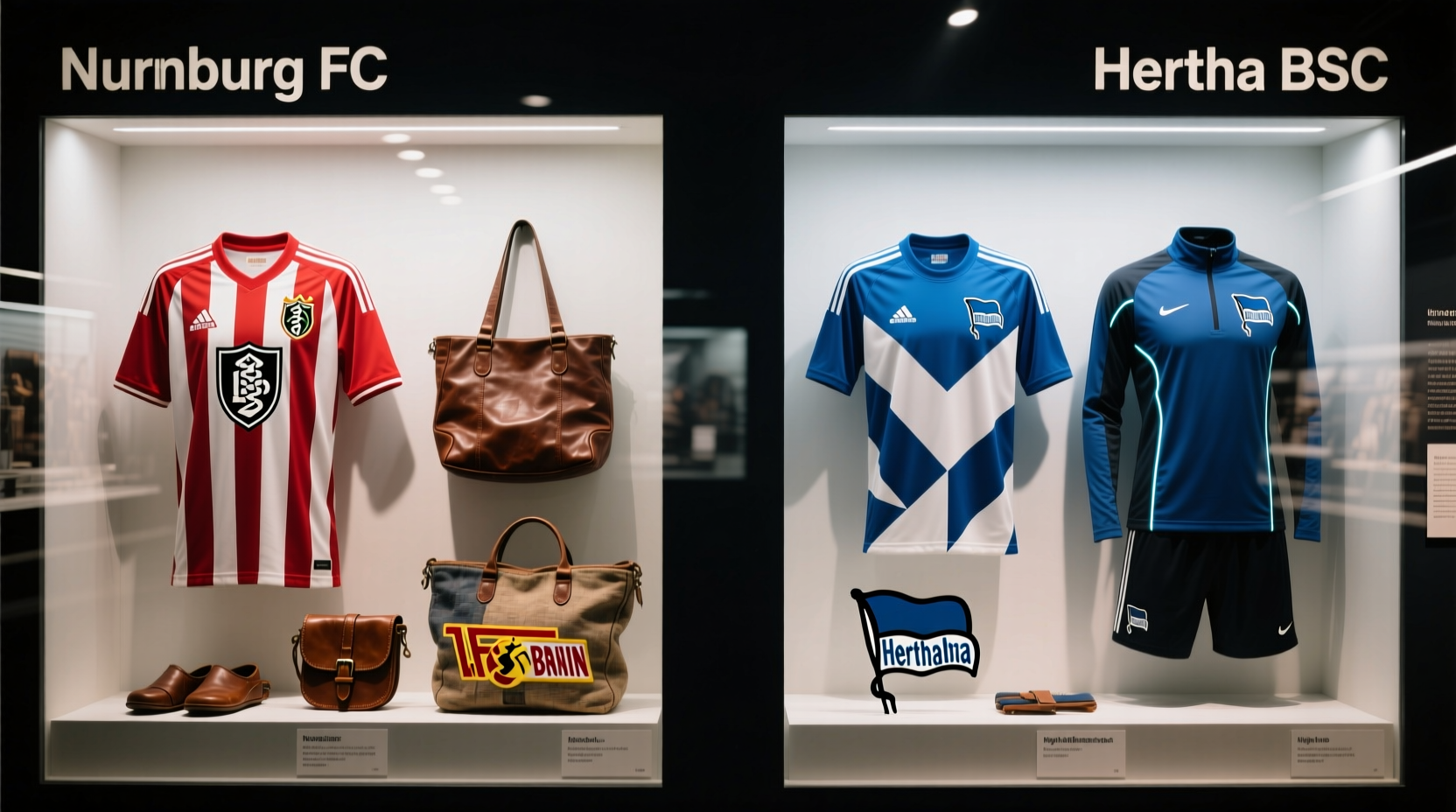
Mercantile appeal in football starts with storytelling. Nuremberg, founded in 1900, carries a legacy steeped in tradition. Their iconic red-and-white stripes are among the most recognizable in German football history. The club leans heavily on its past, often incorporating vintage typography and retro collar designs into modern kits. This nostalgic approach resonates with older supporters and collectors who value authenticity over trendiness.
In contrast, Hertha BSC, based in Germany’s capital, operates in a more cosmopolitan environment. Berlin is a city defined by reinvention, art, and underground culture. Hertha’s branding reflects this. While their royal blue, white, and maroon color scheme remains consistent, recent seasons have seen collaborations with urban fashion labels and limited-edition drops that blur the line between sportswear and streetwear. Their crest—a stylized “H” intertwined with a “B”—has been reimagined in minimalist formats, appealing to younger, design-conscious fans.
“Clubs like Hertha understand that merchandising today isn’t just about selling jerseys—it’s about building a lifestyle brand.” — Lena Meier, Sports Marketing Analyst at BrandPitch
Design Philosophy: Tradition vs Urban Edge
Nuremberg’s merch strategy prioritizes continuity. Their home kit rarely strays from vertical red-and-white stripes, sometimes accented with black or grey trim. Third kits occasionally experiment—such as a charcoal base with geometric patterns inspired by Franconian architecture—but these remain exceptions. Accessories like scarves and beanies stick to bold block colors and classic club crests, favoring visibility in crowded stands over fashion-forward appeal.
Hertha, meanwhile, embraces seasonal reinvention. In recent years, they’ve released kits with asymmetrical patterns, gradient fades, and even glow-in-the-dark elements for night matches. Their away jersey in 2022 featured a subtle graffiti-inspired print developed in collaboration with a Berlin street artist. Limited-run items like reversible bucket hats and oversized parkas have appeared in pop-up shops across the city, often selling out within hours.
Tip: Look beyond the main jersey—cooler merch often lives in accessories and limited collections.Merchandise Comparison: A Side-by-Side Breakdown
| Feature | Nuremberg | Hertha Berlin |
|---|---|---|
| Home Kit Design | Classic red-and-white vertical stripes | Royal blue with modern detailing |
| Innovation Level | Low to moderate | High (collabs, tech fabrics) |
| Streetwear Crossover | Limited | Frequent (caps, hoodies, jackets) |
| Limited Edition Drops | Rare | Seasonal releases |
| Fan Wearability (Daily Use) | Mostly matchday-only | Common in casual urban settings |
| Price Range (Jersey) | €70–€90 | €80–€110 |
A Real Fan’s Perspective: When Gear Becomes Culture
Consider Markus, a 28-year-old graphic designer living in Kreuzberg, Berlin. He owns both a Hertha third kit and a Nuremberg scarf inherited from his grandfather. While he wears the scarf during winter, he admits it feels “like something you only bring out for games.” In contrast, he bought a Hertha x Studio B13 collaboration hoodie—a joint release with a local design studio—and wears it weekly, even when not attending matches. “It doesn’t scream ‘football’,” he says. “But people recognize the H. It feels like part of the city’s aesthetic.”
This anecdote illustrates a broader shift: modern fans don’t just want team-branded clothing—they want pieces that align with their personal style. Hertha’s ability to tap into Berlin’s creative scene gives them an edge in creating merch that transcends the stadium.
How to Choose & Style Football Merch Like a Pro
Whether you support one of these clubs or simply appreciate well-designed gear, here’s how to get the most out of football merchandise:
- Prioritize versatility. Can you wear the item outside the stadium? A neutral-toned jacket with subtle branding is more useful than a full-color replica jersey.
- Check material quality. Look for moisture-wicking fabrics, reinforced stitching, and eco-friendly production methods—especially important for frequently worn items.
- Seek limited editions. Small-batch releases often feature better design and higher resale value.
- Mix high and low. Pair a statement piece (like a bold scarf) with minimalist everyday wear to avoid looking costumed.
- Support local collabs. Items made with regional artists or designers carry cultural weight and uniqueness.
Fan Engagement and Commercial Strategy
Hertha’s marketing team actively cultivates a community-driven image. They host design contests where fans submit concepts for future scarves, and winners see their work sold in official stores. They also use social media to tease upcoming drops with cryptic visuals and countdowns, mimicking hype-beast tactics used by brands like Supreme or Palace.
Nuremberg takes a more conservative approach. Their online store is functional but lacks narrative depth. Product descriptions focus on technical specs rather than emotional connection. While reliable, it doesn’t inspire urgency or exclusivity. Their strongest merch moments come during anniversary seasons—like the 2020 centenary collection, which included a leather-trimmed jacket and brass crest pins—but these are infrequent.
FAQ: Your Merch Questions Answered
Is Hertha’s merch more expensive than Nuremberg’s?
Generally, yes. Hertha’s premium collaborations and imported materials push prices higher, especially for outerwear and limited runs. However, standard jerseys are within €10–15 of Nuremberg’s pricing.
Can I wear football merch casually without looking like a tourist?
Absolutely. Opt for subtler items—monochrome caps, crewneck sweatshirts with small logos, or scarves in neutral palettes. Avoid head-to-toe kits unless you’re at a match.
Which club has better sustainability practices in merch production?
Both clubs now offer eco-lines made from recycled polyester, but Hertha leads in transparency, publishing annual reports on supply chain ethics and carbon footprint per product line.
Final Verdict: Coolness Is Contextual
So, which club has the cooler merch? Objectively, Hertha Berlin edges ahead—not because their designs are inherently superior, but because they understand modern consumer behavior. Their gear functions both inside and outside the stadium. It appeals to fashion-aware youth, leverages local culture, and creates scarcity through smart releases.
Nuremberg’s merch, while deeply rooted in tradition, often feels confined to matchday rituals. It serves loyalists well but struggles to attract new audiences or cross into lifestyle territory. That said, there’s undeniable charm in their consistency. For purists, “cool” means authenticity, not Instagram buzz.
In the end, coolness depends on what you value. If you prioritize heritage, simplicity, and timeless symbolism, Nuremberg’s offerings resonate deeply. But if you want gear that turns heads on the U-Bahn or pairs effortlessly with denim and sneakers, Hertha Berlin is currently winning the style game.
💬 What does cool merch mean to you? Is it about nostalgia, design, or how you feel wearing it? Share your take—we’d love to hear how fans define style in German football culture.








