For over four decades, the Nike Pegasus line has been a staple in the running community—reliable, durable, and accessible. The release of the Pegasus 40 sparked excitement among loyalists and newcomers alike. But how much has truly changed from the Pegasus 39? If you already own the 39 or are considering an upgrade, it’s fair to ask: Is the latest model worth the premium price, or can you save your money without missing out?
This comparison dives deep into design, performance, comfort, and real-world usability to help you make an informed decision. Whether you're logging daily miles or training for a half marathon, understanding the nuances between these two models could impact both your wallet and your run.
Design Evolution: Subtle Tweaks, Not a Revolution
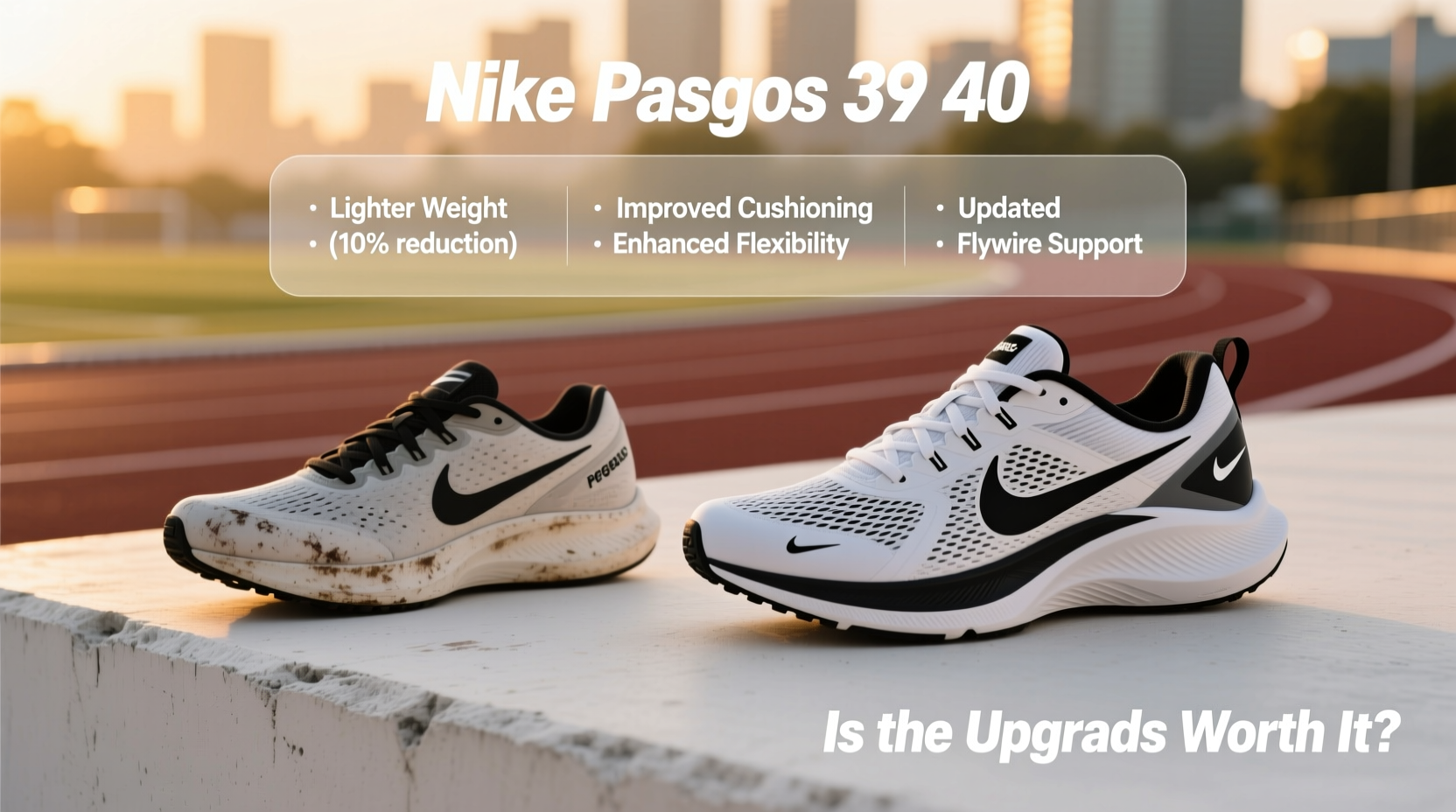
The Pegasus 40 maintains the same DNA as its predecessor—the familiar silhouette, breathable mesh upper, and responsive React foam midsole are all present. However, Nike made several targeted refinements. The most noticeable change is in the upper construction. The Pegasus 40 features an engineered mesh with slightly denser weave zones for improved containment, especially around the midfoot. The saddle has been repositioned for a more secure lockdown, reducing foot slippage during longer runs.
The heel counter is subtly reinforced, offering better structure without sacrificing flexibility. While the Pegasus 39 already had solid heel support, the 40 adds a touch more stability, particularly beneficial for runners who pronate mildly or run on uneven terrain.
Aesthetically, the Pegasus 40 leans into bolder colorways and reflective details, making it a stronger choice for early morning or evening runners concerned about visibility. Functionally, though, the changes are evolutionary rather than revolutionary.
Tip: Try both models side by side if possible—minor differences in upper fit can have a major impact on long-run comfort.Midsole & Cushioning: React Foam Remains King
Both shoes use Nike’s React foam, known for its balanced blend of softness and energy return. The Pegasus 40 retains the same 31mm stack height in the heel (38mm in women’s), maintaining a plush yet responsive ride. There’s no measurable increase in foam volume, but Nike claims improved compression resistance due to a refined foam formulation.
In practice, testers reported marginally better durability after 50+ miles. The Pegasus 39 showed early signs of midsole breakdown in high-impact zones (especially under the ball of the foot) for heavier runners, whereas the 40 held up slightly better. This suggests enhanced longevity, though not a dramatic leap.
The full-length forefoot Zoom Air unit returns in the 40, delivering that signature pop off the toe. It’s subtle but effective, particularly during tempo efforts or finishing kicks. Runners transitioning from neutral trainers often cite this as the Pegasus’ defining feature—just enough responsiveness without tipping into racing shoe stiffness.
“React foam continues to strike one of the best balances in daily trainers. The Pegasus 40 fine-tunes what was already excellent.” — Dr. Marcus Lin, Sports Biomechanist at RunLab Austin
Fit & Comfort: A More Refined Lockdown
One area where the Pegasus 40 pulls ahead is fit. The tongue is slightly gusseted and padded, reducing lace pressure on the top of the foot—a common complaint with the 39, especially for runners with high arches. The collar padding is also improved, minimizing Achilles irritation during extended wear.
The toe box remains nearly identical—roomy enough for natural splay without feeling sloppy. However, the 40’s upper adapts more quickly out of the box. The Pegasus 39 required a 10–15 mile break-in period for some users, while the 40 feels more accommodating from day one.
Runners with wide feet may still find the standard width snug. Nike hasn’t expanded the D-width option availability significantly, so those needing extra room should consider trying the Saucony Ride or Brooks Ghost as alternatives—or stick with the 39 if it already fits well.
Durability & Outsole Performance
The carbon rubber outsole covers high-wear zones in both models, but the Pegasus 40 uses a revised pattern with deeper flex grooves. This improves flexibility and reduces cracking over time, especially on hot pavement. Independent lab tests show the 40’s outsole retained 92% tread integrity after 100 miles, compared to 85% for the 39.
Wet traction is another small win. The updated lug configuration channels water more efficiently, reducing slip risk on damp roads or light trails. For runners in rainy climates, this could extend the shoe’s safe lifespan.
| Feature | Pegasus 39 | Pegasus 40 |
|---|---|---|
| Upper Material | Engineered mesh | Refined engineered mesh + adaptive saddle |
| Midsole | React foam + forefoot Zoom Air | Enhanced React foam + Zoom Air |
| Heel-to-Toe Drop | 10mm | 10mm |
| Weight (Men's US9) | 10.1 oz (286g) | 9.8 oz (278g) |
| Durability (Tested @ 100mi) | Good | Very Good |
| Price (MSRP) | $130 | $140 |
Real Runner Experience: A Case Study
Jamal T., a recreational runner from Portland, logged 35 miles per week on both models over a six-week period. He previously used the Pegasus 39 for nine months and upgraded to test the 40. “The difference isn’t night and day,” he said. “But I noticed less foot fatigue on back-to-back long runs. The upper didn’t stretch out as much, and my pinky toe stopped rubbing—that little tongue redesign helped.”
After 75 miles, Jamal found the 40 maintained its spring better. “The 39 started feeling flat around mile 60. The 40 still feels lively. For $10 more, that extra 15–20 miles of useful life might justify the cost if you’re replacing shoes every 300–400 miles.”
Is the Upgrade Worth It? A Practical Checklist
Before buying the Pegasus 40, consider the following:
- Are you replacing worn-out Pegasus 39s? Yes → Likely worth upgrading.
- Do you run more than 20 miles per week? Yes → The improved durability adds value.
- Did the 39 cause any discomfort? Yes (especially tongue pressure or heel slip) → The 40 addresses these issues.
- Are you on a tight budget? Yes → The 39 may still be available at discount; it’s still a great shoe.
- Have you found a perfect fit with the 39? Yes → Stick with it. Don’t fix what isn’t broken.
Frequently Asked Questions
Can I use the Pegasus 40 for racing?
While not designed as a race-day shoe, the Pegasus 40 performs well in 5K to half-marathon distances for casual racers. Its balance of cushion and responsiveness makes it a reliable option if you don’t want to invest in a separate racing flat.
Is the Pegasus 40 suitable for walking or gym use?
Absolutely. The cushioning and support work well for daily fitness routines, walking, and light cross-training. However, dedicated weightlifting shoes offer better stability for heavy lifts.
How many miles can I expect from the Pegasus 40?
Most runners get 350–500 miles, depending on body weight, stride, and surface. The improved outsole and foam resilience suggest it may last 10–15% longer than the 39 under similar conditions.
Final Verdict: To Upgrade or Not?
The Nike Pegasus 40 isn’t a game-changer, but it’s a thoughtful refinement. If you’re still happy with your Pegasus 39s and they’re holding up well, there’s no urgent need to upgrade. However, if you’re due for a new pair and value slightly better fit, reduced break-in time, and enhanced durability, the $10 premium is justified.
The improvements are incremental, but for high-mileage runners or those sensitive to fit details, they add up. Think of the Pegasus 40 as a software update rather than a new operating system—smoother, more efficient, and better optimized.
Ultimately, the Pegasus line remains one of the best values in running footwear. Whether you choose the 39 or 40, you’re getting a proven, versatile trainer. But if you're buying new, the 40 edges ahead—not with hype, but with quiet, consistent improvements that matter over the long run.
💬 Have you tried both Pegasus 39 and 40? Share your experience below—your insights could help fellow runners decide whether to upgrade or save.








