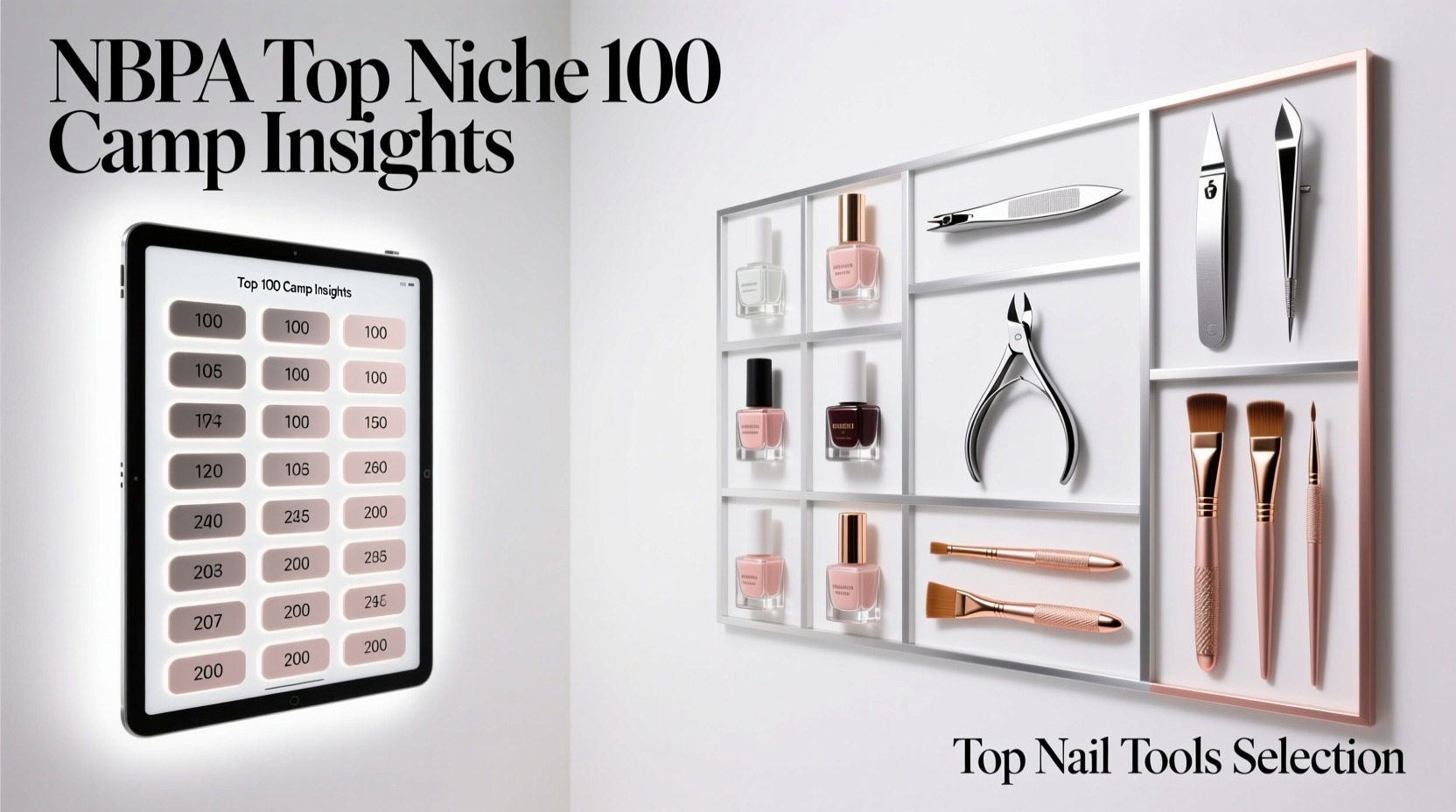
The National Basketball Players Association (NBPA) Top 100 Camp is more than just a showcase of elite high school basketball talent—it's a proving ground where future professionals refine their skills, gain exposure, and learn under NBA-level coaching. Simultaneously, in a completely different but equally detail-oriented world, the art of nail care demands precision, quality tools, and informed choices. While these domains may seem unrelated, both emphasize excellence through preparation, discipline, and using the right equipment. This article explores standout takeaways from the NBPA Top 100 Camp and transitions into a comprehensive guide on selecting the best nail tools for lasting, professional-grade results.
NBPA Top 100 Camp: A Launchpad for Future Stars
Each year, the NBPA invites the nation’s most promising high school basketball players to its invite-only Top 100 Camp. Held over several days, the event features competitive games, skill development sessions, strength and conditioning workshops, and mentorship from current and former NBA players. What sets this camp apart isn’t just the level of competition—it’s the holistic approach to athlete development.
Coaches and scouts consistently highlight player maturity, work ethic, and adaptability as key evaluation metrics beyond raw athleticism. The camp emphasizes off-court behavior, media training, and financial literacy, preparing athletes not just for college basketball but for life after sports.
Tip: Talent gets you invited—consistency, coachability, and character keep you in the conversation.Key Performance Insights from Recent Camps
- Basketball IQ is rising: Players demonstrate advanced understanding of spacing, defensive rotations, and pick-and-roll execution.
- Positionless play dominates: Guards handle like forwards; big men step out to shoot threes and initiate offense.
- Free throw focus: Shooting mechanics are scrutinized, with many players exceeding 80% from the line during drills.
- Injury prevention matters: Recovery protocols, hydration tracking, and load management are discussed daily.
“Today’s elite prospects aren’t just gifted—they’re students of the game. They study film, train strategically, and understand their bodies.” — Coach Jamal Adams, NBPA Development Staff
From Court to Craft: The Discipline of Excellence
Whether mastering a crossover dribble or shaping a perfect French tip, success lies in repetition, proper tools, and attention to detail. Just as an athlete selects gear that enhances performance—basketballs, shoes, recovery devices—nail technicians and enthusiasts must choose tools that support precision and longevity.
Poorly made nail tools lead to uneven cuts, damaged cuticles, infections, and shortened service life. Investing in high-quality instruments isn’t a luxury—it’s foundational to safe, effective nail care.
Essential Nail Tools Every Professional Should Own
| Tool | Purpose | Recommended Material | Top Brands |
|---|---|---|---|
| Nail Clippers | Cutting natural or acrylic nails | Stainless steel with sharp blades | Seki Edge, Tweezerman, OPI |
| Nail Files (Glass/Crystal) | Smoothing edges without splitting | Frosted glass or ceramic | Swan Beauty, Germanikure, Miss Kitty |
| Cuticle Nippers | Precise removal of dead skin | Titanium-coated or surgical steel | Tara, Mia Secret, Revlon Pro |
| Pushers (Metal or Wood) | Lifting cuticles gently | Polished metal or orange wood | Beauty Infusion, EcoTools |
| Nail Buffers | Shaping and shining natural nails | Multi-grit foam blocks or metal | Mavala, Essie, Kiara Sky |
Selecting the Right Tools: A Step-by-Step Guide
Choosing durable, hygienic, and functional nail tools requires more than brand recognition. Follow this process to ensure long-term value and safety.
- Assess your needs: Are you doing basic manicures at home, or offering full gel services? Professionals need autoclavable tools; casual users can opt for high-grade consumer models.
- Check material quality: Avoid plastic-handled clippers or flimsy files. Stainless steel resists corrosion and maintains sharpness.
- Evaluate ergonomics: Tools should fit comfortably in hand. Look for spring-loaded nippers and contoured handles.
- Verify sterilization compatibility: If used professionally, tools must withstand repeated autoclave cycles (121°C/250°F).
- Read reviews and certifications: Look for FDA-cleared or CE-marked products, especially when purchasing online.
Real-World Example: From Rookie to Pro Artist
Maya Thompson started doing nails for friends in her dorm room during college. Initially, she bought a $15 drugstore kit. Within months, the clippers dulled, the file cracked, and a client developed irritation from a poorly sanitized pusher. After researching, Maya invested $120 in professional-grade tools—Seki Edge clippers, a Germanikure glass file, and titanium nippers. Not only did her service quality improve, but repeat clients increased by 60% within three months. She now runs a mobile nail business and credits her tool upgrade as the turning point.
Common Mistakes in Nail Tool Selection
- Buying cheap multi-tools: Often made with mixed metals that corrode quickly.
- Using household scissors on nails: Dulls blades and risks jagged edges.
- Skipping sharpening: Dull nippers tear skin instead of cutting cleanly.
- Storing tools wet: Leads to rust and bacterial growth.
Do’s and Don’ts Summary
| Do | Don't |
|---|---|
| Use separate tools for natural and artificial nails | Share unsterilized tools between clients |
| Sharpen nippers every 3–6 months | Soak metal tools in acetone (can degrade glue joints) |
| Store tools in a dry, ventilated case | Leave tools exposed on bathroom counters |
| Replace files once surface smooths out | Use glass files on acrylics aggressively (can chip) |
Frequently Asked Questions
How often should I replace my nail tools?
With proper care, stainless steel tools can last 3–5 years. Replace them if you notice rust, dullness, or wobbling joints. Files and buffers should be replaced every 3–6 months depending on usage.
Can I bring my own tools to a salon?
Absolutely—and it’s encouraged. Many salons allow personal tools to reduce cross-contamination risk. Ensure they’re clean and clearly labeled.
Are glass nail files better than emery boards?
Yes, for natural nails. Glass files are gentler, create less dust, and last longer. Emery boards are disposable and suitable for occasional use but tend to fray and weaken nails over time.
Final Checklist: Building Your Professional Kit
- High-leverage nail clippers (surgical steel)
- Glass or crystal nail file (180/240 grit)
- Precision cuticle nippers (straight and angled)
- Orange wood sticks or metal cuticle pusher
- Nail buffer block (4-way grit)
- Manicure bowl and tray organizer
- Disinfectant solution and drying rack
- Storage case with individual slots
“The best nail artists treat their tools like surgeons do theirs—clean, calibrated, and respected.” — Lila Chen, Master Nail Technician & Educator
Conclusion
Excellence, whether on the basketball court or at the manicure table, stems from intentionality. The NBPA Top 100 Camp reveals how structure, mentorship, and self-awareness elevate talent into mastery. Similarly, selecting the right nail tools transforms routine maintenance into a precise, rewarding practice. By investing in quality, maintaining hygiene, and learning from real-world outcomes, you position yourself for long-term success—whether you're prepping for the draft or building a beauty brand.
🚀 Ready to upgrade your game? Whether you're training for the court or perfecting your nail station, start today by auditing your tools and habits. Share your journey or ask questions in the comments below.








