Occasional narrow stools are common and often harmless. However, when thin or pencil-like bowel movements become frequent—or are accompanied by other symptoms—they may signal an underlying digestive issue. Understanding the potential causes can help distinguish between temporary changes and conditions that require medical attention.
Diet, hydration, and daily habits influence stool consistency and shape. But persistent thin poop could point to structural issues in the colon, chronic gastrointestinal disorders, or even colorectal cancer. Recognizing the difference between benign fluctuations and warning signs is essential for timely intervention.
Common Causes of Thin Stool
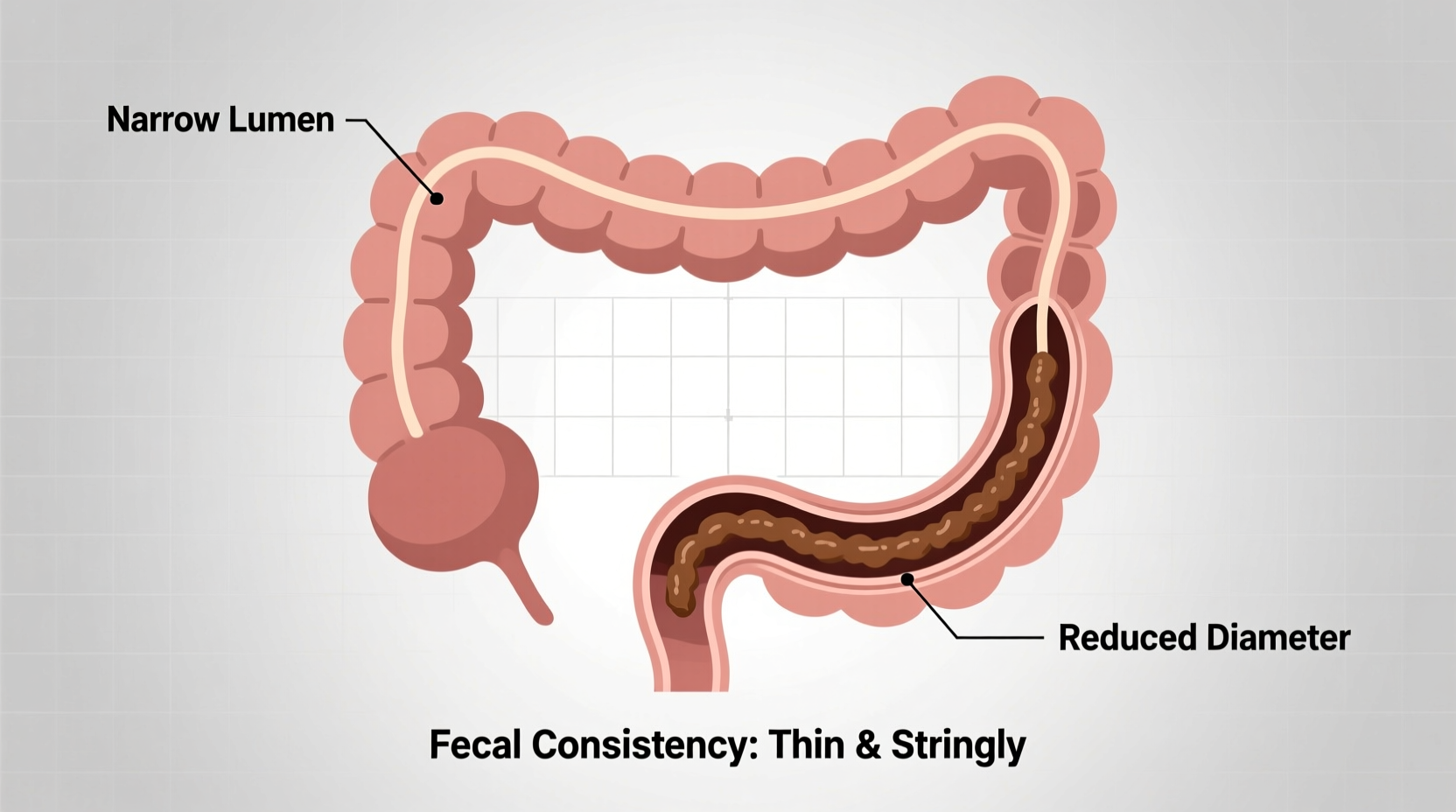
Many factors contribute to the occasional appearance of narrow stools. Most are related to lifestyle and digestive function rather than serious disease.
- Dietary changes: A sudden drop in fiber intake or increased consumption of processed foods can alter stool bulk and consistency.
- Constipation: Hardened stool may pass through the colon in fragments or narrow strands, especially if impacted.
- Dehydration: Inadequate fluid intake leads to drier, smaller stools that may appear thin.
- Intestinal muscle contractions: Irregular motility due to stress or irritable bowel syndrome (IBS) can produce ribbon-like stools.
- Temporary inflammation: Mild infections or food intolerances can cause temporary narrowing of the bowel passage.
When Thin Stools Signal a Serious Condition
While isolated episodes are usually not concerning, ongoing thin stools—especially if they resemble a pencil in width—may indicate a physical obstruction or chronic illness.
Colorectal Polyps or Tumors
A growth in the lower colon or rectum can constrict the passage, forcing stool to squeeze through a narrowed channel. These growths may start as benign polyps but can progress to cancer over time. Early detection through screening is critical.
Irritable Bowel Syndrome (IBS)
In IBS, particularly the diarrhea-predominant type (IBS-D), altered intestinal motility can lead to inconsistent stool shapes, including thin or fragmented forms. Abdominal pain, bloating, and urgency often accompany these changes.
Inflammatory Bowel Disease (IBD)
Conditions like Crohn’s disease and ulcerative colitis involve chronic inflammation of the digestive tract. Swelling and scarring can narrow the intestinal lumen, leading to persistently thin stools. Other symptoms include fatigue, weight loss, and bloody bowel movements.
Anal Fissures or Hemorrhoids
Painful tears in the anal lining or swollen rectal veins may cause a person to unconsciously tighten the sphincter, resulting in thinner-than-normal stool. This is often short-lived but can recur without treatment.
“Any unexplained change in bowel habits lasting more than a few weeks should prompt evaluation. Persistent narrow stools aren’t always cancer—but they must be ruled out.” — Dr. Lena Torres, Gastroenterologist, Mayo Clinic
Do’s and Don’ts: Managing Bowel Health
| Do’s | Don’ts |
|---|---|
| Eat high-fiber foods (whole grains, legumes, vegetables) | Ignore persistent changes lasting over 3 weeks |
| Drink plenty of water throughout the day | Assume it’s just constipation without monitoring |
| Exercise regularly to support digestion | Use laxatives frequently without medical advice |
| Keep a symptom journal with diet notes | Delay colorectal screening if over age 45 |
| Consult a doctor if you notice blood or pain | Self-diagnose based on internet searches |
Real-Life Example: A Wake-Up Call
Mark, a 52-year-old accountant, noticed his stools had been unusually narrow for nearly a month. He initially dismissed it as a side effect of his low-fiber diet and work-related stress. However, when he began experiencing fatigue and occasional rectal bleeding, he scheduled a visit with his primary care physician.
After a referral to a gastroenterologist and a colonoscopy, Mark was diagnosed with a large polyp partially obstructing his descending colon. The polyp was removed during the procedure and found to contain precancerous cells. His doctor emphasized that continued delay could have led to invasive cancer.
Mark’s case illustrates how seemingly minor digestive changes can mask serious conditions—especially in adults over 50. Early action saved him from a potentially life-threatening outcome.
Step-by-Step Guide: What to Do If You Have Thin Stools
- Monitor duration and frequency: Note how often thin stools occur over two to three weeks.
- Check for accompanying symptoms: Look for blood in stool, abdominal pain, unexplained weight loss, or changes in bowel frequency.
- Review recent dietary and lifestyle changes: Consider travel, new medications, or shifts in eating patterns.
- Improve hydration and fiber intake: Gradually increase fruits, vegetables, and whole grains while drinking at least eight glasses of water daily.
- Schedule a medical consultation: If changes persist beyond three weeks or worsen, see a healthcare provider.
- Follow recommended testing: Depending on age and risk factors, your doctor may suggest a colonoscopy, sigmoidoscopy, or imaging tests.
Frequently Asked Questions
Is thin poop always a sign of cancer?
No. While colorectal cancer can cause narrow stools due to tumor blockage, most cases of thin poop are linked to benign causes like constipation, IBS, or temporary inflammation. However, persistent thin stools—especially with other red-flag symptoms—should be evaluated by a doctor.
Can hemorrhoids cause pencil-thin stools?
Yes. Painful hemorrhoids or anal fissures may cause someone to tense their anal muscles during bowel movements, which can result in thinner stools. Once the condition improves, stool shape typically returns to normal.
How long should I wait before seeing a doctor about narrow stools?
If thin stools persist for more than three weeks, or if you experience additional symptoms such as rectal bleeding, unexplained weight loss, or severe abdominal pain, seek medical advice promptly. Individuals over 45 should not delay colorectal screening regardless of symptoms.
Conclusion: Take Charge of Your Digestive Health
Narrow stools sometimes are part of normal digestive variation. But when they become a pattern, they deserve attention. Your body communicates through subtle changes—and bowel habits are one of the most direct messages from your gut.
You don’t need to panic over every odd-shaped stool, but you also shouldn’t ignore consistent changes. With early detection, many digestive conditions—even serious ones—are highly treatable. Prioritize fiber, stay hydrated, monitor your symptoms, and never underestimate the value of preventive care.
💬 Your health matters. Have you noticed changes in your bowel habits? Share your experience or questions below—your story might help someone else take action.








