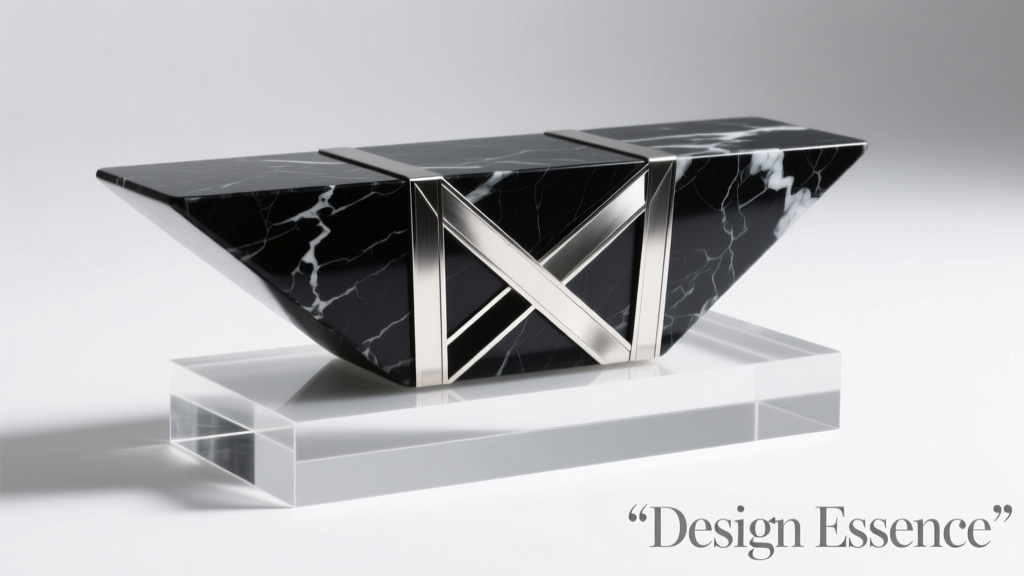
Types of Narrow Sideboards for Hallways
A narrow sideboard for hallway is a versatile and stylish storage solution designed to maximize functionality in tight spaces. These compact furniture pieces combine elegance with utility, offering storage for essentials like table linens, dinnerware, keys, and seasonal items. With a wide range of styles available, there’s a perfect narrow sideboard to match any home decor—from traditional elegance to modern minimalism. Below is a detailed guide to the most popular types.
Traditional Narrow Sideboard
Characterized by rich wood stains and classic craftsmanship, traditional sideboards bring timeless elegance to hallways. Often made from solid hardwoods like oak or mahogany, these pieces feature intricate detailing such as carved legs, ornate hardware, and paneled doors.
Advantages
- Timeless, sophisticated appearance
- High durability due to solid wood construction
- Excellent for formal or classic interiors
- Long-lasting investment with potential heirloom value
Limitations
- Heavier and harder to move
- Higher price point
- Limited compatibility with modern decor
Best for: Formal entryways, classic homes, storing fine linens and silverware
Modern Narrow Sideboard
Defined by clean lines, geometric shapes, and minimalist design, modern sideboards emphasize function and simplicity. Materials often include tempered glass, stainless steel, lacquered finishes, and high-pressure laminates, contributing to a sleek, clutter-free aesthetic.
Advantages
- Sleek, contemporary look
- Lightweight and easy to assemble
- Available in a wide range of colors and finishes
- Perfect for small, urban spaces
Limitations
- Less durable than solid wood options
- May lack storage depth or capacity
- Can feel cold or impersonal in some settings
Best for: Contemporary homes, minimalist interiors, urban apartments
Industrial Narrow Sideboard
Blending raw materials like iron, steel, and reclaimed wood, industrial sideboards offer a rugged, utilitarian charm. Exposed bolts, metal frames, and distressed wood finishes create a bold statement piece ideal for modern lofts or eclectic spaces.
Advantages
- Unique, edgy aesthetic
- Durable metal and wood construction
- Great for urban or warehouse-style homes
- Often features open shelving for easy access
Limitations
- May feel too harsh for traditional spaces
- Prone to rust if not properly maintained
- Limited soft storage options
Best for: Lofts, modern apartments, homes with an urban or edgy design theme
Rustic Narrow Sideboard
Crafted from reclaimed or distressed wood, rustic sideboards evoke a warm, countryside charm. Natural imperfections like knots, grain variations, and weathered finishes enhance their character and make each piece unique.
Advantages
- Warm, inviting appearance
- Eco-friendly (often made from recycled materials)
- Complements farmhouse, cottage, or cabin decor
- Open shelving allows for display and easy access
Limitations
- Requires regular maintenance to prevent drying or cracking
- May collect dust more easily due to open designs
- Not ideal for ultra-modern spaces
Best for: Farmhouse-style homes, country cottages, storing blankets and outdoor dinnerware
Mid-Century Narrow Sideboard
Inspired by 1950s and 60s design, mid-century sideboards feature warm wood tones, tapered legs, and clean geometric lines. These pieces blend functionality with retro-chic style, making them a favorite in both vintage and contemporary interiors.
Advantages
- Iconic, stylish design with lasting appeal
- Excellent balance of form and function
- Complements both retro and modern decor
- Often includes smart storage compartments
Limitations
- Genuine vintage pieces can be expensive
- Reproductions may lack authenticity
- May not suit very traditional or ultra-minimalist spaces
Best for: Retro-inspired homes, design-conscious interiors, storing dinnerware and decorative items
| Style | Material Focus | Aesthetic | Durability | Ideal For |
|---|---|---|---|---|
| Traditional | Solid hardwood, wood veneers | Elegant, classic | Excellent | Formal entryways, classic homes |
| Modern | Steel, glass, laminate | Minimalist, sleek | Good | Contemporary apartments, urban spaces |
| Industrial | Metal + reclaimed wood | Rugged, urban | Very Good | Lofts, modern eclectic homes |
| Rustic | Distressed/reclaimed wood | Natural, warm | Good | Farmhouses, cottages, cozy spaces |
| Mid-Century | Walnut, teak, rosewood | Vintage-modern blend | Very Good | Retro interiors, design-focused homes |
Expert Tip: When selecting a narrow hallway sideboard, measure your space carefully—allow at least 6–12 inches of clearance on each side for easy movement. Consider pieces with mirrors or reflective finishes to visually expand smaller hallways.
Different Designs of Narrow Sideboards for Hallways: Style, Function & Space Optimization
Narrow sideboards are a smart and stylish solution for hallways, entryways, and compact living spaces. Available in a variety of designs, they combine practical storage with aesthetic appeal, helping homeowners maximize limited floor space without sacrificing elegance. Whether you're looking for concealed storage, display options, or wall-mounted convenience, there's a narrow sideboard design to match your needs and décor preferences.
Two-Door Narrow Sideboard Design
The two-door design is one of the most popular configurations for narrow buffet tables with doors and hallway cabinets. It offers a balanced blend of accessibility and concealed storage, making it ideal for storing larger items such as table linens, serving dishes, or seasonal accessories.
This design maintains a clean, sophisticated look by hiding clutter behind solid or glass-paneled doors. The minimalist appearance complements both modern and traditional interiors. Many two-door sideboards also include internal shelves or adjustable dividers, allowing for customizable organization.
Open Shelving Design
Open shelving sideboards forgo doors entirely, featuring exposed shelves or picture ledge-style racks. This design is perfect for showcasing decorative items such as photo frames, vases, books, or curated collections, adding personality and warmth to your hallway.
While open shelving enhances visual appeal and accessibility, it requires regular dusting and mindful arrangement to avoid a cluttered appearance. Ideal for those who enjoy rotating décor or displaying cherished items, this style promotes an inviting, lived-in atmosphere but may not be suitable for high-traffic areas where items could be easily knocked over.
Ten-Door Sideboard Design
The ten-door sideboard is a highly functional and visually striking option among narrow sideboards. With multiple compartmentalized sections, each door can serve a distinct purpose—such as storing shoes, mail, pet supplies, or cleaning tools—making it an excellent organizational hub for busy households.
Beyond utility, the rhythmic pattern of multiple doors adds architectural interest and symmetry to a hallway. Designers often use contrasting finishes, hardware, or door styles (e.g., recessed panel vs. flush) to create a decorative focal point. This design is particularly effective in longer hallways where a bold furniture piece can anchor the space.
Wall-Mounted Sideboard Design
Perfect for ultra-narrow hallways or spaces where floor area is at a premium, the wall-mounted sideboard elevates storage off the ground. This design maximizes vertical space and creates a floating effect that enhances the sense of openness in tight areas.
Typically combining open shelves with closed cabinets or drawers, wall-mounted sideboards offer versatile storage while maintaining a lightweight visual profile. They’re ideal for entryways, where quick-access storage for keys, bags, or footwear is needed. Proper installation into wall studs is essential for safety and durability, especially when storing heavier items.
Three-Door Narrow Sideboard Design
Building on the functionality of the two-door model, the three-door sideboard provides additional access points and internal organization. The central door often opens to a larger compartment, while the side doors may conceal smaller shelves or drawers—ideal for separating dishware, cutlery, and napkins in a dining hallway or serving area.
This design enhances convenience and flow, reducing the need to fully open large cabinets. Its symmetrical layout lends a classic, balanced appearance, making it a popular choice for transitional and contemporary interiors. When placed in a hallway, it can double as a stylish console with hidden storage for household essentials.
| Design Type | Best For | Storage Type | Space Efficiency |
|---|---|---|---|
| Two-Door | Concealed storage, formal style | Closed cabinets | High |
| Open Shelving | Display, decorative appeal | Exposed shelves | Medium |
| Ten-Door | Organization, high storage needs | Multiple compartments | Very High |
| Wall-Mounted | Small spaces, modern look | Mixed (shelves + cabinets) | Excellent |
| Three-Door | Balanced access, dining areas | Closed with segmented access | High |
Tip: When selecting a narrow sideboard for your hallway, consider both your storage needs and the overall flow of the space. Measure the available width and height before purchasing, and ensure there's enough clearance for doors or drawers to open fully. Opt for durable finishes in high-traffic areas, and use organizers inside cabinets to maintain order and maximize usability.
How to Choose a Narrow Sideboard for Hallway
Selecting the perfect narrow sideboard for your hallway goes beyond aesthetics—it's about smart functionality, space optimization, and long-term durability. A well-chosen console table enhances both the utility and visual appeal of your entryway. Consider these essential factors to make an informed decision that complements your home and lifestyle.
Space & Dimensions
Before purchasing, measure your hallway precisely—note the width, depth, and height clearance. A narrow sideboard should leave at least 18–24 inches of walking space to maintain comfort and flow.
- Ideal depth for hallway sideboards: 10–14 inches to avoid protruding into traffic areas
- Height should complement adjacent furniture (typically 30–36 inches)
- Wall-mounted or floating designs save floor space in tight hallways
- Consider ceiling height—taller spaces can accommodate vertical pieces with shelving or mirrors
Pro tip: Use painter’s tape to outline the footprint on the floor and visualize how it fits with foot traffic.
Storage Needs & Functionality
Think about how you’ll use the sideboard. Will it serve as a drop zone for keys and mail, a display surface, or extra storage for linens and accessories?
- Drawers and cabinets are ideal for hiding clutter like gloves, scarves, or pet leashes
- Open shelving allows for easy access and display of baskets, books, or decorative items
- Top surface should accommodate a lamp, mirror, or photo frame without feeling crowded
- Some models include charging stations or USB ports for modern convenience
Smart choice: Opt for a narrow console table with concealed storage to maintain a clean, minimalist look.
Style & Aesthetic Harmony
The sideboard should seamlessly integrate with your existing décor. Whether your home leans toward modern minimalism, rustic charm, or traditional elegance, matching the finish and design enhances visual continuity.
- Modern spaces benefit from sleek metals, glass, or high-gloss finishes
- Rustic or farmhouse styles pair well with reclaimed wood, distressed finishes, and iron accents
- Transitional designs blend classic and contemporary elements for timeless appeal
- Match hardware (knobs, pulls) to other fixtures in the entryway for cohesion
Design insight: A mirror or artwork above the sideboard can double the sense of space in narrow hallways.
Material Quality & Durability
Invest in a sideboard built to last. The materials used affect not only appearance but also resilience to daily wear, moisture, and impact.
- Solid wood (oak, walnut, pine) offers longevity and natural beauty; ideal for high-traffic areas
- Engineered wood (MDF, plywood) with veneer is cost-effective and stable if properly sealed
- Metal frames or legs add structural support and industrial flair
- Avoid particleboard or low-density fiberboard in humid environments—they swell and weaken over time
Quality check: Look for dovetail joints, reinforced corners, and scratch-resistant finishes.
Expert Recommendation: For most hallways, choose a mid-width (12–14 inch deep), solidly constructed sideboard with a mix of open and closed storage. This balances practicality with style. If space allows, pair it with a bench or coat rack to create a functional entryway zone. Always consider lighting—adding a small table lamp or wall sconce enhances both ambiance and usability.
| Hallway Type | Recommended Sideboard Style | Material Suggestions | Key Features |
|---|---|---|---|
| Compact Urban Entry | Floating wall console | Metal frame with wood shelf | Minimal footprint, hidden mounting |
| Family Home Hallway | Narrow sideboard with drawers | Solid pine or oak | Keys/mail organizer, durable finish |
| Modern Apartment | Slender glass or acrylic console | Tempered glass, stainless steel | Lightweight, reflective, easy to clean |
| Vintage or Period Home | Ornate buffet-style piece | Reclaimed wood, antique finish | Carved details, brass hardware |
Additional Considerations
- Weight Capacity: Check the load limit, especially if placing heavy items like vases or electronics
- Assembly & Installation: Some narrow sideboards require wall anchoring for safety—ensure proper hardware is included
- Maintenance: Choose finishes that resist fingerprints, scratches, and moisture for easy upkeep
- Lighting Integration: Consider models with built-in LED strips or compatible with plug-in lighting
- Eco-Friendliness: Look for FSC-certified wood or recycled materials to support sustainable choices
Functionality and Uses of Narrow Sideboard for Hallway
A narrow sideboard is more than just a stylish addition to your hallway—it's a highly functional piece of furniture designed to maximize space, enhance organization, and elevate your home’s aesthetic. Especially ideal for compact entryways and narrow corridors, this versatile storage solution combines practicality with design flexibility. Below is a comprehensive overview of its key uses and benefits, helping you make the most of this essential furniture item.
Design Tip: Choose a narrow sideboard with proportions that match your hallway dimensions—typically no more than 12–18 inches deep—to ensure easy passage while still offering ample utility.
1. Storage and Organization
One of the primary advantages of a narrow sideboard is its ability to bring order to clutter-prone entry areas. With a combination of drawers, cabinets, and open shelving, it offers flexible storage solutions tailored to everyday needs.
- Drawers and enclosed cabinets: Perfect for storing frequently misplaced but essential items like gloves, scarves, hats, and seasonal clothing. The concealed storage keeps these items out of sight yet easily accessible.
- Open shelves: Ideal for placing shoes, slippers, or baskets for umbrellas and dog leashes. Their visibility allows for quick access and encourages household members to keep items in designated spots.
- Adjustable interiors: Many models feature adjustable shelves or removable dividers, enabling customization based on changing storage needs.
This smart organization helps maintain a clean, uncluttered hallway—a crucial first impression area in any home.
2. Display and Personalization
Your narrow cabinet can double as a stylish display unit, transforming a simple hallway into a welcoming and personalized space. The flat top surface acts as a perfect stage for decorative elements that reflect your personality and style.
- Showcase potted plants or fresh flowers to introduce natural beauty and improve air quality.
- Arrange framed photos or artwork to create a mini gallery wall effect.
- Add ambient lighting with candles, LED lamps, or lanterns to enhance mood and visibility.
- Incorporate decorative trays or bowls to hold keys, sunglasses, or loose change in an elegant way.
By curating meaningful objects on your sideboard, you create a warm, inviting atmosphere that greets guests the moment they enter your home.
3. Additional Surface Area
Hallways are often underutilized spaces, but a narrow sideboard instantly adds functional surface area without obstructing foot traffic. This extra space serves multiple practical purposes:
- Entryway utility: Use it as a drop zone for keys, mail, packages, and everyday essentials.
- Dining room extension: When placed near the dining area, it can hold serving dishes, extra cutlery, napkins, or drink trays during meals.
- Home office support: In multi-functional spaces, use the surface for a small printer, notepad, or charging station.
The added workspace improves flow and functionality, especially in smaller homes where every inch counts.
4. Functional Accent and Design Continuity
A well-chosen sideboard acts as a transitional piece that bridges design elements between rooms. In open-concept layouts or homes with connected living spaces, it helps maintain visual harmony by echoing materials, colors, or finishes found elsewhere in the home.
- Select a sideboard with wood tones or metal accents that complement adjacent rooms (e.g., matching dining table legs or kitchen hardware).
- Use it to carry a color theme from the living room into the entryway via decorative objects or painted finishes.
- Position mirrors or artwork above the unit to create depth and continuity in long hallways.
This makes the sideboard not just a storage unit, but a strategic design tool that enhances cohesion throughout your interior.
5. Multi-Purpose Use Across Rooms
While ideal for hallways, the narrow sideboard’s adaptability allows it to serve different roles in various areas of the home:
| Room | Function | Recommended Features |
|---|---|---|
| Dining Room | Store tableware, linens, wine, or serving trays | Spacious cabinets, wine rack insert, felt-lined drawers |
| Living Room | Entertainment center for TV, soundbar, and media devices | Cable management cutouts, adjustable shelves, closed storage |
| Bedroom | Extra clothing storage or nightstand alternative | Soft-close drawers, compact height, night lighting option |
| Home Office | File storage, printer stand, or supply organizer | Modular compartments, desk-height surface, locking drawers |
This versatility makes the narrow sideboard a smart investment for homeowners seeking flexible, space-saving furniture.
Expert Tip: To maximize functionality, consider models with added features like built-in USB charging ports, soft-close hinges, or anti-tip brackets for safety and convenience.
Final Thoughts
A narrow sideboard is far more than a hallway accessory—it's a dynamic, multi-functional piece that combines storage, style, and smart design. Whether you're organizing daily essentials, displaying cherished decor, or extending usable space, this furniture item adapts to your lifestyle and enhances your home’s flow. When selecting a model, prioritize quality craftsmanship, proportionate sizing, and features that align with your household’s needs. With thoughtful placement and styling, your narrow sideboard can become both a practical asset and a standout design feature in your home.
Frequently Asked Questions About Narrow Sideboards
Q1: Can narrow sideboards be used in small spaces?A1: Yes, narrow sideboards are specifically engineered to maximize functionality in compact environments. Their slim profiles allow them to fit seamlessly into tight hallways, narrow living rooms, or even small entryways without overwhelming the space. Despite their compact size, they offer substantial surface area for decor and storage solutions, making them a smart choice for urban apartments, studio homes, or any area where floor space is limited.
Q2: What is the purpose of open shelving on a narrow sideboard?A2: Open shelving on narrow sideboards serves both aesthetic and functional purposes. It provides an ideal platform for showcasing decorative items such as photo frames, indoor plants, coffee table books, vases, or curated collectibles. Unlike enclosed cabinets, open shelves create a sense of visual lightness and accessibility, allowing you to personalize your space and easily rotate displays with changing seasons or styles. However, they may require more frequent dusting and organization to maintain a tidy appearance.
Q3: Are narrow sideboards good for storage?A3: Absolutely. One of the key advantages of narrow sideboards is their ability to combine space-saving design with practical storage. Most models include a combination of drawers, cabinets, and sometimes cubbies, which help organize everyday items like table linens, remote controls, magazines, or kitchenware. This makes them excellent for reducing clutter in living rooms, dining areas, or hallways while keeping essentials neatly tucked away yet easily accessible.
Q4: What materials are usually used to manufacture narrow sideboards?A4: Narrow sideboards are crafted from a variety of durable and stylish materials, each offering different benefits:
- Solid Wood: Offers a premium, long-lasting finish with natural grain patterns; ideal for traditional or rustic interiors.
- Engineered Wood (e.g., MDF or plywood): Cost-effective and stable, often used in modern designs with laminated or veneer finishes.
- Metal: Frequently used for legs or frames to add an industrial or contemporary flair, often paired with wood or glass tops.
- Blended Materials: Many designs combine wood, metal, and tempered glass for a balanced look that blends durability with modern aesthetics.
The choice of material affects not only the appearance but also the weight, durability, and maintenance needs of the sideboard.
Q5: Is there any difference between a sideboard and a buffet?A5: While the terms are often used interchangeably, there are subtle distinctions based on function and placement:
| Feature | Sideboard | Buffet |
|---|---|---|
| Primary Location | Hallways, living rooms, or entryways | Dining rooms |
| Main Use | General storage and display | Serving food during meals |
| Design Focus | Decorative appeal and space-saving | Surface space for platters and serving dishes |
| Height & Depth | Often taller and narrower | Wider and lower for easier access |
In modern furniture design, the differences have blurred, and many pieces can serve both roles depending on your needs and room layout.









