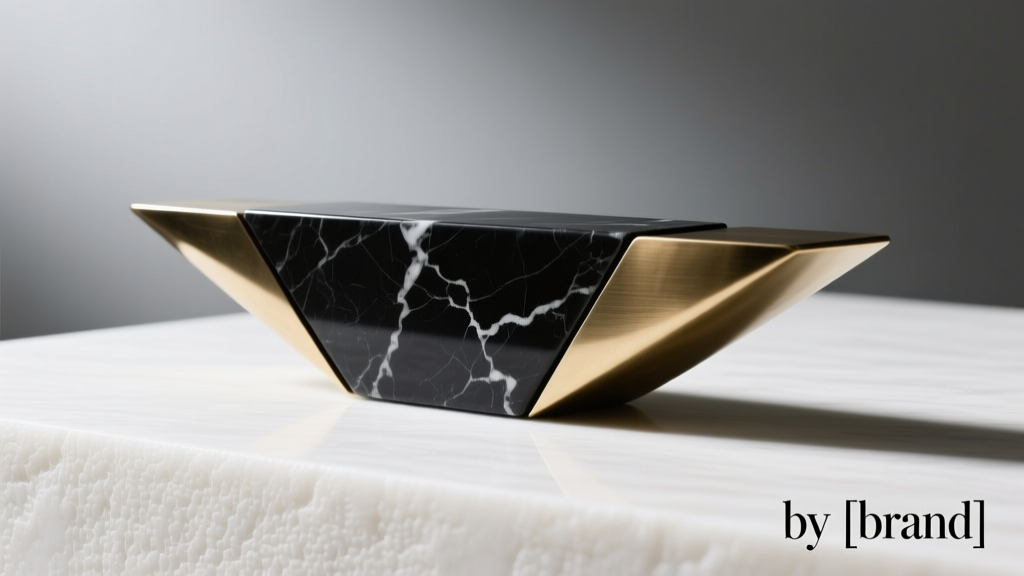
Types of Metal Tee Markers
Metal tee markers are essential tools on any golf course, used to designate the official teeing area for each hole. These durable markers not only define boundaries in accordance with the R&A and USGA Rules of Golf, but also contribute to course aesthetics, player orientation, and consistent play. Available in a variety of designs and functionalities, metal tee markers help maintain fairness and organization across different skill levels and course conditions.
Traditional Tee Markers
These classic markers are placed at the center of the teeing ground and define the maximum forward limit allowed for play on a given hole. Typically low-profile and flush with the ground, they comply with official golf regulations and are widely used on standard 18-hole courses.
Advantages
- Compliant with official golf rules
- Simple, unobtrusive design
- Durable in regular course conditions
- Easy to maintain and replace
Limitations
- Limited visibility in tall grass or shadows
- No height adjustment for different tee boxes
- Less decorative or customizable
Best for: Regulation courses, tournament play, beginner-friendly layouts
Adjustable Tee Markers
Designed with telescoping or sliding mechanisms, these markers can be raised or lowered to accommodate seasonal tee box rotations or multi-level course setups. Their adaptability makes them ideal for dynamic course management.
Advantages
- Height-adjustable for seasonal use
- Supports multiple tee positions
- Reduces wear on turf by rotating usage
- Great for driving ranges and academies
Limitations
- More complex installation
- Higher initial cost
- Potential for mechanical wear over time
Best for: Practice facilities, resort courses, multi-season layouts
Inverted Cone Design
Featuring a wide top and narrow base, this design maximizes visibility from all angles while minimizing the risk of tripping or accidental contact. The aerodynamic shape resists tipping and stands out clearly against grass and sand.
Advantages
- Highly visible from a distance
- Low tripping hazard due to tapered base
- Stable in windy conditions
- Modern, sleek appearance
Limitations
- May require anchoring in soft ground
- Less traditional aesthetic
- Can be harder to store or transport
Best for: Busy public courses, walking paths, safety-conscious layouts
Screw-In Tee Markers
Equipped with a threaded or pointed base, these markers screw directly into the ground for superior stability. Ideal for coastal or exposed courses where wind and foot traffic pose a risk to loose markers.
Advantages
- Extremely secure and wind-resistant
- Difficult to displace accidentally
- Long-lasting placement with minimal maintenance
- Ideal for high-traffic areas
Limitations
- Requires effort to install/remove
- Potential for ground compaction over time
- Not ideal for frequent repositioning
Best for: Windy coastal courses, tournament setups, permanent tee boxes
Directional Tee Markers
These markers include arrows or engraved indicators that guide players toward the ideal line of play, hazard locations, or the flag position. Particularly useful on dogleg holes or complex fairways where alignment is critical.
Advantages
- Improves player orientation
- Helps beginners and visitors navigate confidently
- Reduces confusion during peak hours
- Can double as course branding or signage
Limitations
- Direction may become outdated after course changes
- More complex design increases cost
- Requires accurate alignment during installation
Best for: Complex holes, beginner courses, resort-style layouts
Thematic Tee Markers
Custom-designed markers that reflect a course’s theme, local wildlife, holidays, or special events. Often sculpted into shapes like animals, golf legends, or landmarks, they add character and fun to the golfing experience.
Advantages
- Enhances course identity and branding
- Engages players with unique visuals
- Great for promotional events or mini-golf
- Memorable for guests and social media sharing
Limitations
- Higher cost due to custom fabrication
- May not conform to traditional course standards
- Potentially distracting if overused
Best for: Themed courses, mini-golf, charity events, family-friendly venues
| Type | Visibility | Durability | Functionality | Ideal Use Case |
|---|---|---|---|---|
| Traditional | Good | Very Good | Basic | Regulation golf courses, official play |
| Adjustable | Good | Good | High | Driving ranges, seasonal tee changes |
| Inverted Cone | Excellent | Good | Medium | High-traffic areas, safety-focused courses |
| Screw-In | Good | Excellent | High | Windy regions, permanent placements |
| Directional | Very Good | Good | Very High | Complex holes, beginner assistance |
| Thematic | Excellent | Fair | Low-Medium | Entertainment-focused venues, events |
Expert Tip: For optimal performance and longevity, pair screw-in or adjustable markers with weather-resistant metal finishes like stainless steel or powder-coated aluminum—especially in humid or coastal environments where corrosion is a concern.
Coating Applications in Metal Tee Markers
The coating applied to metal tee markers plays a critical role beyond mere aesthetics. It provides essential protection against environmental factors such as moisture, UV exposure, and physical wear, while also enhancing visibility and identification on golf courses. Different coating technologies offer varying degrees of durability, visual appeal, and cost-effectiveness. Selecting the right coating depends on the intended use, location, maintenance expectations, and budget. Below is an in-depth analysis of the most common coating methods used in metal tee markers.
Types of Coatings and Their Benefits
Plastic Coating (Thermoplastic Deposition)
One of the most widely used protective finishes for metal tee markers, plastic coating is typically applied using a process known as thermoplastic deposition. In this method, preheated metal markers are dipped into molten plastic, forming a thick, resilient layer that bonds tightly to the surface.
This coating acts as a durable barrier against impacts, scratches, and corrosion. It is naturally waterproof, making it ideal for outdoor environments exposed to rain, snow, and humidity. Plastic-coated markers are available in a broad spectrum of colors, allowing for easy color-coding by tee level (e.g., red for beginner, white for intermediate, black for championship).
Due to its cost-effective production and long service life, plastic coating is a popular choice for municipal and public golf courses seeking reliable, low-maintenance signage.
Powder Coating
Powder coating is a highly durable and aesthetically versatile option that involves applying a dry polymer powder electrostatically to the metal surface, followed by curing under heat in an oven. This process creates a uniform, hard finish that is tougher than conventional paint.
The resulting coating offers excellent resistance to chipping, fading, scratching, and weathering—making it ideal for tee markers in high-traffic or harsh climates. Unlike plastic coatings, powder coating allows for a wider range of textures and finishes, including matte, satin, gloss, hammered, and wrinkled effects.
Available in virtually any color (including custom RAL or Pantone matches), powder coating is favored by private clubs and resort courses aiming for a sleek, professional appearance with long-term durability.
Electroplating
Electroplating is a precision electrochemical process that deposits a thin layer of metal—such as zinc, chrome, or nickel—onto the surface of the tee marker. This not only enhances corrosion resistance but also improves surface hardness and gives a polished, reflective finish.
Zinc plating (galvanization) is particularly effective for rust prevention and is often used as a base layer before additional coatings. Chrome and nickel plating provide a bright, mirror-like appearance that adds a touch of elegance, making them suitable for upscale golf facilities.
While electroplated markers are more expensive and may require protective topcoats in extreme conditions, they are valued for their longevity and premium look, especially when combined with engraved or etched details.
Vinyl Wraps
Vinyl wraps are thin, adhesive-backed polymer films that can be easily applied over pre-finished metal markers. They offer unmatched design flexibility, supporting full-color graphics, photographic images, logos, and even seasonal themes (e.g., holiday designs or tournament branding).
Installation is quick and does not require specialized equipment, making vinyl wraps ideal for temporary installations, promotional events, or short-term course renovations. However, they are less durable than permanent coatings and may degrade under prolonged UV exposure or physical abrasion.
Despite their limited lifespan, vinyl wraps are a cost-effective solution for customization without altering the base marker, and they can be replaced as needed with minimal effort.
Metallic Coatings (e.g., Gold, Silver, Copper)
For high-end golf courses seeking a luxurious aesthetic, metallic coatings such as gold, silver, or copper are applied through vacuum metallization, sputtering, or leafing techniques. These coatings create a rich, lustrous finish that conveys prestige and exclusivity.
Often used in private country clubs or signature holes on championship courses, metallic finishes enhance the visual appeal of tee markers and complement surrounding landscape architecture. While primarily decorative, these coatings are typically sealed with a clear protective topcoat to prevent tarnishing and wear.
Due to their high cost and maintenance requirements, metallic coatings are generally reserved for accent markers or special editions rather than standard course signage.
Anti-Graffiti Coatings
Anti-graffiti coatings are clear, protective layers applied over finished tee markers to prevent permanent damage from vandalism. These coatings form a non-porous barrier that repels paint, ink, and adhesives, allowing graffiti to be easily removed with mild solvents or pressure washing without harming the underlying surface.
Available in both sacrificial (removable and reapplicable) and permanent (semi-permanent) formulations, anti-graffiti coatings are especially valuable in urban or publicly accessible courses prone to tagging. They are compatible with most base coatings, including powder coat and electroplating.
By reducing maintenance costs and preserving the appearance of tee markers, anti-graffiti treatments offer a smart investment for course managers concerned with long-term upkeep and aesthetics.
| Coating Type | Durability | Aesthetic Options | Best Use Case | Cost Level |
|---|---|---|---|---|
| Plastic Coating | High | Wide color range, solid finishes | Public courses, high-traffic areas | Low |
| Powder Coating | Very High | Full color, matte/gloss textures | Private clubs, all-weather durability | Medium |
| Electroplating | High (with topcoat) | Shiny, reflective metallic finish | Premium designs, corrosion resistance | Medium-High |
| Vinyl Wraps | Low-Medium | Photographic quality, full customization | Seasonal, promotional, temporary use | Low |
| Metallic Coatings | Medium (requires sealing) | Luxurious gold, silver, copper finishes | High-end clubs, signature holes | High |
| Anti-Graffiti Coating | High (protective overlay) | Clear, preserves base appearance | Urban courses, vandalism-prone areas | Low-Medium |
Choosing the Right Coating
Important: Always ensure proper surface preparation before applying any coating. Contaminants like oil, rust, or old paint can compromise adhesion and lead to premature failure. Additionally, consult with coating specialists to select compatible systems—especially when combining processes like electroplating followed by clear topcoats or anti-graffiti layers. Proper selection and application not only extend the life of your tee markers but also enhance the overall experience for golfers.
Product Specifications and Features of Metal Tee Markers
Metal tee markers are essential components of any well-maintained golf course, providing clear, durable, and visually appealing indicators for tee box boundaries. Designed to withstand outdoor elements while enhancing course aesthetics, these markers combine functionality with long-term reliability. Below is a comprehensive breakdown of their technical specifications, materials, installation practices, and maintenance requirements.
Material Quality & Durability
Metal golf tee markers are typically manufactured from six high-grade metals: stainless steel, bronze, aluminum, copper, brass, and zinc alloy. Each material offers unique advantages tailored to different environmental and aesthetic needs:
- Stainless Steel: Resists corrosion, ideal for coastal or high-moisture environments; maintains shine with minimal upkeep
- Bronze & Copper: Develop a natural patina over time, offering a classic, aged appearance; excellent for heritage or premium courses
- Aluminum: Lightweight yet strong; resistant to rust and easy to install; cost-effective for large-scale applications
- Brass: Offers a golden luster; often used for championship or signature holes
Key Benefit: All metals provide superior strength and weather resistance, ensuring longevity in outdoor conditions including rain, UV exposure, and temperature fluctuations.
Standard Size & Design
While customizable, standard metal tee markers are typically round with an average diameter of 8 inches and a depth of 5 inches. The height is generally at least 1 inch, allowing visibility without interfering with player stance or swing mechanics.
- Custom sizes available for specialty courses, resort branding, or junior/youth tees
- Low-profile design prevents tripping hazards and maintains course flow
- Can be manufactured in square, hexagonal, or logo-shaped variants for brand differentiation
Design Tip: Larger markers (9–10 inches) are recommended for courses with heavy foot traffic or wide tee boxes to improve visibility.
Weight & Stability
The inherent weight of metal ensures that tee markers remain securely in place under various conditions. Unlike plastic or lightweight alternatives, metal markers resist displacement from wind, foot traffic, or maintenance equipment.
- Average weight ranges from 3–8 lbs depending on material and size
- Stable base design prevents tipping or rotation during mowing or cleaning
- Compatible with anchoring systems (e.g., threaded rods, embedded posts) for permanent installation
Critical Insight: Proper weight distribution ensures markers stay fixed without damaging turf when installed correctly.
Finish & Aesthetic Customization
Metal tee markers enhance the visual identity of a golf course through customizable finishes and engravings:
- Finish Options: Brushed, polished, satin, mirror, or antiqued patina (especially for bronze and copper)
- Engraving: Hole number, course logo, sponsor branding, or commemorative text with precision laser or hand-carved detailing
- Color Inlays: Epoxy-filled engravings in club colors, team logos, or seasonal themes
Pro Tip: Reflective or metallic finishes catch sunlight, improving visibility during early morning or late afternoon play.
Placement Guidelines
Proper placement ensures clarity and consistency for players across all skill levels:
- Men’s Tees: Positioned within 2 club lengths from the front and sides of the tee box
- Women’s Tees: Placed within 1 club length from the front and sides
- Junior Tees: Located 1–2 club lengths forward of men’s tees and 1 club length from women’s tees
- Markers should align symmetrically and avoid high-traffic swing zones
Best Practice: Use a level during installation to ensure uniform height and orientation across all markers on the course.
Installation & Anchoring Methods
Secure installation prevents movement and extends product life:
- Markers can be mounted on fixed bases embedded in concrete or secured with ground stakes
- Threaded inserts allow for tool-free removal during turf renovation or winter storage
- Non-adjustable legs provide stability; avoid placing in areas prone to mower impact
- Ensure markers are flush with the ground surface to prevent tripping or turf damage
Expert Advice: Install markers during dry weather to allow proper settling and alignment.
Adjustments and Maintenance
With minimal care, metal tee markers can last decades while maintaining their appearance and function.
- Cleaning: Wash monthly with mild detergent and water; use soft cloths to preserve finish
- Stainless Steel & Aluminum: Require only wiping; resistant to oxidation
- Copper & Bronze: May develop patina; clean with specialized metal polish if original shine is desired
- Inspection Schedule: Check after storms, high winds, or seasonal changes for displacement or damage
- Replacement Criteria: Replace if engravings are illegible, structural integrity is compromised, or anchoring fails
Maintenance Tip: Keep a log of marker locations and installation dates to streamline inspections and replacements.
Professional Recommendation: For optimal performance and aesthetics, select stainless steel or bronze markers with laser-engraved numbering and club branding. These materials offer the best balance of durability, low maintenance, and visual appeal. Pair with concrete-reinforced bases for permanent installations on championship courses, or use stake-mounted versions for flexibility on public or municipal layouts.
| Material | Corrosion Resistance | Lifespan (Outdoor) | Maintenance Level | Best Use Case |
|---|---|---|---|---|
| Stainless Steel | Excellent | 15–25+ years | Low | Coastal courses, high-traffic areas |
| Bronze | Very Good (develops patina) | 20+ years | Medium | Premium, historic, or private clubs |
| Aluminum | Good | 10–15 years | Low | Budget-conscious or youth programs |
| Copper | Good (patina-forming) | 15–20 years | Medium | Signature holes, decorative accents |
How to Choose Metal Tee Markers: A Complete Buyer's Guide
Selecting the right metal tee markers is essential for both course functionality and branding. Whether you're managing a golf course, organizing a tournament, or customizing for a club, the right tee markers enhance player experience, ensure course clarity, and reinforce your brand identity. Unlike temporary or wooden alternatives, metal tee markers offer long-term durability and professional appearance. This guide explores the key factors to consider when choosing high-quality metal tee markers that meet both practical and aesthetic needs.
Pro Tip: Well-designed tee markers not only guide players but also serve as subtle branding tools—making your course instantly recognizable and memorable to visitors and members alike.
Key Factors to Consider When Choosing Metal Tee Markers
- Size and Visibility
Tee markers must be clearly visible from the teeing area to prevent confusion and ensure players start from the correct position. Optimal size typically ranges from 4 to 6 inches in diameter or height, depending on design. High-contrast colors (such as white, yellow, or red on a dark background) and bold shapes improve visibility under various lighting conditions—including early morning or overcast skies.
Consistency in size and placement across all tees helps maintain a uniform, professional appearance throughout the course. Standardized sizing also aids in quick recognition, reducing the chance of misplayed shots and improving pace of play.
- Customization Options
Metal tee markers offer excellent opportunities for personalization. Custom logos, course names, event dates, or club emblems can be engraved, stamped, or printed directly onto the surface. This customization strengthens brand identity and creates a sense of exclusivity for private clubs or special tournaments.
Popular customization methods include laser engraving, color fill, and powder-coated finishes. For example, a charity golf tournament might feature the sponsor’s logo alongside the event year, turning each tee marker into a keepsake and marketing tool.
- Stability and Mounting Design
Stability is critical—tee markers should remain firmly in place despite player movement, club swings, and adverse weather. Look for models with screw-in posts, weighted bases, or ground spikes that anchor securely into turf or artificial surfaces.
Screw-in designs are ideal for permanent installations, offering resistance to wind and accidental displacement. For temporary or multi-use setups, magnetic or weighted base options may be suitable. Always consider the terrain: sandy or loose soil may require deeper stakes, while concrete pads call for surface-mounted brackets.
- Material Quality and Durability
The longevity and appearance of tee markers depend heavily on the materials used. Premium options include:
- Stainless Steel: Highly resistant to rust and corrosion; ideal for coastal or high-moisture environments.
- Brass: Offers a classic, elegant finish and excellent durability; often used for premium or heritage courses.
- Aluminum: Lightweight, corrosion-resistant, and cost-effective; perfect for courses needing durable yet easy-to-install markers.
- Coated/Painted Metals: Provide vibrant colors and budget-friendly protection, though they may require maintenance over time.
Finish treatments like powder coating or anodizing further enhance weather resistance and color retention, ensuring markers look sharp for years.
- Price and Budget Considerations
Metal tee markers vary widely in price based on material, craftsmanship, and customization level. Standard aluminum or basic steel markers are typically more affordable and suitable for municipal or high-traffic courses. Custom-designed stainless steel or brass markers with intricate detailing command higher prices but offer superior aesthetics and longevity.
While initial costs may be higher than wooden alternatives, metal markers provide better long-term value due to their durability and reduced replacement frequency. Investing in quality metal markers also enhances the perceived professionalism and prestige of your course.
| Factor | Best Options | Lifespan | Ideal Use Case |
|---|---|---|---|
| Material | Stainless Steel, Brass, Aluminum | 5–15+ years | Premium courses, coastal regions |
| Customization | Laser engraving, color fill, logos | Permanent | Tournaments, private clubs |
| Mounting | Screw-in stake, weighted base | Durable with proper installation | All terrain types |
| Visibility | High-contrast colors, reflective finishes | Long-term with maintenance | Early morning play, low-light areas |
| Cost Range | $15–$75 per unit (custom up to $100+) | Depends on material and design | Budget to luxury installations |
Expert Tip: When ordering in bulk, request samples first to evaluate material quality, finish accuracy, and mounting ease. This ensures consistency and satisfaction before full deployment across your course.
Final Recommendations
- Choose materials based on your climate—stainless steel for humid or coastal areas, aluminum for general use.
- Prioritize visibility with bold colors and standardized sizing across all tees.
- Invest in customization to strengthen course identity and create memorable experiences.
- Ensure secure mounting to prevent displacement during play or storms.
- Balance upfront cost with long-term durability—quality metal markers reduce replacement and maintenance expenses over time.
Selecting the right metal tee markers goes beyond simple functionality—it’s an investment in your course’s image, usability, and longevity. By carefully evaluating size, material, stability, and customization, you can choose markers that serve players effectively while enhancing the overall aesthetic and professionalism of your facility. Whether for daily play or special events, well-chosen metal tee markers make a lasting impression.
Frequently Asked Questions About Metal Golf Tee Markers
Q1. What materials are metal tee markers made from, and what are their benefits?Metal tee markers are typically crafted from high-quality, weather-resistant metals such as stainless steel, bronze, copper, and aluminum. Each material offers distinct advantages that make them ideal for long-term outdoor use on golf courses:
- Stainless Steel: Highly resistant to rust and corrosion, maintains a polished appearance, and withstands heavy foot traffic and harsh weather conditions.
- Bronze: Develops a natural patina over time that protects the surface while adding a classic, elegant look. Durable and resistant to wear and impact.
- Copper: Offers a distinctive warm tone and also forms a protective patina. Often used for premium or vintage-style courses seeking an aesthetic upgrade.
- Aluminum: Lightweight yet strong, aluminum is cost-effective and doesn’t rust. Ideal for courses that frequently rotate tee positions due to its ease of handling.
These materials ensure that tee markers remain functional and visually clear for years, even under extreme conditions like heavy rain, prolonged UV exposure, and strong winds. Their weight provides stability—resisting displacement from wind or accidental kicks—while still allowing groundskeepers to reposition them as needed for different tee setups.
Q2. How often do tee markers need to be replaced?The lifespan of metal tee markers varies by material and environmental exposure, but most high-quality markers last many years with minimal degradation. Replacement is typically only necessary under specific circumstances:
- Bronze & Copper Markers: These develop a natural greenish-blue patina over time, which protects the metal. However, if the patina becomes excessively thick or uneven, obscuring engravings or branding, refinishing or replacement may be warranted.
- Stainless Steel & Aluminum Markers: These retain their original finish longer. Replacement is recommended when surface engravings begin to fade due to abrasion or weathering, compromising visibility for players.
- Physical Damage: Dents, deep scratches, warping, or broken edges can affect both safety and appearance, signaling the need for replacement.
With proper care, most metal tee markers can last 5–10 years or more. Regular inspection during course maintenance helps determine when replacement is needed to maintain course standards and player experience.
Q3. Can tee markers be customized?Yes, metal tee markers can be fully customized to reflect a golf course’s identity and enhance the player experience. Customization options include:
- Engraved Logos: Club crests, course names, or tournament branding can be precision-engraved for a professional appearance.
- Numbering & Color Coding: Markers can be labeled with yardages (e.g., “Red – 450”) and color-matched to corresponding tee boxes (red, white, blue, black, gold) for easy identification.
- Finish & Texture: Options such as brushed, polished, or antiqued finishes allow for stylistic alignment with course architecture.
- Special Editions: Limited-run markers for tournaments, anniversaries, or member events add collectible value and prestige.
Custom tee markers not only improve functionality by clearly defining tee areas but also strengthen brand recognition and contribute to a cohesive, professional course aesthetic.
Q4. Do metal tee markers require a lot of maintenance?No, one of the key advantages of metal tee markers is their low maintenance requirement. Unlike wooden or plastic alternatives, metal markers resist rot, fading, and cracking. Basic upkeep is simple and infrequent:
- Cleaning: A periodic wipe-down with mild soap and water removes dirt, grass stains, and fingerprints, restoring shine and readability.
- Patina Management: For copper and bronze markers, applying a specialized patina solution or copper cleaner can preserve or enhance the desired finish, preventing excessive oxidation.
- Inspection: A quick visual check during routine course maintenance ensures markers are secure, legible, and undamaged.
Because of their durability and minimal care needs, metal tee markers are a cost-effective, long-term investment for golf course management, reducing labor and replacement costs over time.
Q5. How do metal tee markers contribute to golf tournaments?Metal tee markers play a critical role in official golf tournaments by ensuring compliance with regulations set by governing bodies such as the USGA (United States Golf Association) and PGA (Professional Golfers’ Association). Their contributions include:
- Regulatory Compliance: Official rules define the teeing area as the space between and up to two club lengths in front of the markers. Metal markers provide a precise, unambiguous boundary that referees and players can rely on.
- Consistency & Fairness: Durable metal markers remain in place during play, preventing accidental displacement that could lead to disputes or rule violations.
- Professional Presentation: High-quality, engraved markers enhance the visual appeal of tournament setups, reflecting the event’s prestige and attention to detail.
- Branding & Sponsorship: Custom markers can display tournament logos, sponsors, or special insignias, integrating seamlessly into event marketing and media coverage.
In both amateur and professional settings, metal tee markers support accurate, fair, and visually consistent play—making them an essential component of any well-managed golf course or competition.









