Foot pain is one of the most common complaints among runners, affecting everything from stride efficiency to long-term joint health. While training habits and biomechanics play a role, footwear choices are often the deciding factor in whether a run ends in comfort or agony. Among the many design elements in modern running shoes, two stand out: upper construction (typically mesh) and midsole composition (usually foam). But when it comes to reducing foot pain, which matters more—mesh or foam?
The answer isn’t as simple as choosing one over the other. Instead, it lies in understanding how each component influences pressure distribution, breathability, fit, and shock absorption. This article breaks down the science and practical impact of mesh versus foam in running shoes, offering clear guidance for those seeking relief from plantar fasciitis, metatarsalgia, heel pain, or general fatigue.
The Role of Mesh: Breathability, Fit, and Friction Control
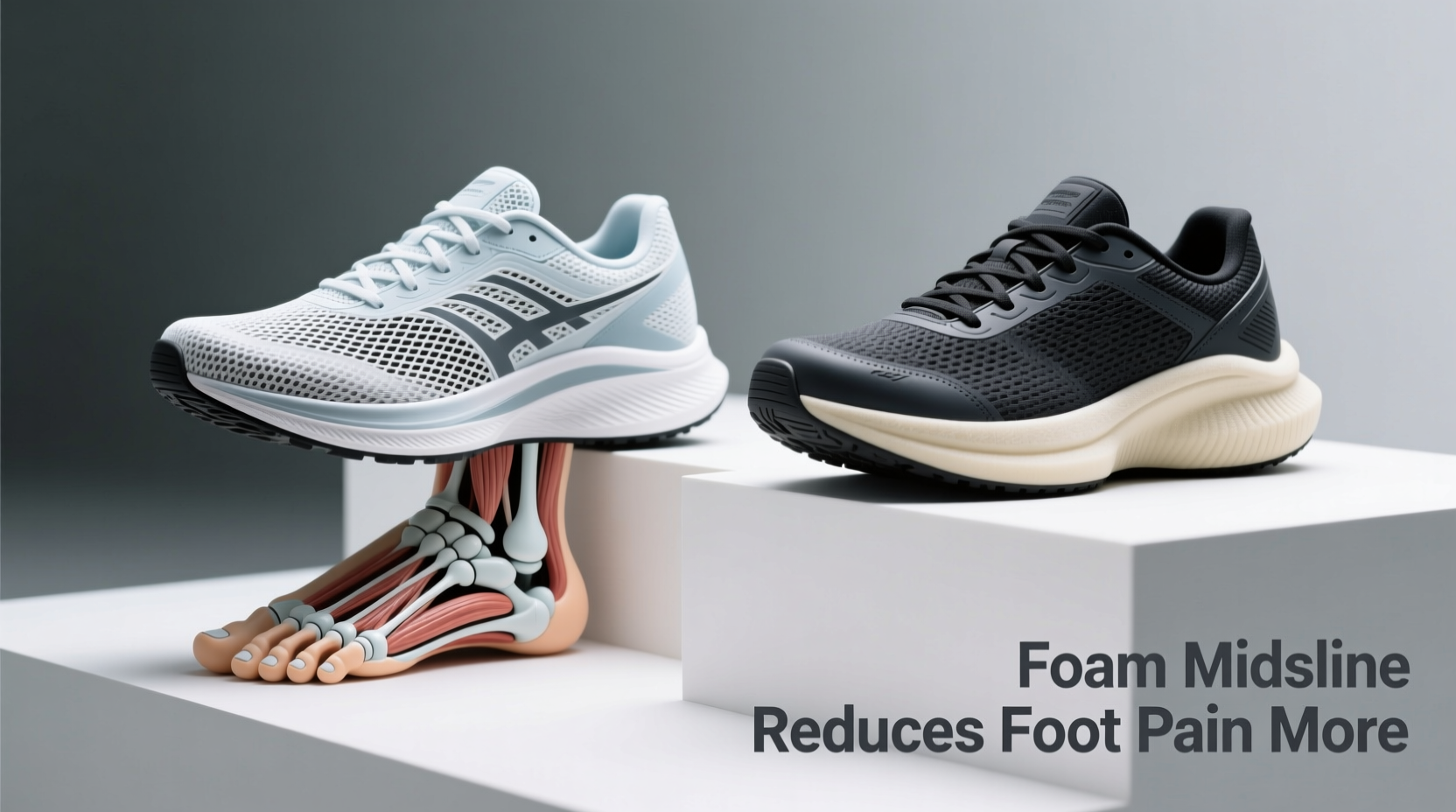
Mechanically, the upper part of a running shoe—most commonly made from engineered mesh—doesn’t absorb impact. However, its influence on foot health is profound. Mesh affects temperature regulation, moisture management, and how securely your foot sits inside the shoe. Poor ventilation can lead to swelling, blisters, and increased friction, all of which contribute to foot pain over time.
Modern performance mesh is designed to be lightweight, stretchable, and highly breathable. It allows air to circulate around the foot, reducing heat buildup during long runs. This is especially important for runners prone to hot spots or who train in humid climates. Additionally, advanced mesh uppers often feature zoned reinforcement—tighter weave in high-stress areas like the heel counter, looser in the forefoot—to improve structure without sacrificing flexibility.
Tip: If you experience toe jamming or lateral foot rubbing, consider trying a shoe with seamless mesh or adaptive fit zones to reduce localized pressure.However, mesh alone cannot correct mechanical misalignment or provide arch support. A poorly cushioned midsole paired with an excellent mesh upper may still result in heel bruising or plantar strain. Conversely, a well-ventilated shoe that fits snugly thanks to precision mesh engineering can prevent micro-movements that lead to nerve irritation or callus formation.
The Power of Foam: Cushioning, Responsiveness, and Impact Absorption
If mesh governs fit and airflow, foam governs force. The midsole—the thick layer between your foot and the ground—is almost always made from some form of ethylene-vinyl acetate (EVA), polyurethane (PU), or proprietary compounds like Nike React, Adidas Boost, or Puma Nitro. These foams vary in density, rebound, and durability, directly influencing how much stress your feet endure with every step.
High-resilience foams compress upon impact and return energy during toe-off, effectively reducing the load transmitted through the plantar fascia, Achilles tendon, and metatarsal heads. For runners with chronic foot pain, this dampening effect can mean the difference between finishing strong and limping home.
A 2021 study published in *Gait & Posture* found that runners using shoes with softer, thicker foam midsoles experienced up to 18% lower peak plantar pressure compared to traditional firmer models. This suggests that foam selection has a measurable impact on pain reduction, particularly in individuals with flat feet or high arches who lack natural shock absorption.
“Midsole foam isn’t just about comfort—it’s a critical component in injury prevention. Softer, resilient foams can significantly reduce repetitive stress on weight-bearing structures.” — Dr. Lena Torres, Sports Podiatrist and Biomechanics Researcher
Yet, not all soft foams are equal. Some degrade quickly, losing their protective qualities after 150–200 miles. Others, while durable, may feel too stiff for sensitive feet. The ideal foam balances compliance with longevity, adapting to individual gait patterns rather than imposing a one-size-fits-all response.
Direct Comparison: Mesh vs Foam in Pain Reduction
To understand which element contributes more to foot pain relief, consider how each addresses specific causes of discomfort:
| Factor | Influenced by Mesh | Influenced by Foam |
|---|---|---|
| Heat and Sweat Buildup | High – Breathable mesh prevents overheating | Low – Minimal direct effect |
| Friction and Blisters | High – Seamless mesh reduces rubbing | Medium – Proper fit helps, but indirect |
| Plantar Pressure | Low – Only if upper restricts movement | High – Foam directly absorbs impact |
| Arch Support & Stability | Low – Unless integrated with internal shank | High – Foam geometry affects pronation control |
| Long-Term Joint Stress | Indirect – Via improved circulation and fit | High – Directly reduces kinetic chain loading |
From this analysis, foam clearly plays a dominant role in mitigating the primary mechanical drivers of foot pain—impact forces and pressure concentration. Mesh, while essential for comfort and preventing secondary issues like blisters or inflammation from heat, does not substitute for proper cushioning.
When Mesh Matters Most
Certain conditions make mesh a priority. Runners with neuropathy, diabetes, or poor circulation benefit greatly from ultra-breathable uppers that minimize skin breakdown. Similarly, trail runners navigating uneven terrain need secure, adaptive mesh that holds the foot in place without constricting blood flow.
When Foam Is Non-Negotiable
For those recovering from plantar fasciitis, heel spurs, or metatarsal stress fractures, foam quality is paramount. A responsive, thick midsole can offload painful areas by distributing pressure more evenly across the sole. Shoes like Hoka Bondi (maximalist EVA) or Brooks Glyceride (DNA Loft v3) exemplify how advanced foam technology prioritizes pain reduction over speed or agility.
Real-World Example: Sarah’s Recovery from Plantar Fasciitis
Sarah, a 38-year-old recreational runner, began experiencing sharp morning heel pain after increasing her weekly mileage. She initially blamed tight calves and tried stretching routines and night splints—with limited success. Her physical therapist reviewed her footwear: a pair of lightweight racing flats with minimal foam and tightly woven mesh.
She switched to a stability shoe featuring a dual-density foam midsole and engineered mesh upper. Within three weeks, her pain decreased significantly. What made the difference? Not just the added cushioning, but the combination: the foam reduced impact on her inflamed fascia, while the breathable mesh prevented swelling during longer walks used in her rehab protocol.
This case illustrates that while foam was the primary intervention, mesh supported recovery by maintaining a healthy microclimate inside the shoe. Neither worked alone.
Action Plan: Choosing the Right Shoe for Foot Pain Relief
Selecting the optimal balance between mesh and foam requires assessing both your symptoms and running environment. Follow this step-by-step guide to make an informed decision:
- Identify Your Pain Pattern: Is it heel-based (suggesting plantar fasciitis), ball-of-foot focused (metatarsalgia), or generalized fatigue? Localized pain often responds better to targeted cushioning.
- Assess Your Running Surface: Pavement and concrete demand more foam protection; trails require secure mesh fit to prevent slippage.
- Check Midsole Thickness: Look for stack height of at least 30mm in the heel for maximum shock absorption.
- Evaluate Upper Construction: Prioritize seamless, gusseted tongues and no-sew overlays if you’re prone to blisters or pressure points.
- Test Compression Recovery: Press your thumb into the midsole. High-quality foam should slowly rebound, indicating resilience.
- Replace Regularly: Even the best foam degrades. Replace running shoes every 300–500 miles to maintain protective benefits.
Checklist: Features to Look for in Pain-Reducing Running Shoes
- ✔ Thick, soft midsole with high energy return (e.g., PEBA or TPU-based foams)
- ✔ Engineered mesh upper with strategic ventilation zones
- ✔ Heel counter for rearfoot stability without tightness
- ✔ Wide toe box to prevent nerve compression (especially for bunions or neuromas)
- ✔ Removable insole for custom orthotic compatibility
- ✔ Smooth interior lining to eliminate seam friction
- ✔ Moderate to high offset (8–10mm drop) to reduce Achilles strain
Frequently Asked Questions
Can a breathable mesh shoe cause foot pain even with good foam?
Yes. If the mesh lacks structural integrity, your foot may shift excessively inside the shoe, leading to tendon strain or hotspots. Breathability must be balanced with containment.
Do carbon-plated shoes help with foot pain?
Generally, no. While they enhance propulsion, most are designed for speed, not cushioning. Their stiff plates can increase pressure on the forefoot, worsening pain for runners with existing conditions.
Is more foam always better for foot pain?
Not necessarily. Excessively thick midsoles can destabilize the foot, especially on uneven surfaces. The key is appropriate cushioning—not maximal padding—matched to your weight, gait, and terrain.
Conclusion: Prioritize Foam, Optimize with Mesh
When it comes to reducing foot pain, midsole foam is the heavier lifter. Its ability to absorb impact and distribute pressure directly influences the health of your plantar structures. That said, dismissing mesh would be a mistake. A poorly ventilated or ill-fitting upper can sabotage even the most advanced foam system by introducing friction, heat, and instability.
The smart approach is to prioritize shoes where both elements are thoughtfully engineered: responsive, durable foam paired with adaptive, breathable mesh. Look beyond marketing terms like “cloud-like” or “air-knit” and focus on measurable features—stack height, foam type, upper integration, and fit profile.
🚀 Ready to run pain-free? Audit your current shoes using the checklist above, then schedule a gait analysis at a specialty running store. Small changes in foam density or mesh design could transform your next mile.








