Baseball tees—those soft, retro-inspired shirts with raglan sleeves—are a staple in casual wardrobes. But if you've ever shopped for one, you’ve likely noticed a split: men’s and women’s versions. At first glance, they might look nearly identical. So, are these distinctions based on real functional and design differences, or are they simply a marketing tactic designed to segment the market? The answer isn’t as simple as yes or no. It lies somewhere in between—rooted in subtle but meaningful variations in cut, fabric, fit, and consumer expectations.
Fit and Cut: More Than Just Sizing
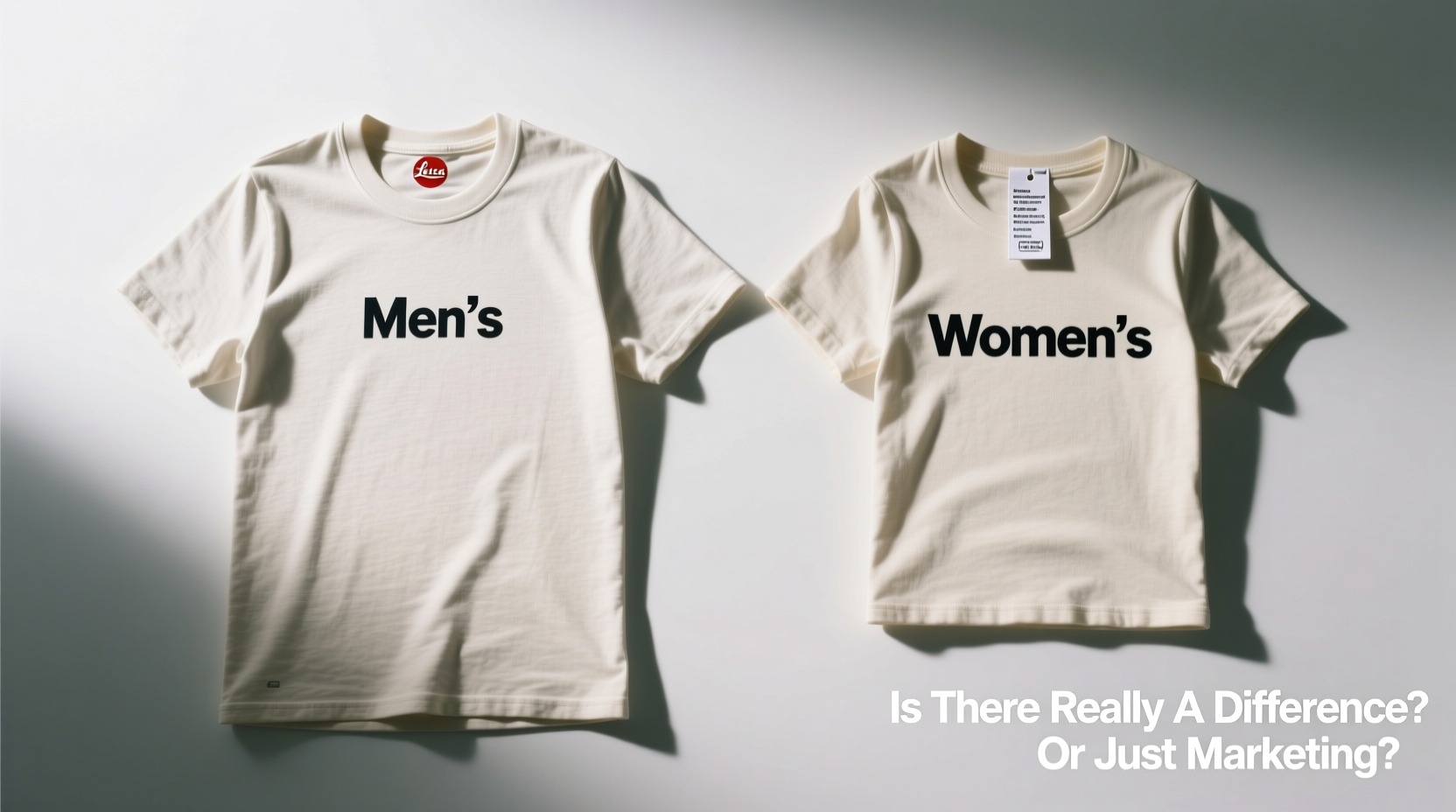
The most noticeable difference between men’s and women’s baseball tees is the cut. While both styles typically feature contrasting raglan sleeves and a classic crew neck, their silhouettes cater to different body shapes.
Men’s baseball tees are generally built with broader shoulders, a boxier chest, and a straighter hem. They’re designed to drape loosely over a more rectangular torso. In contrast, women’s versions often include side seams, slightly tapered waists, and sometimes shorter body lengths to accommodate an hourglass figure. Some brands even offer contoured side panels to enhance shaping without sacrificing comfort.
This isn’t just about aesthetics—it’s about wearability. A man wearing a women’s cut may find the shirt too tight across the chest or too short in the torso. Likewise, a woman in a men’s cut might feel the sleeves are too long or the fit too bulky through the waist.
Tip: If you prefer a looser fit, consider sizing up in the women’s version or trying unisex cuts that blend both designs.Fabric Composition and Weight
Another area where differences emerge is in fabric. While many baseball tees use cotton-polyester blends (often 60/40 or 50/50), manufacturers frequently adjust the weight and texture based on gendered lines.
Men’s tees tend to be made from heavier fabrics—ranging from 5.5 to 7 ounces per square yard—to support a more structured, durable appearance. Women’s versions often use lighter-weight materials (around 4.5 to 5.5 oz) for a softer, draping feel. This doesn’t mean one is higher quality; it reflects different priorities: durability and structure versus comfort and flow.
Additionally, some women’s tees incorporate rayon or modal blends for added softness and drape, especially in fashion-forward collections. Men’s lines rarely use these fibers, sticking closer to traditional cotton-poly mixes that hold up better to frequent washing and outdoor wear.
“Fit and fabric aren’t arbitrary—they respond to real feedback from wearers. Women consistently report preferring lighter, more form-fitting knits, while men prioritize longevity and coverage.” — Dana Reeves, Apparel Product Developer at Urban Thread Co.
Design Details That Matter
Beyond cut and fabric, design elements further distinguish the two categories. These include:
- Sleeve width: Women’s raglan sleeves are often narrower to reduce bulk on smaller frames.
- Neckline depth: Women’s tees may have slightly deeper or more curved necklines for a flattering look.
- Hem length: Women’s styles are commonly 1–2 inches shorter to suit layered looks or high-waisted bottoms.
- Color and print trends: Marketing heavily influences this—women’s options lean toward pastels, floral accents, or trendy slogans, while men’s focus on bold contrasts, vintage logos, or neutral tones.
It’s worth noting that these design choices often reflect outdated stereotypes rather than actual demand. Many consumers today reject rigid gender norms in clothing, fueling the rise of unisex and gender-neutral apparel lines.
Comparison Table: Key Differences Between Men’s and Women’s Baseball Tees
| Feature | Men’s Baseball Tee | Women’s Baseball Tee |
|---|---|---|
| Fit | Boxy, straight cut | Tapered waist, contoured |
| Fabric Weight | Heavier (5.5–7 oz) | Lighter (4.5–5.5 oz) |
| Shoulder Seam | Raglan, wider angle | Raglan, narrower angle |
| Body Length | Longer (27–30” avg) | Shorter (25–27” avg) |
| Common Blends | Cotton/polyester | Cotton/poly, cotton/rayon |
| Design Trends | Vintage, sporty, neutral | Floral, fitted, trendy colors |
Marketing Influence: Real Differences or Perceived Needs?
While measurable differences exist, marketing plays a significant role in amplifying them. Retailers often categorize products by gender not because of necessity, but because it simplifies inventory, pricing, and advertising strategies. For example, women’s baseball tees are frequently priced higher despite using less material—a phenomenon known as the \"pink tax.\"
Moreover, branding reinforces perceived needs. Ads show men in baseball tees at barbecues or watching sports, emphasizing ruggedness. Women are shown in lifestyle settings—brunch, travel, or casual outings—highlighting style and versatility. These narratives shape consumer expectations, making people believe they need different versions when a well-designed unisex option could suffice.
A growing number of brands are challenging this model. Companies like Pact, Everlane, and Wildfang now offer gender-neutral baseball tees that combine the best of both worlds: durable fabric, thoughtful tailoring, and inclusive sizing from XS to 3XL.
Mini Case Study: Alex Chooses Outside the Binary
Alex, a non-binary college student, struggled to find baseball tees that fit comfortably without feeling overly masculine or feminine. After years of modifying men’s tees or rolling up sleeves on oversized women’s styles, they discovered a unisex brand offering mid-weight fabric and a slightly tapered cut. “It finally felt like clothing was made for bodies, not genders,” Alex said. Their experience highlights a gap in the market—one increasingly filled by inclusive design.
How to Choose the Right Baseball Tee for You
Forget gender labels. Focus instead on what matters: how the shirt fits your body and lifestyle. Follow this checklist to make a confident choice:
- Measure your chest and shoulders: Compare these to the brand’s size chart, not the label “men’s” or “women’s.”
- Check fabric weight: Heavier = more durable; lighter = softer drape.
- Read reviews: Look for comments on fit accuracy, shrinkage, and sleeve length.
- Consider sleeve width: Raglan sleeves should sit comfortably on your shoulder, not dig in or hang off.
- Try unisex options: Many offer balanced cuts that flatter diverse body types.
- Evaluate return policies: Order from retailers that allow easy exchanges if sizing is off.
FAQ
Can men wear women’s baseball tees?
Absolutely. If the fit, length, and sleeve width work for your frame, go for it. Many men appreciate the softer fabric and slimmer sleeves of women’s cuts, especially for layering or warmer weather.
Are women’s baseball tees lower quality?
Not inherently. While they may use lighter fabric, this doesn’t equate to lower quality. It reflects different design goals. However, always check stitching, seam strength, and material composition to assess durability.
Why do women’s tees cost more than men’s?
This is often due to pricing bias, not production cost. Studies show identical garments labeled “for women” can carry a 5–10% premium. Always compare specs, not just labels.
Conclusion: Look Beyond the Label
The divide between men’s and women’s baseball tees is rooted in real design considerations—but amplified by marketing conventions that don’t always serve modern consumers. Fit, fabric, and function matter more than gendered tags. As shoppers become more informed and inclusive, the industry is slowly shifting toward flexible, body-positive options that prioritize wearability over outdated norms.
Your next baseball tee shouldn’t be chosen because it says “men’s” or “women’s” on the tag. It should be chosen because it feels comfortable, looks great, and lasts. Explore beyond the binary, try different cuts, and let your personal preference—not a label—guide your wardrobe.
🚀 Ready to rethink your basics? Share this guide with someone who’s tired of confusing sizing—and start building a closet that fits you, not the label.








