
A tactical coin pouch is often overlooked as a simple novelty or EDC (everyday carry) trinket. But in the backcountry, its compact design, durable construction, and secure closure make it one of the most versatile tools you can carry. Originally designed to hold challenge coins, these small metal or polymer containers are water-resistant, crush-proof, and easily attachable—qualities that translate perfectly to outdoor adventures. Whether you're trekking through alpine terrain or setting up camp in the woods, integrating a tactical coin pouch into your kit can solve real problems in surprisingly elegant ways.
Why Tactical Coin Pouches Belong in Your Pack
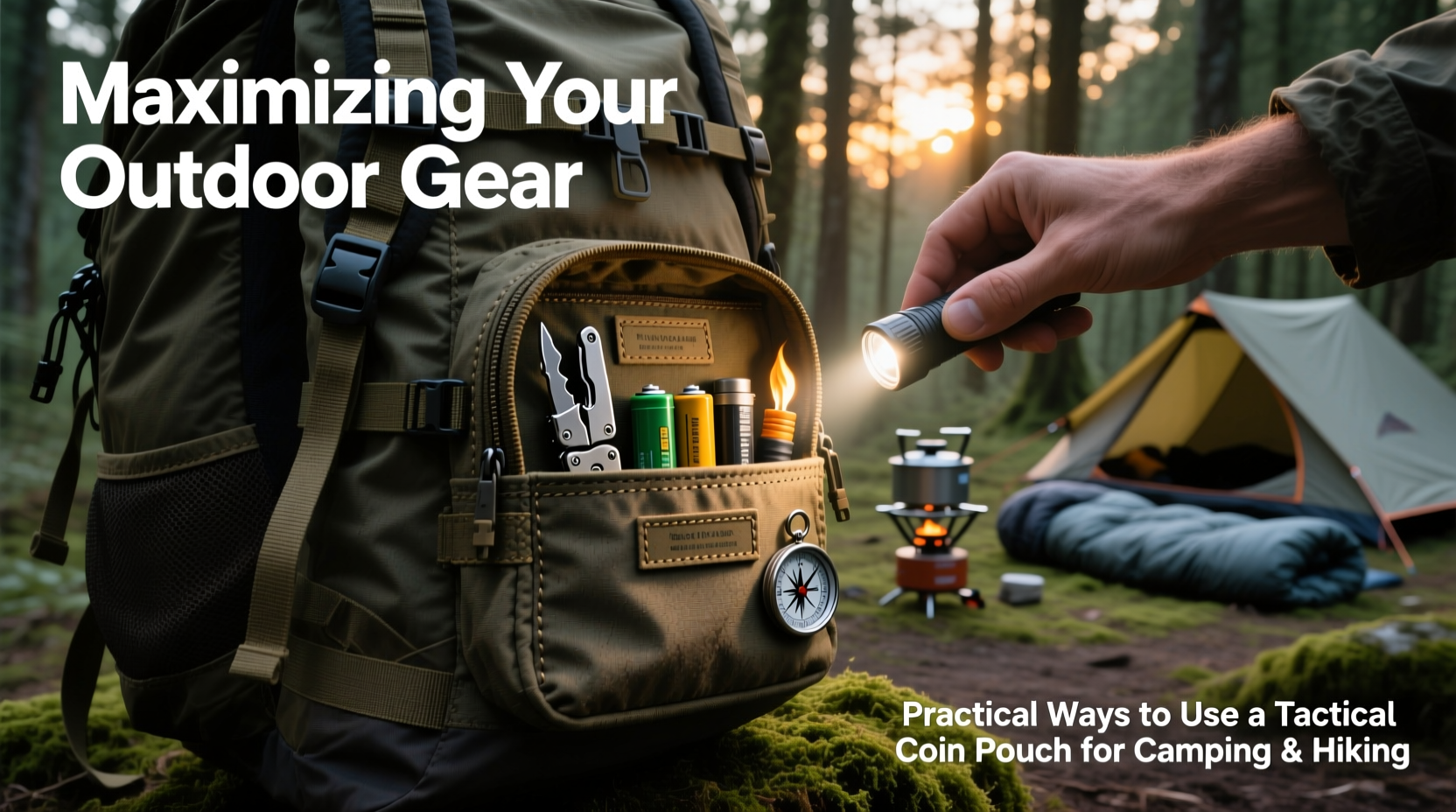
Tactical coin pouches typically measure between 1.5 to 2.5 inches in diameter and are built from aircraft-grade aluminum, stainless steel, or reinforced polymers. Their threaded or screw-top lids create a seal that resists moisture, dust, and impact. While marketed toward military personnel and first responders, their utility extends far beyond ceremonial purposes.
Hikers and campers face constant challenges: minimizing weight, protecting essential items, and organizing gear efficiently. A coin pouch weighs less than an ounce yet offers protection comparable to much bulkier containers. It fits in a pocket, clips onto a zipper pull, or attaches to a keychain—making it ideal for securing critical micro-gear without adding clutter.
“Small, rugged containers like coin pouches are force multipliers in the field. They protect high-value, low-mass items that could otherwise be lost or damaged.” — Captain Leah Tran, U.S. Army Veteran & Wilderness Survival Instructor
5 Practical Uses for a Tactical Coin Pouch Outdoors
1. Emergency Fire Starter Kit
Fire is essential for warmth, cooking, and signaling. Store a waterproof match strike strip, a few cotton balls soaked in petroleum jelly, and a magnesium rod shard inside your coin pouch. The metal body protects flammable materials from dampness, and the tight seal prevents accidental ignition.
Tip: Label your fire-starting pouch with a small red dot or tape so it’s instantly recognizable in an emergency.2. First-Aid Micro Supplies
Instead of carrying a full first-aid kit for short trips, pack only the essentials in your coin pouch: two adhesive bandages, antiseptic wipes (cut down to size), tweezers, and a single pain reliever tablet. This keeps life-saving items accessible without burdening your load.
3. Navigation Backup
Electronics fail. Batteries die. Keep a tiny paper compass, a micro topographic map snippet of your route, and a pencil lead segment in the pouch. These take up almost no space but provide redundancy when GPS devices go offline.
4. Repair Kit for Gear Failures
Trail repairs require precision tools. Use the pouch to store a nylon repair patch, safety pin, zip tie, and a small piece of sandpaper. If your backpack strap breaks or tent pole cracks, this mini toolkit gives you options until you return to base.
5. Secure Storage for Valuables
When swimming across a river or changing clothes at camp, secure small valuables like cash, ID, or medication in the pouch. Attach it to a lanyard and wear it around your neck, or sink it deep in your dry bag. Its non-buoyant metal body ensures it won’t float away if dropped in water.
Step-by-Step: Building Your Custom Coin Pouch Kit
Follow this sequence to assemble a purpose-built pouch tailored to your trip type:
- Define your mission: Day hike? Multi-night backpacking? Winter trek? Each demands different priorities.
- Select core components: Choose 3–5 lightweight, high-utility items based on environment and risk factors.
- Test fit: Place all items inside the pouch. Ensure the lid screws shut fully without pressure on contents.
- Label externally: Use colored tape or engraving to identify contents at a glance (e.g., red for fire, green for medical).
- Attach securely: Clip to your main zipper pull, internal pack loop, or belt via carabiner.
- Practice access: Open and retrieve items with gloves on or in low light to simulate real-world conditions.
Comparison: Coin Pouch vs. Alternatives
| Container Type | Weight | Water Resistance | Crush Protection | Cost |
|---|---|---|---|---|
| Tactical Coin Pouch | 0.5–1 oz | High (sealed threads) | Excellent (metal body) | $8–$18 |
| Plastic Film Canister | 0.3 oz | Moderate (snap lid leaks) | Poor (cracks under pressure) | $0–$3 (DIY) |
| Silicone Capsule | 0.4 oz | Good (flex seal) | Fair (flexible walls) | $10–$15 |
| Mini Altoids Tin | 1.2 oz | Low (gaps in lid) | Good (steel) | $2–$5 |
The data shows that while alternatives exist, the tactical coin pouch strikes the best balance between protection, durability, and environmental resistance—especially important in unpredictable wilderness conditions.
Real-World Example: Surviving a Sudden Storm in the Rockies
Daniel Rivera, a thru-hiker on the Continental Divide Trail, was caught in an unexpected thunderstorm at 11,000 feet. Soaked and shivering, he needed to start a fire quickly to avoid hypothermia. His lighter had failed, but he remembered the cotton balls and ferro rod stored in his coin pouch—attached to his backpack’s chest strap for quick access.
Despite heavy rain, the pouch remained watertight. Within minutes, he scraped sparks onto the petroleum-soaked tinder and built a small flame using dry bark from under a log. That fire warmed him long enough to pitch his tarp and wait out the storm. “I almost left the coin pouch behind,” he said later. “Now I’ll never hike without one.”
Do’s and Don’ts of Using a Tactical Coin Pouch
| Do | Don't |
|---|---|
| Use it for moisture-sensitive micro-items | Overfill it—this compromises the seal |
| Label contents clearly | Store sharp objects loosely (they can damage contents) |
| Attach it to frequently accessed zippers | Assume it's completely submersible (test before relying) |
| Rotate supplies seasonally (e.g., electrolytes in summer, hand warmers in winter) | Forget to inspect the O-ring gasket periodically |
Frequently Asked Questions
Can I carry a tactical coin pouch on a plane?
Yes. As long as it doesn’t contain prohibited items (like matches or sharp tools), a coin pouch is allowed in both carry-on and checked luggage. However, screeners may inspect it due to its metal composition.
How do I clean my coin pouch after extended use?
Rinse with fresh water if exposed to salt or mud. Dry thoroughly before resealing. For odors, place a small charcoal packet inside for 24 hours. Avoid dishwashers or boiling, which can degrade rubber seals.
Are all coin pouches waterproof?
No. Only models with silicone O-rings and threaded closures offer true water resistance. Check product specs before assuming protection. Always test by submerging in water before trusting it with sensitive gear.
Maximize Every Ounce You Carry
In outdoor pursuits, efficiency isn’t just convenient—it’s survival-critical. The tactical coin pouch exemplifies minimalist preparedness: a container smaller than a hockey puck that safeguards elements vital to safety and comfort. By repurposing it beyond its original intent, you gain a reliable, rugged solution for storing what matters most—without sacrificing space or peace of mind.
🚀 Ready to optimize your pack? Pick a coin pouch today, build your custom kit, and test it on your next trail. Share your setup in the comments—what will you store in yours?








