For athletes, weekend warriors, and fitness enthusiasts alike, the right gear can make or break an outdoor training session. While much attention is given to footwear, apparel, and equipment, one often overlooked tool is the single shoulder gym bag. Compact, mobile, and designed for quick access, this type of bag offers unmatched convenience—when used correctly. Yet, poor organization, improper weight distribution, and lack of maintenance can turn a helpful companion into a liability. This guide explores how to use a single shoulder gym bag strategically to enhance mobility, comfort, and efficiency during outdoor athletic activities.
Understanding the Role of a Single Shoulder Gym Bag in Sports
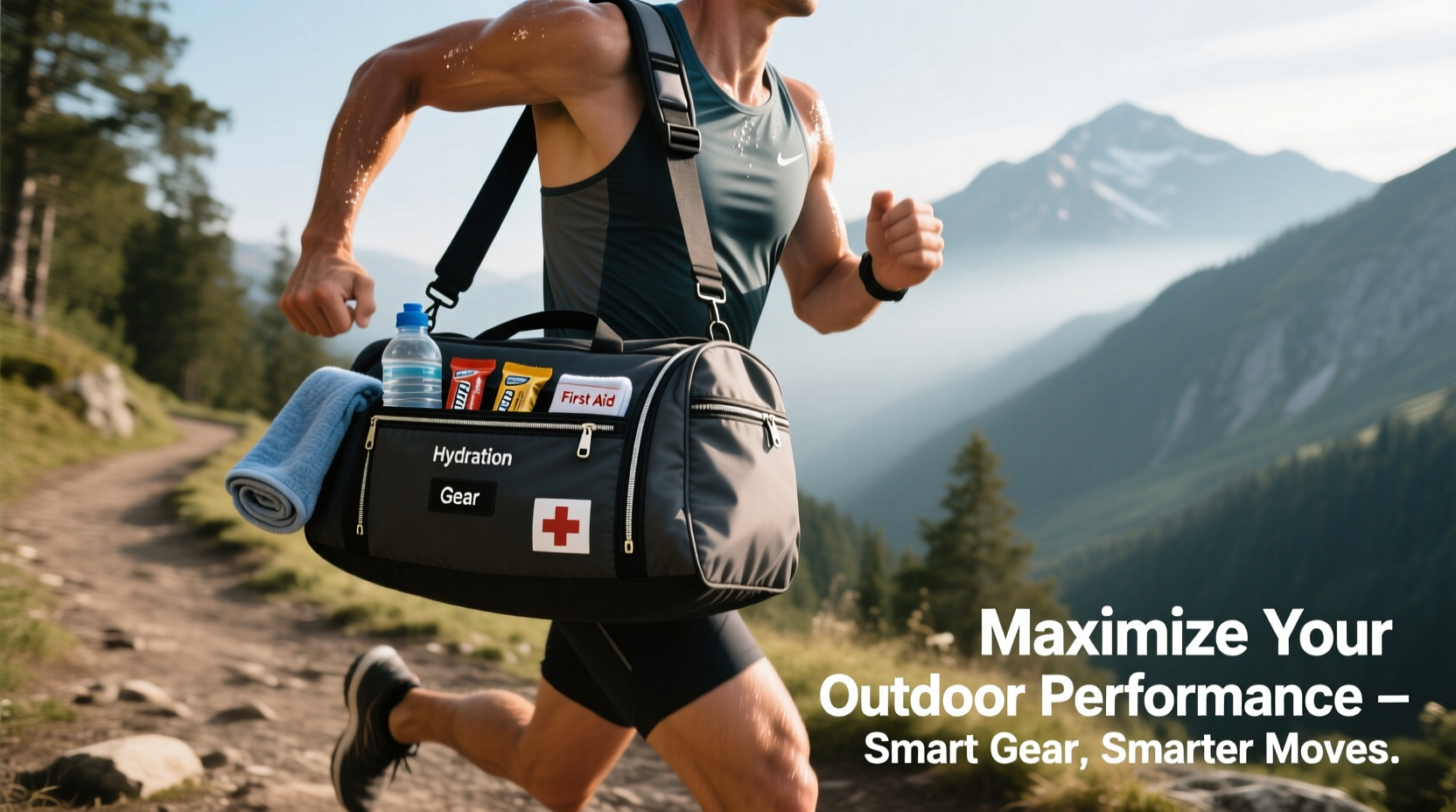
The single shoulder gym bag—commonly referred to as a duffel sling or crossbody athletic pack—is engineered for agility. Unlike bulky backpacks or two-strap carriers, it allows for rapid movement and easy access to essentials. It’s ideal for runners, cyclists, climbers, and team sport players who need to carry minimal but critical items: hydration, extra clothing, nutrition, first-aid supplies, or personal electronics.
Its design prioritizes speed and accessibility, but that doesn’t mean it should sacrifice functionality. When optimized, a single shoulder bag supports dynamic movement without compromising balance or posture. The key lies in intentional packing, ergonomic use, and routine maintenance.
Tip: Always wear the strap over your stronger shoulder to reduce strain during prolonged carry.Optimizing Weight Distribution and Ergonomics
One of the most common complaints about single shoulder bags is discomfort after extended use. This usually stems from uneven weight distribution. Carrying excess load on one side forces the spine to compensate, leading to muscle fatigue and postural imbalance.
To prevent this, follow these principles:
- Limit total weight to 10–15% of your body weight. For a 70kg athlete, that means no more than 7–10.5kg in the bag.
- Place heavier items closest to your back. Position water bottles, shoes, or resistance bands near the interior panel to stabilize the center of gravity.
- Use compression straps if available. These minimize shifting during motion and keep contents secure.
- Adjust the strap length so the bag rests at hip level. Too low causes dragging; too high restricts arm swing.
“Poorly distributed load in asymmetrical bags can lead to chronic shoulder and neck tension, especially in endurance athletes.” — Dr. Lena Torres, Sports Physiotherapist
Packing Smart: A Step-by-Step Guide
Efficient packing isn't just about fitting everything in—it's about enabling performance. Follow this sequence before every outing:
- Start with a clean, dry bag. Residual moisture breeds odor and degrades materials over time.
- Lay out all intended items. Categorize them by necessity: essential (e.g., phone, ID, medication), performance (e.g., gloves, tape), and optional (e.g., snacks, towel).
- Pack heaviest items first, centered and close to the back panel.
- Layer lighter, frequently used items near the top or in external pockets. Keep energy gels, sunscreen, or headphones within easy reach.
- Seal liquids in waterproof pouches. Even minor leaks can damage electronics or clothing.
- Double-check closure security. Ensure zippers are fully engaged and Velcro is fastened to prevent mid-run spills.
Mini Case Study: Trail Runner’s Morning Routine
Alex, a trail runner based in Colorado, used to abandon his single shoulder bag halfway through long runs due to discomfort and disorganization. After switching to a structured packing method—placing his 500ml hydration bladder against his back, securing keys in a magnetic chest pocket, and wrapping energy bars in foil to prevent crushing—he reported improved focus and zero mid-run adjustments. “It sounds minor,” he says, “but not having to stop and re-shoulder my bag saved nearly three minutes over a 15K route.”
Do’s and Don’ts: Quick Reference Table
| Do’s | Don’ts |
|---|---|
| Use separate compartments for wet and dry items | Overstuff the main compartment beyond capacity |
| Invest in modular inserts (e.g., mesh organizers) | Carry sharp objects loose in the bag |
| Wipe down interior weekly with disinfectant cloth | Leave sweaty clothes inside overnight |
| Rotate seasonal items monthly | Ignore frayed stitching or broken zippers |
| Test bag stability during a short walk before events | Wear the bag on uneven terrain without adjusting straps |
Maintenance and Longevity Tips
A well-maintained gym bag lasts longer and performs better. Sweat, dirt, UV exposure, and mechanical stress degrade even high-end materials over time. Extend your bag’s lifespan with these practices:
- After each use, empty all contents and air out the bag in a shaded, ventilated area.
- Clean fabric exteriors with mild soap and a soft brush. Avoid machine washing unless specified by the manufacturer.
- Inspect seams, stitching, and hardware monthly. Reinforce weak areas early.
- Store the bag upright in a cool, dry closet—not crammed under heavy objects.
Essential Checklist for Outdoor Athletes
Before heading out, verify your single shoulder gym bag includes the following:
- ✅ Hydration source (bottle or collapsible reservoir)
- ✅ Phone with emergency contacts saved
- ✅ ID and health insurance card (in sealed pouch)
- ✅ Lightweight towel or sweat cloth
- ✅ Energy snacks (bars, gels, or nuts)
- ✅ Sun protection (sunscreen, sunglasses)
- ✅ Basic first-aid items (bandages, antiseptic wipes)
- ✅ Extra layer (compact windbreaker or sleeveless vest)
- ✅ Key organizer or lockable carabiner
- ✅ Spare laces or grip tape if applicable
Frequently Asked Questions
Can I use a single shoulder gym bag for cycling?
Yes, provided it has a snug fit and doesn’t flap during pedaling. Choose models with anti-slip backing and avoid carrying items that could interfere with your pedal stroke. Some cyclists prefer smaller crossbody styles specifically designed for urban rides.
How do I prevent shoulder pain during long carries?
Distribute weight evenly, take breaks to switch shoulders when possible, and strengthen supporting muscles like the trapezius and rotator cuff through targeted exercises. Consider alternating between a single shoulder bag and a balanced backpack for longer excursions.
Is leather suitable for outdoor gym bags?
Leather is durable but less ideal for high-moisture environments. It absorbs sweat and rain, which can lead to mold and stiffness. Opt for water-resistant synthetics like ballistic nylon or recycled polyester for outdoor performance.
Conclusion: Elevate Your Game Through Smarter Carry
Your single shoulder gym bag is more than a container—it’s an extension of your athletic system. When packed thoughtfully, worn correctly, and maintained consistently, it enhances freedom of movement, reduces distractions, and supports peak outdoor performance. Whether you're sprinting across a field, scaling a rock face, or navigating city streets en route to a pickup game, the right approach to your gear makes a measurable difference.
🚀 Ready to optimize your setup? Reorganize your bag tonight using the checklist above, and feel the difference tomorrow morning. Share your favorite tip or ask a question in the comments—let’s build smarter routines together.








