A new baseball cap often comes with promise—style, protection from the sun, team pride—but also with stiffness, an awkward fit, and that unmistakable “brand-new” feel. The structured front panel resists shaping, the sweatband digs in slightly, and the crown sits higher than expected. This is where the process of breaking in a cap becomes essential. Unlike shoes or jackets, caps are rarely discussed in terms of break-in, yet they benefit just as much from thoughtful wear and conditioning. A well-broken-in cap conforms to your head, feels like a natural extension of your style, and delivers long-term comfort without sacrificing shape.
The Science Behind Cap Stiffness
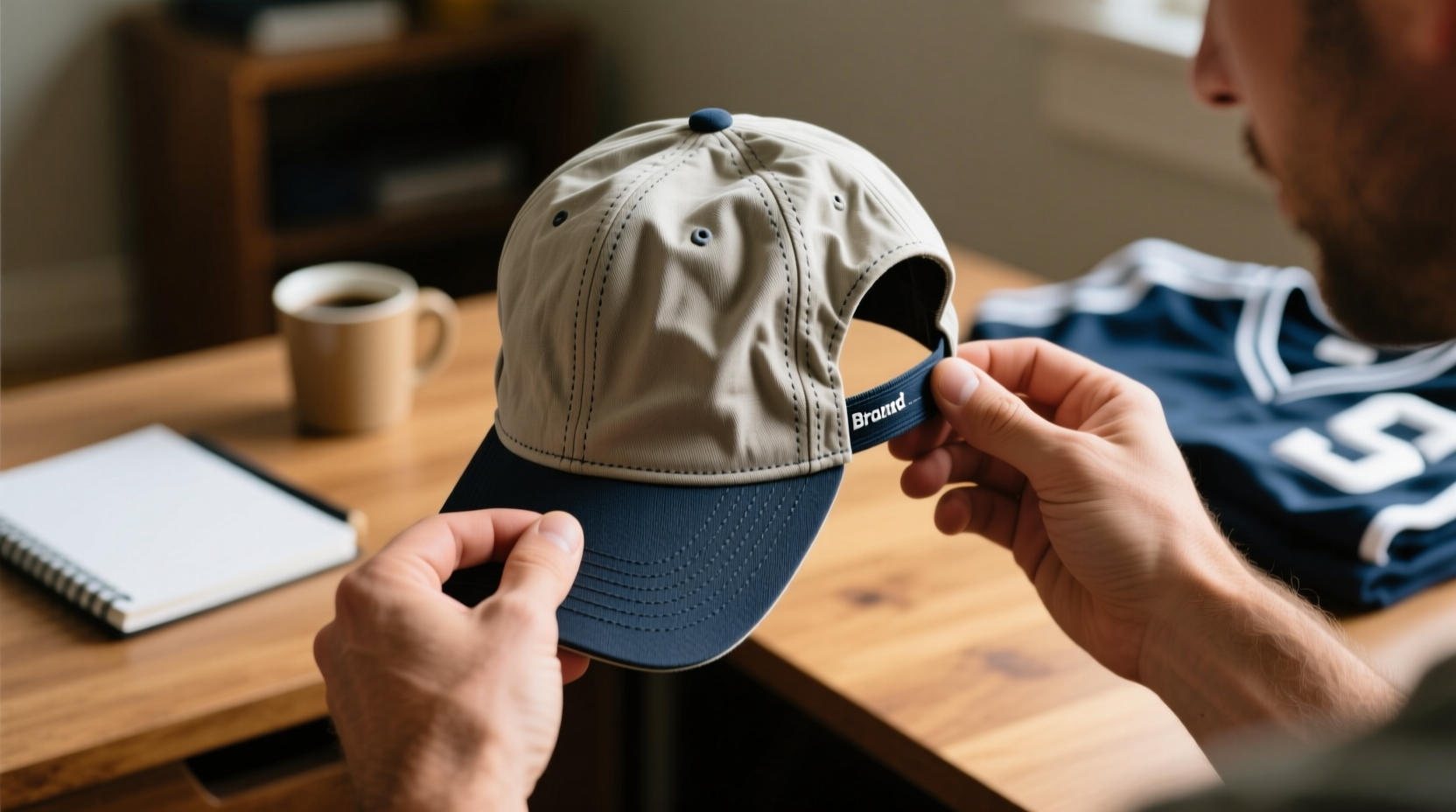
New baseball caps are designed to hold their shape during shipping and display, which means manufacturers use internal stiffeners—typically plastic or cardboard inserts—in the front panels (the \"brow\" or \"front closure\"). These materials prevent creasing but create rigidity. Additionally, fabrics like wool, cotton twill, or polyester blends start off tightly woven and chemically treated, contributing to initial discomfort.
Over time, body heat, moisture from sweat, and physical pressure reshape both fabric and structure. The goal of breaking in a cap isn’t to destroy its integrity but to accelerate this natural adaptation process while preserving durability and aesthetic appeal.
“Just like a glove or a pair of boots, a cap molds to the wearer. The best-fitting caps aren't bought—they're earned through consistent, intentional use.” — Marcus Lang, Headwear Designer at Summit Sportswear
Step-by-Step Guide to Breaking In Your Cap
Breaking in a cap doesn’t require special tools or expensive products. It does, however, benefit from a methodical approach. Follow this timeline for optimal results over 7–14 days:
- Day 1���2: Initial Wear (Indoor Adjustment)
Wear the cap indoors for 1–2 hours daily. Focus on getting used to the pressure points. Avoid forcing bends or folds. - Day 3–5: Introduce Moisture & Heat
After wearing, lightly dampen the interior sweatband with a cloth. Place the cap on a rounded object (like a basketball or mannequin head) overnight to encourage gentle molding. - Day 6–8: Targeted Shaping
If you prefer a curved brim, gently bend the bill upward at a slight angle. Hold for 30 seconds, then place under a heavy book to set the curve. - Day 9–12: Active Outdoor Use
Wear the cap during walks, errands, or light activity. Natural sweat and movement speed up softening. - Day 13–14: Final Fit Assessment
Evaluate comfort and fit. Adjust shaping if needed. At this stage, the cap should feel noticeably more pliable and personalized.
Do’s and Don’ts of Cap Break-In
| Do’s | Don’ts |
|---|---|
| Use body heat and natural sweat to soften fabric gradually | Throw your cap in the washing machine unless labeled washable |
| Store on a rounded surface when not in use to maintain shape | Leave it in direct sunlight for extended periods (causes fading and warping) |
| Gently mold the brim by hand over several sessions | Force sharp creases into the front panel—it may crack the stiffener |
| Clean the sweatband monthly with a mild detergent wipe | Use bleach or strong chemicals that degrade fabric fibers |
| Rotate between two caps if worn daily to extend lifespan | Pack tightly in luggage—always carry loosely or use a cap box |
Real Example: From Stiff to Signature Style
James, a weekend softball player from Austin, bought a classic wool trucker cap before the season started. On day one, he noticed the front felt rigid, and the sweatband pinched behind his ears. Instead of abandoning it, he followed a gradual break-in routine: wearing it during practice, wiping the inside liner weekly, and storing it on a coffee mug at home to preserve the dome shape. By week three, teammates began commenting on how “naturally” the cap sat on his head. Six months later, it’s his go-to game-day accessory—broken in, breathable, and uniquely shaped to his head. He credits the transformation not to luck, but consistency.
Material-Specific Tips for Optimal Break-In
Different fabrics respond differently to wear and environmental factors. Understanding your cap’s composition helps tailor the break-in process:
- Cotton Twill: Softens quickly with wear; responds well to light steam if stubborn creases form.
- Wool: Requires patience—retains shape longer but gains richness over time. Avoid high humidity.
- Polyester Blends: More resistant to moisture absorption; rely more on physical wear than sweat for softening.
- Denim: Prone to fading; break in slowly to maintain color depth. Pre-washed denim caps are easier to shape early.
- Felt or Structured Wool Caps: Often used in fashion-forward designs; maintain internal structure longer—ideal for those who prefer a crisp look.
Checklist: Mastering Your Cap Break-In Process
Use this checklist to ensure you’re maximizing comfort and longevity:
- ☑ Assess fit immediately—snug but not tight, no pressure points
- ☑ Identify material type to customize care approach
- ☑ Begin with short indoor wear sessions
- ☑ Introduce controlled moisture via sweat or light wiping
- ☑ Mold brim gradually using hands or supportive objects
- ☑ Store properly when not in use (on a form, away from heat)
- ☑ Clean sweatband monthly with damp cloth and mild soap
- ☑ Evaluate comfort weekly and adjust technique as needed
- ☑ Rotate with another cap if worn daily
- ☑ Celebrate the unique character that develops over time
Frequently Asked Questions
Can I speed up the break-in process safely?
Yes, but cautiously. One effective method is wearing the cap during a warm shower—the combination of steam and body heat opens fabric fibers. Limit this to once per week to avoid weakening seams. Alternatively, place a damp cloth inside the crown for 10 minutes, then wear until dry.
Why does my cap lose shape after washing?
Most caps contain internal stiffeners that degrade when exposed to agitation and submersion. Always check the label. If hand-washing is necessary, support the front panel with a towel and air-dry face-up on a bowl to retain curvature.
How long should a proper break-in take?
Between 7 and 14 days of regular wear. Rushing the process risks uneven shaping or damage. A cap that molds naturally will last years; one forced too quickly may collapse prematurely.
Conclusion: Wear It Well, Make It Yours
A baseball cap isn’t just an accessory—it’s a personal artifact shaped by habit, environment, and time. The effort invested in breaking it in pays dividends in comfort, confidence, and authenticity. There’s pride in owning a cap that fits like it was made for you, even if it wasn’t. By understanding materials, respecting structure, and applying consistent, mindful techniques, you transform a stiff new purchase into a trusted companion.
💬 What’s your favorite cap-breaking trick? Share your story or tip with others—help build a community of informed, stylish wearers who value both function and flair.








