When you're in motion—whether sprinting down a court, diving for a save, or cheering from the sidelines—your hairstyle should stay as focused as you are. Duckbill clips have quietly become a go-to accessory for athletes, coaches, and sporty spectators alike. Far more than just a basic hair tool, these sleek, functional clips offer both security and style. When used correctly, they keep hair out of your face without sacrificing aesthetics. This guide explores how to maximize their potential during sporting events, blending performance needs with personal flair.
The Rise of Duckbill Clips in Athletic Style
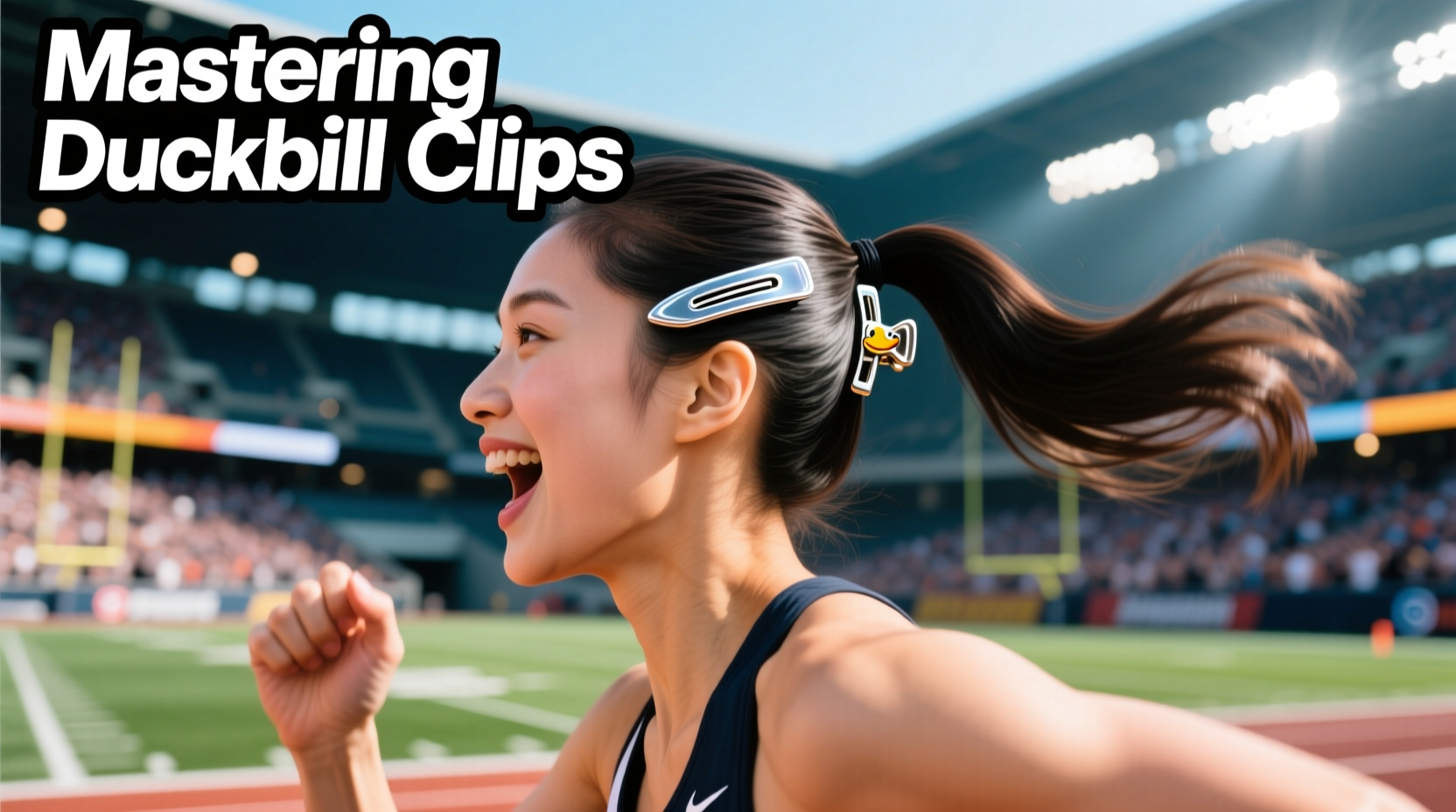
Duckbill clips, named for their wide, flat jaw design, were originally developed for industrial use but found a second life in fashion and personal care. Their strong grip and low-profile shape make them ideal for securing thick, long, or textured hair without creasing or slipping. Unlike traditional bobby pins or elastic bands, duckbill clips distribute pressure evenly, minimizing discomfort during high-intensity movement.
In recent years, athletes across sports—from tennis players to gymnasts and soccer goalkeepers—have embraced duckbill clips not only for utility but also as part of their signature look. Social media has amplified this trend, with fans replicating the hairstyles of pros who pair performance with polished presentation.
“Hair management is part of athletic preparation. A well-placed clip can prevent distractions mid-game and maintain professionalism.” — Dr. Lena Torres, Sports Psychology & Performance Specialist
Choosing the Right Clip for Your Hair Type and Sport
Not all duckbill clips are created equal. The best choice depends on your hair’s thickness, texture, length, and the physical demands of your sport. A clip that works for a weekend jogger may not suffice for a competitive swimmer or dancer.
| Hair Type | Recommended Clip Size | Material Suggestion | Sport Suitability |
|---|---|---|---|
| Fine, thin hair | Small (1.5–2 inches) | Plastic or coated metal | Tennis, golf, track |
| Medium, straight hair | Medium (2–2.5 inches) | Metal with rubber grip | Basketball, volleyball, cycling |
| Thick or curly hair | Large (2.5–3 inches) | Heavy-duty metal | Gymnastics, dance, soccer |
| Very long or voluminous hair | Extra-large or layered clips | Textured silicone-coated | All high-motion sports |
Step-by-Step: Securing Hair with Duckbill Clips During Sporting Events
Using a duckbill clip effectively requires more than just snapping it into place. Proper placement ensures longevity, comfort, and style retention throughout an event.
- Prep your hair: Brush thoroughly to remove tangles. For slick styles, apply a light-hold gel or smoothing serum to reduce flyaways.
- Section strategically: Divide hair into manageable sections. For full coverage, work from the sides toward the back or top.
- Open the clip fully: Use your thumb and forefinger to press the handles together until the jaws open wide.
- Position at the base: Place the open clip at the root of the section you’re securing, ensuring the teeth align with the scalp.
- Release gently: Let go of the handles slowly. The clip should snap shut with firm but comfortable tension.
- Check stability: Tilt your head side to side and shake slightly to confirm the clip stays in place.
- Add reinforcements if needed: For very thick hair, layer multiple small clips instead of relying on one oversized one.
This method prevents slippage and reduces strain on individual strands, which is critical during prolonged physical activity.
Styling Ideas: From Functional to Fashion-Forward
Duckbill clips don’t have to be hidden. In fact, many modern designs come in metallic finishes, matte colors, and even embellished patterns that double as accessories.
- The Side-Sweep: Gather hair to one side and secure with a single large clip. Ideal for asymmetrical looks during outdoor games.
- Double-Clip Accent: Use two smaller clips near the temples to frame the face while leaving the rest of the hair loose—popular among sideline reporters and coaches.
- The Low Twist Hold: Twist the lower half of your hair and pin it at the nape with a duckbill clip. Keeps hair off the neck and adds elegance.
- Color-Coordinated Sets: Match your clip to your team jersey or uniform for a cohesive, intentional appearance.
Mini Case Study: How a College Volleyball Team Upgraded Their Game-Day Look
The Pacific Ridge University women’s volleyball team struggled with inconsistent hairstyles during matches. Players reported hair falling into their eyes during spikes and serves, leading to minor but repeated distractions. After consulting with a sports stylist, the team adopted duckbill clips as part of their official pre-game routine.
Each player received a personalized clip based on hair type and preference. Some used classic black metal clips for durability; others chose team-colored resin versions for visibility and spirit. Within three weeks, feedback showed a 70% reduction in mid-play hair adjustments. Coaches noted improved focus, and fans began requesting details on where to buy the clips.
“It’s a tiny change,” said team captain Mia Tran, “but knowing my hair won’t fall keeps me calmer during serve rotations. I feel put together, even when I’m sweating.”
Common Mistakes and How to Avoid Them
Even experienced users can misuse duckbill clips. Awareness of common errors leads to better results.
- Overloading one clip: Trying to hold too much hair with a single small clip causes breakage and failure. Use multiple clips spaced evenly.
- Ignoring material quality: Cheap plastic clips can snap under stress or develop sharp edges over time. Opt for reinforced polymers or coated metals.
- Placing clips too close to the hairline: This can create tension headaches. Leave a small buffer zone between the forehead and the clip.
- Forgetting post-event care: Sweat and friction degrade clips faster. Rinse with water and dry after intense use.
“Hair tools are part of athletic gear. Just like shin guards or wrist tape, they need maintenance and proper selection.” — Jordan Lee, Professional Stylist for NCAA Athletes
Checklist: Preparing Your Duckbill Clips for Game Day
- ✔ Assess your hair type and choose appropriately sized clips
- ✔ Test clip strength and grip at home before match day
- ✔ Clean clips weekly with mild soap and warm water
- ✔ Pack backups in your gym bag or kit
- ✔ Match clip color or finish to your uniform when appropriate
- ✔ Practice your preferred style during training sessions
- ✔ Store clips in a dedicated pouch to prevent damage
FAQ
Can duckbill clips damage hair?
When used properly, duckbill clips are gentler than elastics because they don’t twist or pull. However, leaving them in for extended periods or clamping too tightly can cause breakage. Remove them promptly after activity.
Are metal clips safe for sports?
Yes, as long as they are smooth and fully coated. Uncoated metal can conduct heat or cause discomfort under helmets or hats. Always check league safety guidelines—some youth leagues restrict hard accessories.
How do I clean sweaty clips?
Rinse under lukewarm water, wipe with a soft cloth, and air-dry completely before storing. For stubborn buildup, use a toothbrush with diluted dish soap.
Final Thoughts: Elevate Performance Through Attention to Detail
Success in sports often comes down to preparation, and personal grooming is part of that equation. Duckbill clips represent a small but meaningful upgrade—offering reliability, comfort, and a touch of personal expression. Whether you're an athlete, coach, or passionate fan, mastering their use enhances both function and confidence.
🚀 Ready to transform your game-day look? Start by selecting one high-quality duckbill clip today and practice a secure, stylish hold. Share your favorite styling tricks in the comments and inspire others to play—and look—their best!








