For athletes and sports enthusiasts alike, the baseball cap is more than just a fashion statement—it’s functional gear. Whether you're on the field, courtside, or running errands after practice, the right cap enhances comfort, protects from sun exposure, and supports peak performance. Yet many overlook how small details—material, fit, ventilation, and styling—can impact both utility and confidence. This guide breaks down how to choose, wear, and maintain a baseball cap that performs as well as it looks.
Understanding Cap Anatomy: What Matters Beyond Style
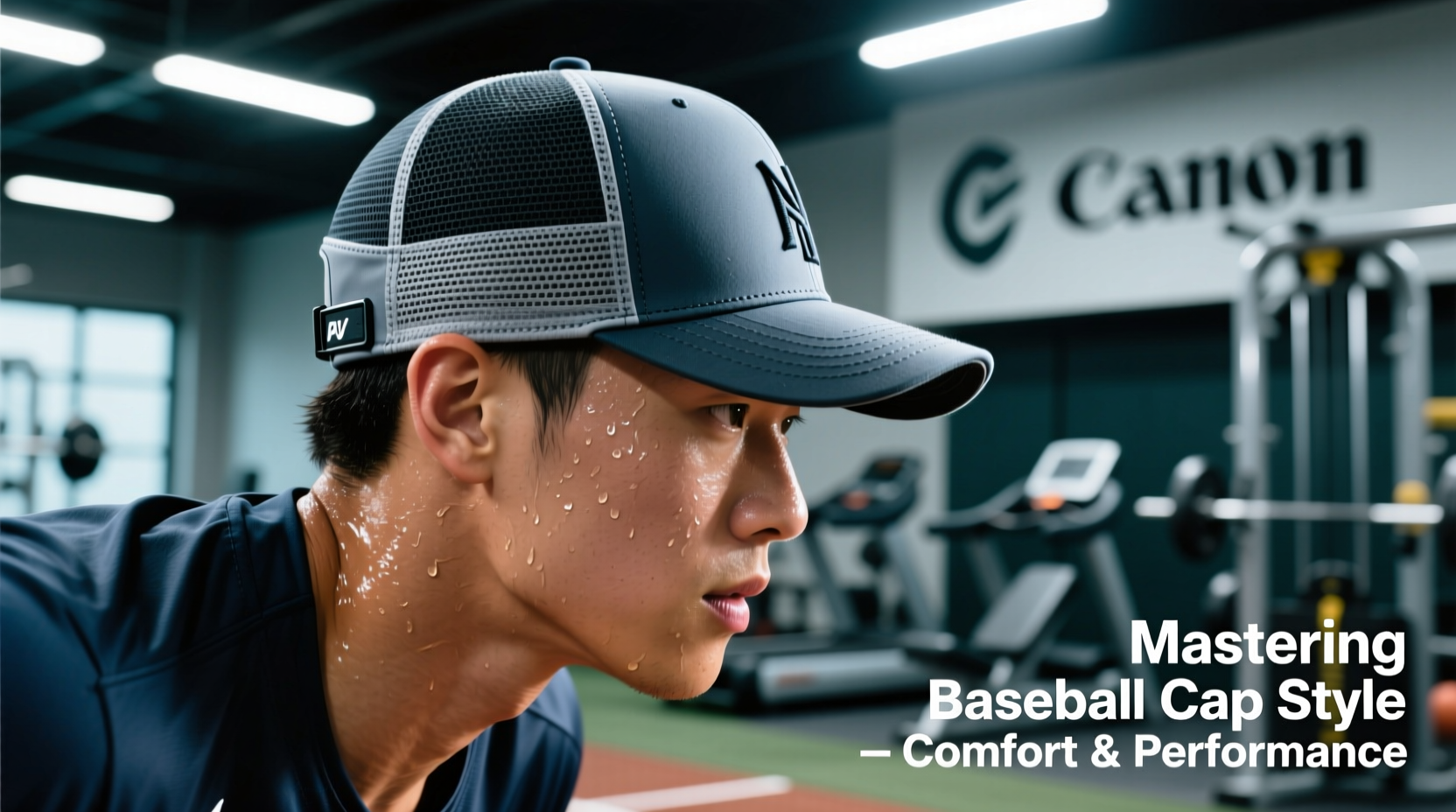
A baseball cap isn’t just fabric stitched into a dome. It consists of several key components that influence comfort and functionality:
- Crown: The top part of the cap that sits on your head. Structured crowns offer shape retention; unstructured ones are softer and more flexible.
- Brim (or visor): Shields eyes from sunlight. Curved brims improve peripheral vision, while stiff, flat ones suit certain styles but may limit airflow.
- Sweatband: Interior lining along the forehead. Moisture-wicking materials like microfiber or antimicrobial fabrics prevent slipping and odor buildup.
- Closure: Snapback, strapback, or fitted. Adjustable closures accommodate different head sizes; fitted caps provide a snugger, more secure feel.
- Ventilation: Mesh panels on the sides or rear enhance breathability, crucial during intense activity.
Choosing the Right Fit for Athletic Performance
Finding the correct fit ensures stability during movement and prevents distractions mid-game. A cap that slips, pinches, or restricts blood flow will hinder focus and comfort.
To determine your size, measure your head circumference just above the ears. Most adult heads range between 21.5” and 23.5”. However, even within this range, personal preference plays a role—some prefer a tighter grip for high-motion sports, while others favor slight looseness for all-day wear.
“Proper fit isn’t about squeezing the head—it’s about balance. The cap should stay put without leaving indentations.” — Jordan Lee, Sports Gear Ergonomics Consultant
When trying on a cap:
- Ensure the crown rests evenly without tilting forward or backward.
- The front edge should sit about one finger’s width above your eyebrows.
- The back shouldn’t extend beyond your occipital bone (base of the skull).
- There should be minimal pressure points; no “hat headaches” allowed.
Do’s and Don’ts of Cap Sizing
| Do | Don't |
|---|---|
| Adjust snapbacks incrementally until snug but comfortable | Force a closure too tight to “break it in” |
| Choose structured crowns for outdoor sports requiring sun protection | Wear oversized caps that shift during quick turns |
| Opt for stretch-fit or adjustable styles if sharing among teammates | Ignore sweat absorption—damp liners reduce grip over time |
Material Selection: Balancing Breathability and Durability
The fabric determines how your cap handles heat, sweat, and repeated use. Common materials include:
- Cotton: Soft and classic, but absorbs moisture and can lose shape when wet.
- Polyester: Lightweight, quick-drying, and often blended with spandex for stretch.
- Performance blends: Include moisture-wicking technology (e.g., Dri-FIT, Climalite) ideal for active wear.
- Wool: Rare in sport settings due to warmth, but used in cold-weather training variants.
For athletic applications, synthetic blends outperform natural fibers. They resist shrinking, maintain structure under perspiration, and dry faster—critical for multi-day tournaments or daily training routines.
Tip: Look for UV protection ratings (UPF 30+) in caps designed for prolonged sun exposure, especially for baseball, golf, or tennis.Styling for Sport: Function Meets Identity
While performance comes first, personal expression matters. Your cap reflects team pride, brand loyalty, or individual flair. But style choices must not compromise function.
Consider these real-world guidelines:
- Match color to uniform or team branding when playing competitively.
- Select low-profile designs for activities involving helmets or goggles (e.g., cycling, skiing).
- Avoid excessive embroidery or raised logos during physical activity—they can irritate skin or catch on equipment.
- Stick to neutral tones for versatility off the field; bold colors work best for visibility or spirit days.
Mini Case Study: High School Baseball Team Gear Upgrade
The Lincoln High Eagles struggled with inconsistent cap performance during afternoon games. Players reported slipping, fogging glasses from sweat runoff, and discomfort after two innings. Their old cotton caps absorbed moisture and lost shape by the third inning.
Their coach partnered with a local apparel supplier to test three prototypes: one standard cotton, one polyester blend, and one with mesh ventilation and UPF 50+ coating. After two weeks of trials, 87% of players preferred the ventilated polyester model. Feedback cited improved airflow, reduced glare, and sustained fit through full games. The team adopted the new design league-wide, reporting fewer distractions and better concentration in late innings.
Maintenance Routine: Extending Lifespan and Hygiene
Regular care keeps your cap performing at its best. Sweat, oils, and environmental debris degrade materials over time. Follow this simple maintenance checklist:
Cap Care Checklist
- ✅ Wipe down sweatband weekly with a damp cloth and mild soap
- ✅ Hand wash monthly using cool water and gentle detergent
- ✅ Air dry naturally—never use a dryer or direct heat
- ✅ Store in a cool, dry place away from direct sunlight
- ❌ Avoid folding or crushing the brim
- ❌ Never machine wash unless label explicitly permits
If odors persist despite cleaning, sprinkle baking soda inside the crown, let sit overnight, then shake out thoroughly. For stubborn stains, spot-clean with a soft toothbrush and diluted vinegar solution (1:3 ratio).
Frequently Asked Questions
Can I wear a baseball cap under a helmet?
Yes, but only if it's low-profile and made from thin, non-bulky material. Thick crowns or rigid brims may interfere with helmet fit and safety standards. Always ensure the helmet remains securely fastened and does not lift off the head due to cap thickness.
How often should I replace my sports cap?
Every 6–12 months with regular use, depending on condition. Replace sooner if the brim warps, stitching loosens, or sweatband deteriorates. Frequent washing extends life—but only if done correctly.
Is it okay to wear a curved brim for sports?
A slightly curved brim is acceptable and common. It improves downward visibility and mimics natural hand shading. However, avoid extreme curves that block upward vision, especially in sports requiring tracking fly balls or overhead movement.
Final Thoughts: Elevate Your Game One Cap at a Time
Mastering baseball cap style for sports goes beyond aesthetics. It’s about aligning form with function—choosing materials that breathe, fits that stay secure, and designs that support your movements. From weekend pick-up games to competitive leagues, the right cap becomes an extension of your preparation. Small upgrades in gear translate to meaningful advantages: less distraction, better focus, and enhanced endurance under pressure.
Take inventory of your current caps. Are they supporting your performance—or holding you back? Swap out worn models, invest in technical fabrics, and personalize your look without sacrificing practicality. Your next best play might start not with your swing, but with what’s on your head.
💬 What’s your go-to cap for training or game day? Share your favorite brand, fit tip, or cleaning hack in the comments below!








