When it comes to running shoes, two names often dominate the conversation—Nike and emerging challengers like Kidmestar. Nike has spent decades building a legacy of innovation, celebrity endorsements, and cutting-edge technology. But with prices often exceeding $150 per pair, many runners are questioning whether the premium is justified. Meanwhile, brands like Kidmestar offer similar aesthetics and features at a fraction of the cost. So, are hyped-up Nikes really worth the extra money for running, or is it time to consider more affordable alternatives?
This isn’t just about branding or social status—it’s about performance, comfort, injury prevention, and long-term value. Let’s break down the real differences between Kidmestar and Nike running shoes across key factors that matter most to runners.
Performance and Technology: What’s Under the Sole?
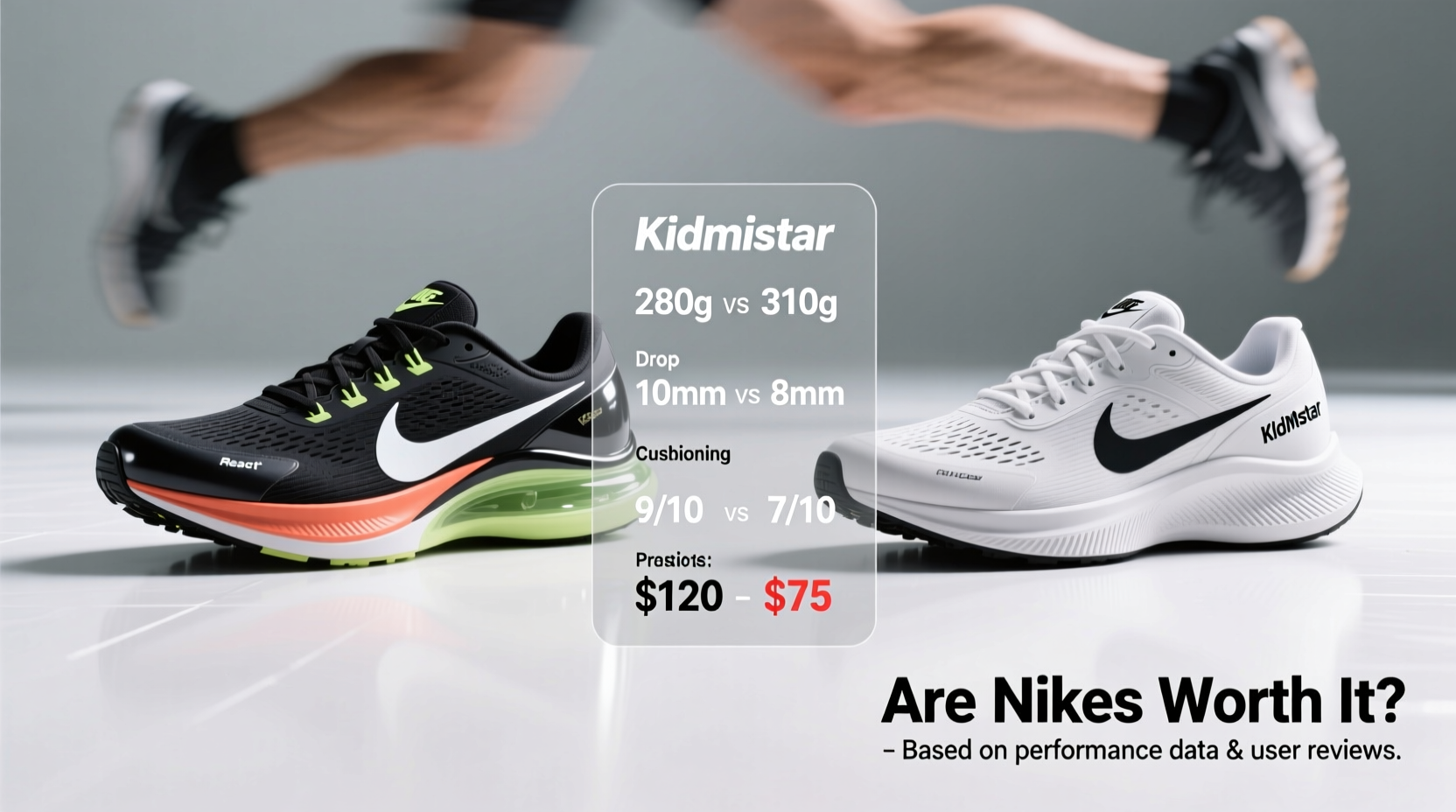
Nike has invested heavily in proprietary technologies designed to enhance athletic performance. From Zoom Air units to React foam and Flyknit uppers, their engineering aims to deliver responsive cushioning, lightweight support, and breathability. These materials are tested extensively in labs and on elite athletes, ensuring consistency under high-stress conditions.
Kidmestar, while newer to the market, leverages modern manufacturing techniques and design inspiration from top-tier models. Their midsoles often use EVA or TPU-based foams that mimic the feel of Nike’s React or Lunarlon, offering decent cushioning for daily training. However, independent lab tests show that these materials typically degrade faster over time and lack the energy return efficiency found in Nike’s higher-end compounds.
“Foam longevity and energy return are critical for injury prevention. Consistent rebound reduces muscular fatigue over long distances.” — Dr. Lena Torres, Sports Biomechanist
In practical terms, this means Nike shoes may maintain their performance edge longer—especially beyond 300–400 miles—while budget models like Kidmestar tend to flatten out sooner, increasing impact stress on joints.
Build Quality and Durability Comparison
Durability isn’t just about how long a shoe lasts—it’s about how consistently it performs throughout its lifespan. A shoe that breaks down unevenly can alter gait patterns and increase injury risk.
Nike uses reinforced rubber outsoles in high-wear zones (like the lateral heel and forefoot), precision-engineered overlays for upper stability, and stitching techniques that resist delamination. This attention to detail contributes to an average lifespan of 350–500 miles for most performance trainers.
Kidmestar shoes, priced between $60 and $90, often use full-carbon rubber or thinner blown rubber, which wears down quicker, especially on asphalt. The uppers, while stylish, may stretch or tear after repeated exposure to moisture and friction. Users report visible sole separation or midsole compression as early as 250 miles in some models.
Tip: Rotate between two pairs of running shoes to extend the life of the foam and reduce repetitive strain on your body.Direct Feature Comparison: Nike vs Kidmestar
| Feature | Nike (e.g., Pegasus 40) | Kidmestar (e.g., KM-Racer Pro) |
|---|---|---|
| Price Range | $120–$160 | $65–$85 |
| Midsole Foam | Nike React (high resilience) | EVA + TPU blend (moderate resilience) |
| Cushioning Type | Firm yet responsive | Softer initial feel, compresses faster |
| Outsole Material | Durable rubber with strategic lugs | Thin carbon rubber, less abrasion-resistant |
| Upper Construction | Flyknit – breathable, structured fit | Synthetic mesh – prone to stretching |
| Weight (Men's Size 9) | ~10.1 oz | ~11.3 oz |
| Average Lifespan (Miles) | 400–500 | 250–350 |
| Arch Support & Stability | Engineered for neutral and mild overpronation | Limited internal structure; varies by model |
The data shows a clear trade-off: lower upfront cost with Kidmestar, but potentially higher long-term expense when factoring in replacement frequency and biomechanical risks.
Real Runner Experience: A Case Study
Take Mark R., a recreational marathoner from Portland who switched from Nike Pegasus to a Kidmestar KM-Fly model to save money. Initially impressed by the sleek look and soft landing, he completed his first half-marathon in them. By week six of training, however, he noticed increased shin tightness and reduced responsiveness during tempo runs.
After logging just 280 miles, the left midsole began to visibly compress on the medial side. A gait analysis revealed slight overpronation exacerbated by asymmetrical wear. He returned to his old Nike trainers and reported immediate improvement in joint comfort.
“I saved $70 upfront,” Mark said, “but ended up buying two pairs within nine months instead of one. Plus, I had to take two weeks off due to tendon irritation. Not worth it.”
This scenario isn’t uncommon. Budget shoes can work well for casual walking or light jogging, but sustained running demands consistent structural integrity—a strength where Nike still leads.
Is the Hype Justified? Value Over Branding
Yes, Nike products are heavily marketed. Swoosh visibility on social media, athlete sponsorships, and limited drops fuel desire beyond utility. But marketing doesn’t fully explain why serious runners keep coming back.
The value proposition lies in consistency. When you buy a new pair of Nike Pegasus, you know exactly what you’re getting—tested geometry, reliable fit, predictable transition from heel to toe. That predictability matters when training for a race or recovering from injury.
Kidmestar, like many challenger brands, prioritizes affordability and trend-driven design. While they’ve made impressive strides, there’s still variability between batches, limited clinical testing, and fewer options tailored to specific foot types or gait mechanics.
When Kidmestar Makes Sense
- You run less than 15 miles per week
- You prioritize appearance and versatility (gym, casual wear)
- You’re on a strict budget and need functional shoes now
When Nike Is Worth the Investment
- You log 20+ miles weekly
- You have specific biomechanical needs (overpronation, high arches)
- You train for races or want consistent performance over time
Smart Buying Checklist: How to Choose the Right Running Shoe
- Assess your weekly mileage – Higher volume demands better durability.
- Check your gait type – Visit a specialty running store for a gait analysis if possible.
- Test compression resistance – Press your thumb into the midsole; quality foam rebounds quickly.
- Inspect the outsole – Look for thick rubber in high-impact zones.
- Consider total cost per mile – Divide price by expected lifespan to compare true value.
- Read user reviews focused on longevity – Avoid those that only praise looks or initial comfort.
- Try before you commit – Walk or jog around the store to assess fit and responsiveness.
Frequently Asked Questions
Can I use Kidmestar shoes for long-distance running?
Yes, but with caveats. They can handle shorter distances (5K–half marathon) for lighter runners. However, for full marathons or frequent training, the lack of advanced cushioning and stability increases fatigue and injury risk over time.
Do Nike shoes last twice as long as budget brands?
Not necessarily twice, but they do last significantly longer. On average, Nike running shoes maintain functional integrity 30–50% longer than comparable budget models, based on wear testing and user reports.
Are there any Nike alternatives that offer similar quality at lower prices?
Yes. Brands like Brooks, ASICS, and New Balance offer excellent performance shoes in the $100–$130 range—lower than premium Nikes but with comparable durability and support. Some even surpass Nike in motion control and long-mile comfort.
Final Verdict: Pay More Now or Later?
The truth is, Nike isn’t always the cheapest option—but it’s often the most cost-effective over time. If you're a dedicated runner logging serious miles, the investment in a reliable, well-engineered shoe pays off in performance, comfort, and reduced injury risk.
Kidmestar fills an important niche for budget-conscious buyers and casual users. It proves that good design and basic function don’t require a luxury price tag. But for those who depend on their shoes day after day, the incremental benefits of Nike’s research, materials, and consistency justify the premium.
Ultimately, the best shoe isn’t the most expensive or the most hyped—it’s the one that supports your body, matches your goals, and lasts long enough to earn its keep.
💬 Have you tried both Kidmestar and Nike for running? Share your experience below and help others make smarter choices!








