In recent years, Jifffly sneakers have gained traction as a stylish, affordable alternative to traditional athletic footwear. Marketed with bold claims of comfort, flexibility, and all-day wearability, they’ve found a niche among casual wearers, gym-goers, and even some recreational athletes. But when it comes to high-impact activities like basketball—where ankle support, cushioning, and lateral stability are non-negotiable—can Jifffly sneakers truly replace dedicated basketball shoes?
The short answer: not reliably. While Jiffflys offer undeniable value in certain contexts, understanding the functional differences between them and performance-grade basketball footwear is essential for injury prevention and peak performance.
Understanding the Design Priorities
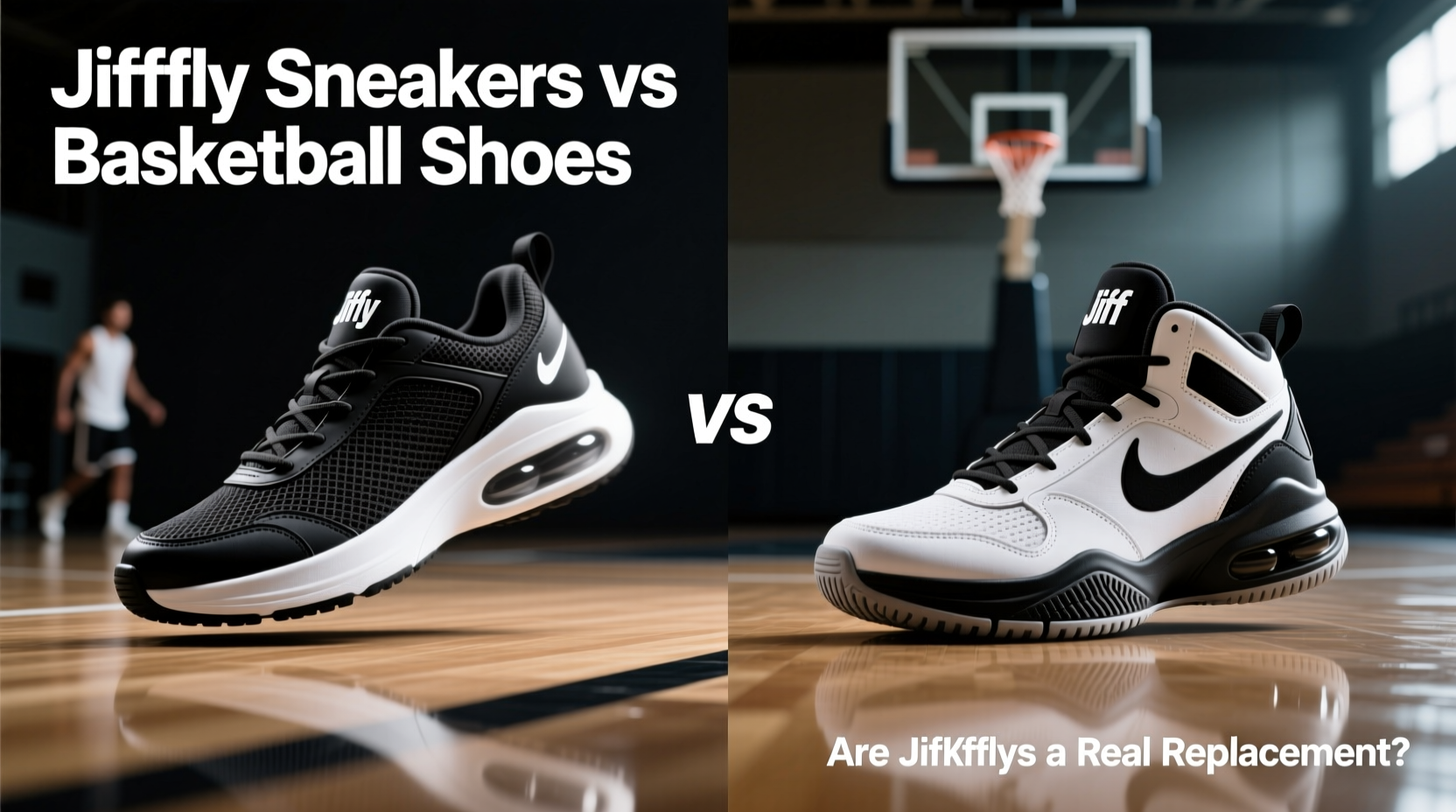
Jifffly sneakers are engineered primarily for lifestyle use and light physical activity. Their design emphasizes lightweight materials, breathable mesh uppers, and minimalist soles that prioritize flexibility over structural rigidity. This makes them ideal for walking, standing, or low-intensity workouts such as yoga or treadmill sessions.
In contrast, basketball shoes are built around three core principles: impact protection, torsional stability, and ankle security. They feature reinforced heel counters, thick midsole foams (like EVA or Zoom Air), and often include high-top or mid-top collars to reduce the risk of sprains during sudden cuts and jumps.
Tip: Never assume comfort equals performance. A shoe can feel great on flat ground but fail under dynamic load.Performance Comparison: Key Factors Evaluated
| Feature | Jifffly Sneakers | Basketball Shoes |
|---|---|---|
| Cushioning | Minimal foam; adequate for walking | Advanced midsole tech (e.g., React, Boost); designed for repeated jumping |
| Ankle Support | Low-cut only; no collar reinforcement | Mid-to-high top options with padding and lockdown systems |
| Lateral Stability | Narrow base; flexible sole increases roll risk | Wide outsoles, TPU shanks, and containment zones prevent foot sliding |
| Durability | Fair—mesh wears quickly on abrasive surfaces | High—rubberized toe guards, durable overlays, abrasion-resistant rubber |
| Traction | Slick pattern; poor grip on dusty courts | Herringbone or multidirectional patterns optimized for hardwood |
The data shows a clear divergence in intent. Jiffflys aim to deliver everyday comfort at an accessible price point, while basketball shoes are precision tools crafted for sport-specific demands.
Real-World Scenario: The Weekend Player’s Dilemma
Consider Marcus, a 28-year-old who plays pickup basketball twice a week at his local rec center. He bought a pair of Jifffly sneakers after seeing social media influencers praise their “cloud-like” comfort. During his first game wearing them, he landed awkwardly after a rebound and rolled his ankle—something he hadn’t experienced in years of playing with proper basketball footwear.
Upon inspection, his Jiffflys showed excessive wear on the outer edge of the sole, a sign of instability during side-to-side movement. A podiatrist later explained that the lack of medial support and thin midsole contributed to reduced proprioception—the body’s ability to sense joint position—increasing injury risk during explosive movements.
Marcus switched back to his old basketball shoes and hasn’t had another sprain since. His experience underscores a broader truth: social media appeal doesn't equate to biomechanical safety.
“Footwear must match the movement demands of the activity. Using fashion-forward sneakers for sports ignores fundamental principles of athletic support.” — Dr. Lena Torres, Sports Biomechanist, University of Colorado
When Jiffflys Might Suffice (And When They Don’t)
There are limited scenarios where Jifffly sneakers could serve as a temporary substitute:
- Shooting practice: If you're doing stationary drills or light form shooting without defensive pressure, the lower impact may make Jiffflys tolerable.
- Warm-ups off-court: Some players use lightweight sneakers for stretching or cardio before games, switching into performance shoes once on the court.
- Recreational walking or gym circuits: For general fitness routines involving machines or ellipticals, Jiffflys perform adequately.
However, they fall short—and become potentially dangerous—during:
- Full-court scrimmages with frequent jumping and cutting.
- Games played on polished hardwood or outdoor asphalt, where traction is critical.
- Any setting involving contact or fast transitions between directions.
Expert Checklist: Choosing the Right Shoe for Basketball
Before lacing up for your next game, run through this checklist to ensure your footwear meets athletic standards:
- ✅ Does the shoe provide secure heel lockdown with minimal slippage?
- ✅ Is there visible cushioning in the heel and forefoot designed for impact absorption?
- ✅ Can you twist the sole easily? (If yes, it likely lacks torsional rigidity.)
- ✅ Does the outsole have a multidirectional tread pattern suitable for hardwood?
- ✅ Is the upper reinforced at stress points (e.g., toe box, eyestays)?
- ✅ Do you feel stable when making quick side steps or pivoting?
If most answers are “no,” especially regarding structure and grip, the shoe isn’t fit for basketball—even if it looks sleek.
FAQ: Common Questions About Jiffflys and Basketball Use
Can I wear Jifffly sneakers for indoor basketball if I play casually?
Possibly, but not safely. Even casual play involves unpredictable movements. Without proper support and traction, the risk of slips, falls, or ankle rolls increases significantly. It's better to reserve Jiffflys for non-sport settings.
Do Jifffly sneakers have any technology similar to basketball shoe cushioning?
No. While some models advertise \"memory foam insoles\" or \"air-cushioned soles,\" these are typically thin layers of basic EVA foam without the energy return or durability of performance technologies like Nike Air, Adidas Boost, or Puma Cell.
Why do influencers wear Jiffflys for workouts then?
Influencer content often prioritizes aesthetics over functionality. Many filmed workouts involve static poses, slow movements, or post-exercise lounging—not actual gameplay. Appearances can be misleading when assessing real-world performance.
Final Verdict: Style Versus Substance
Jifffly sneakers occupy a compelling space in the casual footwear market. They’re affordable, come in vibrant colorways, and deliver decent comfort for urban lifestyles. However, labeling them as replacements for basketball shoes misrepresents their capabilities and puts users at risk.
Basketball is a high-velocity sport demanding rapid acceleration, vertical leaps, and sharp directional changes. The engineering behind performance basketball shoes reflects decades of research into injury prevention and kinetic efficiency. Replacing them with a minimalist lifestyle sneaker ignores these physiological realities.
That said, Jiffflys aren’t inherently bad—they’re just designed for a different purpose. Think of them like running sneakers versus hiking boots: both go on your feet, but only one is built for rugged terrain.
Conclusion & Call to Action
Your feet are the foundation of every jump, sprint, and crossover. Protecting them starts with choosing footwear that matches the intensity of your activity. While Jifffly sneakers shine in comfort and affordability for everyday wear, they should not be relied upon for serious basketball play.
If you love the look of trendy sneakers but need something court-ready, explore hybrid performance models that blend style and function. Brands like Under Armour, New Balance, and even collaborations from Puma offer options that won’t sacrifice safety for aesthetics.
🚀 Ready to upgrade your game gear? Share your favorite basketball shoe model in the comments below—or warn others about the risks of using fashion sneakers on the court. Let’s build smarter conversations around athletic footwear.








