In recent years, Jifffly sneakers have exploded in popularity, appearing on social media feeds, celebrity feet, and urban sidewalks across the globe. Marketed as a fusion of fashion-forward design and all-day comfort, they’ve carved out a niche between lifestyle footwear and performance-oriented athletic trainers. But how do they actually stack up when compared to traditional athletic shoes designed for running, gym workouts, or high-impact activity? Is the Jifffly phenomenon built on genuine innovation, or is it simply capitalizing on viral trends and influencer culture?
This article dives deep into the design, functionality, durability, and real-world performance of Jifffly sneakers versus conventional athletic trainers. By analyzing user experiences, material quality, biomechanical support, and long-term value, we aim to separate marketing from mechanics—and determine whether Jiffflys are worth your investment or just another fleeting sneaker trend.
Design Philosophy: Fashion First or Function First?
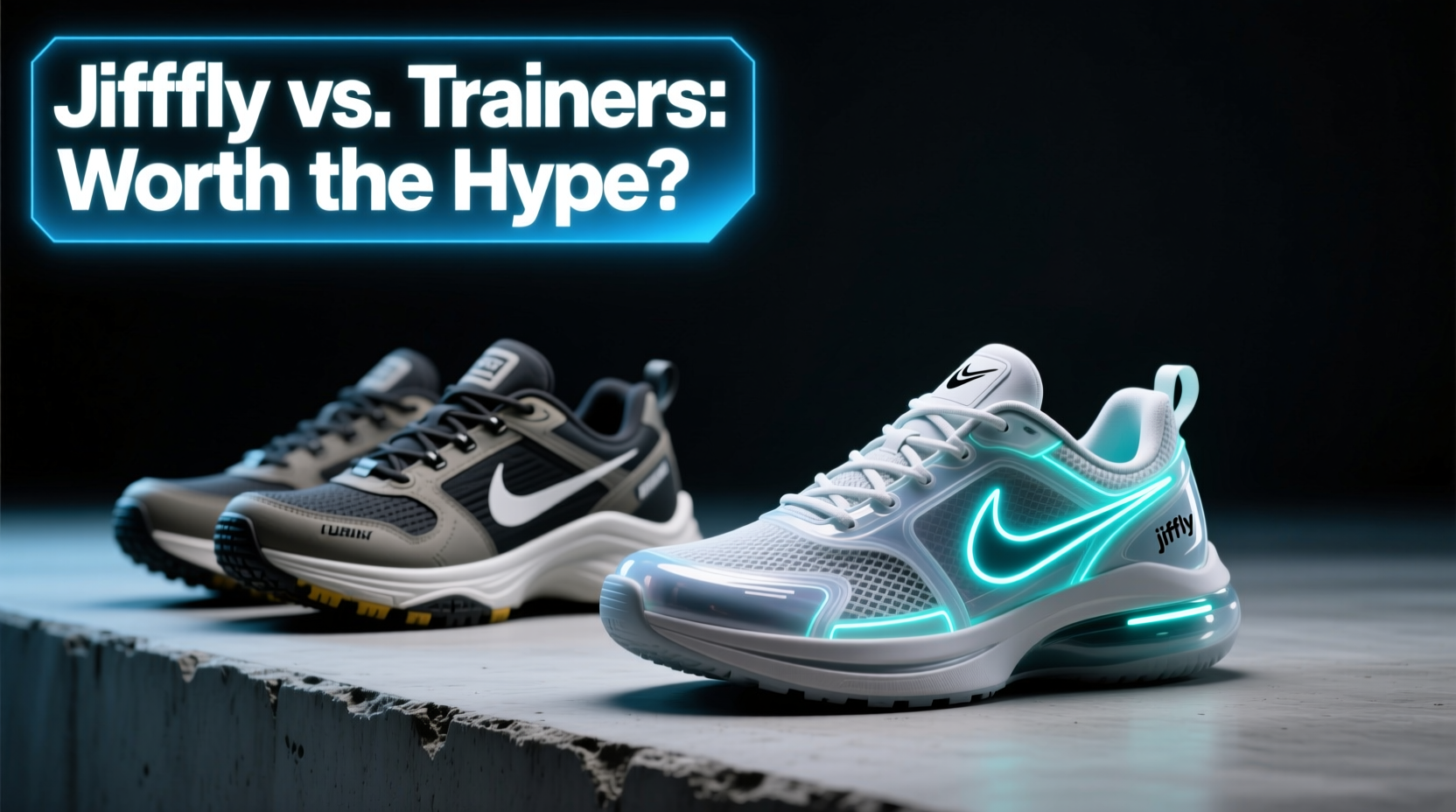
Jifffly sneakers are unmistakably rooted in streetwear aesthetics. Their sleek silhouettes, bold colorways, and minimalist branding appeal to consumers who prioritize style as much as, if not more than, technical performance. The brand emphasizes “cloud-like cushioning” and “ergonomic fit,” but these claims often lack the rigorous testing standards associated with major sportswear brands like Nike, Adidas, or Asics.
In contrast, traditional athletic trainers are engineered with specific biomechanical goals in mind—arch support, motion control, heel stability, breathability, and impact absorption. They undergo extensive prototyping and lab testing to meet the demands of runners, cross-trainers, and athletes. While many modern athletic shoes also embrace fashion elements, their core function remains performance-driven.
The divergence becomes clear when comparing construction details:
| Feature | Jifffly Sneakers | Traditional Athletic Trainers |
|---|---|---|
| Primary Focus | Style & casual comfort | Performance & injury prevention |
| Cushioning Technology | EVA foam midsole (basic) | Proprietary systems (e.g., Boost, React, Air) |
| Arch Support | Minimal to moderate | Engineered based on foot type |
| Durability Testing | Limited public data | Rigorous wear and abrasion tests |
| Intended Use | Walking, light activity, fashion | Running, training, sports |
Real-World Performance: Comfort vs. Capability
Many early adopters praise Jiffflys for their “pillowy” feel during short walks or city errands. However, extended use reveals limitations. Users report increased foot fatigue after 90 minutes of continuous walking, particularly in models with flat footbeds and insufficient heel counters. Some even note a lack of lateral stability, making them unsuitable for uneven terrain or quick directional changes.
A mini case study illustrates this:
Maria, a retail worker in Austin, bought a pair of Jifffly CloudWalkers after seeing them trending online. She wore them for her 8-hour shift expecting all-day comfort. By the third hour, she felt pressure under her arches. By hour six, her heels began to ache. After one week, she switched back to her old Asics Gel-Nimbus. “They don’t look as cool,” she said, “but my feet actually thank me at the end of the day.”
Conversely, tested athletic trainers distribute impact evenly across the foot, incorporate responsive foams that return energy with each step, and feature reinforced zones for durability. For example, a runner logging 20 miles per week needs shoes that absorb repeated stress—something Jiffflys aren't designed to handle.
Material Quality and Longevity
Jiffflys use lightweight synthetic uppers and thin rubber outsoles, which contribute to their trendy, low-profile look. However, these materials show signs of wear within weeks for active users. Scuffing, seam separation, and sole degradation are common complaints in customer reviews beyond the first month.
Compare that to athletic trainers, which typically use durable mesh uppers, carbon rubber outsoles in high-wear areas, and reinforced toe caps. These features extend lifespan significantly—often allowing 300–500 miles of use before replacement is needed.
“Footwear marketed primarily on comfort without structural integrity often fails under real-world conditions. True support comes from engineering, not marketing slogans.” — Dr. Lena Torres, Podiatrist and Gait Analyst
Are Jiffflys Worth the Hype? A Practical Checklist
Before purchasing Jifffly sneakers—or any fashion-first shoe—ask yourself the following. This checklist helps evaluate whether they align with your lifestyle needs:
- Will I be standing or walking for more than two hours at a time?
- Do I have existing foot issues (e.g., plantar fasciitis, flat feet)?
- Am I using these shoes for exercise, commuting, or casual outings?
- Is long-term durability a priority over short-term style?
- Have I tried them on and walked in them before buying?
If most of your answers lean toward activity, health, or endurance, traditional athletic trainers remain the smarter choice. Jiffflys may work well as weekend wear or for photo-centric lifestyles—but not as primary footwear for physically demanding routines.
Step-by-Step Guide: Choosing the Right Shoe for Your Lifestyle
- Assess Your Daily Activity Level: Track how many steps you take, how long you stand, and what surfaces you walk on.
- Identify Foot Type: Determine if you have neutral arches, overpronation, or supination. Consider a gait analysis at a specialty running store.
- Define Primary Use: Separate needs: fashion shoes vs. performance shoes. Don’t expect one pair to do both jobs well.
- Try Before You Buy: Walk on an incline, squat, and simulate daily movements in-store or during trial periods.
- Check Return Policy: Especially important for online purchases. Many brands offer 30-day comfort guarantees.
- Rotate Footwear: Alternate between different pairs to reduce repetitive stress and extend shoe life.
Frequently Asked Questions
Can I wear Jifffly sneakers to the gym?
Not recommended for dynamic workouts. They lack lateral support and stable platforms needed for lifting, jumping, or agility drills. Stick to cross-trainers or weightlifting shoes for safety and performance.
How long should Jifffly sneakers last?
Under casual use (2–3 times per week), expect 3–6 months. Heavy daily use may result in noticeable wear within 6–8 weeks, especially on concrete or asphalt.
Are Jiffflys good for people with flat feet?
No. Most Jifffly models lack sufficient arch support and medial stability required for flat-footed individuals. Over time, wearing unsupportive shoes can lead to overuse injuries like shin splints or tendonitis.
Final Verdict: Trendy Appeal vs. Functional Value
Jifffly sneakers excel in visibility and social currency. They’re conversation starters, Instagram-ready, and reflect a growing demand for comfort in everyday fashion. But when evaluated through the lens of biomechanics, durability, and long-term foot health, they fall short against purpose-built athletic trainers.
The hype around Jiffflys is real—but so are its limitations. For those seeking reliable support, injury prevention, and lasting quality, investing in scientifically designed athletic footwear remains the superior choice. That doesn’t mean you can’t own a pair of Jiffflys for weekends or casual outings. Just don’t mistake a stylish silhouette for functional engineering.
💬 Have you tried Jifffly sneakers? How did they hold up after a month of use? Share your experience in the comments below and help others make informed decisions about comfort, cost, and true value.








