For fashion enthusiasts and budget-savvy shoppers alike, the idea of finding a Chanel flap bag for $200 at a thrift store or a vintage Hermès in near-mint condition on a resale app is nothing short of exhilarating. But beyond the viral haul videos and Instagram flexes, a critical question remains: Is thrifting designer bags truly a worthwhile pursuit, or is it mostly a game of chance with minimal returns? The answer lies somewhere between strategy, patience, and informed risk-taking.
While some dismiss secondhand luxury as unreliable or too time-consuming, others have built entire wardrobes—or even side businesses—on carefully sourced pre-owned pieces. The reality is that thrifting designer bags isn’t purely about luck. With the right knowledge, tools, and approach, it can be a smart, sustainable, and financially rewarding habit. However, without due diligence, it’s easy to fall into traps ranging from counterfeits to overpaying for damaged goods.
The Allure of Secondhand Luxury
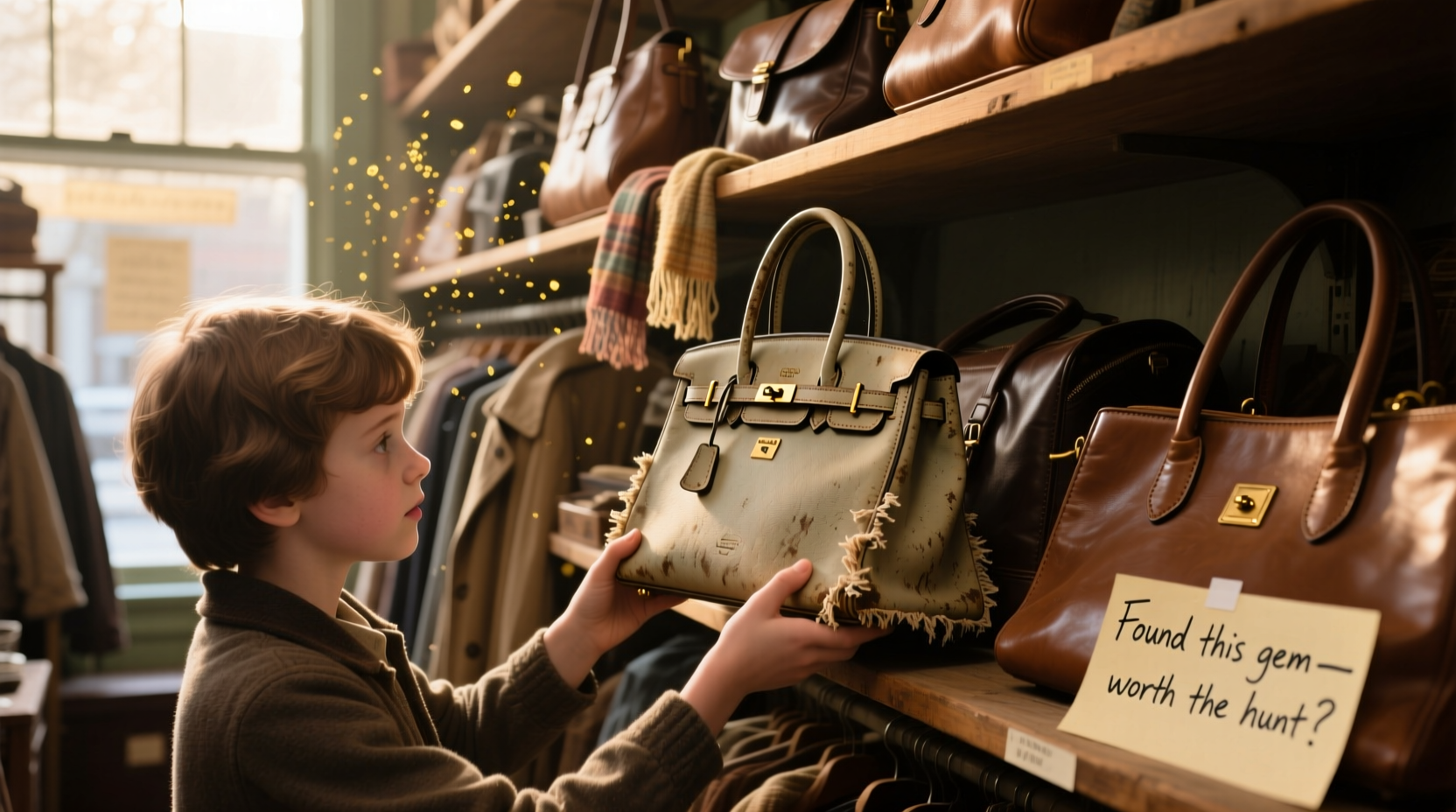
Luxury handbags are often seen as status symbols, but they also represent significant investments. A new Louis Vuitton Neverfull retails for over $2,000, while limited-edition Hermès Birkins can command tens of thousands on the secondary market. For many, buying new simply isn’t feasible. This gap has fueled the rise of the secondhand luxury market, now projected to surpass $70 billion by 2026 (according to GlobalData).
Thrifting taps into this demand at its most accessible level. Unlike curated resale platforms like Rebag or Vestiaire Collective, traditional thrift stores—Goodwill, Salvation Army, local consignment shops—offer inventory at deeply discounted prices. The thrill comes from the possibility of discovering an overlooked gem, possibly mispriced or misidentified by staff unfamiliar with serial codes or seasonal collections.
But accessibility doesn’t guarantee success. While stories circulate online of people snagging a $4,000 Celine Luggage Tote for $40, these cases are outliers. They make headlines precisely because they’re rare. Still, consistent effort increases the odds. Regular thrifters who know what to look for and where to look build muscle memory much like antique hunters or record collectors.
When Thrifting Pays Off: Real Value vs. Perceived Luck
The perception that scoring a designer bag secondhand is pure luck overlooks the skill involved. Successful thrifters develop expertise in identifying brands, materials, construction quality, and market trends. They study hardware finishes, stitching patterns, and logo placements until subtle differences become obvious.
A well-executed thrifting strategy combines research, timing, and location intelligence. Certain neighborhoods, donation patterns, and even days of the week affect inventory flow. For example, affluent suburbs may see higher-end donations after spring cleaning or wardrobe resets. Stores restock early in the week, making Tuesday mornings a prime hunting ground.
“Most people don’t realize how much information is embedded in a bag’s structure. Stitches per inch, alignment of logos, even the weight—it all tells a story.” — Lena Torres, Vintage Accessories Authenticator
This isn’t gambling; it’s pattern recognition. Just as card counters in blackjack rely on probability rather than hope, experienced thrifters use data-driven habits to improve their outcomes. Over time, they cultivate networks with store employees, set up alerts on resale apps, and track brand-specific release cycles to anticipate availability.
Mini Case Study: From Doubt to Discovery
Sophie, a 29-year-old teacher in Portland, began thrifting out of curiosity. She followed a few YouTube haul channels and decided to try it herself. Her first six months yielded nothing notable—just worn leather totes and outdated prints. But she kept notes: which stores had better lighting, which locations received more upscale donations, and what times were least crowded.
After three months of weekly visits, she spotted a black quilted shoulder bag buried under scarves at a suburban Goodwill. The chain was tarnished, and the tag read “$15.” It lacked branding, but the shape and stitching reminded her of a Chanel Classic Flap. She took it to a local authenticator, who confirmed it was a discontinued medium-sized model from 2012, retailing today for around $7,000. After professional cleaning and minor repairs ($120), she sold it for $4,200.
Sophie didn’t get lucky—she got prepared. Her win was the result of persistence, observation, and learning from failures. Today, she runs a small blog reviewing thrift finds and teaches workshops on authentication basics.
The Hidden Costs and Risks of Thrifting Designer Bags
Not every find turns into profit. Many secondhand bags require restoration, especially if stored improperly or used heavily. Common issues include:
- Faded or cracked leather
- Tarnished or broken hardware
- Stained linings
- Mold or odor from damp storage
- Missing dust bags or authenticity cards
Restoration costs can quickly erode savings. A full leather reconditioning service might cost $150–$300. Replacing a zipper or chain could add another $100. If the bag lacks verifiable proof of authenticity, resale value plummets—even genuine pieces suffer if documentation is missing.
Tip: Always inspect the interior lining, date code, and stitching before purchasing. Bring a magnifying glass if needed.Additionally, counterfeit items are increasingly sophisticated. Fake Chanel bags now replicate hologram stickers and serial numbers. Without training, distinguishing real from replica is difficult. Some thrift stores unknowingly accept stolen or fraudulent goods, placing the burden of verification on the buyer.
Do’s and Don’ts of Thrifting Designer Bags
| Do | Don't |
|---|---|
| Research common models and price ranges | Assume all quilted black bags are Chanel |
| Inspect hardware for engraving clarity | Ignore signs of water damage or mold |
| Check internal tags and date stamps | Overlook wear on corners and base |
| Carry a UV flashlight to detect repair marks | Feel pressured to buy immediately |
| Visit stores during restock hours | Trust vague descriptions like “designer style” |
Building a Smart Thrifting Strategy
To shift from random luck to repeatable results, adopt a systematic approach. This involves preparation, execution, and post-purchase evaluation.
Step-by-Step Guide to Effective Designer Bag Thrifting
- Define Your Goals: Are you looking to wear, resell, or collect? Each objective influences your criteria.
- Study Top Brands: Focus on timeless labels like Chanel, Hermès, Gucci, Prada, and Dior. Learn their signature features.
- Set a Budget: Decide your maximum spend per item, factoring in potential repair costs.
- Map Local Stores: Visit 5–10 thrift locations monthly. Note restock days and employee helpfulness.
- Create a Checklist: Include must-have traits (e.g., intact stitching, original lining) and red flags.
- Inspect Thoroughly: Examine every seam, pocket, and clasp. Look inside for brand stamps or serial codes.
- Verify Authenticity: Use resources like Authenticate First, Entrupy, or consult local experts.
- Decide: Keep, Restore, or Resell: Weigh emotional value against financial return.
- Document Your Finds: Take photos, note purchase details, and track resale outcomes.
- Refine Over Time: Adjust your search based on what works—and what doesn’t.
This process transforms thrifting from passive browsing into active treasure hunting. The more disciplined you are, the less reliant you become on chance.
Checklist: Before You Buy a Thrifted Designer Bag
- ✅ Brand matches known design elements (logo placement, shape)
- ✅ Hardware feels substantial, not lightweight plastic
- ✅ Stitching is even and dense (no loose threads)
- ✅ Interior lining shows no major tears or stains
- ✅ Serial or date code corresponds to brand database
- ✅ Corners show minimal scuffing
- ✅ No strong odors (mild leather scent is normal)
- ✅ Comes with original components (if applicable)
- ✅ Price allows room for resale or personal use ROI
FAQ: Common Questions About Thrifting Designer Bags
Can I really find authentic designer bags at thrift stores?
Yes, but they’re uncommon. Authentic pieces do appear, especially in areas with high-income donors. However, they’re often damaged, incomplete, or mislabeled. Success requires patience and sharp observational skills.
How do I tell if a designer bag is fake?
Fakes often have inconsistent stitching, incorrect font logos, flimsy zippers, and mismatched proportions. Use a loupe to examine micro-details. Compare with verified images from brand archives or authentication guides. When in doubt, seek expert opinion before buying.
Is it worth restoring a thrifted designer bag?
It depends on the bag’s potential value post-restoration. A damaged vintage Kelly may justify $400 in repairs if it can sell for $8,000. But a scratched Gucci Dionysus with weak resale demand likely won’t recoup costs. Always estimate final value before investing in fixes.
Conclusion: Skill Over Serendipity
Thrifting designer bags isn’t just luck—it’s a blend of knowledge, consistency, and calculated risk. While one-in-a-million windfalls capture attention, the real value lies in the cumulative gains of informed shopping. Over time, skilled thrifters build wardrobes rich in character and quality, often spending a fraction of retail prices.
Yet it’s not for everyone. Those seeking instant gratification or lacking interest in authentication details will likely grow frustrated. The process demands time, skepticism, and emotional resilience when misses outnumber hits.
If you're willing to learn, stay patient, and treat each trip as both exploration and education, then yes—thrifting designer bags is absolutely worth the hunt. The rarity of the perfect find makes it all the more satisfying. And unlike buying new, every secondhand bag carries a story, a history, and a quiet rebellion against fast fashion.
💬 Have you scored a designer bag secondhand? Share your story or tip in the comments—your insight could help someone else crack the code.








