
For many people, a fan is an essential part of their sleep routine—especially during warmer months. The steady hum and cooling airflow can create a soothing environment that promotes restful sleep. However, some individuals report waking up with dryness in the throat, nasal congestion, or sinus irritation after sleeping with a fan on. This raises an important question: Is this common household appliance silently affecting your respiratory health? While fans themselves don’t cause illness, their impact on air quality and moisture levels can influence sinus and throat comfort, particularly for those prone to allergies, asthma, or chronic respiratory conditions.
This article explores the physiological effects of sleeping with a fan, examines scientific evidence behind common complaints, and provides practical strategies to enjoy cool air without compromising your respiratory well-being.
How Fans Affect Indoor Air and Respiratory Health
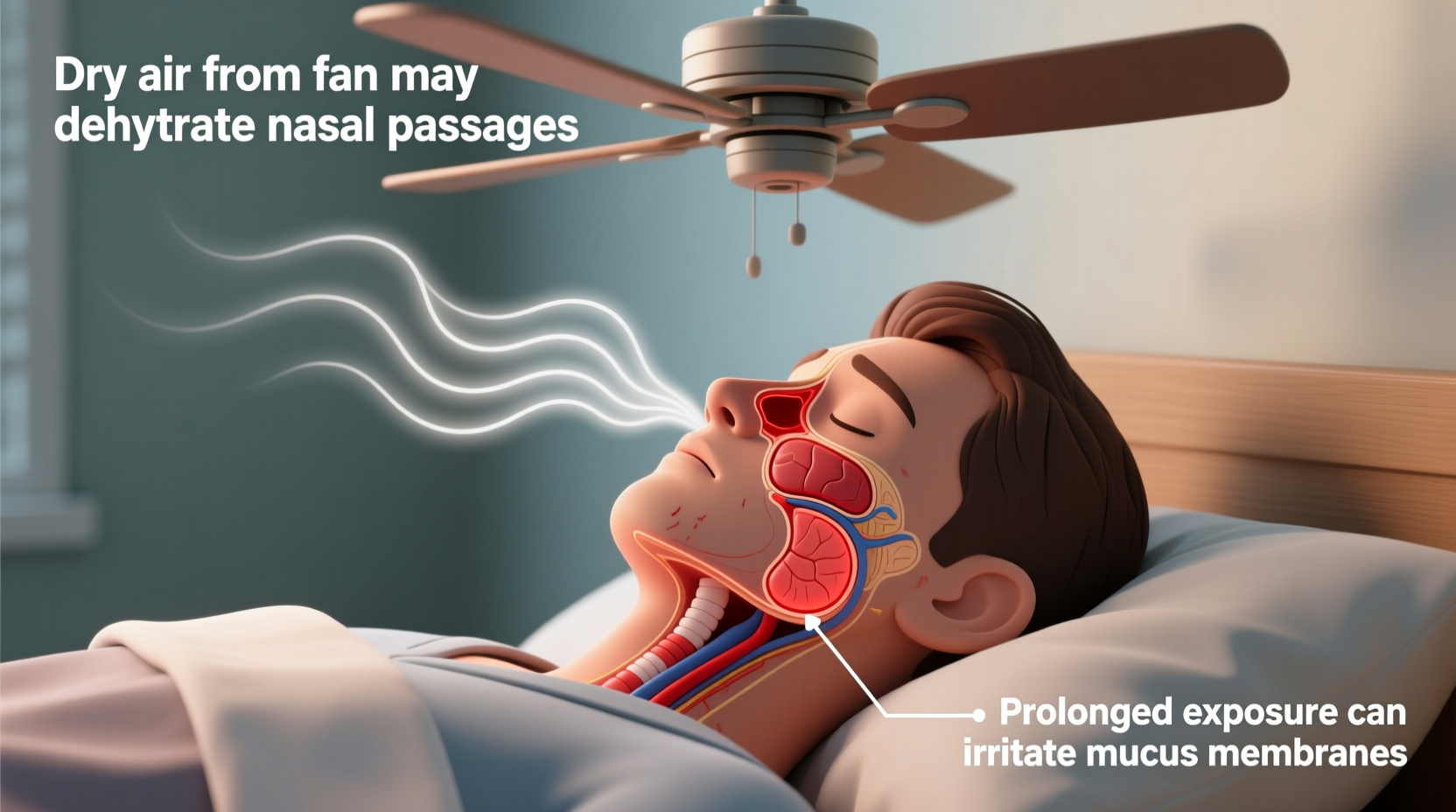
Fans do not cool the air—they move it. By circulating room air, they enhance evaporation from the skin, creating a perceived drop in temperature. However, this constant airflow can have unintended side effects on the delicate mucous membranes lining your nose and throat.
The human respiratory tract relies on a thin layer of mucus to trap dust, pathogens, and allergens while keeping tissues moist and protected. When exposed to continuous air movement, especially in low-humidity environments, this protective layer can evaporate more quickly than it’s replenished. The result is dryness, irritation, and increased susceptibility to discomfort or minor infections.
Additionally, fans stir up airborne particles such as dust, pollen, pet dander, and mold spores. If the fan blades or housing haven't been cleaned regularly, these contaminants accumulate and are redistributed into the breathing zone throughout the night. For allergy sufferers, this can trigger postnasal drip, sneezing, or worsened sinus pressure.
Tip: Clean your fan every few weeks using a damp cloth and mild detergent to reduce dust circulation.Common Symptoms Linked to Fan Use During Sleep
While not everyone experiences issues, certain symptoms frequently reported by individuals who sleep with a fan include:
- Dry or scratchy throat upon waking
- Nasal dryness or crusting inside the nostrils
- Increased sinus pressure or facial tightness
- Worsening of allergy symptoms (e.g., runny nose, congestion)
- Coughing episodes triggered by nighttime air movement
- Hoarseness or voice fatigue in the morning
These symptoms are typically not signs of infection but rather indicators of environmental irritation. They tend to improve when fan use is modified or discontinued. In some cases, especially among people with pre-existing conditions like allergic rhinitis, non-allergic rhinitis, or chronic sinusitis, the effects may be more pronounced and persistent.
“Persistent exposure to dry, moving air can impair mucociliary clearance—the system that moves mucus and trapped particles out of the sinuses. Over time, this may contribute to recurrent irritation.” — Dr. Lena Patel, Otolaryngologist and Sleep Medicine Specialist
Do Fans Cause Sinus Infections?
A common misconception is that fans directly cause sinus infections. This is not accurate. Viral or bacterial infections require pathogen exposure and immune system vulnerability; a fan alone cannot introduce these agents. However, by drying out nasal passages and redistributing allergens, fans may create conditions that make you more susceptible to secondary infections.
For example, when nasal membranes become dry and cracked, they lose some of their defensive capabilities. Bacteria and viruses find it easier to adhere and proliferate in compromised tissue. Similarly, prolonged inflammation due to allergen exposure can lead to swollen turbinates and blocked sinus drainage pathways—key factors in developing acute or chronic sinusitis.
Therefore, while fans don’t “cause” sinus infections, they can act as contributing environmental stressors, especially in poorly maintained rooms or dusty environments.
Strategies to Use Fans Safely Without Harming Your Throat or Sinuses
You don’t need to give up your fan to protect your respiratory health. With a few adjustments, you can maintain comfort while minimizing risks. Below is a step-by-step guide to safer fan usage:
Step-by-Step Guide: Optimize Fan Use for Respiratory Comfort
- Position the fan correctly: Aim it at a wall or ceiling instead of directly toward your face. This creates indirect airflow and reduces direct drying effects on mucous membranes.
- Control humidity levels: Use a hygrometer to monitor indoor humidity. Ideal levels range between 40% and 60%. If below 40%, consider adding a humidifier to counteract dryness.
- Clean the fan weekly: Dust buildup on blades becomes airborne when the fan runs. Wipe down all surfaces, including grills and motor housings, with a microfiber cloth.
- Use a timer or smart plug: Set the fan to turn off after you fall asleep (typically within 1–2 hours). This prevents prolonged exposure while still providing initial cooling.
- Choose the right fan type: Tower fans often produce gentler airflow than pedestal or box fans. Models with adjustable oscillation and speed settings allow for better control over air distribution.
- Keep the room clean: Vacuum carpets, wash bedding weekly, and dust surfaces regularly to minimize allergen load that fans might otherwise circulate.
When a Fan Might Be Doing More Harm Than Good
Not all sleepers react the same way to fan use. Certain individuals should exercise extra caution—or avoid direct fan exposure altogether:
- People with asthma or reactive airway disease
- Those suffering from chronic dry eye or mouth breathing
- Individuals recovering from upper respiratory infections
- Patients undergoing treatment for sinusitis or laryngitis
- Older adults, whose mucous membranes naturally produce less moisture
In these cases, even mild air movement can exacerbate symptoms. Alternative cooling methods such as breathable bedding, moisture-wicking pajamas, or central air conditioning may be preferable.
Checklist: Safe Fan Usage for Sensitive Sleepers
- ✅ Clean fan blades and housing weekly
- ✅ Position fan to blow indirectly (not at face)
- ✅ Maintain room humidity above 40%
- ✅ Use a timer to limit runtime
- ✅ Replace old or noisy fans that stir excessive dust
- ✅ Monitor symptoms and adjust habits accordingly
Comparing Fan Types: Which Are Gentler on Sinuses?
Different fan designs affect airflow patterns and noise levels, which in turn influence how they interact with your breathing space. The table below compares common household fans based on key respiratory considerations:
| Fan Type | Airflow Intensity | Noise Level | Dust Circulation Risk | Suitability for Sensitive Users |
|---|---|---|---|---|
| Pedestal Fan | High | Moderate to High | High (if unclean) | Poor – best avoided if sensitive |
| Tower Fan | Low to Medium | Low | Moderate | Good – gentle, consistent flow |
| Box Fan | High | High | High | Fair – okay with filter attachment |
| Ceiling Fan | Medium (diffused) | Very Low | Low | Excellent – ideal for year-round use |
| Personal Desk Fan | Variable | Low | Moderate (close proximity) | Fair – only if directed away from face |
Ceiling fans stand out as one of the safest options because they circulate air without blowing directly on occupants and generate minimal noise. Their elevated position also limits contact with floor-level dust and allergens.
Real-Life Example: Managing Nighttime Throat Dryness
Sarah, a 38-year-old teacher from Denver, had struggled with morning throat soreness for years. She attributed it to seasonal allergies until she noticed a pattern: her symptoms were worst during summer when she used a box fan nightly. After consulting an ENT specialist, she learned that her bedroom humidity dropped below 30% at night, and the fan was accelerating moisture loss from her airways.
She made three changes: switched to a tower fan placed across the room, began using a small humidifier, and started cleaning her fan biweekly. Within two weeks, her throat discomfort decreased significantly. “I didn’t realize how much my fan was stirring up dust,” she said. “Now I sleep cooler and wake up feeling clearer.”
Sarah’s experience illustrates how simple environmental modifications can resolve persistent but non-serious health complaints.
FAQ: Common Questions About Fans and Respiratory Health
Can a fan make you sick?
No, a fan cannot directly make you sick. It does not produce bacteria or viruses. However, if it circulates dust, mold, or allergens, or excessively dries your airways, it may worsen existing conditions or increase irritation that mimics illness.
Why does my throat hurt after sleeping with a fan on?
Your throat likely hurts due to dehydration of the mucous membranes caused by prolonged exposure to moving air. This effect is amplified in dry climates or air-conditioned rooms. Breathing through your mouth at night—often due to nasal congestion—can further intensify the dryness.
Are there any benefits to sleeping with a fan?
Yes. Fans can lower perceived room temperature, promote airflow in stagnant spaces, and help prevent overheating, which disrupts deep sleep. The white noise they produce may also aid relaxation and mask disruptive sounds, improving overall sleep quality.
Conclusion: Balance Comfort and Respiratory Wellness
Sleeping with a fan doesn’t have to come at the cost of sinus or throat health. With mindful placement, regular maintenance, and attention to indoor air quality, you can enjoy the cooling benefits of airflow while protecting your respiratory system. The key lies in avoiding direct, prolonged exposure to dry, dusty air—especially if you’re already prone to sensitivities.
By integrating simple practices like cleaning your fan, monitoring humidity, and adjusting its direction and timing, you create a sleep environment that supports both comfort and long-term wellness. Don’t ignore persistent symptoms; they’re often signals that your surroundings need adjustment. Small changes today can lead to better breathing—and better sleep—for years to come.
💬 Have you noticed changes in your throat or sinuses from using a fan? Share your experience or tips in the comments—your insight could help others find relief!








