Rucking—walking with a weighted backpack—has surged in popularity as a simple yet effective way to build strength, endurance, and mental resilience. Once a military staple, it's now embraced by fitness enthusiasts, office workers, and outdoor lovers alike. Unlike high-impact workouts or complex gym routines, rucking is accessible, low-tech, and scalable for nearly any fitness level. But is rucking actually good for you? What benefits can you expect, and what should you be cautious about? This guide breaks down the science-backed advantages, practical tips, and essential knowledge to help you make the most of your ruck.
The Physical Benefits of Rucking
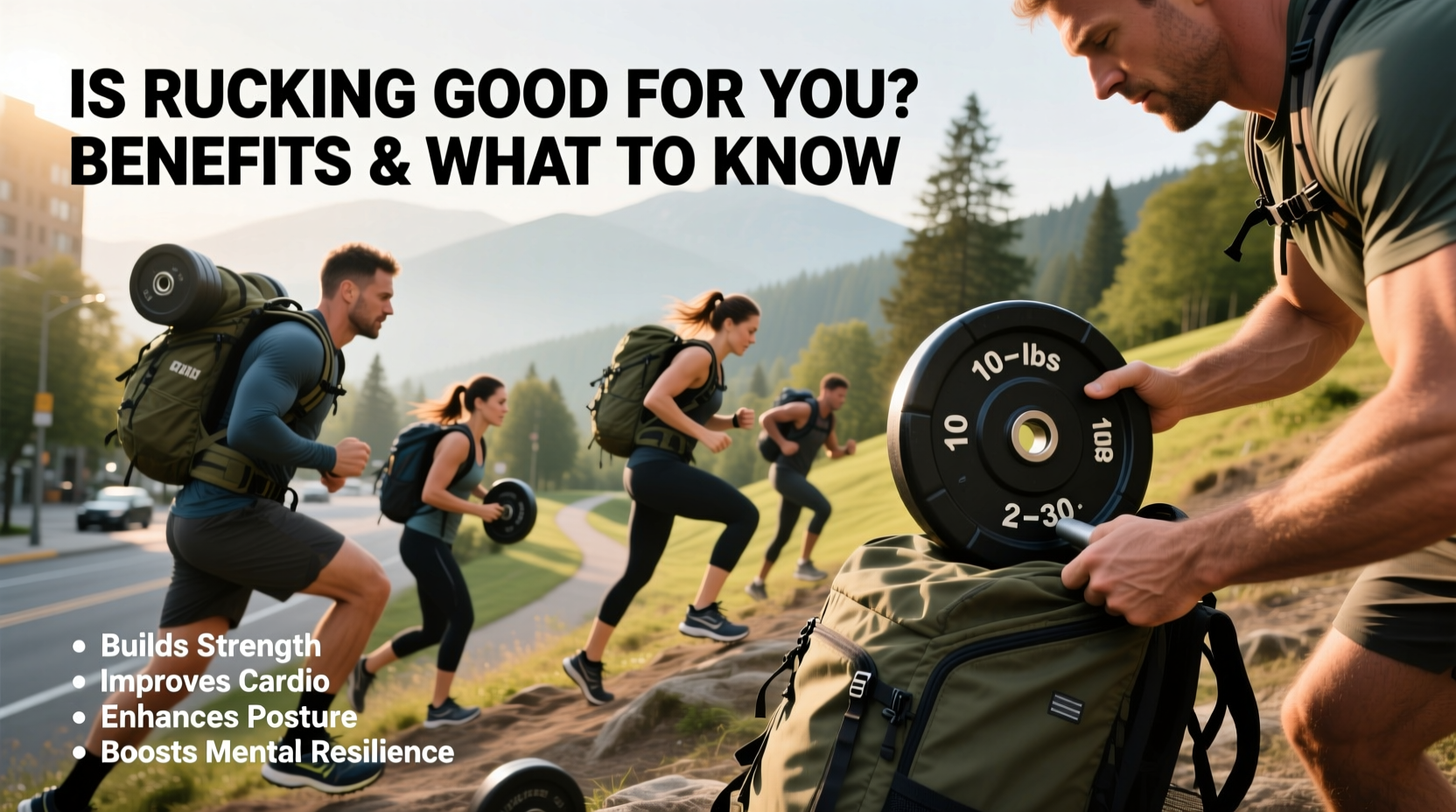
Rucking delivers a full-body workout that combines cardiovascular conditioning with muscular engagement. The added weight forces your body to work harder than during regular walking, leading to measurable improvements over time.
- Improved cardiovascular health: Carrying extra load increases heart rate, enhancing aerobic capacity without the joint stress of running.
- Muscle strengthening: Your legs, glutes, core, back, and shoulders engage to stabilize and carry the load, promoting functional strength.
- Bone density support: Weight-bearing exercise like rucking helps maintain or improve bone mineral density, reducing osteoporosis risk.
- Calorie burn boost: A 150-pound person walking at 3.5 mph burns about 149 calories per hour. Add a 30-pound pack, and that jumps to over 300 calories—nearly double.
- Joint-friendly cardio: Compared to running, rucking exerts less impact on knees and ankles while still elevating fitness levels.
“Rucking is one of the most underutilized forms of metabolic conditioning. It builds real-world strength and stamina with minimal injury risk when done correctly.” — Dr. Aaron Horschig, physical therapist and squat expert at Squat University
Mental and Lifestyle Advantages
Beyond physical gains, rucking offers unique psychological and lifestyle benefits often overlooked in traditional fitness programs.
The rhythmic nature of walking, combined with the focus required to maintain posture under load, creates a meditative effect. Many ruckers report improved mood, reduced anxiety, and clearer thinking after a session. Because it’s typically done outdoors, rucking also increases exposure to natural light and green spaces—both linked to lower cortisol levels and better sleep.
Additionally, rucking fits seamlessly into daily life. You can ruck during a lunch break, commute, or weekend hike. No equipment beyond a backpack and some weight is needed. This accessibility makes it easier to stay consistent—a key factor in long-term health.
Tip: Start your ruck early in the day to boost energy and set a productive tone. Even 20 minutes can sharpen focus and reduce afternoon fatigue.How to Start Rucking Safely: A Step-by-Step Guide
Jumping in too fast can lead to soreness or injury. Follow these steps to begin rucking effectively and sustainably.
- Choose the right backpack: Use a tactical or hiking pack with padded shoulder straps, a waist belt, and chest strap. Avoid flimsy book bags that shift or dig into shoulders.
- Select appropriate weight: Beginners should start with 10% of their body weight (e.g., 15 lbs for a 150-lb person). Increase gradually by 5–10 lbs every few weeks.
- Load the pack properly: Place heavier items close to your back and centered. Use books, water jugs, or sandbags. Secure contents so they don’t shift.
- Wear supportive footwear: Trail runners or hiking boots with good arch support and grip prevent foot fatigue and slips.
- Focus on form: Keep your head up, shoulders back, and core engaged. Take shorter strides than usual to maintain balance.
- Start slow: Begin with 20–30 minute walks on flat terrain. Aim for 2–3 sessions per week. Gradually increase duration and weight.
- Cool down and stretch: After rucking, stretch your hips, hamstrings, lower back, and shoulders to prevent tightness.
Common Mistakes to Avoid
Even a simple activity like rucking has pitfalls. Avoid these common errors to stay safe and progress steadily.
| Mistake | Why It’s a Problem | Solution |
|---|---|---|
| Starting with too much weight | Increases risk of back strain and joint pain | Begin with 10% body weight; add slowly |
| Poor backpack fit | Causes shoulder bruising and posture issues | Use a pack with waist/chest straps; adjust snugly |
| Walking too fast | Compromises form and reduces benefit | Maintain a brisk but controlled pace |
| Rucking daily without rest | Overuse injuries from lack of recovery | Limited to 3–4 times per week with rest days |
| Ignoring terrain | Hiking steep hills too soon strains joints | Start on flat, even surfaces; progress gradually |
Real-World Example: How Sarah Transformed Her Fitness with Rucking
Sarah, a 42-year-old project manager, struggled with low energy and persistent back pain from sitting all day. She tried gyms and yoga but couldn’t stay consistent. On a friend’s recommendation, she started rucking three times a week with a 20-pound pack around her neighborhood.
Within four weeks, she noticed she could walk longer without fatigue. By week eight, her lower back pain had decreased significantly, and she lost 6 pounds despite making no other changes. Now, six months in, Sarah rucks 4–5 times weekly, has increased her load to 40 pounds, and completed her first 10-mile ruck challenge. “It’s the only workout I’ve stuck with,” she says. “I feel stronger, calmer, and more in control of my health.”
What to Know Before You Begin: Key Considerations
Rucking isn’t for everyone—at least not immediately. If you have pre-existing conditions, consult a healthcare provider before adding load to your walks.
- Back or joint issues: Disc problems or arthritis may require modified loading or professional guidance.
- Pregnancy: Extra weight may not be advisable, especially in later stages. Talk to your OB-GYN.
- Foot problems: Plantar fasciitis or flat feet demand proper footwear and possibly orthotics.
- Hydration and weather: In hot climates, rucking increases sweat loss. Carry water and avoid peak heat.
Frequently Asked Questions
Can rucking help with weight loss?
Yes. Rucking burns significantly more calories than unweighted walking due to increased effort. Combined with a balanced diet, it supports sustainable fat loss while preserving muscle mass.
How heavy should my ruck be?
Beginners: 10% of body weight. Intermediate: 20–30 lbs. Advanced: 35–50+ lbs for longer distances. Always prioritize form over load.
Is rucking bad for your knees?
Not when done properly. Rucking places less impact on knees than running. However, excessive weight, poor shoes, or downhill rucking can increase strain. Build up slowly and listen to your body.
Final Thoughts: Why Rucking Might Be the Missing Piece in Your Fitness Routine
In a world of fitness complexity, rucking stands out for its simplicity and effectiveness. It doesn’t require a gym membership, expensive gear, or hours of time. Just a backpack, some weight, and the willingness to move. Whether you’re rehabbing from inactivity, training for adventure, or simply seeking a mental reset, rucking offers tangible rewards.
The key is consistency and smart progression. Respect your body’s limits, focus on technique, and let results come naturally. Over time, you’ll likely find yourself walking farther, standing taller, and feeling stronger—not just physically, but mentally resilient too.
🚀 Ready to try rucking? Grab a backpack, add a modest weight, and take your first 20-minute walk today. Small steps lead to big changes—one mile at a time.