
Living in a small apartment often means making every square foot—and every dollar—count. With limited space and budget constraints, residents must prioritize smart upgrades that deliver real value. One such innovation gaining traction is the programmable light controller. These devices allow users to automate lighting schedules, adjust brightness remotely, and even simulate occupancy when away. But for city dwellers in compact units, is this technology more novelty than necessity? The answer depends on lifestyle, goals, and how one defines “worth.”
For many urban renters, programmable lighting isn’t just about turning lights on and off—it’s about enhancing comfort, security, and efficiency without sacrificing space or convenience. When evaluated through the lens of daily habits, energy use, and long-term benefits, a programmable light controller can be a surprisingly impactful addition—even in a studio or one-bedroom unit.
Understanding Programmable Light Controllers
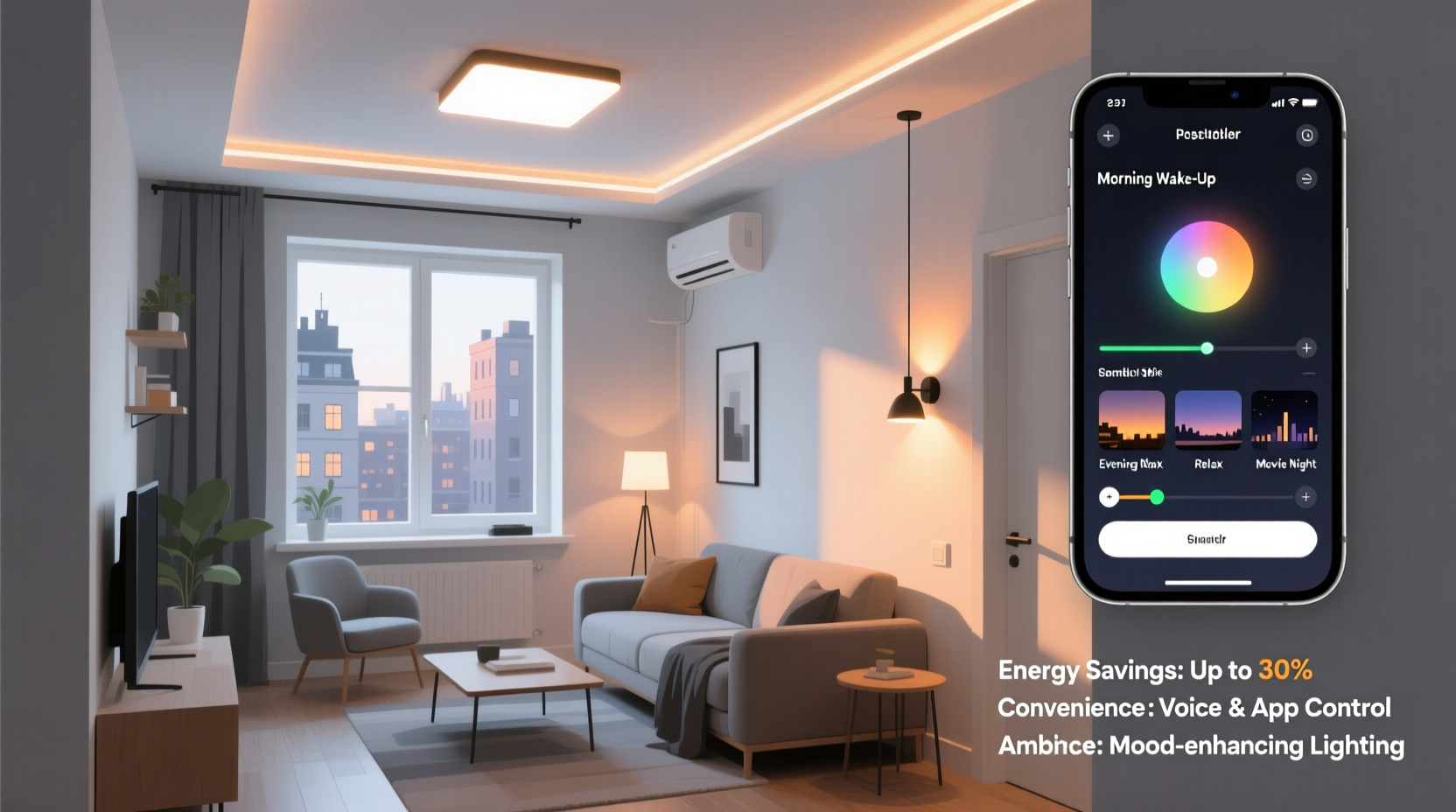
A programmable light controller is an electronic device or system that allows users to automate and manage their indoor lighting. Unlike traditional switches, these controllers can be programmed to turn lights on or off at specific times, dim gradually, change color temperature, or respond to motion, voice commands, or smartphone apps. They come in various forms: plug-in smart switches, wall-mounted smart dimmers, Wi-Fi-enabled bulbs, or whole-home systems integrated with platforms like Google Home, Amazon Alexa, or Apple HomeKit.
In a small apartment, where every fixture may serve multiple purposes—reading, cooking, relaxing—the ability to fine-tune lighting becomes especially valuable. For example, warm-toned evening lighting can help signal the body to wind down, while bright white light in the morning supports alertness. A programmable system enables these transitions automatically, aligning with circadian rhythms without manual intervention.
Tip: Start with one high-impact area—like your living room or bedroom—when introducing programmable lighting. This minimizes cost and complexity while delivering immediate benefits.Key Benefits for Small Apartment Living
Despite their compact size, small apartments present unique challenges that programmable lighting can effectively address.
Energy Efficiency and Cost Savings
One of the most tangible benefits is reduced electricity consumption. It’s common in small spaces for lights to remain on unintentionally—especially in shared areas like kitchens or hallways. Automated timers ensure lights shut off after a set period or during daylight hours, eliminating waste.
According to the U.S. Department of Energy, lighting accounts for nearly 15% of household electricity use. By using motion sensors and scheduling features, programmable systems can cut lighting-related energy usage by up to 30%. In cities with high utility rates—such as New York, San Francisco, or Seattle—those savings add up over time.
Enhanced Security and Peace of Mind
Small apartment dwellers often travel for work or leisure, sometimes leaving their homes unoccupied for days. A well-timed lighting schedule can deter potential intruders by simulating presence. Instead of relying on random lamp timers, programmable systems offer nuanced routines—lights turning on in the living room at dusk, moving to the bedroom later, then powering down—all controlled remotely via smartphone.
“Even in dense urban buildings, visible lights at inconsistent times can make a unit appear lived-in, reducing the risk of break-ins.” — Marcus Lin, Residential Security Consultant
Space Optimization Through Ambiance Control
Without room dividers or dedicated zones, small apartments rely heavily on lighting to define areas. A single open-plan unit might function as a bedroom, office, and dining space throughout the day. Programmable lighting supports these transitions seamlessly.
For instance, a morning routine could include cool white overhead lighting and task lighting at a desk. As evening approaches, the system dims to warmer tones, shifting focus to relaxation. Voice-activated scenes—like “Movie Time” or “Guest Mode”—allow instant reconfiguration with minimal effort.
Cost vs. Value: Breaking Down the Investment
The upfront cost of programmable lighting varies widely. Basic smart bulbs start around $15 each, while full smart switch installations (requiring electrician labor) can exceed $200 per room. However, evaluating worth shouldn’t be limited to sticker price—it should consider long-term utility, ease of use, and compatibility with existing infrastructure.
| Solution Type | Initial Cost (Est.) | Installation Effort | Best For |
|---|---|---|---|
| Smart Bulbs | $15–$50 per bulb | Low – screw-in replacement | Renters; temporary setups |
| Smart Plug + Lamp | $25–$40 per plug | Very Low – plug-and-play | Flexible lighting control |
| Smart Wall Switches | $30–$70 per switch + labor | High – wiring required | Owners; permanent upgrades |
| Whole-Home Hub System | $150+ (hub + devices) | Moderate – setup & pairing | Integrated automation |
For renters, non-permanent solutions like smart bulbs or plugs are ideal—they don’t require landlord approval and can be taken when moving. Homeowners or long-term tenants may benefit more from hardwired switches that blend invisibly into walls and support advanced features like multi-way control.
Tip: Look for devices compatible with your existing ecosystem (e.g., Alexa or HomeKit). Cross-platform conflicts can reduce functionality and user satisfaction.Real-World Example: A Studio Dweller’s Transformation
Consider Lena, a freelance designer living in a 450-square-foot studio in Chicago. Her space doubles as a workspace, sleep zone, and entertainment area. Before installing smart lighting, she struggled with eye strain from harsh overheads during late-night work sessions and often forgot to turn off lights when stepping out.
Lena started with two smart bulbs in floor lamps—one near her desk, another beside the bed. She programmed them to emit bright, cool light (5000K) from 8 AM to 6 PM, then transition to warm tones (2700K) in the evening. A “Focus Mode” setting increased brightness during client calls, while “Wind Down” dimmed lights gradually after 10 PM.
She also linked the system to her phone’s location. If she left the building after dark, the entryway light turned on automatically. Over six months, Lena reported improved sleep quality, fewer utility surprises, and greater emotional comfort in her home. The initial $60 investment paid for itself within a year through energy savings and reduced stress.
Step-by-Step Guide to Getting Started
Implementing programmable lighting doesn’t require technical expertise. Follow this practical timeline to integrate it smoothly into a small apartment:
- Assess Your Lighting Needs (Day 1): Walk through your apartment at different times. Note which areas need task, ambient, or accent lighting. Identify fixtures used most frequently.
- Choose the Right Entry Point (Day 2–3): Decide whether to start with bulbs, plugs, or switches. Renters should opt for non-invasive options.
- Purchase Compatible Devices (Day 4): Buy one or two starter devices. Ensure they work with your preferred voice assistant or app.
- Install and Connect (Day 5): Replace bulbs or plug in lamps. Download the companion app and follow setup instructions. Test connectivity.
- Create Your First Routine (Day 6): Program a simple schedule—e.g., “Turn on at sunset, off at midnight.” Experiment with brightness levels.
- Expand Gradually (Weeks 2–4): Add more devices based on performance. Introduce motion triggers or geofencing if desired.
- Evaluate and Optimize (Month 2): After 30 days, review energy usage, usability, and satisfaction. Adjust settings or expand further.
“Start small, think big. One smart bulb can change how you experience your entire home.” — Naomi Patel, Smart Home Integration Specialist
Common Pitfalls to Avoid
- Over-automating too soon: Complex routines with multiple conditions can become frustrating if unreliable. Begin with basic schedules.
- Ignoring compatibility: Not all smart lights work with all hubs. Check integration before purchasing.
- Underestimating Wi-Fi strength: Weak signals in certain corners of an apartment can disrupt communication between devices and apps.
- Skipping security settings: Always change default passwords and enable two-factor authentication on smart home accounts.
Frequently Asked Questions
Can I install programmable lighting in a rental apartment?
Yes—many solutions are renter-friendly. Smart bulbs, smart plugs, and portable lamps require no permanent changes. Just ensure you’re not modifying wiring or removing original fixtures without permission.
Do programmable lights really save money?
They can. While individual savings per month may seem small ($3–$8 depending on usage), they accumulate over time. More importantly, they prevent wasteful habits like leaving lights on all night. LED smart bulbs also last longer than traditional bulbs, reducing replacement costs.
Are these systems difficult to use?
Most modern systems are designed for simplicity. Apps typically guide users through setup, and voice control eliminates the need for constant app interaction. If you can use a smartphone, you can manage smart lighting.
Action Plan Checklist
Use this checklist to determine if a programmable light controller fits your lifestyle and execute implementation confidently:
- ☐ Audit current lighting usage and identify inefficiencies
- ☐ Define primary goals (security, ambiance, energy savings)
- ☐ Confirm compatibility with existing tech (phone OS, voice assistant)
- ☐ Select first device type (bulb, plug, or switch)
- ☐ Purchase and install initial device(s)
- ☐ Set up basic automation (on/off times, dimming)
- ☐ Test reliability over one week
- ☐ Expand system incrementally based on results
- ☐ Monitor energy bills and personal satisfaction monthly
Conclusion: A Smart Move for Modern Living
For small apartment dwellers, space limitations demand smarter solutions—not bigger ones. A programmable light controller may seem like a minor upgrade, but its ripple effects touch energy use, mental well-being, security, and daily convenience. It transforms static environments into responsive, adaptive spaces that evolve with your rhythm.
The investment pays dividends not only in kilowatt-hours saved but in the subtle quality-of-life improvements: waking up gently to simulated sunrise, returning home to a warmly lit space, or knowing your apartment looks occupied while you're away. These moments compound into a greater sense of control and comfort—an invaluable asset in urban living.
If you’ve been on the fence, start small. Try one smart bulb. Program one routine. Experience the difference firsthand. Technology should serve life, not complicate it. In the context of a compact home, programmable lighting isn’t just worth it—it’s a quiet revolution in how we inhabit our spaces.
💬 Have you tried programmable lighting in your apartment? Share your experience, tips, or questions below—your insights could help others make a smarter choice!








