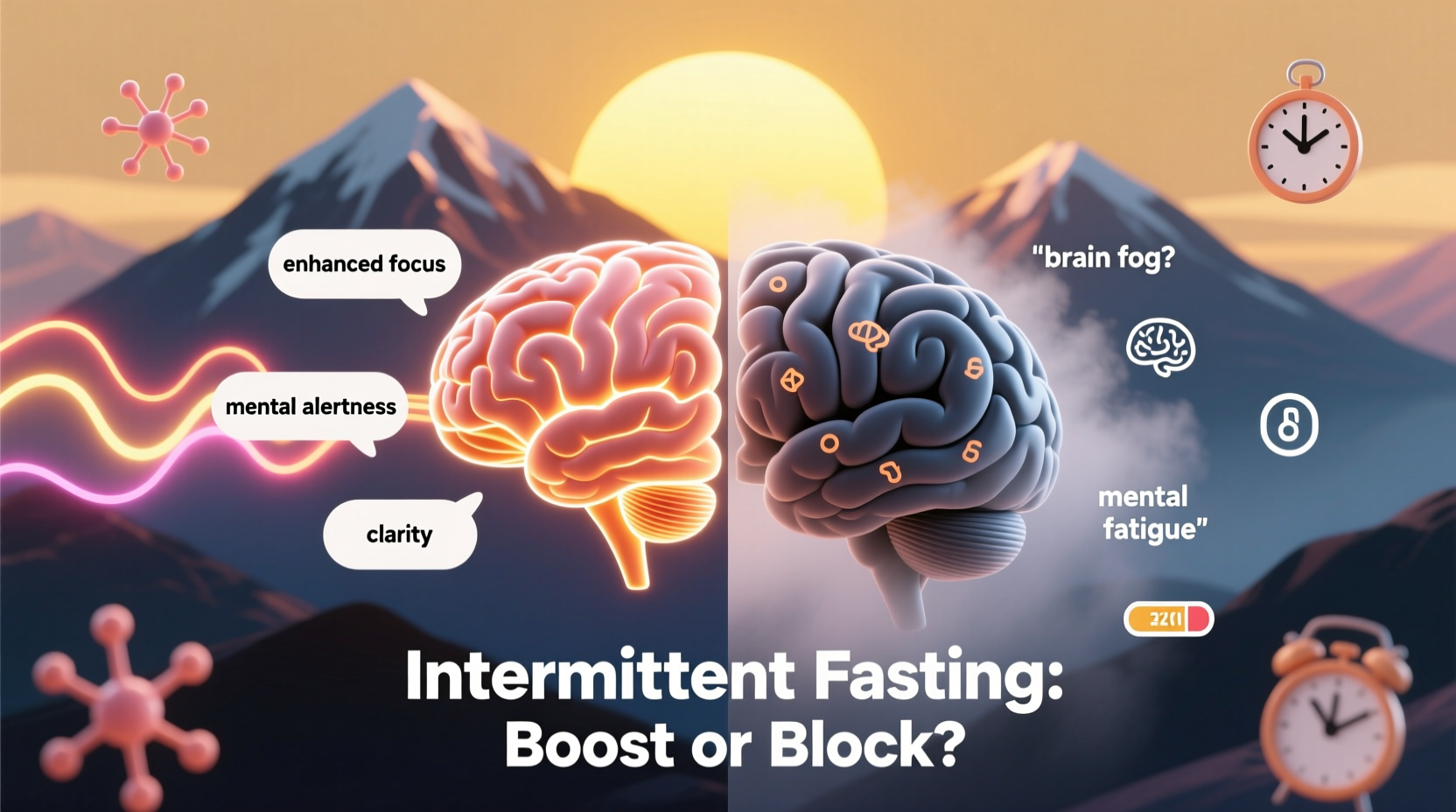
Intermittent fasting has surged in popularity not just as a weight loss strategy but as a lifestyle choice believed to enhance cognitive performance. Advocates claim sharper thinking, improved concentration, and sustained energy throughout the day. Critics, however, warn of brain fog, irritability, and diminished attention during fasting windows. So what’s the truth? Does intermittent fasting sharpen your mind—or sabotage your focus?
The answer isn’t black and white. For some, skipping meals leads to laser-like mental clarity; for others, it results in distraction and fatigue. The effects depend on individual biology, fasting protocol, diet quality, and adaptation time. This article explores the science behind fasting and cognition, examines real-world outcomes, and provides actionable guidance to help you determine whether this practice supports or hinders your mental performance.
The Science Behind Fasting and Brain Function
When you fast, your body undergoes a metabolic shift from using glucose as its primary fuel to burning fat and producing ketones. Ketones—specifically beta-hydroxybutyrate—are not only efficient energy sources for the brain but also act as signaling molecules that influence neuroprotection and cognitive function.
Research published in The Journal of Neurochemistry shows that ketones enhance mitochondrial efficiency in brain cells, reduce oxidative stress, and may stimulate the production of brain-derived neurotrophic factor (BDNF), a protein critical for neuron growth and synaptic plasticity. Higher BDNF levels are associated with improved memory, learning, and resilience against neurodegenerative diseases like Alzheimer’s.
A 2020 study from the University of California, San Francisco found that participants practicing time-restricted eating (16:8 method) reported increased alertness and reduced mental fatigue after two weeks, despite no changes in caloric intake. However, these benefits emerged only after an initial adjustment period marked by headaches and low concentration.
“After the first few days, many people report a ‘fasting high’—a state of calm alertness driven by ketone metabolism and stabilized blood sugar.” — Dr. Mark Mattson, former Chief of the Laboratory of Neurosciences at the National Institute on Aging
When Intermittent Fasting Enhances Mental Clarity
For certain individuals, especially those sensitive to blood sugar fluctuations, intermittent fasting can eliminate the mid-afternoon crash and reduce brain fog caused by insulin spikes after large meals. Eating triggers digestion, which diverts blood flow away from the brain and toward the gut. By minimizing frequent eating, some experience heightened alertness during fasting periods.
Many adopters of the 16:8 method (eating within an 8-hour window) report peak productivity in the late morning and early afternoon—times when they’re several hours into their fast but not yet hungry. During this phase, cortisol and adrenaline levels remain moderate, supporting wakefulness without the jitteriness of caffeine dependence.
Additionally, autophagy—the cellular cleanup process activated during prolonged fasting—may contribute to long-term brain health by removing damaged proteins and mitochondria in neurons. While most human data is still emerging, animal studies consistently show that intermittent fasting delays cognitive decline and improves memory retention over time.
Tip: If you work best in the morning, try delaying breakfast until 10 a.m. or noon to leverage the alertness boost from mild ketosis.When Fasting Can Impair Focus and Concentration
Not everyone thrives on reduced meal frequency. For individuals with high cognitive demands, intense physical activity, or underlying metabolic conditions, skipping meals can backfire. Symptoms like dizziness, anxiety, poor memory recall, and irritability are common during early fasting attempts.
Glucose remains the brain’s preferred fuel, particularly under stress or heavy mental load. When glycogen stores deplete and ketone production hasn’t fully ramped up, the brain may struggle to maintain optimal function. This “metabolic gap” often occurs in the first 3–7 days of starting a fasting regimen and explains why many give up prematurely.
Women may be more susceptible to negative cognitive effects due to hormonal sensitivity. Studies suggest that irregular eating patterns can disrupt cortisol and leptin rhythms, potentially worsening mood and focus, especially in those with a history of disordered eating or chronic stress.
Moreover, if your eating window includes processed foods high in sugar and refined carbs, you may experience sharp insulin swings that negate any cognitive benefit. In such cases, fasting becomes less about metabolic optimization and more about timing junk food consumption—offering little real advantage.
Common Cognitive Side Effects of Poorly Managed Fasting
- Difficulty concentrating during meetings or creative tasks
- Increased distractibility and mental fatigue
- Mood swings or heightened anxiety
- Reduced short-term memory retention
- Headaches or lightheadedness
Optimizing Intermittent Fasting for Cognitive Performance
The key to harnessing mental clarity through fasting lies in personalization and preparation. Rather than adopting a rigid protocol, consider adjusting variables based on your lifestyle, energy needs, and cognitive workload.
Step-by-Step Guide to Cognitive-Friendly Fasting
- Start gradually: Begin with a 12-hour fast (e.g., 7 p.m. to 7 a.m.) and extend by one hour every few days.
- Hydrate strategically: Drink water, herbal tea, or electrolyte-infused beverages during fasting hours to prevent dehydration-related brain fog.
- Time your eating window around peak mental demands: If you need sharp focus at 8 a.m., don’t start your day fasted. Eat early and adjust your window accordingly.
- Prioritize nutrient-dense foods: Emphasize healthy fats (avocado, nuts), lean proteins, and fiber-rich vegetables to sustain energy and support neurotransmitter production.
- Monitor cognitive output: Keep a daily log rating focus, mood, and mental stamina on a scale of 1–10 to track trends over time.
- Listen to your body: Persistent brain fog, insomnia, or irritability are signs to reevaluate or pause fasting.
| Fasting Approach | Best For | Risks to Focus |
|---|---|---|
| 16:8 (16-hour fast) | Office workers, students, moderate exercisers | Morning grogginess if not adapted |
| 18:6 or 20:4 (Warrior Diet-style) | Experienced fasters seeking ketosis | High risk of mental fatigue without proper nutrition |
| Alternate-Day Fasting | Weight loss goals with medical supervision | Significant drop in concentration on fast days |
| Early Time-Restricted Eating (e.g., 8 a.m.–4 p.m.) | Night shift workers, insulin-resistant individuals | Potential evening fatigue affecting decision-making |
Real-World Example: A Software Developer’s Experience
James, a 34-year-old software engineer in Austin, began intermittent fasting to lose weight and improve his energy. Initially drawn by claims of enhanced focus, he adopted a strict 18:6 schedule, breaking his fast at 6 p.m. daily.
Week one was brutal. He struggled to debug code, missed deadlines, and felt irritable during team calls. His concentration dipped sharply between 2–4 p.m., precisely when client meetings were scheduled.
After consulting a nutritionist, James shifted his eating window to 11 a.m.–7 p.m., aligning better with his work rhythm. He added MCT oil to his morning coffee and increased protein intake. Within ten days, his mental clarity returned—and surpassed previous levels. He now credits fasting with reducing post-lunch sluggishness and improving his ability to enter deep work states.
“It wasn’t fasting itself that helped,” James said. “It was doing it right—with enough fuel, proper timing, and patience during adaptation.”
Checklist: Is Your Fasting Routine Supporting Mental Clarity?
- ✅ I consume balanced, whole-food meals during my eating window
- ✅ I stay hydrated with water and electrolytes during the fast
- ✅ My fasting schedule aligns with my natural energy peaks
- ✅ I’ve given myself at least 1–2 weeks to adapt before judging results
- ✅ I’m not experiencing persistent headaches, anxiety, or sleep issues
- ✅ I adjust my approach based on how I feel cognitively each day
- ✅ I avoid high-sugar foods during eating periods to prevent crashes
Expert Insights on Fasting and Cognition
Dr. Rhonda Patrick, a biomedical scientist specializing in aging and metabolism, emphasizes that context matters. “Fasting isn’t a one-size-fits-all tool. For someone metabolically flexible, it can be a powerful way to enhance BDNF and mental resilience. But for others—especially under high stress or poor sleep—it can increase cortisol and impair executive function.”
She recommends combining fasting with other brain-supportive habits: regular exercise, quality sleep, and omega-3 fatty acid intake. “Fasting amplifies your baseline state,” she says. “If you’re already depleted, it may deepen the deficit. If you’re well-resourced, it can elevate performance.”
Frequently Asked Questions
Can intermittent fasting cause brain fog?
Yes, especially during the initial adaptation phase. As your body shifts from glucose to ketone metabolism, temporary cognitive dips are common. These usually resolve within a week if hydration and electrolyte balance are maintained.
Does coffee break a fast and affect mental clarity?
Black coffee doesn’t break a fast and may even enhance focus due to caffeine and potential ketone-boosting effects. However, excessive intake can increase cortisol and anxiety, counteracting benefits. Limit to 1–2 cups and avoid adding sugar.
Who should avoid intermittent fasting for cognitive reasons?
Individuals with a history of eating disorders, type 1 diabetes, advanced adrenal fatigue, or pregnant/breastfeeding women should consult a healthcare provider before fasting. Those in high-stress jobs requiring constant decision-making may also find fasting counterproductive without careful planning.
Conclusion: Finding Your Cognitive Sweet Spot
Intermittent fasting can either elevate or undermine mental clarity—it all depends on how you implement it. For many, the practice stabilizes energy, reduces inflammation, and fosters a calm, focused mindset once adaptation occurs. For others, especially those with demanding schedules or metabolic sensitivities, it may lead to distraction, fatigue, and frustration.
The difference lies not in fasting itself, but in alignment: with your biology, your routine, and your nutritional choices. There’s no universal rule that skipping breakfast will make you smarter or that eating six small meals guarantees focus. What works is intentionality—choosing a rhythm that supports your cognitive goals, not one dictated by trends.
🚀 Ready to test how fasting affects your mind? Start with a gentle 12-hour fast, track your focus daily, and adjust based on real feedback—not hype. Share your journey in the comments and help others navigate this powerful—but personal—tool.








