Intermittent fasting has surged in popularity as a lifestyle strategy for weight management, metabolic health, and mental clarity. But one of the most common concerns people express is how it affects daily energy. Some report feeling sharper and more alert during fasting windows, while others describe fatigue, brain fog, and irritability. So what’s the truth? Can intermittent fasting boost your energy—or does it actually deplete it?
The answer isn’t universal. It depends on individual physiology, fasting protocol, diet quality, hydration, sleep, and adaptation period. When implemented thoughtfully, intermittent fasting can stabilize energy by improving insulin sensitivity and encouraging fat-burning. But if approached too aggressively or without proper support, it may lead to temporary energy crashes. Understanding the mechanisms behind both outcomes helps you make informed choices.
How Intermittent Fasting Affects Energy Metabolism
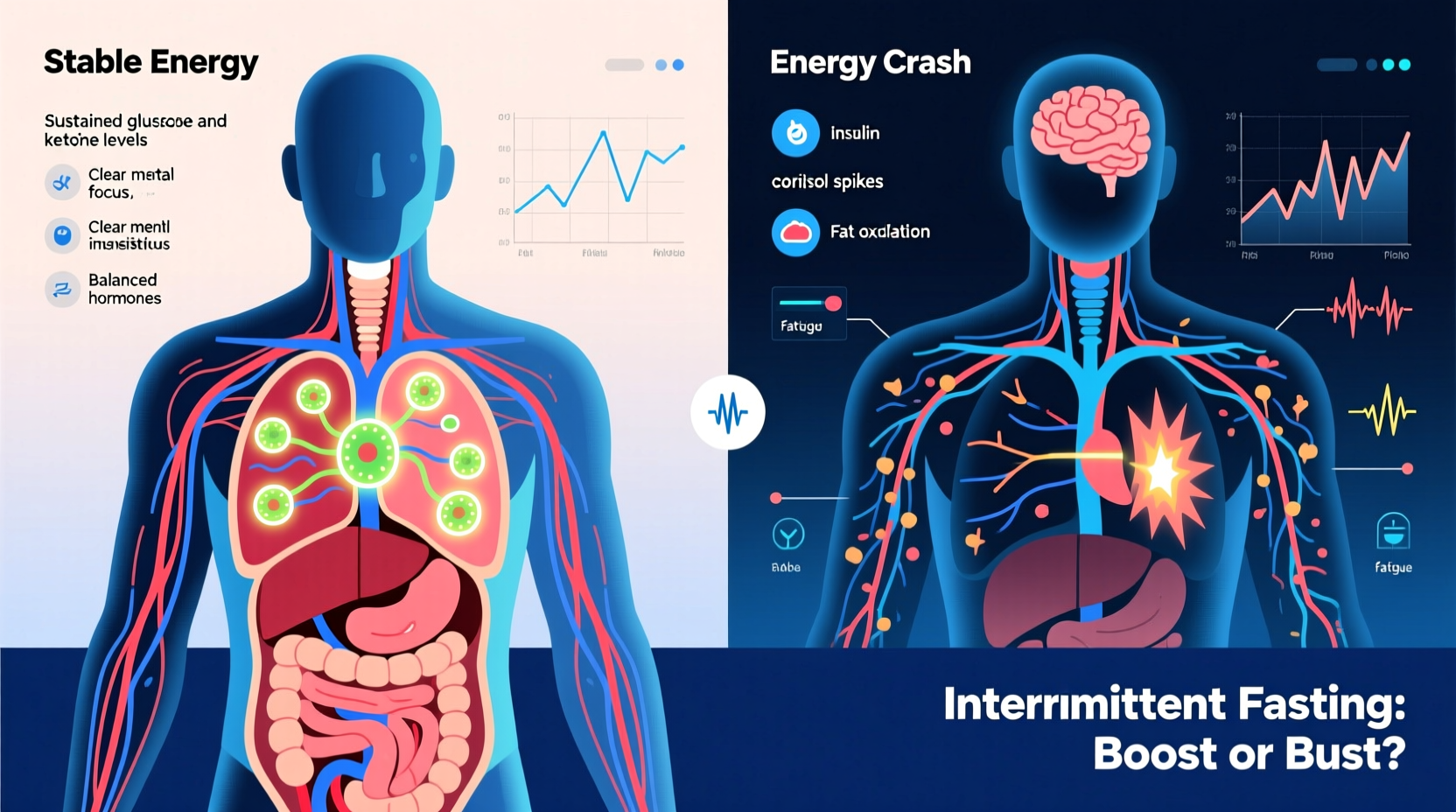
Energy levels are closely tied to blood glucose regulation and mitochondrial efficiency. Normally, the body runs on glucose derived from food, especially carbohydrates. After eating, insulin rises to shuttle glucose into cells. Between meals, when glucose drops, the body turns to stored glycogen, then eventually to fat for fuel.
Intermittent fasting extends the time between meals, prompting this metabolic shift earlier. As glycogen stores deplete—typically after 12–16 hours of fasting—the body increases fat oxidation and produces ketones, which serve as an alternative fuel source for the brain and muscles. This transition, known as metabolic flexibility, is key to sustained energy without constant snacking.
“Once adapted, many people find their energy becomes more stable because they’re no longer riding the blood sugar rollercoaster.” — Dr. Krista Varady, nutrition researcher and author of *The Obesity Code*.
However, this adaptation takes time. In the early stages—often the first 3 to 7 days—many experience low energy, headaches, or shakiness as the body recalibrates. These symptoms usually subside as metabolic pathways adjust and the brain learns to utilize ketones efficiently.
When Intermittent Fasting Boosts Energy
After adaptation, a significant number of individuals report improved focus, mental clarity, and physical stamina. Several factors contribute to this positive shift:
- Stable blood sugar: Fewer meals mean fewer insulin spikes, reducing energy crashes after eating.
- Increased norepinephrine: Fasting triggers mild stress responses that elevate alertness hormones.
- Enhanced mitochondrial function: Prolonged fasting periods stimulate mitophagy (clean-up of old mitochondria) and biogenesis (creation of new ones).
- Reduced inflammation: Chronic inflammation is linked to fatigue; fasting may lower inflammatory markers like CRP.
A 2020 study published in Nutrition and Healthy Aging found that participants following a 16:8 fasting schedule reported better mood and energy levels after eight weeks compared to controls, despite no changes in calorie intake.
Tip: If you're new to fasting, start with a 12-hour fast (e.g., 7 p.m. to 7 a.m.) and gradually extend the window to allow your body to adapt smoothly.When Fasting Can Crash Energy Levels
Not everyone thrives on intermittent fasting. For some, particularly in the beginning or under certain conditions, energy plummets. Common causes include:
- Overly aggressive protocols: Jumping straight into 20-hour fasts or alternate-day fasting without preparation.
- Poor nutrition during eating windows: Consuming processed foods high in sugar and refined carbs undermines metabolic benefits.
- Dehydration: Many forget to drink enough fluids during fasting, leading to fatigue and headaches.
- Sleep deprivation: Poor sleep amplifies hunger hormones and reduces energy reserves.
- High physical or mental stress: Demanding jobs, intense workouts, or emotional strain increase energy needs.
Women may be more sensitive to fasting due to hormonal fluctuations. Research suggests that prolonged fasting can disrupt cortisol and leptin balance, potentially affecting menstrual cycles and energy regulation, especially in those with a history of disordered eating.
Real Example: Sarah’s Experience with 16:8 Fasting
Sarah, a 34-year-old project manager, decided to try intermittent fasting to improve her afternoon energy slump. She started with a 16:8 plan—eating between noon and 8 p.m.—but within two days felt irritable, light-headed, and exhausted by mid-afternoon.
After consulting a nutritionist, she realized she wasn’t eating enough protein or healthy fats during her eating window and was skipping breakfast even on non-fasting days. She adjusted by adding a nutrient-dense lunch with salmon, avocado, and leafy greens, drinking herbal tea and electrolyte water during her fast, and shifting her eating window to 10 a.m.–6 p.m. to better align with her activity levels.
By week three, her energy stabilized. “I used to need coffee just to get through meetings,” she said. “Now I feel steady all day. The key was not just fasting—but fueling properly when I ate.”
Strategies to Maintain Energy While Fasting
To harness the benefits of intermittent fasting without crashing, consider these evidence-based approaches:
1. Prioritize Nutrient Density
What you eat during your feeding window matters more than ever. Focus on whole foods rich in protein, fiber, healthy fats, and micronutrients. These provide lasting satiety and sustained energy.
2. Stay Hydrated with Electrolytes
During fasting, sodium, potassium, and magnesium levels can drop, contributing to fatigue. Sipping bone broth, adding a pinch of sea salt to water, or consuming electrolyte supplements (without sugar) can help maintain balance.
3. Time Your Fast Around Activity
Align your fasting window with lower-energy periods. For example, if you work out in the morning, consider breaking your fast post-exercise. Alternatively, fast during sedentary times (like overnight and morning) when energy demands are lower.
4. Support Sleep and Stress Management
Poor sleep increases ghrelin (the hunger hormone) and decreases leptin (satiety hormone), making fasting harder and energy lower. Aim for 7–9 hours of quality sleep and practice mindfulness, deep breathing, or light stretching to manage cortisol.
5. Listen to Your Body
Fasting shouldn’t feel punishing. If you experience dizziness, extreme fatigue, or mood disturbances, shorten your fast or pause altogether. Fasting should enhance life—not drain it.
Tip: Black coffee, green tea, and plain sparkling water are generally acceptable during fasting and can boost alertness without breaking the fast.Comparison Table: Fasting Approaches and Energy Impact
| Fasting Method | Typical Duration | Energy Impact (Early Phase) | Energy Impact (Adapted Phase) | Best For |
|---|---|---|---|---|
| 12:12 | 12 hours fast, 12 hours eat | Minimal disruption | Slight improvement | Beginners, women, shift workers |
| 16:8 | 16 hours fast, 8 hours eat | Mild fatigue possible | Often increased focus/stability | Most adults seeking routine structure |
| 18:6 | 18 hours fast, 6 hours eat | Moderate fatigue common | Noticeable mental clarity for some | Experienced fasters, metabolic goals |
| OMAD (One Meal a Day) | ~23-hour fast | High risk of crash | Variable—can cause burnout | Short-term use under supervision |
| Alternate-Day Fasting | 24-hour cycles | Frequent energy dips | Unpredictable; often unsustainable | Research settings, not daily use |
Step-by-Step Guide: Building Energy-Positive Fasting Habits
- Week 1: Start with 12-hour fasts. Stop eating at 7 p.m., resume at 7 a.m. Focus on hydration and balanced dinners.
- Week 2: Extend to 14 hours. Push breakfast to 9 a.m. Add lemon water or herbal tea in the morning.
- Week 3: Move to 16:8. Eat between 12 p.m. and 8 p.m. Ensure meals include protein, fiber, and healthy fats.
- Week 4: Assess energy and mood. Track how you feel each day. Adjust timing or macronutrients as needed.
- Ongoing: Refine based on feedback. Shift eating windows around workouts or social events. Take breaks if stressed or ill.
Frequently Asked Questions
Can intermittent fasting cause fatigue?
Yes, especially during the initial adaptation phase. Fatigue often results from dehydration, electrolyte imbalances, or inadequate calorie and nutrient intake during eating windows. Most people find energy improves after 1–2 weeks as the body adjusts.
Does fasting affect exercise performance?
It depends on the type and timing. Low-intensity activities like walking or yoga are generally well-tolerated during fasting. High-intensity training may suffer initially, but some athletes adapt and perform well in a fasted state, particularly if fat-adapted. Consider fueling before intense sessions if energy lags.
Is it normal to feel tired in the afternoon while fasting?
Initially, yes—especially if you’re used to post-lunch snacks or caffeine crashes. Over time, consistent blood sugar from reduced meal frequency often eliminates the classic 3 p.m. slump. Staying hydrated and managing stress supports this transition.
Checklist: Optimize Your Fasting for Energy
- ☑ Start slow—don’t jump into long fasts immediately
- ☑ Drink water, herbal tea, or electrolyte beverages during fasting
- ☑ Eat balanced meals with protein, fiber, and healthy fats
- ☑ Avoid sugary or processed foods during eating windows
- ☑ Align fasting with your natural rhythm and workload
- ☑ Get 7–9 hours of sleep nightly
- ☑ Monitor energy, mood, and digestion—adjust as needed
- ☑ Consult a healthcare provider if you have medical conditions
Conclusion: Finding Your Fasting Sweet Spot
Intermittent fasting isn’t inherently energizing or draining—it’s a tool whose effects depend on how you use it. For many, it offers a path to steadier energy, reduced reliance on sugar, and greater mental clarity. For others, especially when misapplied, it can lead to burnout and fatigue.
The goal isn’t to endure discomfort but to create a sustainable rhythm that supports vitality. Pay attention to your body’s signals, prioritize nourishment, and tailor your approach to your lifestyle. Done right, intermittent fasting can become a powerful ally in maintaining consistent, high-quality energy throughout the day.
💬 Have you tried intermittent fasting for energy? Share your experience below—what worked, what didn’t, and how you found your balance.








