Camping has evolved. What once meant disconnecting from modern life now often includes staying connected—just on your own terms. Whether you're filming nature with a 4K camera, tracking weather on a tablet, or keeping your phone charged for navigation, modern campers rely on more than just matches and maps. Enter the portable power station: a compact, battery-powered energy hub that can run everything from smartphones to mini-fridges. But is it really worth adding one to your gear list? For many outdoor enthusiasts, the answer isn’t just yes—it’s essential.
The Rise of Tech-Dependent Camping
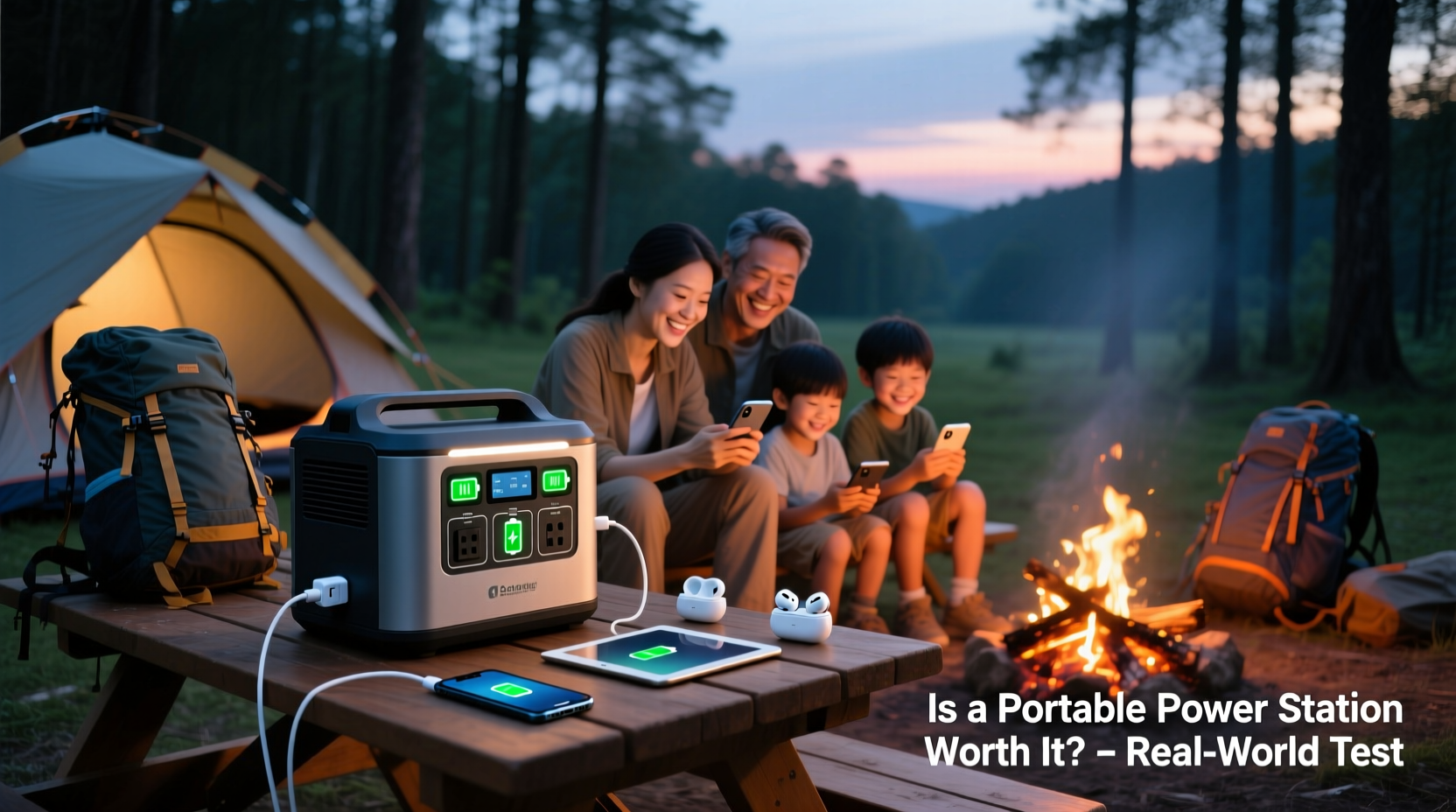
Gone are the days when “roughing it” meant no electricity at all. Today’s campers bring drones, GPS units, headlamps, CPAP machines, and even portable projectors. These devices enhance safety, comfort, and enjoyment—but they all need power. Traditional solutions like car batteries or gas generators come with drawbacks: noise, emissions, limited portability, or dependency on fuel availability.
Portable power stations offer a clean, quiet alternative. They store electrical energy in lithium-ion or LiFePO4 batteries and deliver it through AC outlets, USB ports, DC outputs, and sometimes even wireless charging. Unlike solar panels alone—which only produce power during daylight—these units store energy for use anytime, day or night.
Tip: Pair your power station with a foldable solar panel for sustainable recharging in remote areas.When a Portable Power Station Makes Sense
Not every camping trip demands a power station. A weekend hike with minimal gear might not benefit from carrying an extra 10–30 pounds of electronics. However, certain scenarios make these devices indispensable:
- Family camping trips: Kids’ tablets, cameras, and lighting all draw power over several days.
- Rainy weather: Extended stays in wet conditions mean more indoor device usage and less natural light.
- Work-from-wilderness setups: Remote workers using laptops, hotspots, and monitors need reliable off-grid power.
- Medical needs: Travelers relying on CPAP machines or refrigerated medications require consistent power sources.
- Night photography or videography: Long exposure shots or drone flights drain batteries quickly.
In these cases, the convenience, reliability, and versatility of a portable power station far outweigh the added weight and cost.
“Modern adventurers expect functionality without sacrificing sustainability. Portable power stations bridge that gap by offering silent, emission-free energy where the grid doesn’t reach.” — Dr. Lena Torres, Outdoor Technology Researcher at Mountain Institute
Key Features to Consider Before Buying
Not all power stations are created equal. Choosing the right model depends on your specific needs, duration of trips, and types of devices used. Here are the most important factors to evaluate:
Capacity (Watt-Hours)
This determines how much total energy the unit can store. A 300Wh station might charge a smartphone 50 times but only run a small fridge for 4–6 hours. For multi-day trips with multiple devices, aim for 500Wh or higher.
Output Ports & Power Delivery
Check the number and type of ports:
- AC outlets (for laptops, blenders, or projectors)
- USB-A and USB-C PD (for fast-charging phones and cameras)
- DC 12V (for car fridges or LED lights)
- Wireless charging pads (convenient but slow)
Battery Type
Lithium-ion is common and lightweight, but LiFePO4 (lithium iron phosphate) lasts longer—up to 3,000+ charge cycles—and performs better in extreme temperatures, making it ideal for rugged environments.
Recharge Options
The best units offer multiple ways to recharge:
- Solar input (essential for extended off-grid use)
- Wall outlet (fastest method at home)
- Car charger (useful while driving to campsite)
- Dual charging (solar + wall simultaneously)
Portability & Durability
Weigh the unit against your packing limits. Stations under 10 lbs are highly portable; those over 25 lbs may require dedicated storage space. Look for rugged casing, dust resistance, and clear display screens showing remaining charge and input/output levels.
Comparison Table: Top Models for Campers
| Model | Capacity (Wh) | Weight (lbs) | Key Outputs | Solar Compatible | Best For |
|---|---|---|---|---|---|
| JACKERY Explorer 300 | 293 | 7.1 | 2x AC, 2x USB-A, 1x USB-C | Yes (60W max) | Lightweight backpackers |
| BLUETTI EB3A | 268 | 6.8 | 2x AC, 2x USB-A, 1x USB-C, 1x DC | Yes (200W max) | Fast solar recharging |
| ECOFLOW River 2 Pro | 768 | 14.3 | 4x AC, 3x USB, 1x USB-C PD 100W, DC | Yes (200W max) | Families & van lifers |
| ANKER SOLIX C300 | 256 | 7.2 | 1x AC, 2x USB, 1x USB-C, 1x DC | Yes (200W max) | Compact design lovers |
| GENPOWER T1500 (LiFePO4) | 1536 | 38.5 | 4x AC, 4x USB, 2x DC, RV outlet | Yes (400W max) | Extended off-grid trips |
A Real-World Example: The Mountain Lake Trip
Consider Sarah, an amateur photographer who planned a five-day solo camping trip near Banff National Park. She brought her DSLR, drone, satellite communicator, headlamp, and heated jacket—all requiring regular charging. Without a power station, she would have needed six heavy spare batteries just to stay powered.
Instead, she packed a BLUETTI EB70 (1000Wh capacity) and a 200W foldable solar panel. Each morning, she set the panel outside her tent. By noon, it had replenished about 60% of the previous day’s usage. At night, she ran a small LED string light and charged her gear simultaneously. On day four, clouds rolled in—but because she conserved power early, she still had enough juice to operate her emergency beacon during a brief navigation error.
For Sarah, the investment paid off in both convenience and peace of mind. “I didn’t worry about battery life,” she said later. “I could focus on taking photos instead of rationing charges.”
Step-by-Step Guide: Using a Power Station Efficiently on a Camping Trip
- Before You Go: Inventory all electronic devices and note their wattage and typical usage time. Use this to estimate total daily watt-hour needs.
- Charge Fully: Plug the station into a wall outlet the night before departure. If possible, test all ports with your devices.
- Pack Smart: Store the unit in a dry, padded compartment. Bring extension cords or power strips if running multiple devices.
- Deploy Solar Early: Set up solar panels as soon as you arrive at camp, ideally facing south with minimal shade.
- Use Energy Wisely: Prioritize essential devices. Turn off the station when not in use to prevent phantom drain.
- Monitor Levels: Check the display screen twice daily. Avoid dropping below 20% to extend battery lifespan.
- Recharge Whenever Possible: Even partial solar gain helps. Drive with the car charger plugged in during return trips.
Common Myths Debunked
Myth: They’re too expensive for casual use.
Reality: Entry-level models start around $200—less than a high-end sleeping bag. Over three years, even occasional users save money compared to buying disposable batteries or renting equipment.
Myth: Solar charging takes forever.
Reality: A 200W panel can fully recharge a 500Wh station in 3–5 hours under optimal sunlight. Newer models with dual-phase charging cut that time further.
Myth: They’re fragile and unsafe.
Reality: Reputable brands include built-in protections against overcharging, short circuits, and overheating. Many meet UL or CE safety standards.
FAQ
Can I take a portable power station on a plane?
No, most airlines prohibit lithium-based power stations larger than 100Wh in carry-on or checked luggage due to fire risk. Always check with your carrier, but assume transport by vehicle is required.
How long do these units last?
Most last 5–7 years with proper care. Lithium-ion models degrade after 500–1000 cycles; LiFePO4 versions can exceed 3000 cycles. Store at 50–80% charge when not in use.
Do I need solar panels, or can I just recharge at home?
If you camp within driving distance of home and return frequently, wall charging may suffice. But for true off-grid independence, solar compatibility is critical.
Conclusion: Power Where You Need It Most
A portable power station isn’t just a gadget—it’s a gateway to greater freedom in the outdoors. It enables safer travel, richer experiences, and unexpected comforts without compromising environmental responsibility. While not every camper needs one, anyone who relies on electronics beyond basic flashlights will find it transformative.
The value isn’t measured solely in watts or weight, but in moments made possible: capturing the perfect sunrise on a full battery, staying informed during sudden storms, or simply reading a book with soft light after dark. In today’s world, disconnecting doesn’t mean going dark.
🚀 Ready to upgrade your camping experience? Start by calculating your daily power needs, then explore models that match your adventure style. Share your favorite setup in the comments—your insight could help another explorer stay charged in the wild.








