For many outdoor enthusiasts, the idea of disconnecting from civilization is part of the appeal of camping. Yet, as technology becomes more integrated into our lives—even in the wild—questions arise about how much gear we really need. One device gaining popularity is the portable power station. Marketed as a silent, emission-free alternative to gas generators, these battery-powered units promise to keep phones charged, lights glowing, and even small appliances running off-grid. But with weights ranging from 10 to 60 pounds and price tags climbing past $1,000, it’s fair to ask: Is a portable power station worth it for camping, or is it just extra baggage?
The answer isn’t universal. It depends on your style of camping, how reliant you are on electronics, and what kind of experience you’re after. For some, a power station transforms a weekend in the woods into a comfortable extension of home. For others, it undermines the simplicity they seek. Let’s break down the real value, limitations, and practical considerations.
When a Portable Power Station Adds Real Value
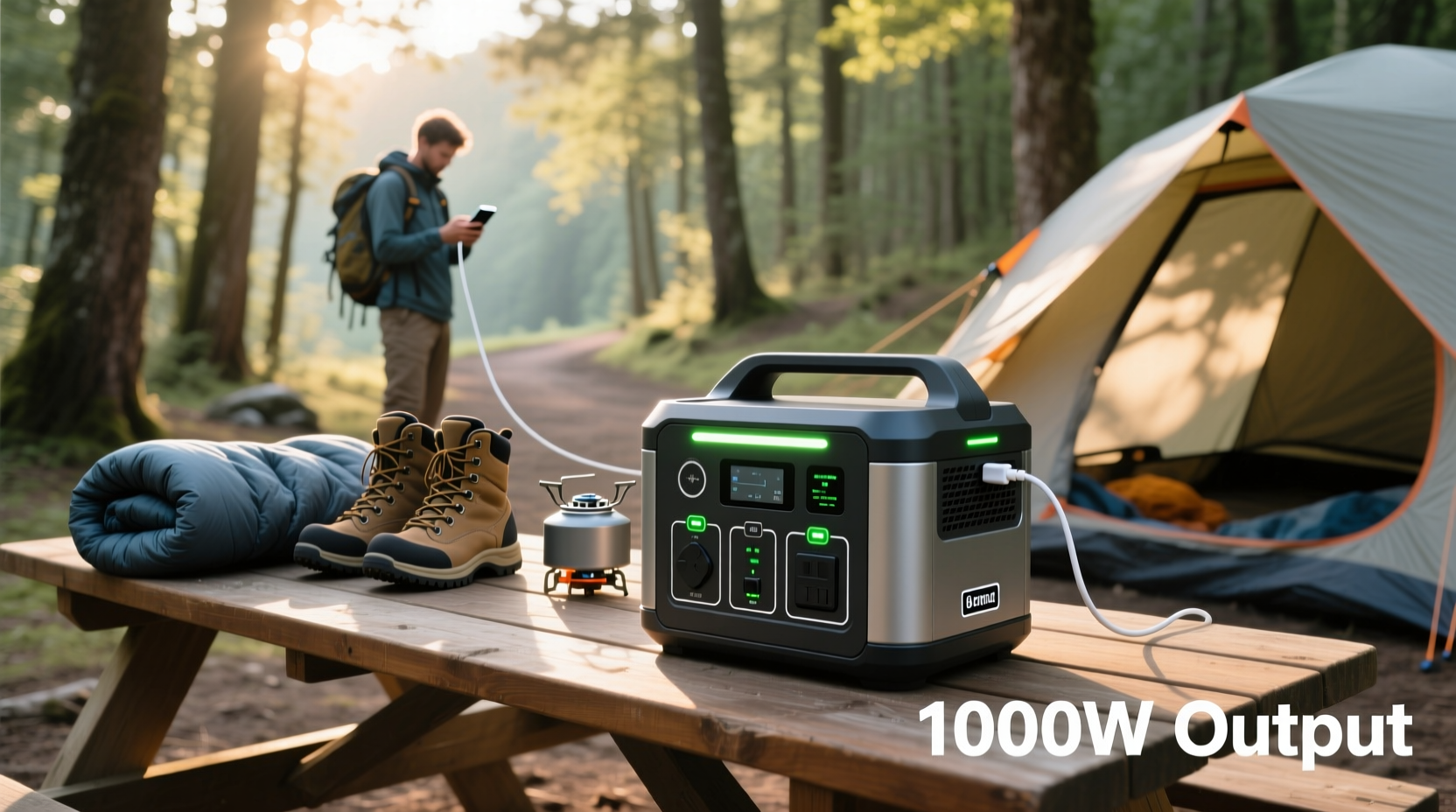
Not all camping trips are created equal. The usefulness of a portable power station hinges largely on context. In certain scenarios, it stops being a luxury and starts being a necessity.
Consider family camping with young children. Keeping tablets charged for entertainment during rainy days, powering a CPAP machine at night, or running a small fan in hot weather can make the difference between a manageable trip and a miserable one. Similarly, van lifers and overlanding adventurers often rely on refrigeration for food storage, lighting for safety, and communication devices for navigation—all of which demand consistent power.
Photographers and content creators who document their outdoor experiences also benefit. A full day shooting video drains batteries quickly, and without access to grid power, recharging multiple cameras, drones, and laptops becomes a logistical challenge. A power station with sufficient capacity can recharge several devices overnight, ensuring readiness for the next day’s adventure.
“Power isn’t just convenience—it’s capability. For remote researchers and emergency responders, a portable station isn’t optional; it’s mission-critical.” — Dr. Alan Reyes, Outdoor Technology Researcher, National Institute of Wilderness SystemsTip: If you're using medical devices like CPAP machines or insulin coolers, a reliable power source isn't a luxury—it's a health requirement.
When It’s Just Extra Baggage
On the flip side, for minimalist backpackers or those pursuing a true back-to-nature experience, a portable power station may do more harm than good. Carrying an additional 20–30 pounds through rugged terrain contradicts the ethos of lightweight, self-sufficient travel. Solar panels, while renewable, add bulk and require optimal sun exposure to be effective—something not guaranteed in dense forests or during extended rain.
Moreover, the psychological impact matters. The moment you plug in a blender or fire up a coffee maker at a remote campsite, you blur the line between camping and glamping. Some purists argue that this diminishes the core purpose of escaping modern life. Charging a phone once a day might be reasonable, but creating a fully powered mini-apartment in the woods risks turning nature into a backdrop for urban comforts.
There’s also the financial angle. Entry-level stations start around $300, but models with enough watt-hours (Wh) to run high-draw appliances safely can cost $800–$1,500. For occasional campers, that investment rarely pays off in utility. Compare that to a $30 solar charger or a set of spare power banks—solutions that meet basic needs without the weight or expense.
Key Factors to Evaluate Before Buying
Before deciding whether a portable power station is right for you, assess these five critical factors:
- Capacity (Watt-hours): This determines how much energy the unit stores. A 300Wh station might charge a phone 20 times or run a small fan for 10 hours. For reference, a typical CPAP machine uses 30–60Wh per hour, so a 500Wh unit could last 8–15 nights depending on usage settings.
- Output Options: Check for AC outlets, USB-A/C ports, 12V carports, and DC outputs. More versatility means broader device compatibility.
- Weight and Portability: Units under 15 lbs are manageable for most campers. Anything above 25 lbs should only be considered for car camping or base camps.
- Recharge Methods: Can it recharge via wall outlet, car charger, or solar panels? Dual or triple charging options increase flexibility in remote areas.
- Durability and Weather Resistance: While most aren’t waterproof, some have rugged casings or dust resistance—important for unpredictable outdoor conditions.
Comparison Table: Common Use Cases vs. Power Needs
| Device | Power Draw (Watts) | Runtime on a 500Wh Station | Practical for Camping? |
|---|---|---|---|
| Smartphone (charging) | 10W | ~50 full charges | Yes – highly practical |
| LED Camping Light | 5W | ~100 hours | Yes – efficient and useful |
| CPAP Machine (with humidifier) | 50W | ~10 hours | Yes – essential for users |
| Mini Fridge (12V) | 60W | ~8 hours | Situational – great for food preservation |
| Coffee Maker (electric) | 800W | Less than 1 hour (if supported) | Rarely – high draw, short runtime |
| Blender | 300W | ~1.5 hours | No – inefficient use of limited power |
Real-World Example: The Lake Tahoe Family Trip
A family of four planned a five-day summer camping trip near Lake Tahoe. The parents wanted to capture memories with a drone and DSLR camera, the kids relied on tablets for long drives and downtime, and the father used a CPAP machine nightly. Their initial plan included multiple power banks and hopes of finding campground outlets. After realizing the site had no hookups and unreliable cell service, they invested in a 510Wh power station with solar charging capability.
The result? They were able to recharge all devices daily, run LED lights after dark, and operate the CPAP without anxiety. The solar panel kept the station topped up during sunny afternoons. While the unit weighed 28 pounds, they transported it in a wheeled cart from their car to the tent area—a minor inconvenience outweighed by the benefits.
“We didn’t feel stranded,” said Sarah Lin, the mother. “We could still share photos with grandparents in real time and keep the kids entertained when storms rolled in. It made the trip enjoyable instead of stressful.”
In contrast, a solo hiker attempting a three-day trek in the Sierra Nevada would find such a setup impractical. Every ounce counts, and sunlight exposure varies. For them, a compact 10,000mAh power bank paired with a foldable solar charger was more than adequate—lightweight, affordable, and sufficient for emergency GPS and phone use.
Step-by-Step Guide: Choosing the Right Power Solution
Follow this decision framework to determine whether a portable power station—or a simpler alternative—is right for your camping style:
- Assess Your Power Needs: List every device you plan to use and its wattage. Multiply by expected hours of use per day to estimate total daily watt-hours needed.
- Define Your Camping Style: Are you car camping, van dwelling, backpacking, or base camping? Weight and accessibility constraints vary drastically.
- Set a Realistic Budget: Determine how much you’re willing to spend and whether the cost aligns with frequency of use.
- Compare Recharging Options: If you’ll be off-grid for days, prioritize solar compatibility and fast recharge times.
- Test Before You Go: Simulate a camping scenario at home. Run your devices off the station for a full cycle to verify performance and runtime.
FAQ: Common Questions About Portable Power Stations for Camping
Can I leave a portable power station outside in the rain?
No. Most units are not waterproof. While they may tolerate light splashes, prolonged exposure to moisture can damage internal electronics. Store it under a tarp or inside a dry tent or vehicle.
How long does a portable power station last?
Most quality units retain 80% of their original capacity after 500–1,000 charge cycles. With proper care—avoiding full discharges and extreme temperatures—they can last 5–7 years. Lithium iron phosphate (LiFePO4) models offer longer lifespans, often exceeding 3,000 cycles.
Are solar panels worth it for recharging?
They can be, but with caveats. Solar charging is slow and dependent on weather and panel angle. A 100W solar panel might take 5–8 hours to fully recharge a 500Wh station in ideal sunlight. It’s best used for topping off, not primary charging unless you’re on extended trips with consistent sun exposure.
Checklist: Is a Portable Power Station Right for You?
- ☐ I camp primarily from a car or RV (not backpacking).
- ☐ I rely on electronic medical devices like a CPAP.
- ☐ I use cameras, drones, or other power-hungry gear regularly.
- ☐ I want to run lights, fans, or small appliances at camp.
- ☐ I’m willing to invest $300–$1,000 for long-term use.
- ☐ I understand the limitations of solar charging and battery degradation.
If you checked most of these boxes, a portable power station is likely a worthwhile investment. If not, simpler alternatives like power banks or hand-crank chargers may serve you better.
Conclusion: Weigh the Load, Then Decide
A portable power station isn’t inherently worth it—or wasteful. Its value lies in alignment with your actual needs and camping philosophy. For tech-reliant families, digital nomads, or those with medical requirements, it can be a game-changer, adding safety, comfort, and functionality. For minimalist adventurers seeking solitude and simplicity, it’s likely unnecessary weight that distances you from the raw experience of the outdoors.
The key is intentionality. Don’t buy a power station because it’s trendy. Buy it because it solves a real problem in your outdoor routine. And if you do invest, choose wisely—prioritize capacity, durability, and recharging flexibility over flashy features.
🚀 Ready to decide? Audit your last camping trip: How many times did you wish for power? How many devices died prematurely? Use that insight—not marketing hype—to guide your choice. Share your thoughts or experiences in the comments below.








