In 2025, the fitness tech landscape has evolved rapidly. The Peloton bike remains one of the most recognizable names in at-home cycling, but its dominance is no longer unchallenged. With high-end smart bikes from NordicTrack, Echelon, and even Apple Fitness+ entering the space, and traditional spin bikes becoming more advanced and affordable, consumers face a critical decision: Is paying a premium for the Peloton ecosystem truly worth it, or can a conventional spin bike deliver comparable results at a fraction of the cost?
The answer depends on your goals, budget, lifestyle, and how you engage with fitness. This article breaks down the key differences between Peloton and regular spin bikes, evaluates long-term value, and helps you determine which option aligns best with your needs.
Understanding the Core Differences
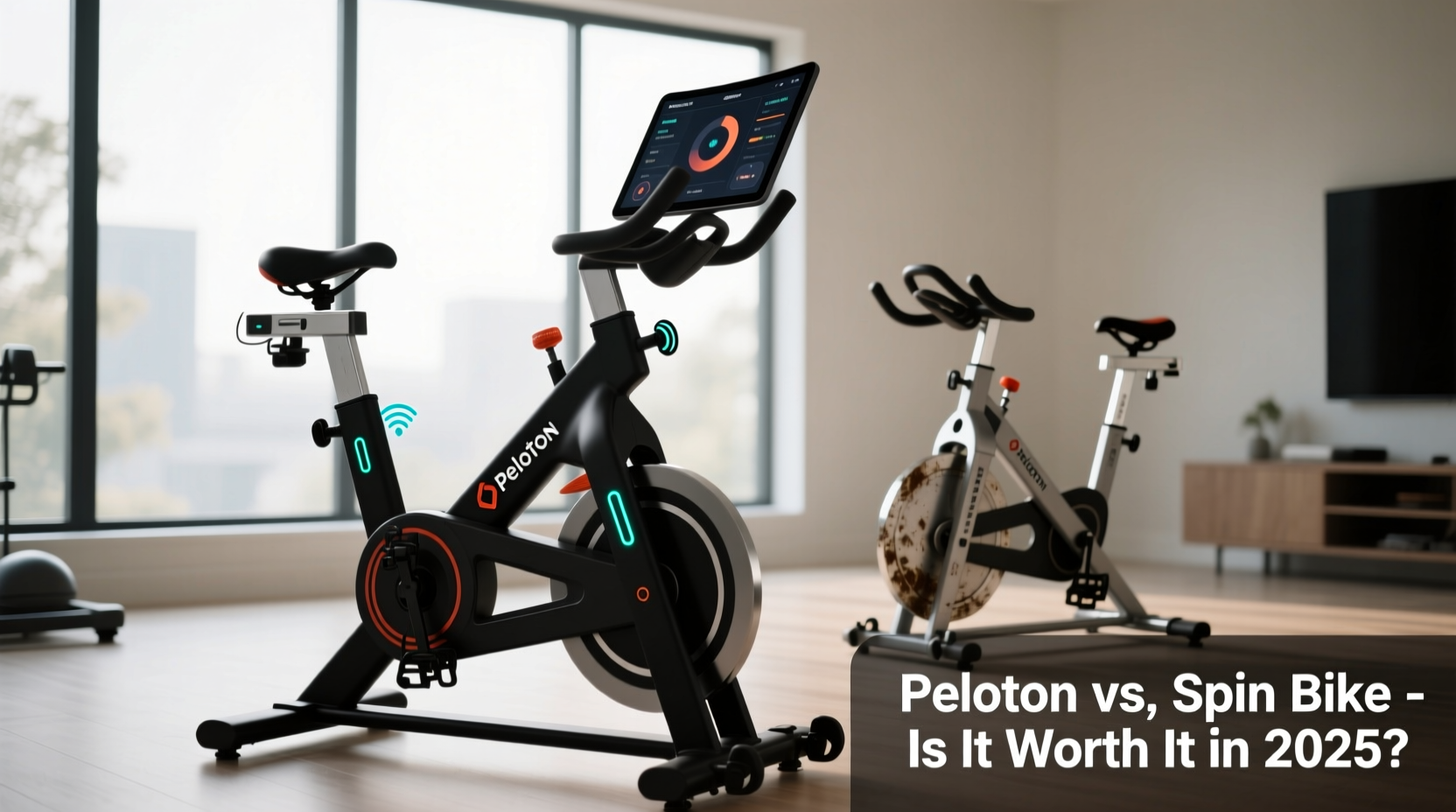
The primary distinction between a Peloton bike and a regular spin bike lies not in the physical design—both are stationary indoor cycling machines—but in the integration of technology, content, and user experience.
Peloton’s model combines a high-quality magnetic resistance bike with a large touchscreen that streams live and on-demand classes led by professional instructors. These classes range from 5 to 90 minutes and include music, motivation, and performance tracking. Subscribers also gain access to leaderboards, challenges, and metrics like output (watts), cadence (RPM), and resistance.
A \"regular\" spin bike, by contrast, typically refers to any non-smart bike without an integrated screen or subscription-based content. These models focus purely on mechanical performance: flywheel weight, smooth belt drive, adjustable seat and handlebars, and durable construction. Many still allow you to mount a tablet or phone to stream third-party apps like Zwift, YouTube workouts, or Nike Training Club.
Tip: If you're highly motivated by competition and real-time feedback, a connected fitness bike like Peloton may enhance consistency. If you prefer solo rides with freedom of choice, a standard spin bike could be equally effective.Cost Comparison: Upfront vs. Long-Term Investment
Price is often the deciding factor. As of 2025, here's a realistic breakdown:
| Category | Peloton Bike (Original) | High-Quality Spin Bike (e.g., Schwinn IC4, Keiser M3i) |
|---|---|---|
| Upfront Cost | $1,445 (on sale; MSRP $1,695) | $700–$1,100 |
| Monthly Subscription | $24/month (all-access) | $0 (optional third-party apps) |
| Delivery & Setup | $250 (white-glove) | $0–$150 (self-assembly typical) |
| Total Year 1 Cost | $1,987 | $700–$1,450 |
| Long-Term Ownership (5 years) | $2,627 | $700–$1,450 + optional app costs (~$500 max) |
The numbers reveal a significant gap. Over five years, a Peloton owner spends nearly double what someone using a standalone spin bike might pay—even accounting for occasional app subscriptions or accessories.
“The real cost of connected fitness isn’t just the hardware—it’s the recurring fee that compounds over time. For many users, that model only pays off if they’re consistently engaged.” — Dr. Lena Torres, Behavioral Health & Exercise Adherence Researcher, Stanford University
When a Peloton Bike Makes Sense in 2025
Peloton excels in environments where motivation, structure, and community matter. It’s particularly valuable for people who:
- Struggle with workout consistency and benefit from scheduled classes
- Enjoy instructor-led training with curated playlists and energy
- Want real-time performance tracking and goal setting
- Value integration with wearables (Apple Watch, Whoop, Garmin)
- Live in areas with limited gym access or unsafe outdoor cycling conditions
In 2025, Peloton has improved its app-only offering, allowing non-bike owners to access classes via TV or tablet for $19.99/month. However, the full immersive experience—auto-resistance adjustment (on Bike+), leaderboard syncing, and seamless form tracking—requires the hardware.
If you're someone who thrives on routine and finds joy in being part of a digital fitness community, Peloton can act as a personal trainer, coach, and entertainment hub rolled into one. Its library now includes strength, yoga, meditation, and walking workouts, making it a holistic fitness platform beyond cycling.
When a Regular Spin Bike Is the Smarter Choice
For many users, especially those already disciplined or experienced with fitness, a traditional spin bike offers better value. Key advantages include:
- No mandatory subscription: Use free platforms like YouTube, Spotify playlists, or self-guided interval training.
- Lower total cost of ownership: A Keiser M3i or Schwinn IC4 delivers commercial-grade performance under $1,000.
- Greater flexibility: Mount any device, use any app (Zwift, Peloton App, Google Maps-based cycling sims).
- Durability and repairability: Fewer electronic components mean fewer points of failure.
- Space efficiency: Some models fold or have smaller footprints than Peloton’s bulky frame.
Consider this scenario:
Mini Case Study: Sarah’s Decision in Austin, TX
Sarah, a 34-year-old software engineer, wanted to start indoor cycling after moving to a car-dependent neighborhood with minimal bike lanes. She researched both Peloton and alternatives. After testing a friend’s Peloton, she loved the class energy but realized she rarely rode more than three times a week—and often skipped due to schedule conflicts.
She opted for the Schwinn IC4 ($799) and paired it with her existing iPad. Using the free Peloton app ($12.99/month after trial), she accessed many of the same instructors without needing the bike. She also explored low-cost platforms like Obé Fitness and Cycling Fusion on YouTube. Her total setup cost: under $900, saving over $1,000 in the first year alone.
Two years later, she still cycles 3–4 times weekly and says, ���I didn’t need the big screen or auto-adjusting resistance. I just needed a quiet, reliable bike and good music.”
Step-by-Step Guide: How to Decide What’s Right for You
Follow this decision-making process before purchasing:
- Assess your current fitness habits. Do you exercise regularly? Are you likely to stick with a home workout long-term?
- Determine your weekly ride frequency goal. Less than 2x/week? A cheaper option may suffice. 4x+? Consider Peloton’s motivational edge.
- Test ride if possible. Visit a retailer or borrow a model to evaluate comfort, noise level, and adjustability.
- Calculate your 5-year budget. Include equipment, delivery, maintenance, and subscriptions.
- Try the Peloton app-only plan first. For $19.99/month, access classes on any device. If you love it, consider upgrading hardware later.
- Compare warranty and support. Peloton offers 12-month parts/labor; Keiser provides 3-year frame, 1-year parts. Longer coverage adds peace of mind.
- Decide on connectivity needs. Do you want auto-resistance, Bluetooth sensors, or HD streaming—or are manual adjustments fine?
Checklist: Before You Buy Any Indoor Bike
- ✅ Measure your available space (minimum 6' x 4')
- ✅ Confirm ceiling height clearance (especially for standing climbs)
- ✅ Check noise tolerance (flywheel type affects sound)
- ✅ Review return policy (Peloton offers 30-day home trial)
- ✅ Ensure stable Wi-Fi for smart bikes
- ✅ Look for magnetic resistance (smoother than friction)
- ✅ Verify compatibility with cycling shoes (Look Delta or SPD)
- ✅ Read recent customer reviews for reliability issues
Frequently Asked Questions
Can I use the Peloton app on a regular spin bike?
Yes. The Peloton app supports Android, iOS, Fire TV, Roku, and Samsung Smart TVs. You can stream classes on a tablet mounted to any spin bike. Output, cadence, and resistance must be entered manually unless your bike supports Bluetooth telemetry (like Keiser M3i). This hybrid approach costs less than owning the full Peloton system.
Are Peloton bikes still popular in 2025?
Yes, but their market share has declined slightly due to increased competition and economic pressures. Peloton has shifted focus toward improving app content, international expansion, and lower-priced offerings like the Peloton Bike Row. While brand loyalty remains strong, more consumers are opting for flexible, multi-app setups instead of locking into one ecosystem.
Do regular spin bikes last longer than Peloton bikes?
Mechanically, yes. Traditional spin bikes have fewer electronic components, reducing failure risk. Peloton’s screen, speakers, and software updates introduce complexity. However, with proper care, both types can last 7–10 years. Keiser, for example, builds bikes used daily in gyms worldwide. Peloton recommends replacing the screen battery after 3–5 years depending on usage.
Final Verdict: Is It Worth It in 2025?
The Peloton bike is not inherently “better” than a regular spin bike—it’s different. In 2025, its value proposition hinges on whether you prioritize guided experiences, social motivation, and seamless tech integration over cost efficiency and flexibility.
If you're new to fitness, easily distracted, or crave accountability, Peloton’s structured environment can be transformative. But if you're self-motivated, budget-conscious, or prefer variety across multiple platforms, investing in a high-quality standalone spin bike paired with affordable or free apps is a smarter financial move.
Technology evolves fast. Five years ago, Peloton was revolutionary. Today, it’s one option among many. The best choice isn't about brand prestige—it’s about alignment with your lifestyle, goals, and how you define sustainable fitness.
“The most effective fitness tool is the one you actually use. Not the shiniest, not the most advertised, but the one that fits seamlessly into your life.” — James Reed, PT and Movement Specialist, Los Angeles
Take Action Today
Don’t rush into a $2,000 decision based on marketing hype. Start small. Try a few Peloton app classes on your current devices. Rent a spin bike through a local gym or peer-sharing service. Test your commitment before committing your wallet.
Whether you choose Peloton or a traditional spin bike, remember: consistency beats convenience. The real ROI isn’t in watts or leaderboard rankings—it’s in showing up, pedal after pedal, month after month.
💬 Have you made the switch—or stuck with a basic spin bike? Share your experience in the comments below and help others navigate this decision with confidence.








