The jade roller has become a staple on bathroom counters and Instagram feeds alike—touted as a mystical Eastern remedy for glowing skin, reduced puffiness, and even anti-aging. But beneath the polished green stone and influencer endorsements lies a pressing question: is it truly effective, or is its popularity rooted more in ritual than results? As dermatologists, estheticians, and researchers weigh in, the answer isn't a simple yes or no. It's layered—much like the skin it claims to improve.
Jade rollers originated in traditional Chinese medicine, where practitioners believed cold stones could balance energy (qi) and promote circulation. Today, they're marketed as tools for lymphatic drainage, depuffing, and enhancing product absorption. Yet, with minimal clinical studies backing their claims, many experts caution against viewing them as miracle workers. That said, dismissing them entirely may overlook real, albeit subtle, benefits.
The Science Behind Facial Rolling
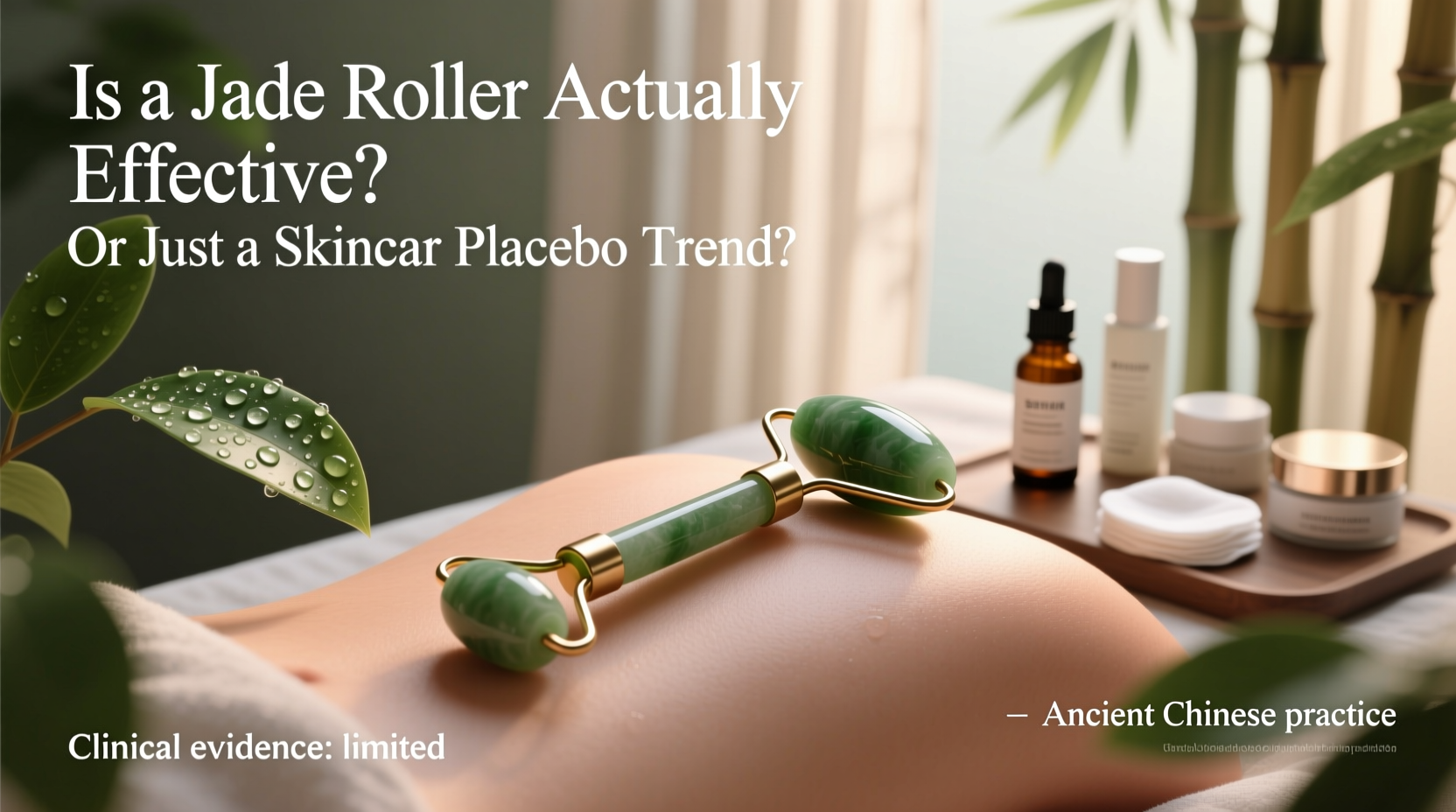
Facial massage, regardless of tool, can stimulate blood flow and encourage lymphatic movement. The lymphatic system removes waste and excess fluid from tissues; when sluggish, it can contribute to facial puffiness—especially around the eyes and jawline. Manual techniques, including rolling, may help move fluid toward lymph nodes in the neck, potentially reducing temporary swelling.
A 2018 study published in *Clinical, Cosmetic and Investigational Dermatology* found that facial massage improved microcirculation and skin elasticity temporarily. While the study didn’t focus on jade rollers specifically, it supports the broader idea that mechanical stimulation can influence skin physiology. However, these effects were short-lived, lasting only hours post-treatment.
Cold therapy also plays a role. Jade naturally stays cool at room temperature, and chilling it amplifies this effect. Cold constricts blood vessels, which can reduce inflammation and redness. This explains why users often report tighter, less puffy skin after a morning roll—especially if the roller was stored in the fridge overnight.
“Facial tools like jade rollers can offer mild decongestive benefits through mechanical massage and thermal effects. But they’re adjuncts—not replacements—for proven skincare.” — Dr. Lena Park, Board-Certified Dermatologist
What a Jade Roller Can (and Can’t) Do
Understanding the realistic scope of a jade roller’s impact is key to separating fact from fad. Below is a breakdown of common claims versus what science and dermatology currently support.
| Claim | Evidence Status | Explanation |
|---|---|---|
| Reduces facial puffiness | ✅ Plausible | Mechanical pressure and cold temperature may assist lymphatic drainage temporarily. |
| Improves skin elasticity | 🟡 Limited | Short-term microcirculation boost possible; no long-term structural changes proven. |
| Minimizes fine lines and wrinkles | ❌ Unlikely | No evidence it affects collagen or elastin production like retinoids or lasers. |
| Enhances serum absorption | 🔶 Anecdotal | Gentle massage may help product spread, but doesn’t increase penetration significantly. |
| Detoxifies the skin | 🚫 Myth | Skin detoxification is handled internally by liver/kidneys; rolling doesn’t “pull out toxins.” |
| Contours the face | ❌ Misleading | Temporary fluid shift may create illusion of contouring, not fat reduction. |
Realistic Benefits vs. Placebo Effect
Placebo isn’t inherently negative. In skincare, ritual and sensory experience can enhance perceived results. The act of gently rolling a cool stone across the face feels soothing—it slows you down, encourages mindfulness, and turns skincare into self-care. These psychological benefits are real, even if they don’t alter skin biology.
Studies show that belief in a product’s efficacy can amplify subjective outcomes. A 2020 paper in *Skin Pharmacology and Physiology* noted that participants using identical moisturizers—one labeled “clinical-grade,” the other plain—reported better results with the former due to expectation bias. The same may apply to jade rollers: if you believe it works, you may perceive improvements in firmness or glow, even if objective changes are minimal.
However, conflating perception with performance risks overlooking what truly improves skin health: consistent sun protection, hydration, active ingredients (like vitamin C, niacinamide, retinol), and professional treatments. Relying solely on a jade roller while neglecting these fundamentals will not yield visible long-term results.
Mini Case Study: Two Weeks of Daily Jade Rolling
Emma, a 34-year-old marketing executive, incorporated a jade roller into her nightly routine for two weeks. She used it after applying serum, rolling upward from her collarbones to forehead for five minutes each night. She kept photos and notes daily.
By day three, she reported feeling “more relaxed” and noticed slightly less morning puffiness under her eyes. By day ten, her skin appeared “brighter,” though her dermatologist attributed this to the hydrating serum she used during rolling—not the tool itself. After two weeks, there were no measurable changes in pore size, acne, or wrinkles. Emma concluded: “It didn’t transform my skin, but I enjoy the ritual. It feels like a mini spa moment.”
This mirrors broader user experiences: satisfaction often stems from sensory pleasure and consistency, not dramatic aesthetic shifts.
How to Use a Jade Roller Effectively (If You Choose To)
If you decide to try a jade roller, technique matters more than the tool itself. Proper use maximizes potential benefits and prevents irritation.
- Cleanse first: Always start with a clean face to avoid pushing dirt into pores.
- Apply a serum or oil: Use a slippery base to prevent tugging. Hyaluronic acid serums or facial oils work well.
- Begin with the neck: Roll upward from the collarbone to the jawline to encourage lymph flow toward nodes.
- Move to the jaw and cheeks: Use outward and upward motions, following the curve of your face.
- Tackle under-eyes carefully: Use the smaller end gently, rolling from inner to outer corners.
- Finish at the forehead: Sweep from the center outward and upward toward the hairline.
- Wash after use: Clean with mild soap and water weekly to prevent bacterial buildup.
Alternatives and Upgrades
Jade rollers aren’t the only option. Some users prefer gua sha stones (often made of jade, rose quartz, or bian stone) for more targeted pressure. Gua sha allows for scraping motions that may offer deeper tissue manipulation, though evidence remains anecdotal.
For those seeking stronger results, modern devices like radiofrequency rollers, microcurrent tools (e.g., NuFace), or LED masks have more scientific backing for improving tone and firmness. These deliver measurable energy to skin layers, stimulating collagen in ways passive tools cannot.
Even a simple hands-only facial massage can achieve similar lymphatic benefits without purchasing a tool. The key is consistency and proper technique.
Checklist: Maximizing Your Skincare Ritual (With or Without a Jade Roller)
- ✔️ Apply sunscreen daily (non-negotiable for anti-aging)
- ✔️ Use clinically proven ingredients (retinoids, antioxidants, peptides)
- ✔️ Stay hydrated and maintain a balanced diet
- ✔️ Incorporate gentle massage to support circulation
- ✔️ Manage stress and sleep well—skin reflects overall health
- ✔️ Avoid overusing tools that cause friction or irritation
- ✔️ Consult a dermatologist for persistent concerns
Frequently Asked Questions
Can a jade roller really reduce wrinkles?
No. There is no scientific evidence that jade rolling reduces wrinkles or stimulates collagen. Wrinkle reduction requires ingredients like retinoids or procedures like lasers and injectables. Any perceived tightening is likely due to temporary fluid movement or skin cooling.
How often should I use a jade roller?
Daily use is safe if done gently. Many people use it once or twice a day—morning for depuffing, evening to enhance product application and relaxation. Overuse or aggressive rolling can lead to irritation or broken capillaries.
Are real jade rollers worth the extra cost?
Not necessarily. While authentic nephrite or jadeite jade is durable and retains coolness well, synthetic or alternative stones (like aventurine or glass) perform similarly. What matters most is smooth texture and proper hygiene—not mineral authenticity.
Conclusion: Tool, Not Treatment
The jade roller occupies a unique space between tradition, wellness, and beauty marketing. It isn’t a scam, nor is it a dermatological breakthrough. At best, it offers mild, temporary improvements in puffiness and circulation, enhanced by the soothing ritual of facial massage. At worst, it becomes a decorative object collecting dust—its value diluted by inflated expectations.
Its true power may lie not in altering skin structure, but in encouraging mindfulness and consistency in skincare routines. Taking five minutes to roll your face can be a meditative pause in a chaotic day—a small act of self-prioritization that indirectly supports skin health through stress reduction.
If you enjoy using a jade roller, keep using it—but pair it with proven skincare practices. If you’ve been waiting for one to \"fix\" aging or acne, redirect that energy toward sun protection, active ingredients, and professional advice. Beauty tools should complement, not replace, science-backed care.
💬 Have you tried a jade roller? Did you notice a difference—or was it all in your head? Share your experience in the comments and help others separate skincare science from sensation.








