In the world of sports memorabilia and fan collectibles, not all baseball caps are created equal. While millions wear standard MLB team hats every season, certain player-specific editions—especially those linked to elite athletes like Jacob deGrom—can command surprising premiums. But is there real value behind a \"Jacob deGrom\" labeled cap, or is it just marketing hype? The answer depends on context: whether you're wearing it, collecting it, or reselling it.
DeGrom, a two-time Cy Young Award winner known for his dominant pitching with the New York Mets and Texas Rangers, has built a loyal following among baseball purists. His reputation for excellence—even amid injury setbacks—has elevated his brand within the sport. This stature naturally influences demand for his merchandise, including on-field game-worn gear and officially licensed apparel such as hats. However, understanding the true worth requires separating emotional appeal from tangible market value.
What Makes a Player-Specific Cap Different?
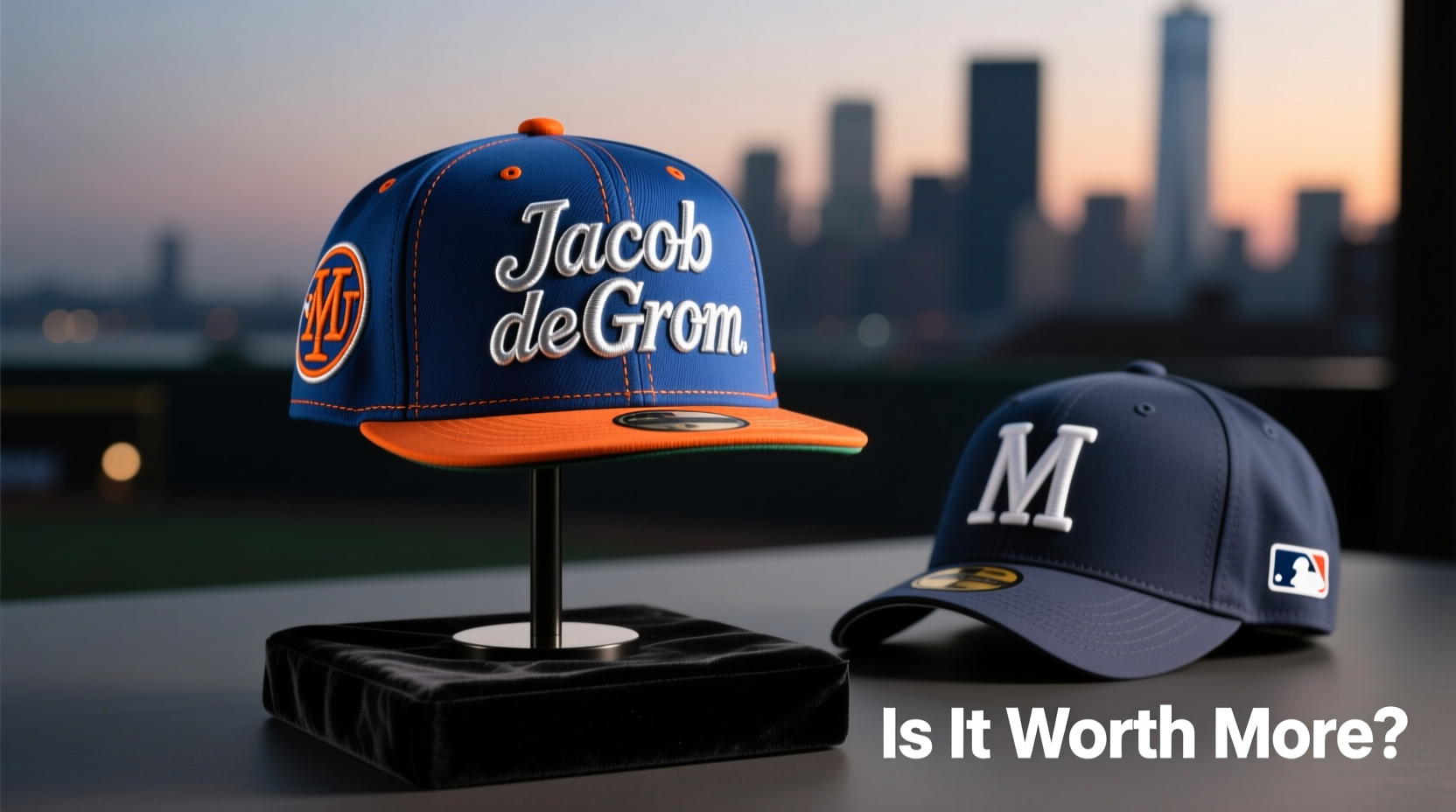
At first glance, a Jacob deGrom-branded cap looks identical to any other official New York Mets (or Texas Rangers) 59Fifty fitted cap produced by New Era. Same fabric, same stitching, same logo placement. The only difference is often a small interior tag or exterior patch indicating player association—or sometimes, no visible distinction at all.
However, several factors can elevate a seemingly ordinary cap into something more valuable:
- Licensing and Authenticity: MLB-licensed player-specific gear usually includes holograms or certification from Fanatics, Major League Baseball Properties, or Upper Deck.
- Game-Used vs. Retail: A cap worn by deGrom during an actual game is exponentially more valuable than one purchased off the shelf.
- Production Volume: Limited-run releases, especially around milestones (e.g., award wins or no-hitter attempts), reduce supply and increase desirability.
- Player Legacy: As deGrom's career progresses and his Hall of Fame case strengthens, memorabilia tied to peak performance years may appreciate.
Rarity and Market Demand: How Scarcity Drives Value
The core principle behind collectible value is scarcity meeting demand. A standard red New York Mets cap sells in the tens of thousands annually. In contrast, a documented game-used deGrom cap might exist in single digits per season, depending on how frequently he changes headwear during games.
According to data from recent auction houses like Goldin Auctions and Heritage Auctions, authenticated game-worn deGrom jerseys have sold for over $10,000. Caps, while less prominent, still draw significant bids—especially if tied to specific events. For example:
“An item doesn’t need to be a jersey or bat to hold deep value. A cap worn during a 13-strikeout performance carries narrative weight—and collectors pay for stories.” — Mark Taffet, former MLB Senior Vice President of Licensing
In 2022, a deGrom game-used cap from his final start before undergoing Tommy John surgery sold for $2,850 on Lelands.com. That same year, retail versions of his namesake cap were available online for under $40.
Collector’s Checklist: Evaluating Real Worth
Before assuming a deGrom cap is inherently more valuable, consider this checklist:
- Confirm whether the cap was actually worn by deGrom (not just branded).
- Check for authentication paperwork (JSA, PSA/DNA, or MLB hologram).
- Determine if it's associated with a milestone game (e.g., record strikeout, return from injury).
- Assess condition—stains, fading, and structural wear reduce resale value.
- Research past auction results for similar items using platforms like eBay Sold Listings or Collectors Weekly.
Comparing Investment Potential: deGrom Hat vs. Standard MLB Cap
To better understand relative value, here’s a comparison between a typical retail MLB cap and a verified Jacob deGrom game-used model:
| Feature | Standard MLB Team Cap | Jacob deGrom Game-Used Cap |
|---|---|---|
| Price (New) | $30–$40 | N/A – Not sold new |
| Resale Value (Used) | $10–$20 (if signed) | $1,500–$3,500+ |
| Authenticity Verification | Manufacturer label only | MLB/JSA certification required |
| Annual Production Volume | High (mass-produced) | Extremely low (single-digit units) |
| Potential for Appreciation | Minimal | Significant (tied to legacy) |
This table underscores a critical point: the *namesake* cap available in stores holds no inherent investment value beyond sentimental appeal. Only authenticated, game-used pieces carry financial upside.
Real Example: The Case of the 2021 All-Star Cap
In July 2021, Jacob deGrom was named NL Pitcher of the Month and selected as a reserve for the MLB All-Star Game—though he ultimately didn’t pitch due to injury. During that stretch, he wore a specially marked Mets cap featuring a subtle “2021 All-Star” side patch.
A fan acquired one of these caps through a stadium donation program, where used gear is occasionally given to charity raffles. After submitting it for authentication, the cap received a PSA/DNA certification confirming its use in late June 2021 games. It later sold privately for $2,100 to a collector specializing in modern pitcher memorabilia.
Meanwhile, dozens of identical-looking caps—without provenance—were listed on resale sites for under $75. The difference wasn't appearance; it was documentation.
Are Retail “Player Edition” Hats Worth Anything?
Some retailers market “Player Edition” or “On-Field Style” caps bearing a player’s name. These are often indistinguishable from standard models except for packaging or minor labeling. Unless explicitly stated as game-used or part of a limited release, they do not appreciate in value.
In fact, many collectors avoid these because they can be mistaken for authentic memorabilia. As Greg Marks, owner of Game Worn Jersey Experts, notes:
“There’s a growing problem with ‘gray market’ merch—items that imply authenticity but lack proof. Just because a cap says ‘Jacob deGrom’ doesn’t mean it ever touched a mound.”
If your goal is long-term value, focus on certified memorabilia. If you’re a fan wanting to show support, a retail cap works perfectly fine—but don’t expect a return on investment.
Frequently Asked Questions
Can I turn a regular deGrom cap into a valuable collectible?
No—not unless it’s personally signed with verification. Even then, autographed retail caps typically sell for $100–$300, far below game-used prices. Provenance is key.
Do all player-name caps increase in value after retirement?
No. Only players with strong legacies and documented fan interest see lasting memorabilia growth. DeGrom is likely to retain value due to his dominance in the early 2020s, but average players’ gear often depreciates.
Where should I buy authenticated deGrom memorabilia?
Stick to reputable sources: Steiner Sports, Fanatics Certified, Heritage Auctions, or directly from MLB-licensed events. Avoid third-party sellers without certification.
How to Build Value Over Time: A Step-by-Step Guide
If you're considering investing in player-specific gear, follow this timeline to maximize potential returns:
- Year 1: Purchase authenticated game-used or limited-edition items during active seasons when production is fresh.
- Year 2–3: Store properly in climate-controlled display cases away from sunlight and moisture.
- Year 4–5: Monitor player performance—if accolades continue, value stabilizes or grows.
- Post-Retirement: Reassess market demand. Peak sales often occur 1–2 years after retirement announcement.
- Sell or Hold: Use auction trends to decide timing. Early retirement due to injury may spike short-term demand.
Final Verdict: Sentiment vs. Substance
So, is a Jacob deGrom baseball cap really worth more than a regular MLB hat? The answer hinges on what kind of \"worth\" you’re measuring.
For everyday wear, team pride, or fashion purposes—a standard cap performs just as well and costs significantly less. But for collectors tracking legacy, scarcity, and historical significance, a verified deGrom game-used cap represents a rare piece of contemporary baseball history.
Its value isn’t inflated by branding alone; it’s earned through performance, provenance, and permanence in the record books. As deGrom’s career is reevaluated in coming decades, artifacts from his prime will likely grow in esteem—and price.
🚀 Ready to start collecting? Begin by researching authenticated pieces, verifying certifications, and focusing on moments that define greatness. Whether you're a fan or an investor, the right cap can be more than headwear—it can be history.








