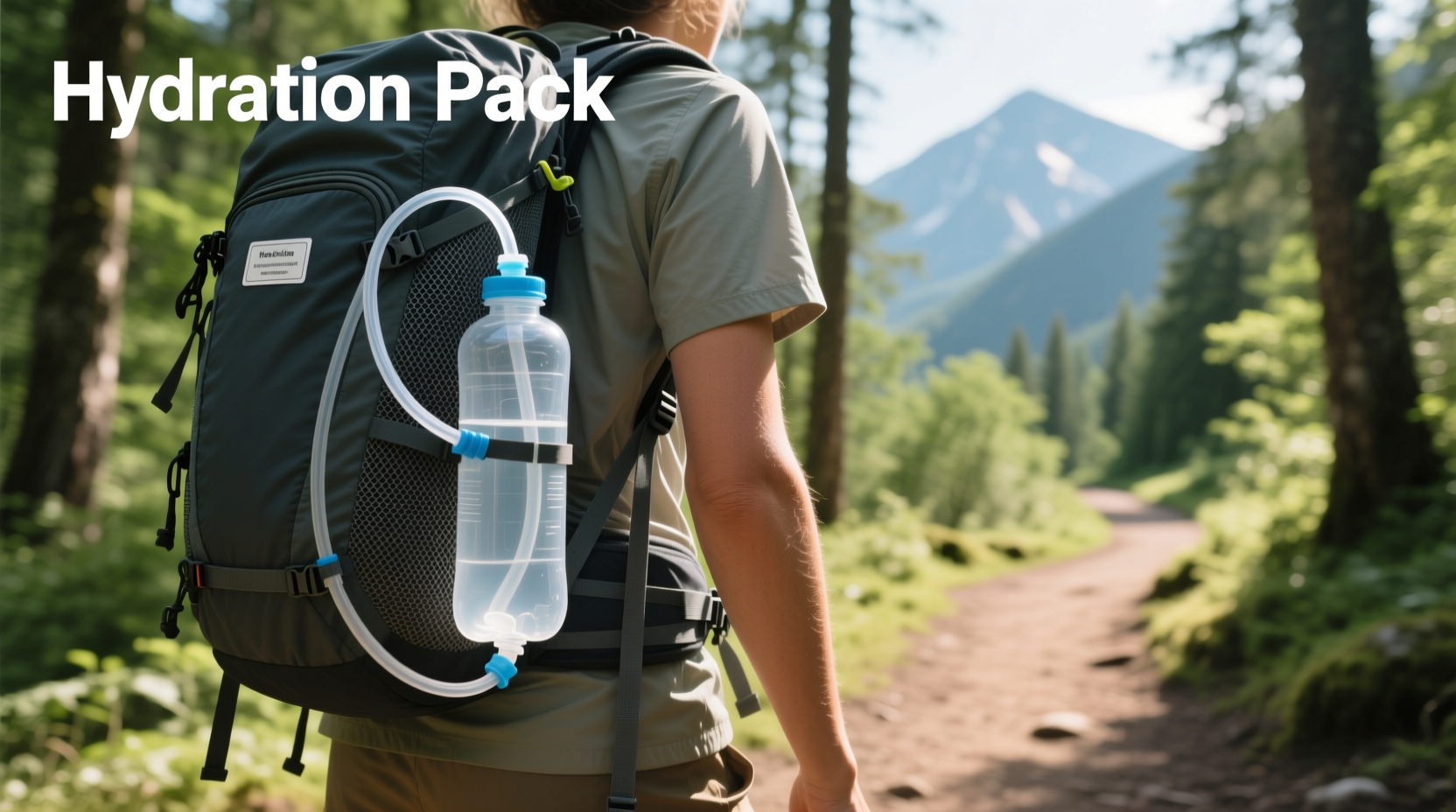
For many hikers, the decision to carry a hydration pack comes down to convenience, comfort, and necessity. When your hike lasts less than three hours, the need for extensive gear diminishes—but does that mean a hydration pack is overkill? The answer isn’t as straightforward as it seems. While some argue that a simple water bottle suffices, others swear by the hands-free convenience of a hydration reservoir. The truth lies in understanding your hiking style, terrain, weather conditions, and personal preferences.
This article examines whether investing in a hydration pack makes sense for short day hikes. We’ll break down the benefits and drawbacks, compare hydration systems with traditional bottles, analyze real-world scenarios, and offer actionable guidance so you can make an informed choice tailored to your needs.
Understanding Hydration Needs on Short Hikes
Hydration is critical, even on brief outdoor excursions. The human body loses fluids through sweat, especially during physical activity in warm or dry environments. On a typical three-hour hike, depending on intensity and climate, you may lose between 0.5 to 1.5 liters of water. Replenishing consistently—not just when thirsty—is essential to prevent fatigue, headaches, and impaired cognitive function.
The method of hydration delivery impacts how often you drink. Research from the American College of Sports Medicine shows that people tend to drink more frequently when water is easily accessible. This behavioral insight favors systems that reduce friction—like sipping from a tube while walking, rather than stopping to unclip a backpack and unscrew a bottle cap.
“Even mild dehydration can impair concentration and physical performance. Accessibility matters more than volume on shorter hikes.” — Dr. Lena Torres, Outdoor Medicine Specialist
So while total fluid needs may be modest, consistent intake is key. A hydration pack supports this by enabling seamless sipping without breaking stride.
Pros and Cons of Using a Hydration Pack for Short Hikes
To evaluate whether a hydration pack is worth it, consider both advantages and limitations within the context of sub-three-hour hikes.
| Advantage | Description |
|---|---|
| Hands-Free Hydration | Sip via bite valve without stopping or removing your pack—ideal on steep or technical trails. |
| Encourages Frequent Drinking | Easy access leads to better hydration habits compared to reaching for a bottle. |
| Weight Distribution | Water stored close to your back improves balance and reduces strain. |
| Extra Storage Capacity | Most packs (even small ones) include pockets for snacks, layers, first aid, or a phone. |
| Cooler Water Retention | Reservoirs inside insulated compartments stay cooler longer than side-bottle exposure to sun. |
| Drawback | Description |
|---|---|
| Overkill for Simple Trails | If hiking paved paths in cool weather, added gear may feel unnecessary. |
| Cleaning Complexity | Reservoirs and tubes require regular cleaning to prevent mold and bacteria buildup. |
| Drying Time | After use, drying the bladder fully takes time and attention; improper drying risks mildew. |
| Freezing Risk in Cold Weather | Hoses can freeze in winter unless insulated or blown out after each sip. |
| Cost vs. Simplicity | Bottles are cheaper and easier to replace than full hydration systems. |
When a Hydration Pack Makes Sense (and When It Doesn’t)
The value of a hydration pack depends heavily on context. Below are four realistic hiking scenarios to illustrate when such a system shines—and when simpler solutions work better.
Scenario 1: Hot Desert Trail – 2.5 Hours
You’re hiking in Sedona, Arizona, in mid-June. Temperatures exceed 95°F (35°C), and there’s no shade. The trail involves steep climbs and loose rock. Carrying enough water is non-negotiable, and frequent sipping prevents heat exhaustion. A 2-liter hydration pack allows continuous drinking without fumbling with bottles. Bonus: the pack holds sunscreen, a hat, and emergency supplies.
Verdict: Highly recommended.
Scenario 2: Forest Loop Near Home – 2 Hours
It’s early spring, 60°F (15°C), and you’re walking a flat, well-shaded loop. You start with a full 750ml bottle and know there’s a refill station at the trailhead. No elevation gain, no exposure. You rarely feel thirsty.
Verdict: Unnecessary. A bottle clipped to your pack or held in hand works fine.
Scenario 3: Mountain Ridge Hike – 2.75 Hours
The route includes exposed ridgelines with strong winds and variable weather. You wear layers, carry a windbreaker, map, headlamp, and snacks. You anticipate moderate sweating despite cool temps due to intermittent climbing. Having water readily available helps maintain energy.
Verdict: Worth it. The hydration pack doubles as a lightweight daypack with integrated hydration.
Scenario 4: Urban Park Walk – 1 Hour
You're strolling through a city park, possibly stopping at a café afterward. You want minimal gear.
Verdict: Overengineered. Use a reusable bottle or collapsible cup instead.
Step-by-Step Guide: Choosing the Right System for Your Hike
Follow this logical process to determine if a hydration pack suits your next short hike:
- Assess the environmental conditions. Is it hot, dry, or humid? Will you be exposed to sun? High heat increases fluid loss and makes easy access valuable.
- Evaluate trail difficulty. Steep, rugged, or off-trail routes benefit from hands-free movement. Flat, smooth paths don’t demand the same efficiency.
- Estimate your fluid needs. As a rule of thumb: 0.5 liters per hour in mild conditions, up to 1 liter per hour in extreme heat or high exertion.
- Inventory additional gear. Are you carrying extra clothing, food, navigation tools, or safety items? If yes, a hydration pack with storage becomes more practical.
- Consider personal habits. Do you forget to drink unless reminded? Does stopping to hydrate disrupt your rhythm? If so, a hydration tube encourages consistency.
- Decide on equipment. Based on the above, choose:
- Bottle only – For easy hikes, cool weather, minimal gear.
- Hydration pack (small capacity: 1–2L reservoir + 5–10L storage) – For challenging terrain, heat, or multi-item loads.
- Hybrid approach – Some packs allow both a reservoir and side bottle pockets for flexibility.
Real Example: Sarah’s Summer Canyon Hike
Sarah, an experienced weekend hiker in Utah, planned a 2.5-hour loop through a narrow canyon. She initially packed two 1-liter bottles—one in her backpack side pocket, one in hand. After 45 minutes of scrambling over rocks and navigating tight passages, she realized how often she had to stop to drink. Each time, she struggled to remove the bottle without dropping it or losing balance.
On her next trip, she borrowed a 10-liter hydration pack with a 2-liter bladder. She filled it with ice water before starting. During the hike, she sipped frequently using the tube, never pausing. “I didn’t realize how much effort I was wasting just managing my water,” she said. “The hydration pack made the whole experience smoother and safer.”
She now uses a compact hydration pack for all hikes lasting over 90 minutes, reserving bottles for casual walks.
Checklist: Should You Bring a Hydration Pack?
Use this quick checklist before your next short hike:
- ☐ Will temperatures exceed 80°F (27°C)?
- ☐ Is the trail steep, rocky, or technically demanding?
- ☐ Do you plan to carry more than just water (snacks, jacket, first aid)?
- ☐ Have you struggled with staying hydrated on past hikes?
- ☐ Do you prefer not to stop frequently?
- ☐ Can you commit to cleaning the reservoir afterward?
If you answered “yes” to three or more, a hydration pack is likely worth it.
Expert Tips for Maximizing Value
Even if you decide a hydration pack is beneficial, misuse can lead to frustration. Follow these best practices:
Tip: Freeze the reservoir overnight with a little water inside, then top it off in the morning. This keeps water cold for hours, even in summer heat. Tip: After each use, disassemble the hose and bite valve, rinse thoroughly, and hang the reservoir upside down to dry completely. Preventing mold preserves taste and health. Tip: Run a mixture of warm water and baking soda through the system monthly to deep-clean and deodorize.Frequently Asked Questions
Can I use a hydration pack for very short hikes under one hour?
Possibly, but likely unnecessary unless conditions are extreme. For most sub-hour hikes, a handheld bottle or small flask is sufficient. However, if you're training, running trails, or exercising intensely, even short durations may justify a pack for efficient hydration.
Are hydration packs hard to clean?
They require more effort than bottles, but aren’t difficult with routine care. Modern reservoirs are designed for easy wiping and drying. Use a cleaning brush for hoses, and consider quick-dry hangers. Neglecting cleaning is the main cause of problems—not the process itself.
Do I still need a backup water bottle with a hydration pack?
Not always, but having one adds redundancy. If the tube kinks, freezes, or leaks, a bottle ensures you’re not left without water. Many hikers use a hybrid setup: reservoir as primary, bottle as backup or for sharing water.
Conclusion: Make the Decision That Fits Your Hike
A hydration pack isn’t universally necessary for hikes under three hours—but it’s far from irrelevant. Its value emerges not from duration alone, but from the combination of environment, exertion level, gear needs, and personal habits. For hot, rugged, or physically intense outings, the hands-free convenience and encouragement of consistent hydration make it a smart investment. For gentle, shaded, or urban walks, simplicity wins.
The goal isn’t to standardize your gear but to optimize it. By assessing each hike individually and applying the insights here, you’ll strike the right balance between preparedness and practicality. Whether you choose a sleek hydration vest or stick with a trusty Nalgene, what matters most is staying hydrated, safe, and present in the moment.
🚀 Ready to upgrade your hiking game? Test a hydration pack on your next moderate hike and track how often you drink. Compare it to your usual routine—you might be surprised by the difference.








