Intermittent fasting has become one of the most popular lifestyle approaches for weight management, improved energy, and metabolic health. Among the various protocols, two stand out for beginners: the 16:8 and 12:12 methods. While both involve time-restricted eating, they differ significantly in duration, difficulty, and outcomes—especially during the first few weeks of practice. Understanding these differences is essential for choosing a sustainable approach that fits your lifestyle and delivers real results.
This article compares 16:8 and 12:12 intermittent fasting from a beginner’s perspective, analyzing their effects on weight loss, energy levels, hunger control, and long-term adherence. Backed by research and real-world experiences, this guide helps you decide which method aligns best with your goals and daily routine.
Understanding the Basics: What Are 16:8 and 12:12?
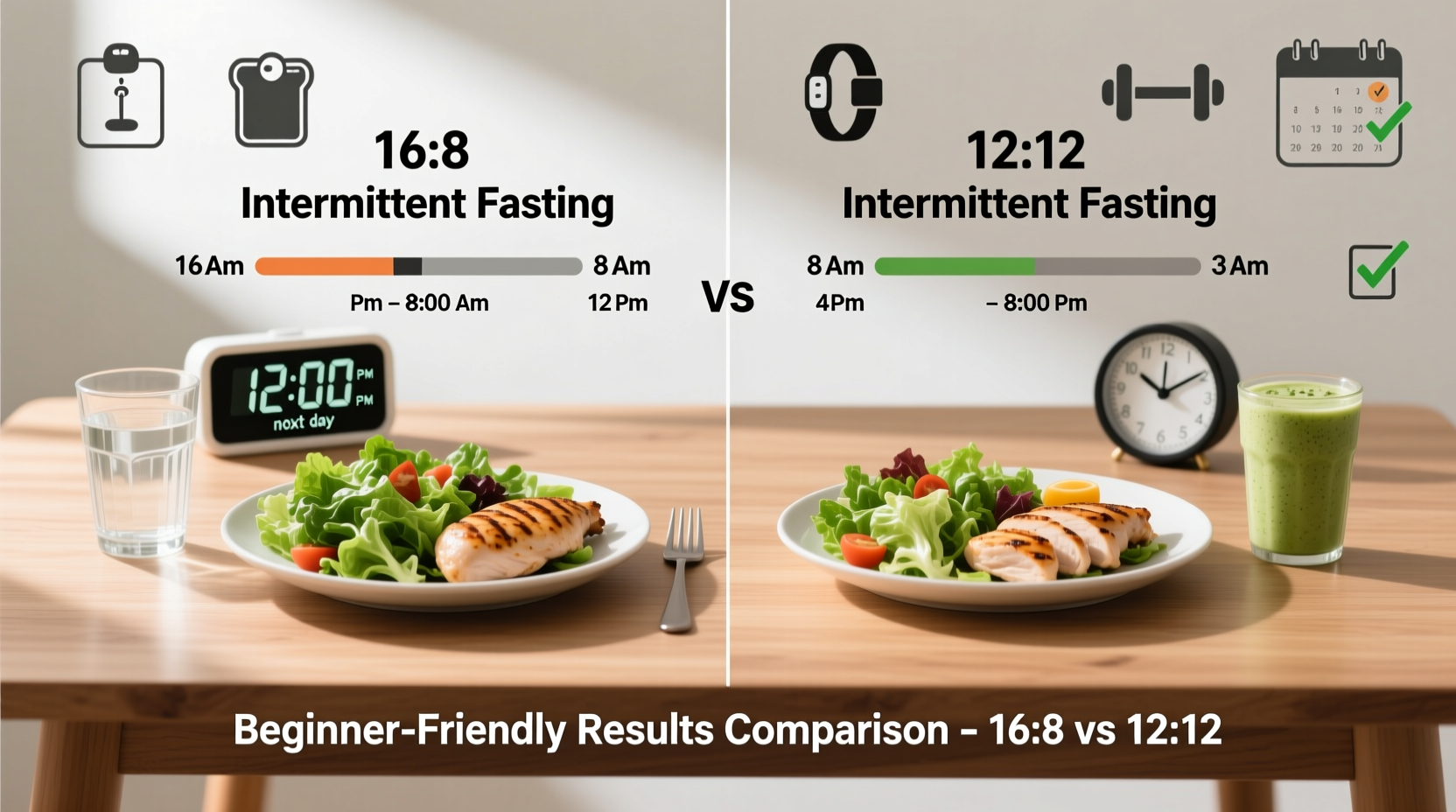
Intermittent fasting (IF) isn’t about *what* you eat, but *when* you eat. The two most beginner-friendly time-restricted feeding windows are 16:8 and 12:12.
- 16:8 Method: Fast for 16 hours and eat during an 8-hour window (e.g., 12 PM–8 PM).
- 12:12 Method: Fast for 12 hours and eat within a 12-hour window (e.g., 7 AM–7 PM).
The 16:8 method is more restrictive and commonly associated with fat loss and insulin sensitivity improvements. In contrast, 12:12 is gentler, making it ideal for those transitioning from constant snacking or irregular eating patterns.
Both rely on the body’s natural shift from using glucose to burning stored fat after depleting glycogen reserves—typically around 10–12 hours into a fast. However, the depth of metabolic change increases with longer fasting durations.
Tip: Start your fasting window overnight—most people naturally fast while sleeping, making early morning the easiest time to begin.Comparing Beginner Results: Weight Loss, Energy, and Hunger
Results vary based on starting weight, diet quality, activity level, and consistency. However, clinical and anecdotal evidence shows clear trends in how beginners respond to each protocol.
Weight Loss Outcomes
In a 2020 study published in Nutrients, participants following 16:8 lost an average of 3–5% of body weight over 8 weeks without calorie counting. This was primarily due to reduced overall food intake and increased fat oxidation.
Beginners on 12:12 often see slower initial weight loss—typically 1–2% over the same period—but report higher adherence and fewer cravings. The milder restriction allows gradual metabolic adaptation without triggering extreme hunger or fatigue.
One key factor: both methods only work if you’re not overeating during the eating window. A common mistake is consuming high-calorie, processed foods during the feeding phase, negating any fasting benefit.
Energy and Mental Clarity
Many beginners on 16:8 report an initial dip in energy during days 2–4, followed by improved focus and alertness by week 2. This aligns with ketone production and stabilized blood sugar levels.
Conversely, 12:12 users rarely experience energy crashes. Their shorter fast avoids deep ketosis but still supports mild metabolic switching, leading to steady energy throughout the day.
“Time-restricted eating, even at 12 hours, can reset circadian metabolism and improve sleep quality.” — Dr. Satchin Panda, Circadian Rhythm Researcher, Salk Institute
Hunger and Cravings
Hunger peaks around hour 14–16 of fasting. For new fasters, this makes 16:8 challenging in the beginning. Common complaints include afternoon headaches, irritability, and intense evening cravings.
12:12 minimizes these issues. With only half the fasting duration, hunger hormones like ghrelin remain more stable. This makes it easier to stick with long term, especially for women, who may be more sensitive to prolonged fasting due to hormonal fluctuations.
Detailed Comparison: 16:8 vs 12:12 for Beginners
| Factor | 16:8 Fasting | 12:12 Fasting |
|---|---|---|
| Difficulty Level | Moderate to High (first 3–5 days) | Low (easy to adopt) |
| Average Weight Loss (8 weeks) | 3–5% body weight | 1–2% body weight |
| Hunger Management | Challenging initially; improves with time | Generally manageable |
| Metabolic Impact | Significant insulin sensitivity improvement | Mild improvement in glucose regulation |
| Suitability for Women | May disrupt hormones if overdone | Generally well-tolerated |
| Best For | Fat loss, metabolic reset | Lifestyle balance, digestion, sleep |
| Long-Term Adherence | ~60% continue after 3 months | ~80% continue after 3 months |
The data suggests a trade-off: 16:8 offers faster results but comes with a steeper learning curve. 12:12 is less aggressive but more sustainable, particularly for those juggling work, family, or stress.
Real Beginner Experience: A Mini Case Study
Meet Sarah, a 34-year-old office worker and mother of two, who wanted to lose 15 pounds post-pregnancy. She tried both methods over six months:
- Month 1–2: 16:8 – Sarah started strong, skipping breakfast and eating from 12 PM to 8 PM. She lost 4 pounds in the first month but struggled with afternoon fatigue and late-night hunger. By week 6, she began binging after her fast ended and gave up.
- Month 3–6: 12:12 – She restarted with a 7 AM–7 PM window. No skipped meals. Just no eating after dinner. She gradually stopped late-night snacking, slept better, and lost 1.5 pounds per month—totaling 9 pounds by month 6. She felt more in control and continues the routine today.
Sarah’s story reflects a common pattern: aggressive methods yield quick wins but often fail due to poor sustainability. Gentler transitions lead to lasting habits.
Tip: Pair your fasting window with consistent sleep times—going to bed earlier helps extend your fast naturally and improves recovery.Step-by-Step Guide: How to Start Safely as a Beginner
Whether you choose 16:8 or 12:12, follow this timeline to build a sustainable habit:
- Week 1: Establish a Baseline
Track your current eating window. Most people eat over 14–16 hours daily. Simply becoming aware of this sets the stage for change. - Week 2: Begin 12:12
Set a consistent dinner end time (e.g., 7 PM) and delay breakfast until 7 AM. Avoid snacks outside this window. Drink water or herbal tea if hungry. - Week 3–4: Evaluate & Adjust
Assess energy, hunger, and sleep. If 12:12 feels easy, consider shifting to 14:10 (e.g., 8 AM–6 PM), then progress toward 16:8 if desired. - Week 5+: Choose Your Path
- Stick with 12:12 for maintenance, digestion, and circadian rhythm support.
- Advance to 16:8 if fat loss stalls and you feel ready for more restriction.
This phased approach reduces dropout rates and builds metabolic flexibility gradually.
Common Mistakes to Avoid
- Overeating during the eating window – Fasting doesn’t give free rein to eat junk. Focus on whole foods, protein, fiber, and healthy fats.
- Dehydration – Thirst mimics hunger. Drink plenty of water, black coffee, or unsweetened tea during fasting hours.
- Ignoring sleep and stress – Poor sleep increases cortisol, which can break down muscle and increase appetite, counteracting fasting benefits.
- Starting too aggressively – Jumping straight into 16:8 without preparation often leads to burnout.
- Not adjusting for gender or activity level – Women may thrive better on 12:12 or 14:10, especially if experiencing hormonal imbalances.
FAQ: Answering Top Beginner Questions
Can I drink anything during the fast?
Yes. Zero-calorie beverages like water, black coffee, and plain tea are allowed. Avoid adding sugar, cream, or artificial sweeteners, as they can spike insulin and break the fast.
Which is better for belly fat: 16:8 or 12:12?
16:8 is more effective for reducing visceral fat due to longer fat-burning periods. However, 12:12 supports gradual fat loss when combined with a healthy diet and exercise. Consistency matters more than intensity.
Is 12:12 really considered intermittent fasting?
Yes. While less intense, 12:12 aligns with circadian biology and gives your digestive system a full rest. It’s often called “the gateway” to longer fasts and provides measurable health benefits, including improved gut health and insulin response.
Tip: Use your fasting window to identify emotional eating triggers. Often, nighttime snacking is boredom or stress—not true hunger.Expert Insight: What Science Says About Timing
Dr. Courtney Peterson, an intermittent fasting researcher at the University of Alabama, emphasizes timing:
“The key isn’t just fasting—it’s *when* you eat. Front-loading calories earlier in the day improves metabolic health more than the same calories eaten late at night.” — Dr. Courtney Peterson, PhD, Human Nutrition Specialist
This supports the idea that even 12:12 fasting, when aligned with daylight hours, enhances insulin sensitivity and weight management. Eating late at night disrupts circadian rhythms, increasing fat storage and inflammation.
Final Recommendation: Which Should You Choose?
The answer depends on your goals and lifestyle:
- Choose 16:8 if: You’re aiming for noticeable fat loss, have a sedentary job, or want to reset your metabolism. Be prepared for an adjustment period of 3–5 days.
- Choose 12:12 if: You’re new to fasting, struggle with hunger, are female, or prioritize sleep and digestion. It’s ideal for building discipline without burnout.
Many experts recommend starting with 12:12 for 4 weeks, then progressing to 16:8 if needed. This stepwise method yields better long-term success than jumping into extreme routines.
Conclusion: Build Sustainable Habits, Not Quick Fixes
Intermittent fasting isn’t a race. The goal is to create a rhythm that supports your health for years, not just weeks. For beginners, 12:12 offers a gentle entry point with meaningful benefits—from better sleep to reduced bloating. 16:8 delivers faster results but requires more discipline and self-awareness.
Listen to your body. Track your energy, mood, and hunger. Adjust your window as needed. The best fasting schedule is the one you can maintain consistently while enjoying life.
💬 Ready to start? Pick one method, commit for 21 days, and track your progress. Share your journey in the comments—your experience could inspire someone else to begin.








