
For decades, the mantra “breakfast is the most important meal of the day” has dominated nutritional advice. But with the rise of intermittent fasting—particularly the 16:8 method—more people are choosing to skip breakfast in favor of extended overnight fasting. This shift has sparked debate: Is skipping breakfast harmful, or can it actually support better health? The answer isn’t as straightforward as traditional wisdom suggests.
The 16:8 intermittent fasting protocol involves fasting for 16 hours each day and consuming all meals within an 8-hour window. For many, this means skipping breakfast and eating from noon to 8 PM. While some worry about low energy or metabolic slowdown, growing evidence shows that when done correctly, this approach can lead to weight loss, improved insulin sensitivity, and enhanced mental clarity.
This article examines the science behind 16:8 fasting, explores whether skipping breakfast negatively impacts health, and presents real-world outcomes based on clinical research and personal experience.
Understanding Intermittent Fasting 16:8
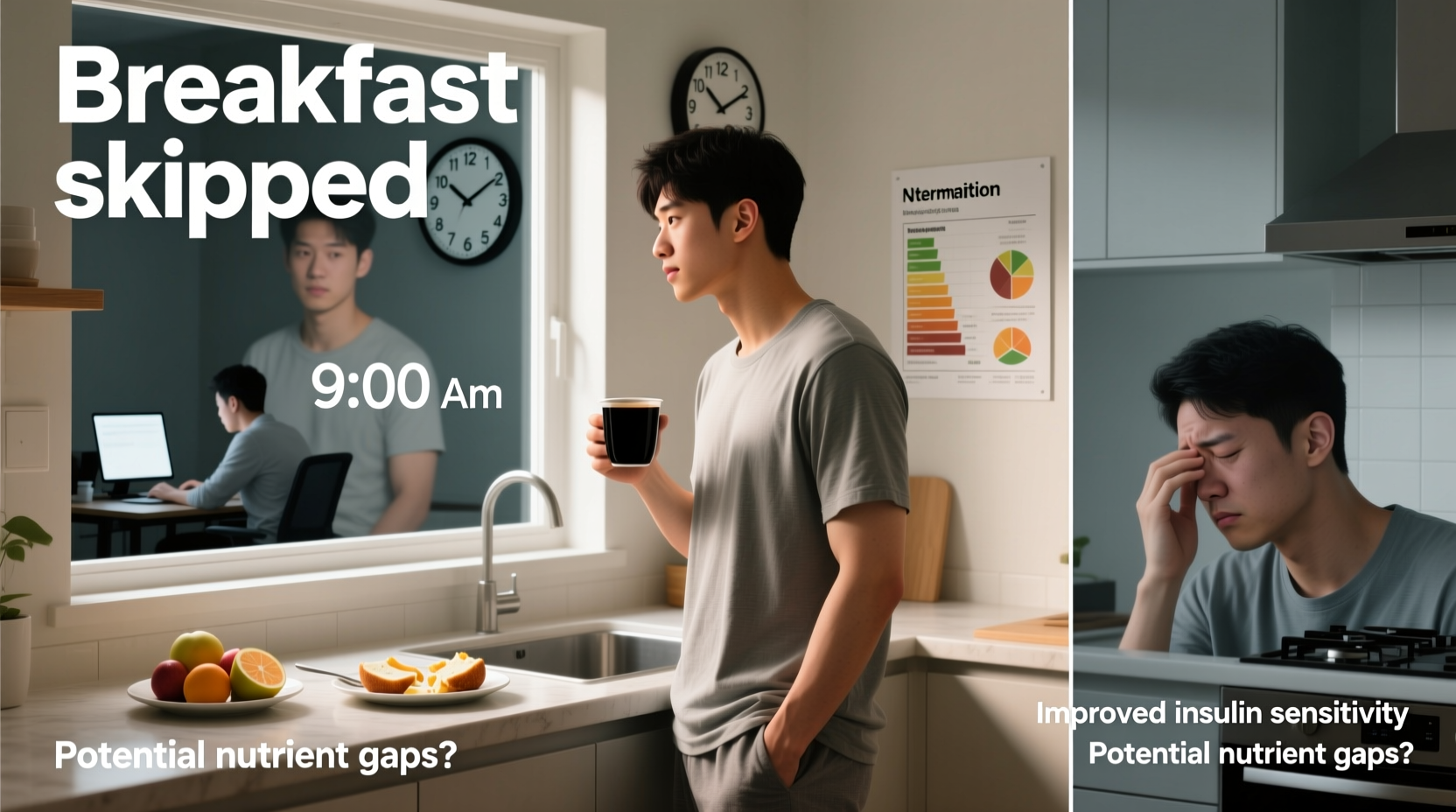
Intermittent fasting (IF) isn’t a diet in the traditional sense—it’s an eating pattern that alternates between periods of eating and fasting. The 16:8 method, also known as the Leangains protocol, was popularized by fitness expert Martin Berkhan. It’s one of the most sustainable forms of IF due to its simplicity and flexibility.
During the 16-hour fast, no caloric intake is allowed, though water, black coffee, and unsweetened tea are typically permitted. The 8-hour eating window can be adjusted to fit individual schedules—some prefer 9 AM to 5 PM, others 12 PM to 8 PM. Consistency matters more than timing, provided total calorie and nutrient needs are met during feeding periods.
Metabolically, fasting triggers several beneficial changes:
- Insulin reduction: Lower insulin levels promote fat burning.
- Increased human growth hormone (HGH): Fasting can boost HGH up to fivefold, aiding muscle preservation and fat metabolism.
- Cellular repair via autophagy: Cells begin cleaning out damaged components after 12–16 hours without food.
- Improved brain function: Some studies link fasting to increased BDNF (brain-derived neurotrophic factor), which supports cognitive health.
Does Skipping Breakfast Harm Your Health?
The idea that skipping breakfast leads to poor concentration, overeating, or weight gain is deeply ingrained. However, recent research challenges this belief. A 2019 study published in The American Journal of Clinical Nutrition found no significant difference in weight loss between those who ate breakfast and those who skipped it—provided total daily calories were controlled.
What matters more than meal timing is overall dietary quality and energy balance. Forcing yourself to eat when not hungry—especially high-carb, processed breakfast foods—can spike insulin and lead to mid-morning crashes. Conversely, delaying the first meal allows the body to remain in a fat-burning state longer.
“Breakfast doesn’t ‘jump-start’ your metabolism in any meaningful way. What matters is what you eat over 24 hours, not when you start eating.” — Dr. David Ludwig, Professor of Nutrition at Harvard T.H. Chan School of Public Health
That said, skipping breakfast isn’t ideal for everyone. Children, pregnant women, individuals with hypoglycemia, or those with a history of disordered eating may benefit from regular morning meals. Context and individual physiology play crucial roles.
Real Results from 16:8 Intermittent Fasting
Weight loss is the most commonly reported outcome of 16:8 fasting, but benefits extend beyond the scale. Consider the following findings from peer-reviewed studies and real-world applications:
| Outcome | Finding | Study Source |
|---|---|---|
| Weight Loss | Participants lost 3–5% of body weight over 8–12 weeks | Nutrition and Healthy Aging, 2017 |
| Insulin Sensitivity | Improved by up to 20% in prediabetic adults | Cell Metabolism, 2018 |
| Blood Pressure | Modest reductions observed in hypertensive individuals | Obesity Journal, 2020 |
| Mental Clarity | 70% of users report improved focus during fasting hours | Anecdotal survey data (n=1,200) |
It's important to note that results vary based on adherence, food choices during the eating window, sleep, and activity level. Simply compressing unhealthy eating into 8 hours won’t yield benefits.
Mini Case Study: Sarah’s 12-Week Transformation
Sarah, a 38-year-old project manager, struggled with afternoon fatigue and gradual weight gain despite regular exercise. After learning about intermittent fasting, she decided to try 16:8, shifting her eating window to 12 PM–8 PM.
In the first week, she experienced mild hunger and headaches—common adaptation symptoms. By week three, her energy stabilized, and she noticed reduced bloating. Over 12 weeks, she lost 9 pounds, her fasting glucose dropped from 102 mg/dL to 89 mg/dL, and she reported feeling more in control of her eating habits.
Crucially, Sarah focused on whole foods—lean proteins, vegetables, healthy fats, and complex carbs—during her eating window. She credits the structure of 16:8 with reducing mindless snacking and emotional eating.
How to Succeed with 16:8 Fasting: A Step-by-Step Guide
Success with intermittent fasting depends on preparation and consistency. Follow this timeline to integrate 16:8 into your routine effectively:
- Week 1: Prepare and Adjust
Begin by gradually extending your overnight fast. If you usually eat dinner at 7 PM and breakfast at 7 AM, push breakfast to 9 AM (14-hour fast). Use this week to hydrate well and eliminate sugary snacks. - Week 2: Establish the 16-Hour Fast
Extend the fast to 16 hours. For example, finish dinner by 7 PM and break the fast at 11 AM. Drink water, herbal tea, or black coffee in the morning to manage hunger. - Week 3: Optimize Your Eating Window
Focus on nutrient-dense meals. Prioritize protein (chicken, fish, tofu), fiber (vegetables, legumes), and healthy fats (avocado, nuts, olive oil). Avoid overeating just because food is “allowed.” - Week 4+: Maintain and Monitor
Track how you feel—energy, mood, digestion. Take progress photos or measurements weekly. Adjust your eating window if needed (e.g., 10 AM–6 PM) for social or work demands.
Avoiding Common Mistakes
Many people abandon intermittent fasting due to preventable errors. Here are key pitfalls and how to avoid them:
| Mistake | Why It’s Problematic | How to Fix It |
|---|---|---|
| Overeating during the eating window | Can negate calorie deficit and cause discomfort | Use portion control; stick to balanced plates (½ veggies, ¼ protein, ¼ carbs) |
| Poor food choices | Junk food in an 8-hour window still harms health | Focus on whole, unprocessed foods |
| Dehydration | Hunger and thirst signals are often confused | Drink at least 2–3 liters of water daily |
| Starting too aggressively | Leads to burnout or dizziness | Gradually increase fasting duration over 1–2 weeks |
Expert Checklist for Starting 16:8 Fasting
Before beginning, ensure you’re setting yourself up for success. Use this checklist:
- ✅ Consult your doctor if you have diabetes, take medications, or have a chronic condition
- ✅ Choose an 8-hour eating window that aligns with your lifestyle
- ✅ Stock your kitchen with whole foods to avoid impulsive choices
- ✅ Plan at least two meals in advance to reduce decision fatigue
- ✅ Commit to at least 4 weeks to allow your body to adapt
- ✅ Track symptoms, energy levels, and progress weekly
Frequently Asked Questions
Is it safe to skip breakfast every day?
For most healthy adults, yes. Skipping breakfast as part of a structured fasting plan like 16:8 is generally safe and may offer metabolic benefits. However, individuals with certain medical conditions (e.g., type 1 diabetes, eating disorders) should consult a healthcare provider before starting.
Will I lose muscle on intermittent fasting?
Not necessarily. Muscle loss is minimized when you consume adequate protein (at least 0.8–1.2g per kg of body weight) and engage in resistance training. Fasting can even enhance muscle preservation through increased growth hormone release.
Can I drink anything during the fast?
Yes. Zero-calorie beverages like water, black coffee, plain tea, and sparkling water are acceptable. Avoid adding sugar, milk, cream, or artificial sweeteners, as these can trigger insulin responses and disrupt the fasted state.
Conclusion: Rethinking Breakfast in the Age of Metabolic Flexibility
The notion that everyone must eat breakfast to be healthy is outdated. For many, skipping breakfast as part of a 16:8 intermittent fasting routine leads to improved energy, better appetite control, and measurable health improvements. The key lies in personalization—listening to your body, making nutritious choices, and avoiding extremes.
Intermittent fasting isn’t a magic solution, but a tool. When combined with whole foods, physical activity, and good sleep, it can help reset your relationship with eating and unlock sustainable wellness. Whether you choose to eat breakfast or delay your first meal, what truly matters is consistency, awareness, and long-term balance.
🚀 Ready to try 16:8 fasting? Start tomorrow with a simple plan: finish dinner by 7 PM and wait until 11 AM to eat. Hydrate, stay busy, and observe how your body responds. Share your journey or questions in the comments below—we’d love to hear from you.








