Sliding is one of those universal childhood joys—simple, exhilarating, and almost primal in its appeal. But not all slides are created equal. Whether stepping into a climate-controlled play center or racing down a sunlit backyard structure, the sensation of sliding changes dramatically depending on the environment. The difference isn’t just about location; it’s about material, temperature, speed, safety, and even psychological perception. Understanding these nuances helps parents, designers, and educators make better choices for play spaces.
The Physical Sensation: Speed, Friction, and Flow
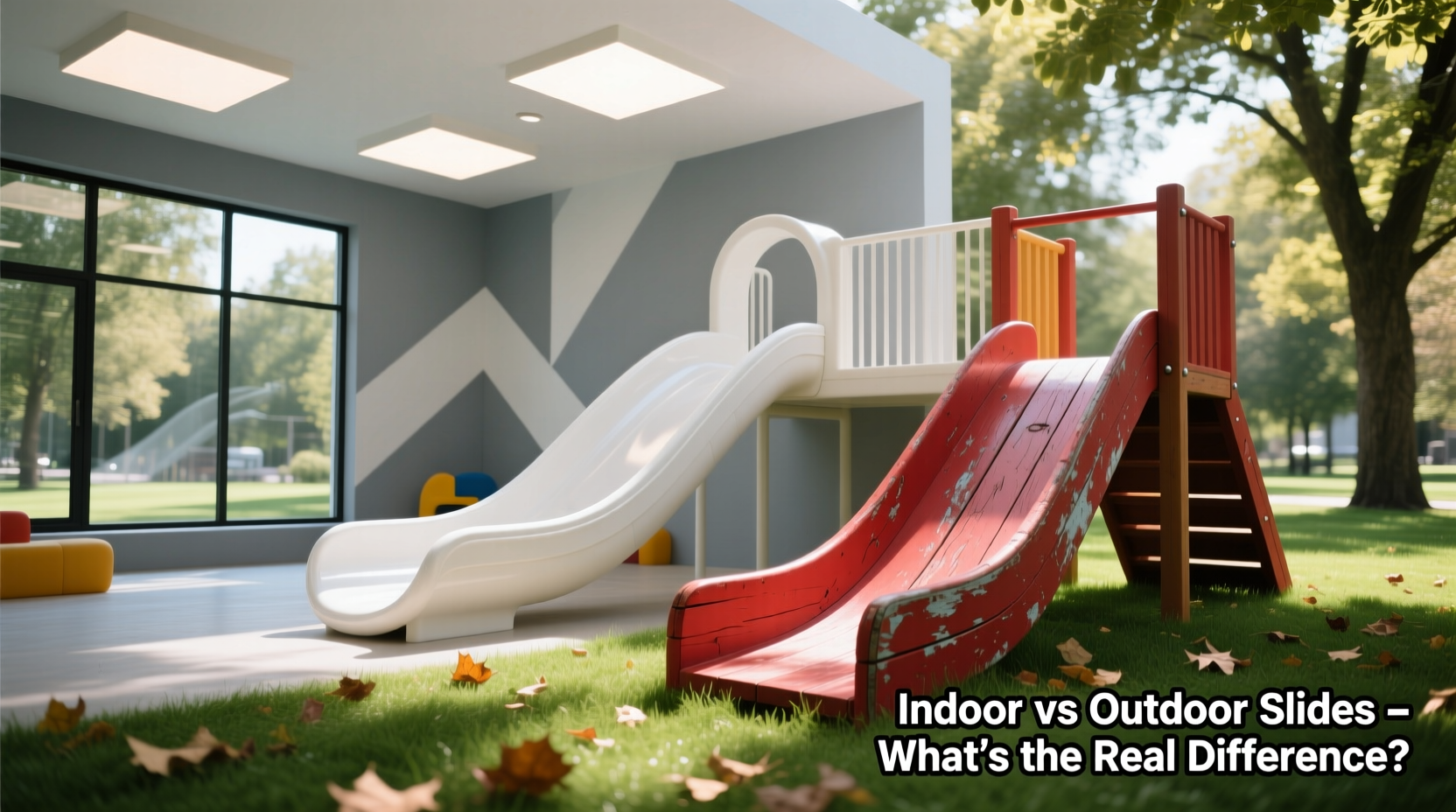
The most immediate difference you feel when using an indoor versus an outdoor slide is the ride itself. Indoor slides typically offer a smoother, more controlled descent. They’re often made from polished plastic or laminated composites engineered for consistent friction. Because they're sheltered from the elements, their surfaces remain clean, dry, and free of debris, resulting in a predictable glide.
Outdoor slides, by contrast, are subject to weather fluctuations. A metal slide on a hot summer day can become scorching—so much so that touching it bare-handed is painful. Plastic versions fare better but still expand and contract with temperature, subtly altering their shape and texture. On a rainy day, an outdoor slide may feel slicker, increasing speed unpredictably. Wind, dust, and pollen also affect the tactile experience, sometimes making the surface feel gritty or sticky.
“Children report faster, wilder rides on outdoor slides, especially after rain or wind. Indoors, the experience is more repeatable—but less thrilling.” — Dr. Lena Torres, Child Development & Play Environment Researcher
Material Matters: What Slides Are Made Of and How It Feels
The materials used in indoor and outdoor slides differ significantly due to durability and safety requirements. This directly influences how the slide feels under your hands and backside.
- Indoor slides: Typically constructed from high-density polyethylene (HDPE) or fiberglass-reinforced plastic. These materials are smooth, non-porous, and resistant to scratches. They don’t conduct heat, so they maintain a neutral temperature regardless of room conditions.
- Outdoor slides: Often built with UV-stabilized plastics or powder-coated steel. Metal conducts heat intensely, creating burn risks in direct sunlight. Even plastic outdoor slides can develop micro-abrasions over time from exposure to dirt, sand, and UV rays, leading to a rougher feel.
Touch an indoor slide, and it feels cool and seamless. An outdoor slide might feel warm, slightly textured, or even sticky if exposed to humidity. These subtle sensory cues influence how children engage with them—outdoor slides often invite quicker, bolder use, while indoor ones encourage repeated, safer play.
Tip: Always test the surface temperature of an outdoor slide before allowing children to use it—especially in summer. A simple hand touch can prevent burns.Environmental Influence: Temperature, Light, and Air
The surrounding environment shapes the entire sliding experience. Indoors, lighting is controlled, airflow is minimal, and acoustics amplify sounds—children’s laughter echoes off walls, heightening excitement. The enclosed space creates a sense of focus; the slide becomes the centerpiece of play.
Outdoors, natural light and open air change everything. Sunlight warms the body before the slide even begins, priming muscles and nerves for action. The breeze during descent adds a dynamic layer—sometimes slowing momentum, sometimes enhancing the feeling of flight. Ambient noise from birds, traffic, or distant voices blends into the experience, making each slide unique.
But environmental factors also introduce variability. Humidity increases static cling on plastic slides, making clothes stick slightly. Cold weather stiffens joints and clothing, reducing flexibility and potentially affecting balance during ascent. In contrast, indoor environments remain stable year-round, offering consistency at the cost of spontaneity.
Comparison Table: Indoor vs Outdoor Slides – Key Differences You Feel
| Factor | Indoor Slide Experience | Outdoor Slide Experience |
|---|---|---|
| Surface Temperature | Consistently neutral | Varies widely—hot in sun, cold in shade |
| Speed & Friction | Controlled, predictable | Unpredictable—affected by moisture, dust, wind |
| Tactile Feel | Smooth, polished, clean | Potentially rough, sticky, or grainy |
| Safety Perception | Higher—enclosed, supervised spaces | More variable—depends on maintenance and design |
| Psychological Impact | Focused, repetitive fun | Adventurous, exploratory thrill |
| Maintenance Visibility | Immediately noticeable if dirty or damaged | Wear accumulates slowly, often overlooked |
Real-World Example: A Day at the Park vs. a Play Café
Consider two scenarios involving a 5-year-old named Maya.
In the first, she visits a popular indoor play café on a rainy Saturday. The slide is part of a multi-level structure with padded landings and soft flooring. She climbs up confidently, sits carefully, and slides down with a giggle. The descent is quick but gentle. She repeats it eight times in ten minutes—each ride nearly identical. Her mother watches from a nearby bench, relaxed because the space is enclosed and staff are present.
A week later, Maya goes to a community park. The slide is taller, made of green-tinted plastic attached to a wooden frame. It’s mid-morning, and the sun has warmed the surface. Before she climbs, her father checks the seat area with his hand—warm, but not hot. Maya scrambles up, hesitates briefly at the top, then launches herself down. The ride feels longer, faster. At the bottom, grass instead of rubber mats means she has to stop herself manually. She does it three times, then moves to the swings. Each slide felt different—one had leaves near the top, another was slightly damp from morning dew.
The indoor setting encouraged repetition and comfort. The outdoor one offered novelty and challenge. Both were enjoyable, but the sensations—and what Maya learned from them—were distinct.
Choosing the Right Slide: A Practical Checklist
Whether you're selecting equipment for a home, school, or public space, consider these points to match the right slide type to your needs:
- ✅ Assess climate and sun exposure—avoid metal outdoor slides in hot regions
- ✅ Prioritize UV-resistant, non-toxic materials for outdoor installations
- ✅ Ensure indoor slides have rounded edges and anti-static coatings
- ✅ Check for ASTM or CPSC compliance for both types
- ✅ Evaluate landing zones—soft surfacing outdoors, cushioned flooring indoors
- ✅ Consider supervision levels—outdoor slides often require more active monitoring
- ✅ Think about usage frequency—high-traffic areas benefit from low-maintenance indoor-grade materials
FAQ: Common Questions About Indoor and Outdoor Slides
Can the same slide be used both indoors and outdoors?
Generally, no. Slides designed for indoor use lack UV protection and weather resistance. Exposing them to sun and moisture leads to cracking, fading, and structural weakening. Outdoor-rated slides can be used indoors, but they may feel rougher and are often heavier and more expensive.
Why do outdoor slides sometimes give static shocks?
Dry air and synthetic clothing create static buildup as children slide down plastic surfaces. This is more common in low-humidity environments and during colder months. Anti-static sprays or humidifiers near indoor slides reduce this effect, but outdoors, it’s harder to control.
Are indoor slides safer than outdoor ones?
Not inherently. Safety depends on design, installation, and maintenance. However, indoor slides benefit from controlled environments—no weather damage, fewer contaminants, and consistent supervision. Outdoor slides must be inspected regularly for wear, rust, or overheating risks.
Final Thoughts: Embrace Both Worlds
The difference between indoor and outdoor slides isn’t just physical—it’s emotional and developmental. Indoors, children refine motor skills in a safe, repeatable environment. Outdoors, they confront variables: heat, texture, speed, and unpredictability. These experiences build adaptability, risk assessment, and resilience.
Rather than choosing one over the other, the best approach is integration. Use indoor slides for year-round, accessible play—especially in urban or extreme climates. Complement them with well-designed outdoor slides that connect children with nature, weather, and the thrill of unscripted adventure.
🚀 Ready to rethink play? Evaluate your current spaces—home, school, or park—and ask: Does this environment offer both consistency and surprise? Share your insights or tag a parent who’d appreciate this breakdown.








