Cats are creatures of habit, and their drinking behaviors often reflect instinctual preferences shaped by evolution. In the wild, felines naturally avoid stagnant water, favoring fresh, moving sources like streams or dripping leaves. This instinct persists in domestic cats, influencing how they interact with water at home. Yet, most pet owners still rely on simple water bowls—static, motionless, and prone to bacterial growth. Enter the indoor cat fountain: a device designed to mimic flowing water, encouraging cats to drink more. But does it actually make a difference? Is a running water system truly better than a traditional bowl when it comes to hydration? The answer lies in understanding feline behavior, physiology, and the practical realities of each option.
The Hydration Challenge in Domestic Cats
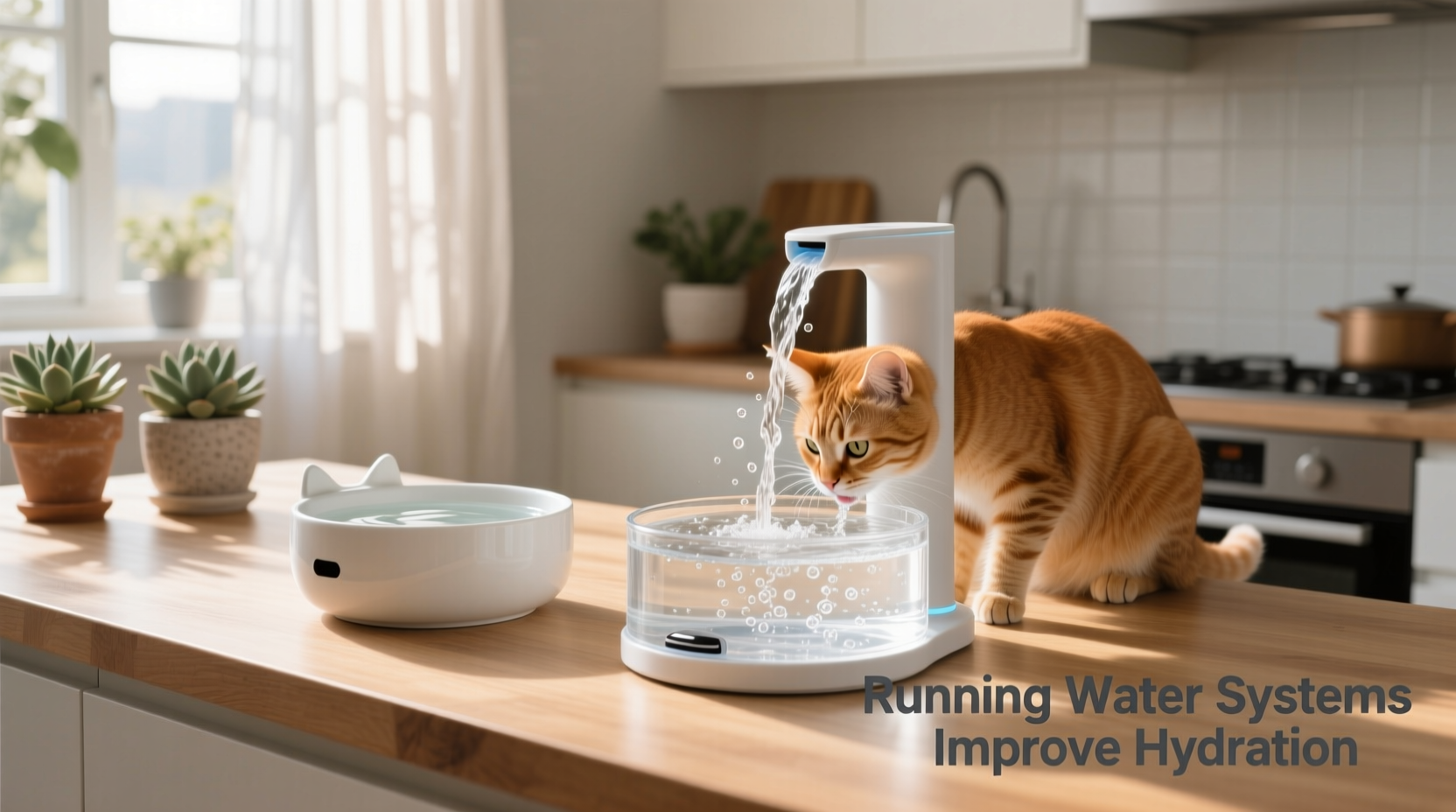
Cats have a notoriously low thirst drive compared to other animals. This trait stems from their evolutionary origins as desert-adapted hunters who obtained most of their moisture from prey. Even today, many cats don’t drink enough water, especially those fed dry kibble, which contains only about 10% moisture—far below the 70–80% found in natural prey or wet food.
Chronic mild dehydration is a silent but significant issue. It contributes to urinary tract problems, including feline lower urinary tract disease (FLUTD), bladder stones, and kidney stress. According to the American Veterinary Medical Association (AVMA), increased water intake can reduce the recurrence of urinary crystals by up to 60% in predisposed cats.
Encouraging consistent hydration isn’t just about placing water nearby—it’s about making water appealing. This is where the debate between cat fountains and bowls becomes critical.
How Cat Fountains Work and Why Cats May Prefer Them
A cat fountain circulates water through a pump, filtering and aerating it continuously. Most models include replaceable carbon or foam filters that remove impurities, chlorine, and odors. The gentle flow creates movement that mimics a natural water source, which many cats find irresistible.
Studies suggest that cats are more likely to drink from moving water. A 2015 study published in the *Journal of Feline Medicine and Surgery* observed that cats using fountains drank approximately 30% more water per day than those relying solely on still bowls. Researchers attributed this increase to both sensory appeal and improved water quality.
Additionally, the sound of trickling water acts as an attractant. For cats with diminished vision or older felines, auditory cues help locate the water source. The constant circulation also prevents stagnation, reducing biofilm formation and keeping water cooler for longer periods.
Tip: Place the fountain in a quiet area away from the litter box and food bowl—cats prefer clean, separate zones for drinking.Comparing Fountains and Bowls: A Practical Breakdown
While fountains offer compelling advantages, they aren’t without drawbacks. A direct comparison reveals key differences in maintenance, cost, safety, and effectiveness.
| Feature | Cat Fountain | Traditional Bowl |
|---|---|---|
| Water Freshness | High – continuous filtration and movement prevent stagnation | Low – water sits exposed, collecting dust and bacteria |
| Hydration Encouragement | High – motion and sound attract cats | Variable – depends on individual preference |
| Maintenance | Moderate – requires weekly cleaning and filter changes | Low – easy to wash daily |
| Cost Over Time | Higher – initial purchase + replacement filters | Lower – inexpensive materials, no recurring costs |
| Safety | Good – BPA-free models available; electrical units need safe placement | Excellent – no electrical components |
| Lifespan | 1–3 years depending on usage and care | Years, if not damaged |
The data shows a clear trade-off: fountains promote better hydration but demand more upkeep. Bowls are simpler but less effective at engaging picky drinkers.
Expert Insight: What Veterinarians Say
“Cats are hardwired to prefer running water. When we see patients with recurrent urinary issues, one of the first recommendations is switching to a fountain. It’s not a cure-all, but it significantly improves fluid intake.” — Dr. Lena Torres, DVM, Feline Internal Medicine Specialist
Veterinary professionals increasingly recommend fountains as part of a holistic approach to urinary and kidney health. The consensus is not that bowls are inherently bad, but that they fail to meet the behavioral needs of many cats. A fountain addresses both psychological and physiological factors, making hydration a more natural act rather than a chore.
However, experts caution against assuming all fountains are equal. Poorly maintained units can become breeding grounds for mold and bacteria. Filters must be replaced regularly, and pumps cleaned every few weeks to ensure optimal function.
Real-World Example: How a Fountain Changed One Cat’s Health
Consider the case of Oliver, a 7-year-old domestic shorthair adopted from a shelter. His owner, Maria, noticed he rarely drank water and had frequent vet visits for mild UTIs. Despite multiple bowl placements and flavor additives, Oliver remained disinterested.
After her veterinarian suggested a stainless steel fountain with a triple-stage filter, Maria made the switch. Within three days, Oliver was seen pawing at the water stream and drinking more frequently. Over the next six months, his urine specific gravity—a measure of concentration—improved from 1.055 to 1.030, indicating better hydration. He hasn’t had a urinary episode since.
This isn’t an isolated incident. Many owners report similar transformations, particularly with cats transitioning from outdoor or semi-feral backgrounds who retain strong instincts about water freshness.
Choosing the Right Option: A Step-by-Step Guide
Deciding between a fountain and a bowl shouldn’t be arbitrary. Follow this process to determine what works best for your cat:
- Observe your cat’s current drinking habits. Does she lap quickly and leave? Sniff and walk away? Drink only after meals? These clues indicate dissatisfaction with water presentation.
- Assess diet type. Cats on dry food need more supplemental water than those on wet diets. If your cat eats primarily kibble, a fountain may be especially beneficial.
- Test a fountain temporarily. Borrow or rent one before buying. Some cats ignore fountains entirely, while others become instantly obsessed.
- Monitor water intake. Use a marked container or smart feeder with tracking to measure daily consumption. Aim for at least 4–6 ounces per 5 lbs of body weight.
- Evaluate maintenance capacity. Can you commit to weekly disassembly, scrubbing, and filter changes? If not, a high-quality ceramic or stainless steel bowl changed twice daily might be more sustainable.
- Try dual options. Offer both a fountain and a bowl in different locations. Many cats use both, depending on mood or time of day.
This methodical approach ensures decisions are based on observation and evidence, not marketing claims.
Action Checklist: Maximizing Hydration Regardless of System
- ✅ Clean all water containers daily with hot, soapy water
- ✅ Replace fountain filters every 2–4 weeks as recommended
- ✅ Use glass, stainless steel, or ceramic bowls—avoid plastic, which harbors bacteria
- ✅ Provide multiple water stations throughout the home
- ✅ Keep water away from food and litter areas to prevent contamination aversion
- ✅ Add ice cubes in summer to keep water cool and enticing
- ✅ Consider flavor enhancers (like low-sodium broth) under veterinary guidance
Frequently Asked Questions
Can cat fountains be dangerous?
Well-designed fountains made from BPA-free materials and equipped with low-voltage pumps are safe. Always place cords out of reach and check for fraying. Avoid submersible pumps unless fully enclosed. Supervise initial use to ensure your cat doesn’t play excessively with the motor.
My cat won’t use the fountain—what should I do?
Some cats take time to adjust. Try placing the fountain next to the old bowl and gradually phase out the bowl. You can also pour water from the fountain into the bowl initially to transfer scent and familiarity. Ensure the water flow isn’t too loud or forceful.
Are there alternatives to electric fountains?
Yes. Gravity-fed waterers provide a constant supply without electricity, though they lack filtration and movement. Another option is a solar-powered outdoor fountain brought indoors temporarily. However, none replicate the sensory stimulation of a circulating fountain.
Final Thoughts: Hydration as Preventive Care
The choice between an indoor cat fountain and a traditional bowl extends beyond convenience—it’s a decision about long-term health. While bowls remain functional, they often fall short in meeting the innate preferences of cats. Running water systems address those instincts directly, turning hydration into an engaging, natural behavior.
Increased water intake supports kidney function, reduces urinary pH fluctuations, and helps flush out potential crystal-forming minerals. For cats prone to FLUTD, obesity, or chronic kidney disease, even small improvements in daily fluid consumption can delay or prevent serious complications.
No single solution fits all households. Some cats thrive with multiple clean bowls refreshed throughout the day. Others become regular fountain users within hours. The key is intentionality: observing your cat, responding to their cues, and prioritizing freshness and accessibility.
In the end, whether you choose a fountain or stick with a bowl, the goal remains the same—ensuring your cat stays properly hydrated, healthy, and comfortable in their environment.
🚀 Ready to improve your cat’s hydration? Start by introducing a fountain for a two-week trial or upgrading to non-plastic bowls. Track changes in drinking behavior and share your experience—your insights could help another cat live a healthier life.








