When it comes to improving cardiovascular fitness, consistency matters more than equipment or location. Yet the choice between an indoor bike trainer and a traditional gym membership can significantly influence how often—and how effectively—you train. Both options offer solid pathways to enhanced endurance, fat loss, and heart health, but they differ in accessibility, structure, motivation, and measurable outcomes. The real question isn’t just about which tool is superior, but which setup aligns best with your lifestyle, goals, and ability to stay consistent.
Cardiovascular improvement hinges on sustained aerobic effort, progressive overload, and frequency of training. Whether you’re aiming to lower resting heart rate, increase VO₂ max, or simply feel more energetic throughout the day, the method you choose must support long-term adherence. This article breaks down the strengths and limitations of indoor bike trainers and gym memberships from a cardio performance perspective, using real-world data, expert insights, and practical considerations.
How Cardio Fitness Is Measured
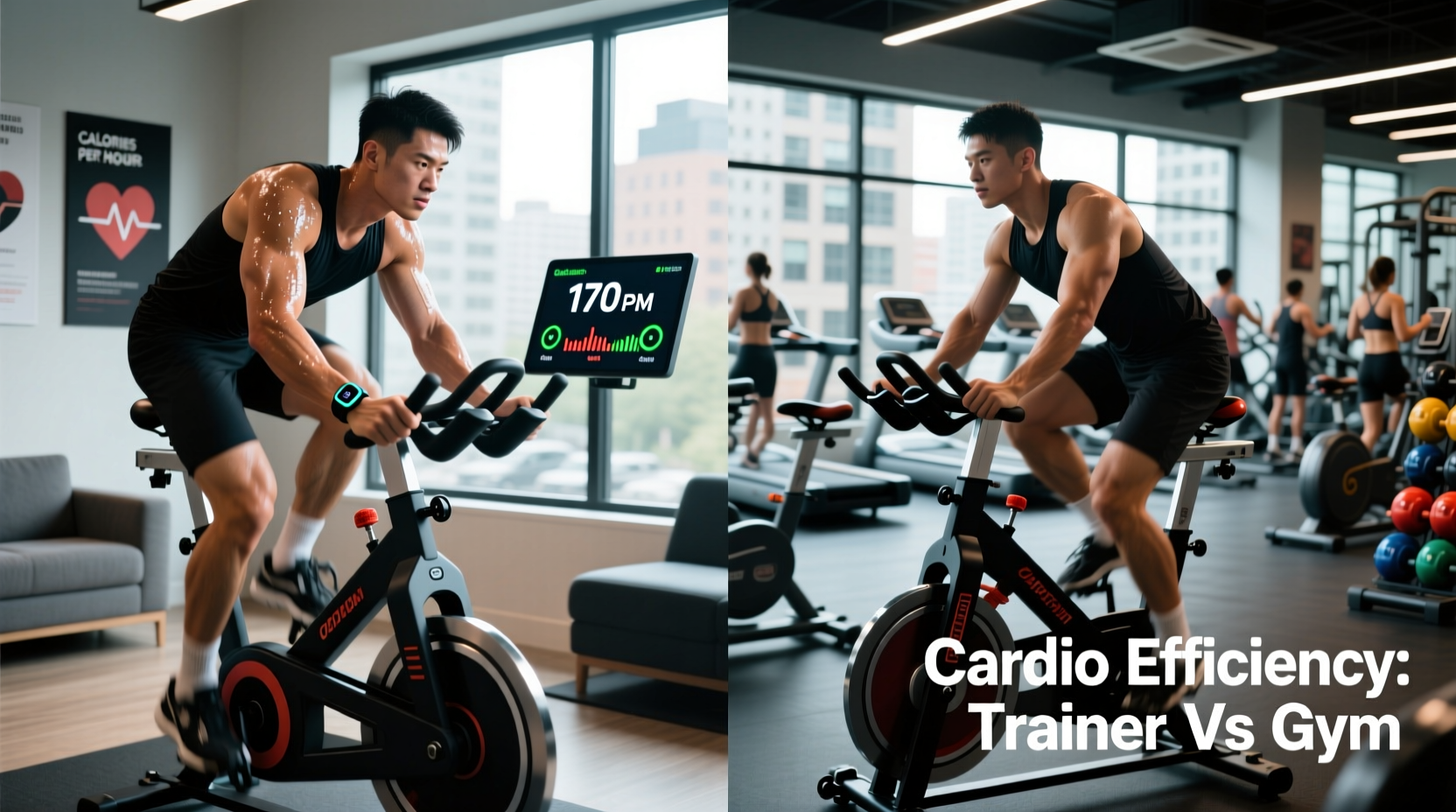
Before comparing tools, it’s essential to understand what “better cardio results” actually means. Cardiovascular improvement isn’t just about sweating hard—it’s quantifiable through several key markers:
- VO₂ Max: The maximum volume of oxygen your body can utilize during intense exercise. Higher values indicate superior aerobic capacity.
- Resting Heart Rate (RHR): A lower RHR generally reflects a more efficient heart and improved cardiovascular conditioning.
- Lactate Threshold: The point at which lactic acid accumulates faster than it can be cleared. Training above this threshold improves endurance.
- Heart Rate Recovery (HRR): How quickly your heart rate drops after exertion. Faster recovery signals better fitness.
- Consistency & Duration: Weekly minutes of moderate-to-vigorous cardio correlate directly with health outcomes.
A study published in the Journal of Sports Science & Medicine found that cyclists who trained indoors for 12 weeks saw a 9.4% increase in VO₂ max, compared to a 7.8% gain in those using varied gym cardio machines—suggesting focused, structured cycling may yield slightly better aerobic adaptations when effort is matched.
“Targeted, zone-based training on a bike trainer can produce faster cardiovascular gains than unfocused treadmill walking or elliptical use.” — Dr. Lena Torres, Exercise Physiologist
Indoor Bike Trainer: Strengths and Limitations
An indoor bike trainer converts your road or mountain bike into a stationary unit or integrates with smart systems like Zwift or Wahoo SYSTM. These setups allow precise control over resistance, cadence, power output, and workout structure.
The primary advantage lies in **training specificity**. Riders can follow interval programs calibrated to exact wattage zones, ensuring each session targets a specific physiological adaptation—whether it's aerobic base building, anaerobic threshold work, or sprint development. This precision leads to measurable progress over time.
Tip: Pair your trainer with a heart rate monitor and power meter to track true cardio intensity—not just perceived effort.Smart trainers also provide immersive experiences. Platforms like Zwift simulate real terrain, group rides, and races, helping maintain motivation through gamification. For people who struggle with monotony, this can be a game-changer in long-term adherence.
However, drawbacks exist. The initial investment ranges from $300 for basic wheel-on trainers to over $1,500 for high-end direct-drive models. There’s also a learning curve with apps, firmware updates, and device pairing. Additionally, if your goal includes full-body strength or flexibility, a trainer alone won’t suffice—you’ll need supplemental workouts.
Gym Membership: Versatility vs. Distraction
A typical gym offers treadmills, ellipticals, stair climbers, rowers, spin bikes, and group classes—all under one roof. This variety allows users to mix modalities, reducing overuse injuries and keeping routines fresh. From a cardio standpoint, access to multiple machines means you can alternate between low-impact (elliptical) and high-intensity (rowing) sessions depending on energy levels or joint comfort.
Gyms also provide social accountability. Seeing others work out, attending scheduled spin or HIIT classes, and interacting with trainers can boost motivation. A 2021 survey by the International Health, Racquet & Sportsclub Association (IHRSA) found that 68% of consistent gym-goers cited “class schedules” as their main reason for attendance—highlighting the power of external structure.
But there are trade-offs. Many gym users fall into the trap of inefficient workouts—spending 30 minutes on the treadmill at a conversational pace without tracking heart rate zones or progression. Without clear goals, cardio sessions become routine rather than results-driven.
Traffic congestion during peak hours, commute time, and hygiene concerns further reduce effective training time. One analysis estimated that the average gym member spends only 37% of their visit actually exercising—the rest devoted to travel, changing, waiting for equipment, and socializing.
“The gym gives you options, but too many choices without direction often lead to suboptimal effort.” — Marcus Reed, Certified Personal Trainer
Direct Comparison: Performance, Cost, and Consistency
To evaluate which option produces better cardio results, consider the following factors side-by-side:
| Factor | Indoor Bike Trainer | Gym Membership |
|---|---|---|
| Average Monthly Cost | $30–$50 (after initial purchase) | $40–$100+ (varies by region and facility) |
| Initial Investment | $300–$1,500+ | $0 (except potential initiation fee) |
| Time Efficiency | High (no commute, ready to ride) | Moderate to Low (travel + wait times) |
| Workout Precision | High (power, HR, zones tracked) | Variable (depends on user discipline) |
| Variety of Modalities | Low (cycling only) | High (multiple machines, classes) |
| Motivation Tools | Digital platforms, leaderboards, challenges | In-person classes, social environment |
| Long-Term Adherence | High for self-motivated users | High for class-dependent individuals |
The data suggests that while gyms offer broader physical options, indoor trainers often deliver superior cardio outcomes due to higher training density and objective feedback. If your sole focus is cardiovascular improvement—especially cycling-specific endurance—a smart trainer system provides more targeted stimulus.
Real-World Example: Sarah’s 12-Week Transformation
Sarah, a 34-year-old software developer, wanted to improve her stamina for weekend trail rides. She had a gym membership she rarely used, citing lack of time and motivation. After purchasing a mid-tier smart trainer and subscribing to a structured plan, she committed to three 45-minute rides per week.
Using heart rate and power metrics, her coach adjusted her zones every two weeks. By week 12, her average power output increased by 22%, her resting heart rate dropped from 68 to 59 bpm, and her perceived effort on familiar trails decreased noticeably. She attributed her success not just to the equipment, but to the accountability of scheduled virtual group rides and real-time performance tracking.
Had she relied solely on sporadic treadmill walks at the gym, such precise progression would have been unlikely. Her case illustrates how technology-enabled home training can outperform generalized gym cardio when the goal is measurable aerobic improvement.
Maximizing Cardio Results: A Practical Checklist
No matter which path you choose, these evidence-based strategies will help you get the most from your cardio training:
- ✅ Define a clear goal (e.g., improve VO₂ max, lose weight, prepare for an event)
- ✅ Train in heart rate or power zones at least 3 times per week
- ✅ Incorporate interval training (e.g., 4x4-minute efforts at 85–95% max HR)
- ✅ Track progress monthly (resting HR, workout averages, perceived exertion)
- ✅ Combine cardio with strength training to enhance metabolic efficiency
- ✅ Prioritize sleep and nutrition—they directly impact aerobic recovery and adaptation
Which Option Wins for Cardio Results?
The answer depends on the individual, but objectively, **indoor bike trainers tend to produce better cardio outcomes when used correctly**. They enable consistent, high-quality sessions with accurate feedback, minimal distractions, and no commute. For those serious about improving aerobic capacity, lactate threshold, or race performance, a trainer offers a level of control unmatched by most gym environments.
That said, gym memberships win for people who thrive on variety, enjoy social interaction, or want full-body workouts. If you're likely to skip solo training but show up reliably for a 6 PM spin class, the gym’s structure may serve you better—even if the raw efficiency per minute is lower.
Ultimately, the best cardio tool is the one you’ll use consistently. But if both options were equally accessible, the edge goes to the indoor trainer for delivering focused, progressive, and measurable cardiovascular improvements.
Frequently Asked Questions
Can I get the same cardio benefits from a gym spin class as from a trainer?
Yes, if the class is well-structured and you track your effort. However, many group classes don’t personalize resistance or cadence, leading to under- or over-training. With a smart trainer, you can replicate studio-quality workouts at home with personalized metrics.
Is it worth buying a trainer if I already have a gym membership?
Only if you’re not using the gym consistently or want more targeted training. If you’re already getting 3+ quality cardio sessions weekly at the gym, adding a trainer may be redundant unless you’re training for cycling events.
Do indoor trainers build the same endurance as outdoor riding?
Absolutely. Research shows that indoor training with variable resistance and structured intervals can match or exceed outdoor endurance gains, especially when environmental variables like wind or traffic interruptions are removed.
Conclusion: Choose Based on Your Behavior, Not Just Equipment
The debate between indoor bike trainers and gym memberships isn’t really about machinery—it’s about human behavior. Technology gives us precision, but habit determines results. An expensive trainer collecting dust delivers zero cardio benefit. A $40 gym pass used five days a week delivers transformation.
If you value data, efficiency, and solitude, invest in a smart trainer and commit to structured programming. If you need community, change of scenery, and variety to stay engaged, a gym membership—especially one with strong cycling or HIIT offerings—may be the better engine for progress.
Either way, prioritize consistency, measure your outputs, and adjust based on real feedback. Because when it comes to cardiovascular fitness, the most advanced equipment won’t outperform disciplined action.
💬 Ready to upgrade your cardio game? Assess your habits, pick the tool that fits your life, and start tracking real metrics today. Share your journey or ask questions in the comments below.








