
Running shoes are engineered for performance, comfort, and support. Their midsoles rely on specialized foam compounds like EVA, PU, or modern blends such as Nike React or Adidas Boost—materials designed to absorb impact and return energy with each stride. But when dirt, sweat, and odor accumulate, cleaning becomes necessary. The challenge? Most runners instinctively toss their shoes in the washing machine, not realizing that aggressive agitation, heat, and moisture can degrade cushioning, warp the structure, and shorten the shoe’s lifespan.
Cleaning your running shoes properly isn’t just about appearance—it’s about preserving function. Done right, a thorough cleaning removes bacteria, maintains breathability, and extends the life of your investment. Done wrong, it can collapse cushioning, delaminate soles, or cause irreversible warping. This guide delivers a precise, tested method to clean your running shoes safely while protecting their structural integrity and responsive feel.
Why Regular Cleaning Matters (and When to Do It)
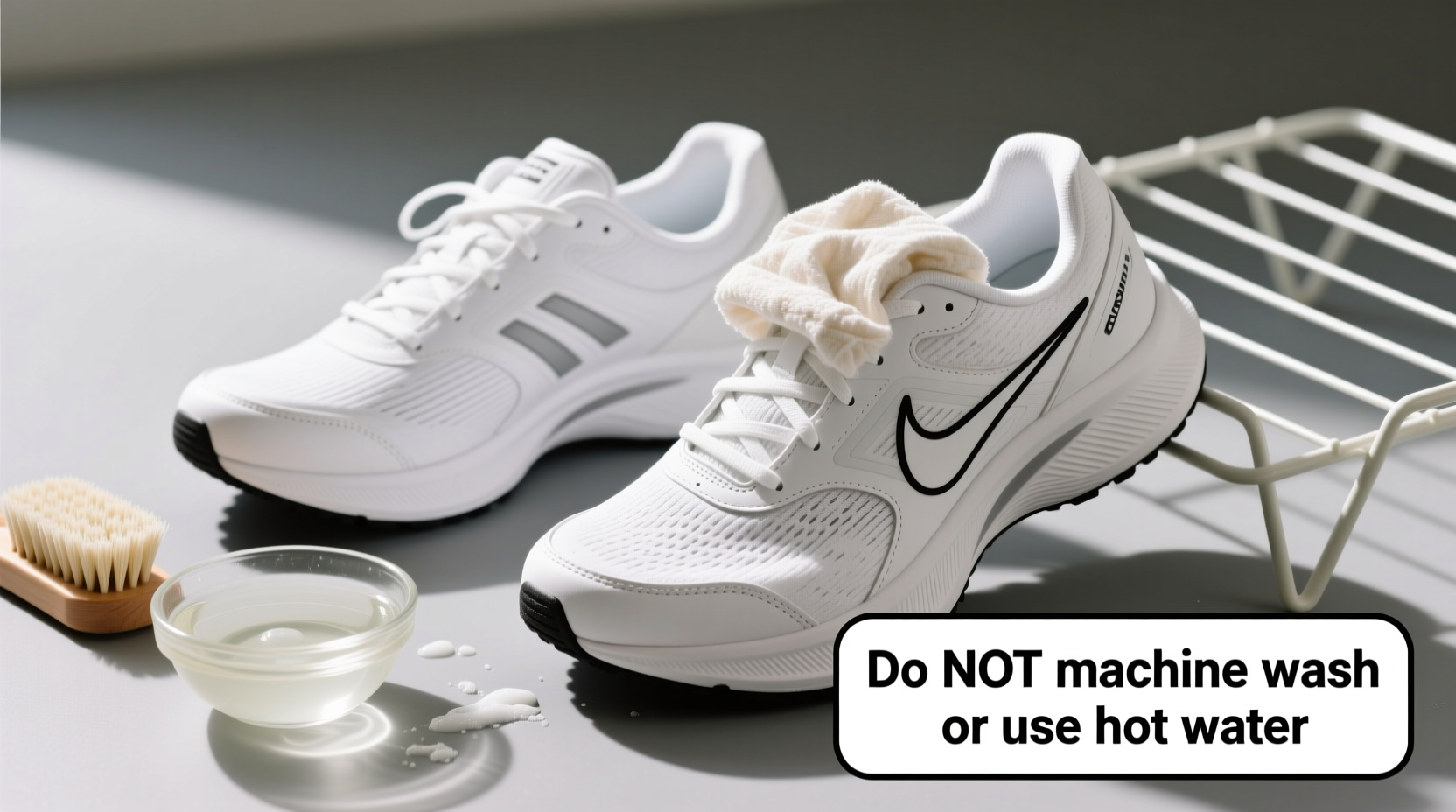
Running exposes shoes to mud, road grime, salt, and foot sweat—all of which break down materials over time. Sweat alone contains salts and acids that deteriorate mesh uppers and glue bonds. Odor-causing bacteria thrive in warm, damp environments, especially within foam linings. Left unchecked, these issues compromise hygiene and material longevity.
Most runners should clean their shoes every 3–5 weeks, depending on usage and conditions. Signs it’s time include:
- Visible dirt or discoloration on the upper or midsole
- Persistent odor even after airing out
- Reduced breathability due to clogged mesh
- Running in wet or muddy conditions frequently
However, over-cleaning can be just as harmful. Excessive exposure to water weakens adhesives and degrades foam resilience. Balance is key: clean when needed, but avoid routine washing without cause.
Tip: After every run, remove the insoles and let your shoes air dry naturally—never near direct heat. This prevents odor buildup and reduces deep cleaning frequency.Step-by-Step Guide: Safe Hand-Washing Process
The safest way to clean running shoes is by hand, using gentle techniques that preserve structural components. Follow this timeline-tested method:
- Remove laces and insoles: Take out the shoelaces and footbeds. These can be washed separately—laces in a mesh laundry bag on gentle cycle, insoles by hand with mild soap.
- Dry brush first: Use a soft-bristle toothbrush or suede brush to remove loose dirt from the upper, midsole, and outsole. Focus on seams and grooves where debris collects.
- Prepare cleaning solution: Mix one cup of lukewarm water with one tablespoon of mild detergent (like dish soap or sports gear cleaner). Avoid bleach, ammonia, or harsh chemicals.
- Spot-clean the upper: Dip a microfiber cloth or soft brush into the solution. Gently scrub the mesh, synthetic overlays, and logos. Work in small sections and rinse the cloth frequently.
- Clean the midsole: Foam midsoles stain easily from asphalt or dirt. Use a slightly dampened toothbrush with the cleaning solution to lift marks. Never soak or scrub aggressively.
- Rinse carefully: Dampen a clean cloth with plain water and wipe away any soap residue. Do not submerge the shoe or use a hose—excess water intrusion damages internal layers.
- Air-dry thoroughly: Stuff shoes with crumpled newspaper or paper towels to maintain shape and absorb moisture. Place in a well-ventilated area at room temperature, away from sunlight or heaters. Allow 24–48 hours to dry completely.
This process removes contaminants without compromising the shoe’s architecture. The key is minimal moisture exposure and no mechanical stress.
What Not to Do: Common Mistakes That Ruin Shoes
Even with good intentions, many runners damage their shoes during cleaning. The following practices accelerate wear and compromise performance:
| Action | Why It’s Harmful | Better Alternative |
|---|---|---|
| Tossing shoes in the washing machine | Agitation breaks down glue, compresses foam, and warps shape | Hand-wash only with light scrubbing |
| Using hot water or bleach | Heat deforms EVA foam; bleach weakens fibers and fades colors | Lukewarm water with mild detergent |
| Drying with a hairdryer or radiator | High heat causes sole separation and upper shrinkage | Air-dry at room temperature with stuffing |
| Soaking shoes overnight | Water seeps into midsole, promoting mold and foam breakdown | Light dampening only, never immersion |
| Skipping insole removal | Trapped moisture leads to odor and bacterial growth | Always remove and dry insoles separately |
These errors may seem minor, but cumulative damage from improper care can reduce cushioning responsiveness by up to 30% over time, according to durability testing conducted by footwear labs at the University of Oregon’s Human Performance Lab.
“Many runners replace shoes prematurely because they think cushioning has worn out—but often, it’s been compromised by poor cleaning habits.” — Dr. Lena Torres, Biomechanics Researcher, Sports Footwear Institute
Real Example: A Runner’s Recovery Story
Mark R., a marathoner from Portland, noticed his daily trainers felt flat and unresponsive after just 150 miles—well before the expected 300–500-mile lifespan. He assumed he’d simply outgrown the model. Then, during a coaching session, his trainer asked about his cleaning routine. Mark admitted he regularly threw his shoes in the washer after trail runs to “sanitize” them.
Upon inspection, the trainer pointed out visible delamination between the midsole and outsole—a classic sign of adhesive failure caused by machine washing. The foam had also begun to crack internally. Mark switched to hand-cleaning using the method described here. His next pair of shoes, cleaned only manually and air-dried properly, lasted 480 miles with consistent cushioning and zero structural issues.
His experience underscores a critical point: perceived wear isn’t always mileage-related. How you clean your shoes directly affects how long they perform.
Special Considerations for Different Shoe Materials
Not all running shoes are built the same. Modern uppers use a blend of engineered mesh, knit, synthetic leather, and sometimes waterproof membranes. Each reacts differently to moisture and cleaning agents.
- Knit uppers (e.g., Adidas Primeknit, Nike Flyknit): Delicate and form-fitting. Clean with a barely damp cloth. Never wring or stretch. Air-dry with stuffing to prevent sagging.
- Engineered mesh: Most common. Tolerates light scrubbing but avoid soaking. Resistant to mild detergents.
- Waterproof models (e.g., Gore-Tex linings): Do not submerge. Clean externally only. Waterproof membranes can be damaged by heat or solvents.
- Leather or synthetic overlays: Wipe with a damp cloth. Condition synthetic leather occasionally with a silicone-free wipe to prevent cracking.
In all cases, avoid saturating the shoe. Moisture trapped inside cannot escape easily, especially in sealed constructions, leading to glue degradation and microbial growth.
Tip: For stubborn stains on white midsoles, mix baking soda and hydrogen peroxide into a paste. Apply with a toothbrush, let sit for 15 minutes, then wipe off—never leave it on longer or allow it to dry fully.Checklist: How to Wash Running Shoes Safely
Follow this checklist every time you clean your running shoes to ensure optimal results:
- ☐ Remove laces and insoles
- ☐ Dry brush exterior to remove loose dirt
- ☐ Mix mild soap with lukewarm water
- ☐ Use soft cloth or brush for spot cleaning
- ☐ Avoid soaking or submerging the shoe
- ☐ Rinse soap residue with a damp, clean cloth
- ☐ Stuff with paper to retain shape
- ☐ Air-dry in a ventilated, shaded area
- ☐ Wait 24–48 hours before wearing again
- ☐ Reinsert clean insoles and laces once fully dry
Frequently Asked Questions
Can I put my running shoes in the dishwasher?
No. Dishwashers use high heat, strong detergents, and prolonged water exposure—all of which destroy adhesives, warp midsoles, and shrink uppers. This method is strongly discouraged by manufacturers including Brooks, ASICS, and Hoka.
How often should I wash my running shoes?
Every 3–5 weeks under normal conditions. If you run in mud, rain, or on dusty trails frequently, clean them more often—but always allow full drying time between uses. Over-cleaning accelerates material fatigue.
Will hand-washing really preserve cushioning better than machine washing?
Yes. Studies show that machine washing reduces foam rebound resilience by up to 22% after just two cycles. Hand-washing with controlled moisture maintains foam integrity and prolongs the shoe’s responsive feel.
Protect Your Investment, Mile After Mile
Your running shoes are precision tools designed for peak performance. Every element—from the last to the lug pattern—is calibrated to support your gait and protect your joints. Treating them with care during cleaning ensures they deliver consistent cushioning, stability, and comfort throughout their lifespan. By avoiding the washing machine, skipping harsh chemicals, and embracing a simple hand-cleaning routine, you safeguard both the physical structure and functional intelligence built into your footwear.
Start today: pull out those slightly grimy trainers, grab a soft brush and some mild soap, and give them the attention they deserve. Proper care doesn’t just extend life—it preserves the running experience you paid for.
💬 Have a favorite shoe-cleaning hack that works for you? Share your tip in the comments and help fellow runners keep their kicks fresh and functional!








