
Tight shoes can turn a simple walk into an uncomfortable ordeal. Whether you've bought a pair that runs slightly small or your favorite loafers have stiffened over time, the solution doesn’t always require a trip to the cobbler. With a few clever techniques and everyday household items, you can effectively stretch tight shoes overnight—safely, affordably, and without damaging the material. This guide explores proven methods using items already in your home, helping you achieve a better fit by morning.
Why Shoes Feel Tight—and When Stretching Helps
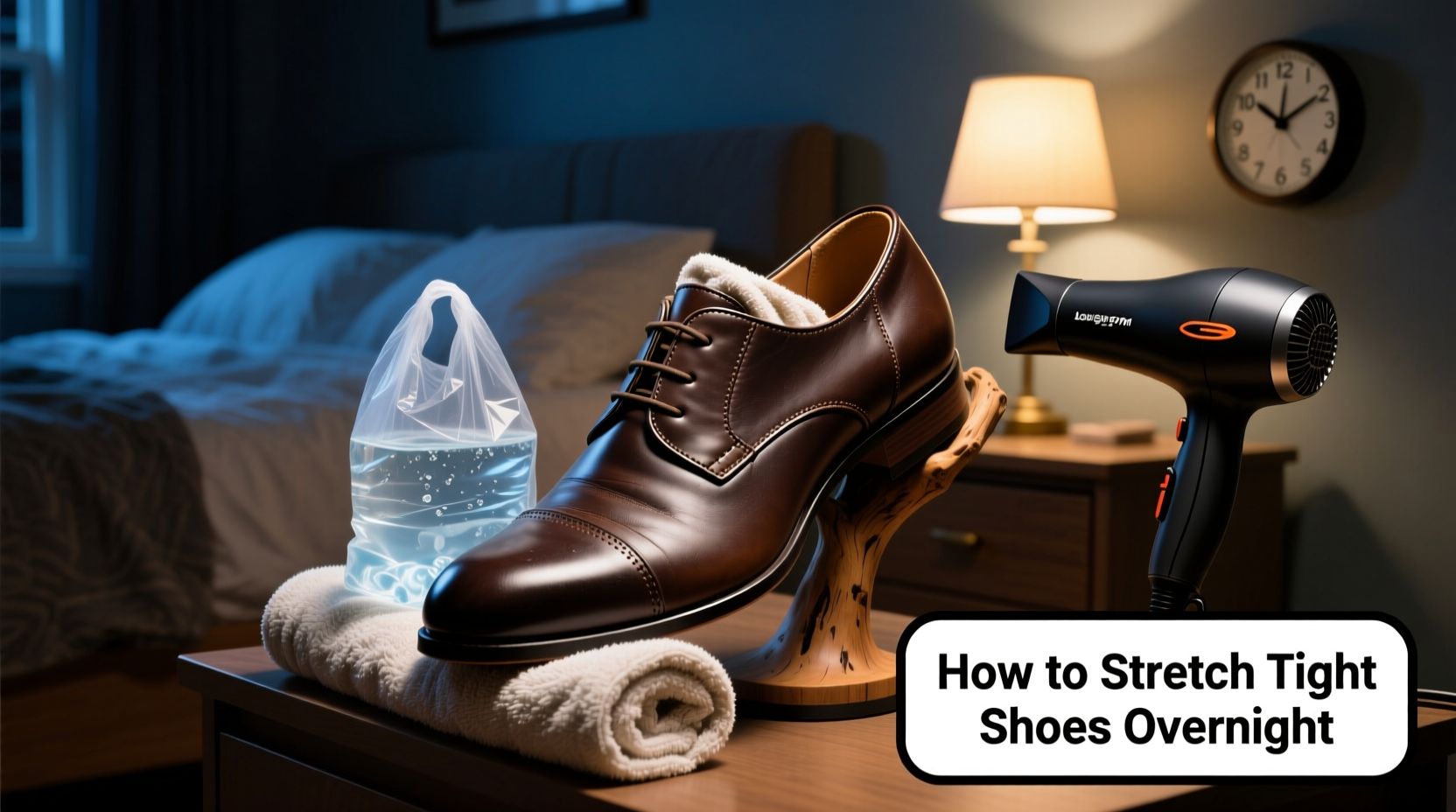
Shoes may feel tight for several reasons: natural variations in foot shape, seasonal swelling, or materials like leather and suede that shrink slightly with wear and exposure to moisture. Most structured shoes, especially those made from real leather, canvas, or synthetic fabrics, have some degree of flexibility and can be gently expanded.
Stretching works best when discomfort is caused by minor size discrepancies—not full-size differences. If your shoe is two sizes too small, stretching won’t fully resolve the issue. However, for narrow toe boxes, snug heels, or midfoot pressure, targeted expansion using household techniques can make a meaningful difference.
“Many people don’t realize that quality footwear is designed to adapt. A proper stretch can restore comfort without compromising durability.” — Marcus Reed, Footwear Restoration Specialist
Essential Household Items That Work as Shoe Stretches
You don’t need professional tools to loosen tight shoes. Common kitchen and bathroom staples can serve as effective stretching agents. The key is using materials that expand when frozen or heated, applying gentle but consistent pressure inside the shoe.
Below are the most accessible and reliable household items used for overnight shoe stretching:
- Water-filled plastic bags – Expand when frozen, applying outward pressure.
- Alcohol and water spray – Softens leather fibers temporarily for reshaping.
- Newspaper or socks – Bulk inserted into the shoe to maintain shape during stretching.
- Hair dryer – Heats material to increase pliability while wearing the shoe.
- Potatoes (yes, really) – Natural starch expands slightly inside damp shoes.
Step-by-Step: Overnight Shoe Stretching Methods
The following techniques are designed to deliver results within 8–12 hours, making them ideal for urgent fit issues. Each method targets different materials and problem areas.
1. The Freezer Bag Method (Best for Leather and Canvas)
This technique uses water’s expansion during freezing to gently push out tight areas.
- Fill two sandwich-sized plastic bags halfway with water.
- Place one bag inside each shoe, positioning it toward the tightest area (usually the toe box).
- Seal the bags tightly, removing excess air to prevent leaks.
- Put the shoes in the freezer overnight (at least 8 hours).
- In the morning, remove the shoes and let the ice melt completely.
- Take out the bags and try on the shoes with thick socks.
The expanding ice applies steady pressure, mimicking a professional shoe stretcher. This method is particularly effective for breaking in new boots or softening stiff toe caps.
2. The Damp Cloth & Heat Technique (Ideal for Synthetic Materials)
Synthetic uppers respond well to controlled heat and moisture.
- Dampen a clean cloth with warm water (not soaking wet).
- Wad the cloth and stuff it into the toe and midfoot areas.
- Use a hair dryer on medium heat to warm the exterior of the shoe for 2–3 minutes.
- Immediately put on thick socks and wear the shoes for 20–30 minutes as they cool.
- Walk around gently to encourage shaping to your foot.
The combination of internal moisture and external heat opens up the fibers, allowing the shoe to conform more closely to your foot’s contours.
3. The Potato Trick (Natural and Chemical-Free Option)
A quirky but surprisingly effective method for minor toe-box tightness.
- Peel a raw potato and cut it to fit snugly into the front of the shoe.
- Slightly dampen the potato if the shoe feels extremely dry.
- Insert it deep into the toe area and leave it overnight.
- Remove the potato in the morning and air out the shoe briefly.
As the potato dries, it releases moisture that softens the inner lining, while its firm shape maintains volume, encouraging the shoe to expand slightly.
4. Alcohol Spray + Wear Method (Fast-Acting for Pinch Points)
Perfect when you need relief from localized pressure spots.
- Mix equal parts rubbing alcohol and water in a spray bottle.
- Spray the solution inside the tight areas—focus on the sides or heel collar.
- Immediately put on thick socks and wear the shoes for 30–60 minutes.
- Walk normally to help the material stretch where needed.
Alcohol breaks down surface tension in leather and synthetics, making them more malleable. Use sparingly to avoid over-drying natural materials.
Tip: After using alcohol, condition leather shoes with a small amount of saddle soap or cream to restore moisture.Do’s and Don’ts of DIY Shoe Stretching
To maximize effectiveness and minimize damage, follow these guidelines based on material type and method.
| Action | Do | Don't |
|---|---|---|
| Material Suitability | Use freezing method on leather, canvas, rubber | Avoid on glued soles or delaminating shoes |
| Liquid Application | Dampen, don’t soak; use distilled water if possible | Never saturate suede or nubuck |
| Heat Exposure | Use low-to-medium heat in short bursts | Don’t apply direct high heat to synthetics |
| Frequency | Repeat methods once or twice if needed | Don’t over-stretch in one session |
| Aftercare | Let shoes air dry naturally after wet methods | Avoid direct sunlight or radiators |
Real Example: Breaking In New Work Loafers
Sarah, a graphic designer in Portland, purchased a sleek pair of leather loafers for client meetings. While stylish, the shoes pinched her toes and rubbed her right heel by midday. She didn’t want to return them—she’d worn them once and loved the look.
Using the freezer bag method, she filled two zip-top bags with water, sealed them carefully, and placed one in each shoe’s toe box. She left them in her freezer overnight. The next morning, after removing the melted bags, she wore the loafers around the house with wool socks for an hour. The toe space had noticeably improved, and the heel friction disappeared after two days of light use.
“I couldn’t believe something so simple worked,” she said. “Now they’re my go-to work shoe.”
Expert Tips for Long-Term Comfort
While overnight fixes provide quick relief, long-term shoe care prevents recurring tightness. Consider these expert-backed strategies:
- Rotate your shoes – Wearing the same pair daily causes compression and reduces breathability.
- Use shoe trees – Cedar shoe horns maintain shape and absorb moisture after wear.
- Condition leather regularly – Dry leather stiffens and contracts; monthly conditioning keeps it supple.
- Break in gradually – Wear new shoes for short periods at first, increasing duration over days.
“Prevention is better than correction. A well-maintained shoe rarely needs aggressive stretching.” — Lena Choi, Shoemaking Instructor at Boston Craft Institute
Frequently Asked Questions
Can I use these methods on suede or nubuck shoes?
Use extreme caution. Water-based methods can stain or warp suede. Instead, opt for the alcohol spray (lightly applied) or wear the shoes with thick socks and a hair dryer. Never freeze suede footwear.
How much can a shoe realistically stretch overnight?
Most methods yield a quarter to half-size increase. Significant changes take repeated treatments. Overnight stretching relieves pressure points but won’t transform a size 8 into a comfortable size 9.
Is it safe to use a hair dryer on synthetic shoes?
Yes, but keep the dryer at least 6 inches away and use short bursts (15–20 seconds). Overheating can warp soles or melt glue. Always combine heat with movement—wear the shoe as it cools to lock in the new shape.
Checklist: How to Stretch Tight Shoes Overnight – Quick Reference
✅ Your Overnight Shoe Stretching Checklist:- Identify the tightest area (toe, heel, width).
- Choose the appropriate method based on material.
- Gather supplies: plastic bags, water, hair dryer, alcohol, socks, etc.
- Apply the chosen technique before bed.
- Allow adequate time (8+ hours) for results.
- Test fit in the morning with appropriate socks.
- Repeat if necessary, but avoid over-stretching.
- Condition or air out shoes as needed after treatment.
Conclusion: Comfort Starts at Home
Tight shoes don’t have to mean wasted money or enduring pain. With simple household items and a little patience, you can reshape your footwear for a better fit—often by morning. These methods are cost-effective, accessible, and grounded in the physical properties of common shoe materials. Whether you're dealing with a stubborn pair of oxfords or weekend sneakers that lost their give, the right overnight technique can restore comfort without compromise.
💬 Have a favorite DIY shoe hack? Share your experience in the comments and help others walk easier!








