Cats are natural climbers. In the wild, felines scale trees and rocky outcrops to survey their territory, escape threats, or simply bask in a high vantage point. When brought indoors, that instinct doesn’t disappear—it merely shifts focus. For many cat owners, this means curtains become unintended climbing structures. While amusing at first, repeated curtain climbing can lead to torn fabric, broken rods, and frustrated pet parents. The good news is that you don’t need to punish your cat or resort to harsh deterrents. With understanding, patience, and the right strategies, you can redirect your cat’s climbing behavior effectively—without damaging your home or your relationship with your pet.
Understanding Why Cats Climb Curtains
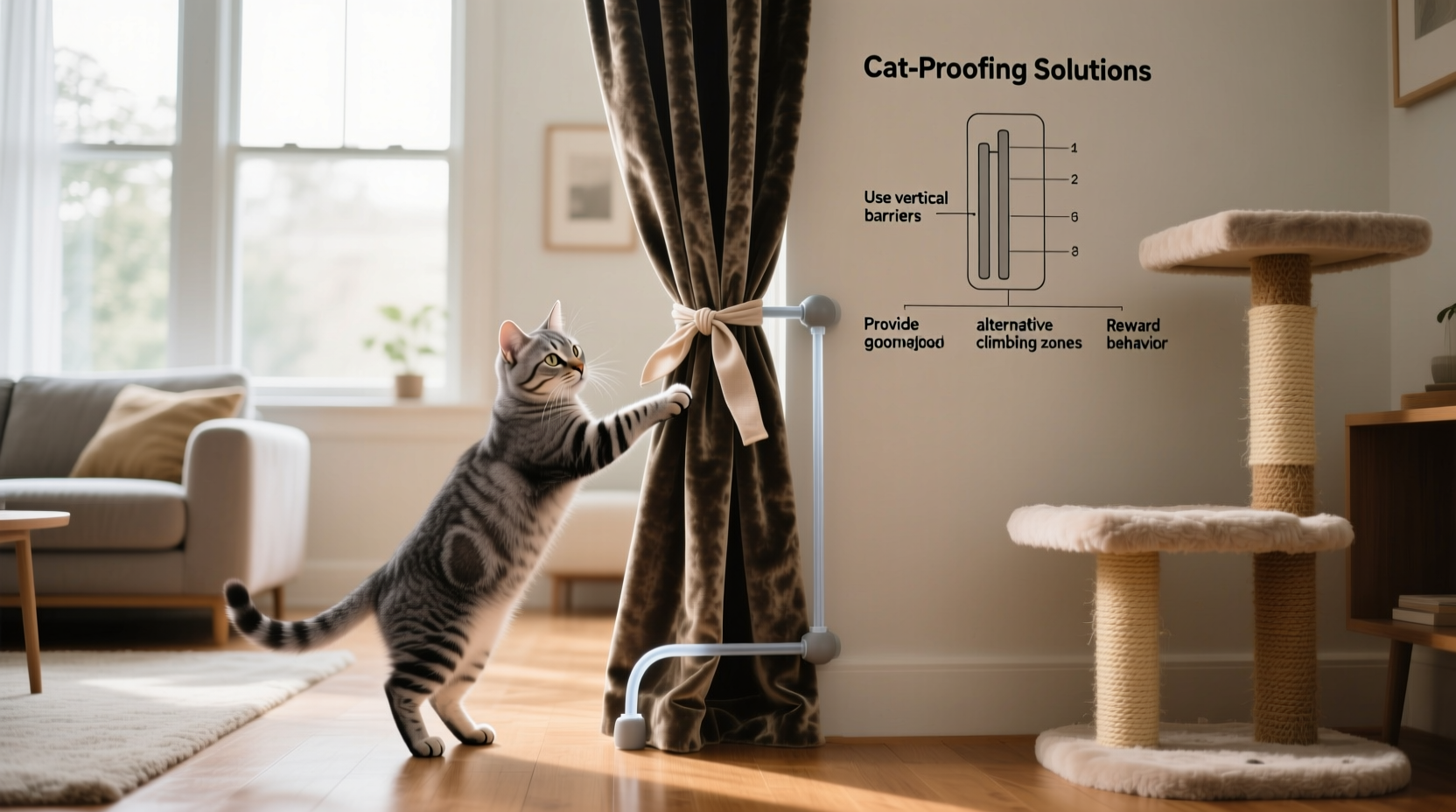
Climbing isn’t mischief; it’s deeply rooted in feline psychology. Cats climb for several reasons:
- Instinctual Behavior: As predators, cats seek elevated positions to observe their surroundings. A window with a curtain offers both height and a view of birds or passing cars—making it irresistible.
- Exercise and Play: Climbing satisfies physical activity needs, especially for indoor cats with limited space.
- Stress Relief: Vertical spaces provide a sense of security. A cat feeling anxious may retreat upward when overwhelmed.
- Marking Territory: Scratching while climbing deposits scent from glands in their paws, marking the area as theirs.
Attempting to suppress this behavior through punishment only increases stress and damages trust. Instead, the goal should be redirection—providing better alternatives that fulfill the same needs.
Tip: Never yell at or spray your cat with water as a correction method. It creates fear and does not teach appropriate behavior.Step-by-Step Guide to Stop Curtain Climbing
Stopping curtain climbing requires consistency and environmental adjustment. Follow these steps in order for best results:
- Assess the Environment: Identify which curtains are targeted and when climbing occurs. Is it during playtime? When guests arrive? This helps determine if the cause is boredom, anxiety, or stimulation.
- Remove Immediate Access (Temporarily): Close doors to rooms with vulnerable curtains or use child-safe cord stops to prevent loop hazards. Tying curtains tightly back with secure holders reduces temptation.
- Install Cat-Friendly Alternatives: Place a tall cat tree or wall-mounted shelves near the window. Ideally, it should be taller than the curtain rod so the cat achieves superior vantage.
- Encourage Use of New Structures: Use treats, catnip, or wand toys to lure your cat onto the new perch. Reward every successful climb.
- Apply Temporary Deterrents: Use double-sided tape, aluminum foil, or motion-activated air sprays on the curtain base. These are unpleasant but harmless textures or sensations.
- Gradually Phase Out Deterrents: Once your cat consistently uses the alternative structure for 7–10 days, remove deterrents slowly while continuing positive reinforcement.
- Maintain Routine Reinforcement: Continue rewarding desired behavior weekly to ensure long-term habit formation.
This process typically takes 2–4 weeks, depending on the cat’s age, temperament, and previous habits.
Best Alternatives to Curtains for Climbing
The most effective way to stop unwanted climbing is to offer something better. Here are proven options:
- Cat Trees with Perches: Choose models at least 5 feet tall with multiple levels. Look for sisal-wrapped posts for scratching appeal.
- Wall-Mounted Cat Shelves: Also known as \"catios\" or \"catwalks,\" these create vertical pathways along walls, maximizing space in small homes.
- Window Perches with Suction Cups: Securely attach to glass and allow cats to sit safely while watching outdoor activity.
- Precision Training: Teach your cat to jump onto a designated shelf using clicker training and high-value treats like freeze-dried chicken.
When placing alternatives, prioritize proximity to windows and sunlight. A prime viewing spot will naturally attract your cat more than a secluded corner.
| Alternative | Best For | Installation Tips |
|---|---|---|
| Tall Cat Tree | Homes with floor space | Anchor to wall if over 4 ft tall to prevent tipping |
| Wall Shelves | Small apartments, renters | Use stud finders; avoid hollow-wall anchors for heavy cats |
| Window Perch | Cats who love birdwatching | Clean suction cups weekly; limit use to cats under 12 lbs |
| Scratch Posts with Platforms | Multifunctional needs | Place near existing climbing zones for easy transition |
Do’s and Don’ts of Managing Curtain Climbing
Avoid common pitfalls by following this concise guide:
| Do’s | Don’ts |
|---|---|
| Provide multiple climbing options around the home | Leave loose curtain cords accessible (choking hazard) |
| Use positive reinforcement consistently | Scold or chase your cat off the curtains |
| Trim claws regularly to reduce fabric damage | Use sticky sprays directly on curtains that may stain |
| Rotate toys on perches to maintain interest | Expect immediate change—behavior modification takes time |
Expert Insight: What Veterinarians and Feline Behaviorists Recommend
Feline specialists emphasize environmental enrichment as the cornerstone of behavior management. Dr. Sarah Thompson, a certified animal behaviorist with over 15 years of clinical experience, explains:
“Cats don’t misbehave out of defiance. They respond to unmet needs. When a cat climbs curtains, it’s usually because we haven’t provided a better option in the right location. The solution isn’t restriction—it’s redesign.” — Dr. Sarah Thompson, DVM, Feline Behavior Consultant
She recommends a “triad of enrichment”: vertical space, visual stimulation, and interactive play. Meeting all three significantly reduces undesirable behaviors like curtain climbing, furniture scratching, and nighttime hyperactivity.
Real Example: How the Reynolds Family Stopped Curtain Destruction
The Reynolds family adopted Luna, a young Bengal mix known for her athleticism and curiosity. Within days, she began scaling the living room curtains, tearing one completely down during a particularly energetic session.
Rather than reprimanding her, they consulted a local cat behavior coach. Following the advice, they installed a modular wall shelf system beside the main window and placed a catio-style enclosure outside. They also introduced daily 10-minute wand toy sessions to simulate hunting.
Within three weeks, Luna had fully transitioned to using the shelves. The curtains were tied back and treated with double-sided tape temporarily. By week six, the tape was removed, and Luna hadn’t returned to the curtains. Her owners noted she seemed calmer and slept better—likely due to increased mental and physical stimulation.
“We thought we were dealing with a ‘problem cat,’” said Maria Reynolds. “Turns out, she just needed a jungle gym.”
Checklist: How to Cat-Proof Your Curtains Successfully
Use this checklist to ensure you’ve covered all bases:
- ✅ Assess which curtains are being climbed and when
- ✅ Remove access to cords (use cord wind-ups or breakaway hooks)
- ✅ Install a tall cat tree or wall shelves near targeted windows
- ✅ Encourage use with treats, toys, or catnip
- ✅ Apply temporary deterrents (e.g., double-sided tape, foil)
- ✅ Trim your cat’s claws every 2–3 weeks
- ✅ Engage in daily interactive play (at least 10 minutes)
- ✅ Monitor progress and adjust setup as needed
- ✅ Phase out deterrents once new habits form
- ✅ Maintain enrichment to prevent relapse
Frequently Asked Questions
Will trimming my cat’s claws stop them from climbing?
Trimming won’t eliminate climbing—it’s an instinctive behavior—but it can reduce damage to curtains and lower the risk of getting claws stuck. Regular trims every 2–3 weeks are recommended for indoor cats.
Are there safe sprays to deter cats from curtains?
Yes, but use caution. Commercial sprays containing citrus or bitter scents may work, but test on a hidden area first to avoid staining. Avoid spraying directly on curtains frequently, as residue buildup can degrade fabric. Safer options include motion-activated devices that emit a burst of air.
My cat still climbs after trying everything. What now?
If the behavior persists, consider underlying causes such as anxiety, lack of stimulation, or medical issues (e.g., hyperthyroidism). Consult your veterinarian or a certified feline behaviorist for personalized assessment. Sometimes, adding pheromone diffusers like Feliway can help reduce stress-related climbing.
Final Thoughts and Call to Action
Stopping your cat from climbing curtains isn’t about suppression—it’s about smart redirection. Cats thrive in environments that let them express natural behaviors safely. By providing appealing alternatives, removing temptations, and reinforcing good choices, you protect your home while honoring your cat’s instincts.
The key is consistency. Behavior change doesn’t happen overnight, but with patience and the right tools, your cat can learn where to climb—and you can enjoy intact curtains and a happier pet.
💬 Have a curtain-climbing cat? Share your success story or ask for advice in the comments below—your experience could help another pet owner facing the same challenge!








