
Calisthenics is one of the most accessible forms of physical training available. It uses your body weight as resistance, making it ideal for beginners who want to build strength, improve coordination, and increase overall fitness—without needing a gym or any special gear. Whether you're starting from scratch or returning to exercise after a break, a well-structured calisthenics routine can lay the foundation for long-term progress.
The beauty of calisthenics lies in its simplicity. Push-ups, squats, planks, and lunges form the core of most beginner programs. These movements engage multiple muscle groups, enhance functional strength, and can be modified to suit any fitness level. With consistency and proper form, noticeable improvements can occur within weeks.
Why Calisthenics Works for Beginners
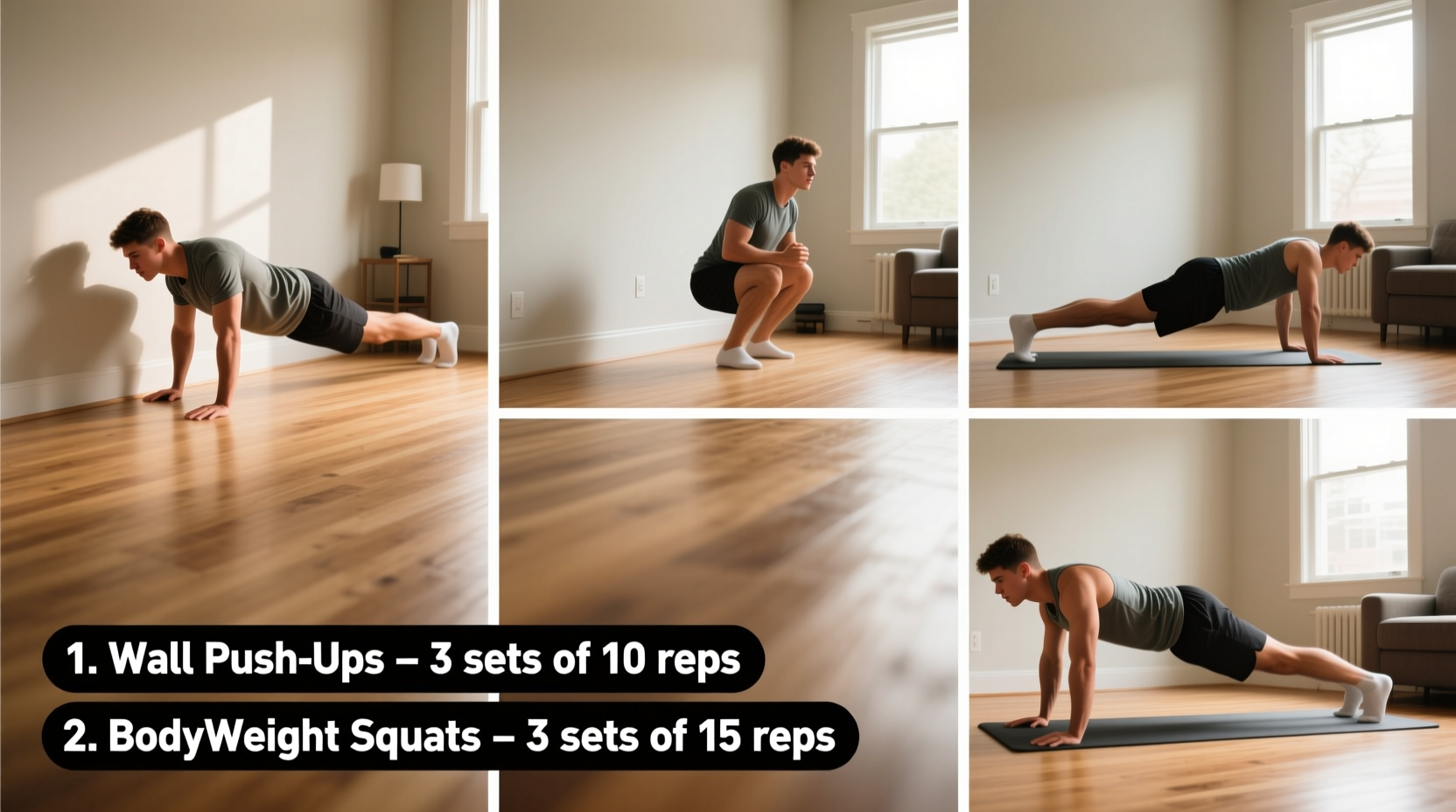
Unlike weightlifting or machine-based workouts, calisthenics doesn’t require prior experience or expensive memberships. It’s scalable—you can adjust intensity by changing leverage, tempo, or range of motion. This makes it perfect for people new to fitness.
Research shows that bodyweight training improves muscular endurance, joint stability, and cardiovascular health when performed regularly. A 2020 study published in the *Journal of Sports Science & Medicine* found that eight weeks of progressive calisthenics significantly increased upper and lower body strength in sedentary adults.
“Bodyweight exercises teach control, balance, and neuromuscular efficiency—foundations often overlooked in traditional gym routines.” — Dr. Lena Torres, Exercise Physiologist
Additionally, calisthenics enhances body awareness. Because you’re moving against gravity using only your limbs and torso, you develop a deeper connection between mind and muscle. This leads to better posture, reduced injury risk, and improved athletic performance over time.
Your First Week: Building a Sustainable Routine
Starting too aggressively is the most common reason beginners quit. The goal during the first week isn’t to push limits but to establish consistency, learn movement patterns, and avoid injury. Focus on technique, not reps.
Aim to train three non-consecutive days per week (e.g., Monday, Wednesday, Friday). Each session should last 20–30 minutes, including warm-up and cool-down. Follow this sample structure:
- 5-minute dynamic warm-up
- Main workout: 3 rounds of basic exercises
- 5-minute cooldown and stretching
Beginner Calisthenics Routine (Week 1)
| Exercise | Purpose | Reps/Sets | Modifications |
|---|---|---|---|
| Wall Push-Ups | Build chest and arm strength safely | 3 sets × 10 reps | Move hands lower or step feet back to increase difficulty |
| Assisted Squats (chair-supported) | Develop leg strength and squat mechanics | 3 sets × 12 reps | Use a chair to lightly tap and stand up; reduce support gradually |
| Standing Knee Raises | Engage core without strain | 3 sets × 15 reps (each side) | Hold wall for balance if needed |
| Incline Plank (hands on table or counter) | Introduce core stabilization | 3 sets × 20 seconds | Keep back straight; don’t sag hips |
| Glute Bridges | Activate posterior chain and lower back | 3 sets × 12 reps | Lie on floor, knees bent, lift hips slowly |
Progressive Overload Without Weights
One misconception about calisthenics is that it can't build real strength because there's no added resistance. That’s false. Strength gains come from increasing demand on muscles over time—a principle known as progressive overload.
In calisthenics, progression happens through:
- Increased reps: Gradually add 1–2 reps per set weekly.
- Slower tempo: Control the eccentric (lowering) phase to intensify effort.
- Reduced rest: Shorten breaks from 60 to 45 seconds between sets.
- Advanced variations: Move from wall push-ups to knee push-ups, then full push-ups.
- Holding positions longer: Extend plank duration by 5-second increments.
For example, once you can perform 3 sets of 15 assisted squats comfortably, remove hand support and aim for \"air squats.\" When those become easy, try \"slow squats\" (3 seconds down, 1 second up).
Sample Progression Timeline (Weeks 1–6)
| Week | Push-Up Variation | Squat Goal | Core Work | Rest Between Sets |
|---|---|---|---|---|
| 1–2 | Wall Push-Ups × 10 | Chair-Assisted Squats × 12 | Incline Plank 20 sec | 60 sec |
| 3–4 | Knee Push-Ups × 8 | Bodyweight Squats × 15 | Forearm Plank 30 sec | 50 sec |
| 5–6 | Full Push-Ups × 5+ | Slow Squats × 12 | Plank with Shoulder Taps × 10/side | 40 sec |
This gradual shift ensures your joints and connective tissues adapt safely while building neuromuscular efficiency—the ability of your brain to recruit muscle fibers effectively.
Avoiding Common Beginner Mistakes
Even simple exercises can lead to frustration or injury if done incorrectly. Awareness of typical pitfalls helps maintain momentum and prevent setbacks.
Do’s and Don’ts of Home Calisthenics
| Do | Don’t |
|---|---|
| Warm up with arm circles, leg swings, and torso twists | Rush into push-ups cold |
| Keep spine neutral during planks and squats | Sag hips or round back under fatigue |
| Breathe out during exertion (e.g., pushing up) | Hold your breath throughout sets |
| Train barefoot or in minimalist shoes for better ground feel | Workout in thick-soled sneakers that limit balance |
| Record yourself occasionally to check form | Ignore pain or compensate with other muscles |
Realistic Example: Maria’s First Month
Maria, 34, had never exercised regularly before starting calisthenics at home. Working remotely, she wanted to boost energy and reduce back stiffness. She committed to three 25-minute sessions per week, following the beginner routine outlined above.
In Week 1, she struggled with even 5 wall push-ups and used a chair heavily during squats. By Week 3, she transitioned to knee push-ups and completed 15 unassisted squats. Her plank held steadily at 30 seconds. After four weeks, she could do 6 full push-ups and reported feeling stronger getting up from chairs and climbing stairs.
She attributed her success to consistency, not intensity. “I didn’t try to impress anyone,” she said. “I just showed up, focused on form, and celebrated small wins.”
Maria’s experience reflects what most beginners achieve: steady, sustainable progress built on repetition and patience.
Frequently Asked Questions
Can I build muscle with calisthenics alone?
Yes. Muscle growth occurs when muscles are challenged beyond their current capacity—regardless of whether resistance comes from weights or body positioning. Exercises like push-ups, dips (using chairs), and pistol squat progressions stimulate hypertrophy when performed progressively. Nutrition and recovery also play critical roles.
How long until I see results?
Most beginners notice improved stamina and posture within two weeks. Visible muscle definition typically appears after 6–8 weeks of consistent training (3–4 times weekly), assuming adequate protein intake and sleep. Early signs include easier daily movement and reduced fatigue.
I feel sore after my first workout. Should I keep going?
Mild soreness (delayed onset muscle soreness, or DOMS) is normal 24–48 hours after new activity. It indicates muscles adapting. Light walking or gentle stretching can ease discomfort. However, sharp pain, joint strain, or persistent soreness beyond three days suggests overexertion. In that case, take an extra rest day and reassess intensity.
Essential Checklist for Starting Strong
- Choose a dedicated space (even 4x4 feet is enough)
- Wear comfortable clothing that allows full range of motion
- Perform a 5-minute dynamic warm-up before each session
- Start with modified versions of exercises (e.g., wall push-ups)
- Focus on form, not speed or high reps
- Train 3 times per week with rest days in between
- Track workouts in a journal or app (note reps, how you felt)
- Stretch major muscle groups after each session
- Avoid comparing yourself to advanced athletes online
- Reassess progress every 2–3 weeks and adjust difficulty
Conclusion: Your Journey Begins Today
You don’t need equipment, a gym, or years of experience to start building real strength. All you need is the willingness to begin. Calisthenics rewards consistency far more than perfection. The first push-up from your knees, the first full squat without support, the first 30-second plank—these moments form the foundation of lasting fitness.
Every expert was once a beginner. What separates those who succeed is not talent, but persistence. Stick with the basics, respect your body’s pace, and trust the process. In six weeks, you’ll look back and realize how far you’ve come—not because you rushed ahead, but because you started where you were and kept going.
💬 Ready to begin? Pick a start date, complete your first routine, and comment below with your goal. Join others building strength at home—one rep at a time.








