Summer hiking brings longer days, scenic trails, and warmer temperatures—but it also presents unique challenges for footwear. Women who spend time on rugged terrain during hot months need hiking shoes that balance breathability, support, and durability. Choosing the wrong pair can lead to blisters, overheating, or even long-term foot strain. The right shoe, however, enhances endurance, keeps feet dry, and makes every step more enjoyable. With so many options on the market, knowing what to prioritize is essential.
Why Breathability Matters in Summer Hiking Shoes
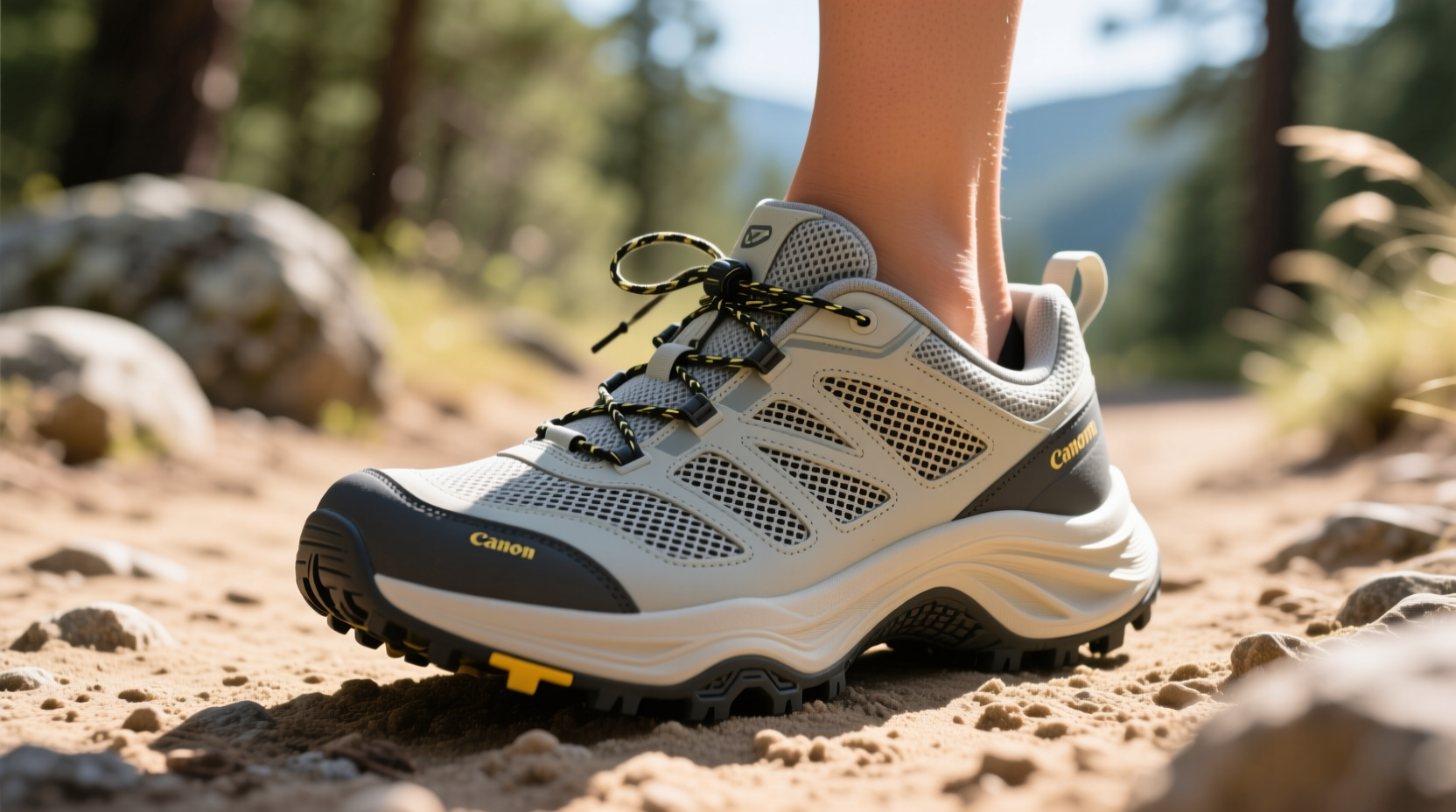
Breathability isn’t just a marketing buzzword—it’s a functional necessity when hiking in warm weather. As body temperature rises, feet sweat more. Without proper ventilation, moisture accumulates inside the shoe, creating a breeding ground for bacteria, increasing friction, and raising the risk of blisters. Breathable materials allow air to circulate, helping regulate temperature and wick away moisture.
Synthetic mesh uppers are commonly used in summer-specific hiking shoes because they offer high airflow while remaining lightweight. Some models incorporate Gore-Tex liners designed for “climate comfort,” allowing vapor to escape while still providing water resistance when needed. However, for purely dry, hot conditions, non-waterproof mesh designs often perform better due to superior breathability.
Tip: Look for shoes labeled \"non-waterproof\" if you're hiking in consistently dry heat—these typically have more mesh and less lining, enhancing airflow.Key Features to Evaluate Before Buying
Selecting the ideal summer hiking shoe involves more than just comfort—it requires attention to construction, fit, and intended use. Below are the most critical features to assess:
- Upper Material: Opt for engineered mesh or knit fabrics that promote airflow without sacrificing durability.
- Midsole Cushioning: EVA or polyurethane midsoles absorb impact. Softer foams provide comfort on flat trails; firmer ones offer stability on uneven terrain.
- Outsole Traction: A rubber lug pattern should be aggressive enough for loose gravel but not overly stiff for flexibility.
- Weight: Lightweight shoes (under 1.5 lbs per pair) reduce fatigue over long distances.
- Fit and Heel Lock: A snug heel prevents slippage, while toe box width should allow slight wiggle room to accommodate swelling in heat.
“Many women compromise fit for style, but a poorly fitting hiking shoe is the fastest route to discomfort—and injury.” — Dr. Lena Torres, Podiatrist & Outdoor Medicine Specialist
Step-by-Step Guide to Finding Your Ideal Shoe
Follow this practical sequence to ensure your next hiking shoe purchase delivers both performance and lasting comfort.
- Determine Your Terrain: Are you tackling rocky alpine paths or walking forest trails? Technical routes demand stiffer soles and ankle support; casual hikes favor lighter, flexible shoes.
- Measure Your Feet Late in the Day: Feet expand throughout the day. Get measured at a specialty store when they’re largest to avoid tightness on the trail.
- Try Multiple Brands: Fit varies widely between brands. Salomon, Merrell, Altra, and Keen each have distinct lasts—some wider, some narrower.
- Wear Hiking Socks During Fitting: Test shoes with the same moisture-wicking socks you’ll wear on the trail. Avoid cotton—they trap sweat.
- Walk on an Incline: Many outdoor stores have ramps. Use them to simulate uphill and downhill movement, checking for heel lift and toe pressure.
- Break Them In Gradually: Wear new shoes on short walks before committing to a full-day hike.
Comparison: Top Materials for Summer Hiking Shoes
| Material | Breathability | Durability | Best For |
|---|---|---|---|
| Engineered Mesh | ★★★★★ | ★★★☆☆ | Hot, dry climates; day hikes |
| Knit Fabric (e.g., Nike Flyknit) | ★★★★☆ | ★★★☆☆ | Lightweight trail use |
| Nubuck Leather (vented) | ★★★☆☆ | ★★★★★ | Variable conditions; rugged trails |
| Gore-Tex (breathable variants) | ★★★☆☆ | ★★★★☆ | Unexpected rain; humid areas |
Real-World Example: Sarah’s Trail Transformation
Sarah, a weekend hiker from Colorado, used to suffer from recurring blisters during summer outings. She wore a sturdy waterproof boot recommended for general hiking, but found her feet soaked after two hours—even on dry trails. After consulting a local outfitter, she switched to a lightweight, non-waterproof mesh shoe with a wide toe box. Paired with merino wool socks, her foot temperature dropped noticeably, and blister incidents ceased. On a recent 10-mile trek through the Sangre de Cristo range, she completed the loop without discomfort—a first in years.
Her experience underscores a key insight: the best shoe isn’t always the most protective one. Matching footwear to seasonal demands often yields better results than defaulting to all-weather gear.
Checklist: What to Look for in a Breathable Summer Hiking Shoe
- ✔️ Mesh or knit upper for maximum airflow
- ✔️ Minimal or no waterproof membrane (unless expecting rain)
- ✔️ Adequate arch support for your foot type
- ✔️ Reinforced toe cap for trail protection
- ✔️ Drainage capability if near water crossings
- ✔️ Secure lace system that doesn’t loosen mid-hike
- ✔️ Roomy toe box to prevent blackened toenails
- ✔️ Light color options to reflect sunlight and reduce heat absorption
Frequently Asked Questions
Can I use running shoes for summer hiking?
While trail runners are excellent for light to moderate terrain, traditional road running shoes lack the outsole lugs and underfoot protection needed for rocky or root-filled trails. If you stick to well-maintained paths, a trail-running shoe may suffice. But for rugged backcountry routes, dedicated hiking shoes offer better durability and ankle support.
How do I keep my feet cool during long hikes?
In addition to wearing breathable shoes, choose moisture-wicking socks made from merino wool or synthetic blends. Consider rotating two pairs if doing multi-day hikes. Take breaks in shaded areas, dip your feet in cold streams (if safe), and avoid hiking during peak afternoon heat. Some hikers even pour small amounts of water into their shoes to cool down—just ensure drainage and re-lace afterward.
Do women-specific hiking shoes make a difference?
Yes. Women’s models are engineered for anatomical differences: narrower heels, lower volume, and shorter lengths. They also tend to have softer midsoles calibrated for average female weight distribution. While some unisex shoes work well, women-specific designs often deliver a more secure and comfortable fit, reducing the risk of slippage and pressure points.
Final Thoughts: Step Into Summer with Confidence
The perfect summer hiking shoe isn’t defined by brand prestige or price tag—it’s defined by how well it supports your feet under real trail conditions. Prioritizing breathability without sacrificing structure allows women to hike farther, feel lighter, and stay protected from common summer foot issues. By evaluating materials, testing fit carefully, and matching footwear to your hiking style, you set the foundation for safer, more enjoyable adventures.
💬 Have a favorite summer hiking shoe or tip we didn’t mention? Share your experience in the comments—your insight could help another hiker find their perfect fit!








