
Moving is stressful for people—and it’s no different for houseplants. Sudden changes in light, temperature, humidity, and physical handling can send even the hardiest greenery into shock. Combine that with the risk of soil spilling across your car floor or boxes, and transporting plants becomes one of the most delicate parts of relocation. Yet with careful planning and the right techniques, you can preserve your plant collection just as carefully as your fragile dishes or heirloom books. This guide walks through proven methods to keep your indoor garden healthy, contained, and thriving throughout your move.
Understand Plant Stress and What Causes It
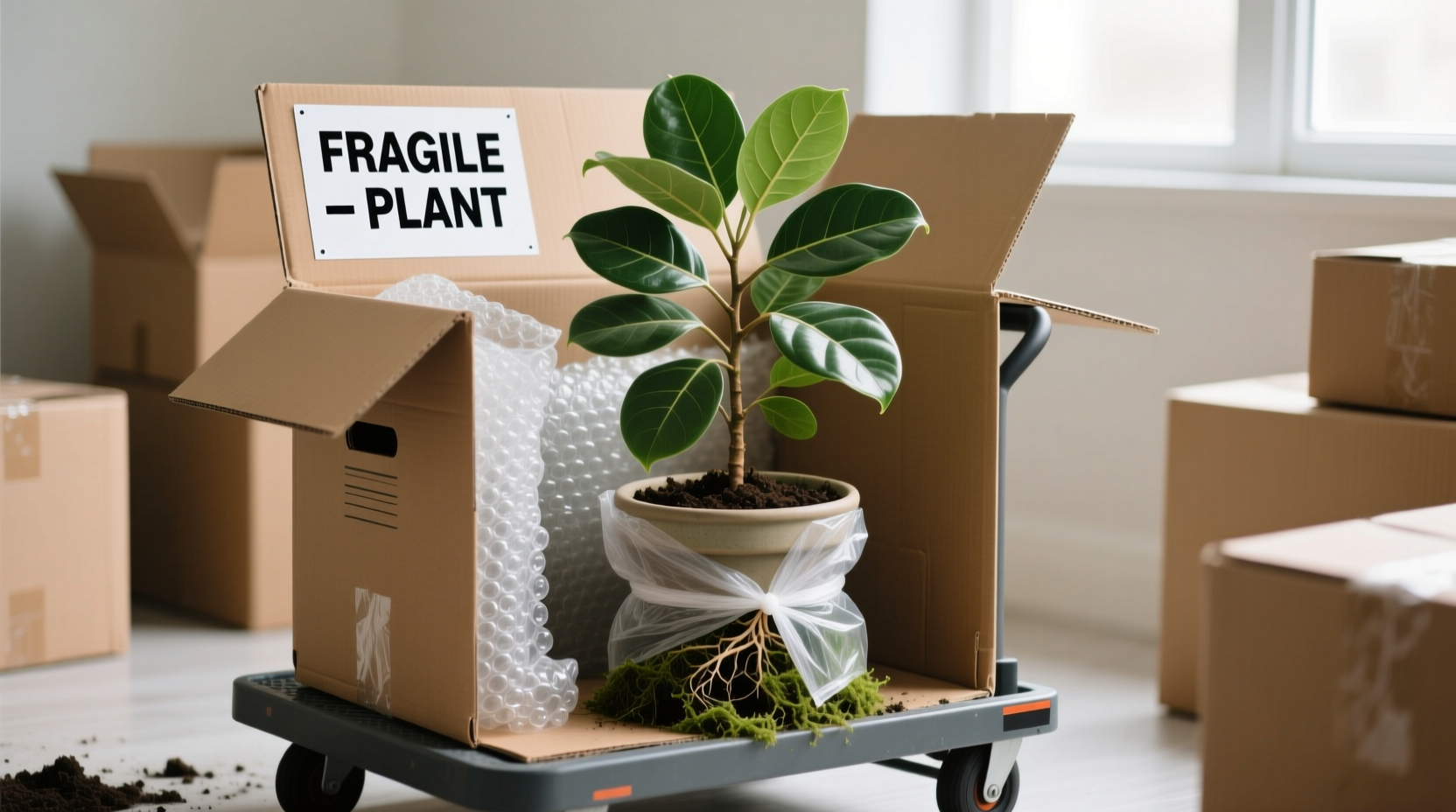
Plants respond to environmental disruptions more subtly than animals, but the signs are clear: drooping leaves, yellowing foliage, leaf drop, or stunted growth. During a move, several stressors converge:
- Temperature swings: Exposure to extreme heat or cold, especially in unregulated vehicles or garages.
- Dehydration: Disrupted watering schedules due to packing or travel delays.
- Light deprivation: Being boxed up for hours or days cuts off photosynthesis.
- Physical jostling: Rough handling can damage stems, roots, and soil structure.
- Soil disturbance: Loose potting mix spills out when tipped, exposing roots and creating mess.
Minimizing these stress factors begins well before moving day. The key is preparation, containment, and climate control.
“Plants don’t just survive moves—they adapt. But adaptation requires stability. Your job is to be the buffer between chaos and continuity.” — Dr. Lena Torres, Botanical Horticulturist, University of Vermont
Step-by-Step Guide: Preparing Plants 7–14 Days Before the Move
Healthy plants handle change better. Start conditioning them at least a week in advance.
- Inspect for pests: Check under leaves, along stems, and in the soil. Isolate any infested plants and treat them with neem oil or insecticidal soap.
- Prune gently: Trim back overgrown foliage to reduce water needs and prevent breakage. Remove dead or yellowing leaves.
- Water appropriately: Water 1–2 days before packing. Avoid overly wet soil, which increases weight and spill risk. Don’t let plants dry out completely either.
- Label each plant: Note care requirements (light, water frequency) on a tag. This helps during unpacking and identifies sensitive species.
- Test pot integrity: Ensure pots have drainage holes and aren’t cracked. Repot fragile plants into sturdy containers if needed.
Packing Techniques to Prevent Soil Spill and Damage
The biggest fear—soil spilling—is preventable with simple, low-cost solutions. The goal is to secure the root ball while allowing airflow and visibility.
Method 1: Plastic Bag Wrap (Best for Small to Medium Pots)
Place a clear plastic bag over the pot, covering the soil and lower foliage. Secure tightly around the base of the stem with a rubber band or zip tie. Then wrap the entire pot in another layer, sealing it just below the rim. This creates a sealed soil chamber.
Method 2: Cardboard Box Collar (Ideal for Tall or Top-Heavy Plants)
Cut a rectangular box open and wrap it around the pot like a cylinder. Tape it securely to hold soil in. Cut viewing holes if needed. This adds structural support and absorbs minor impacts.
Method 3: Double-Potting with Sealable Outer Container
Transfer the plant into a slightly larger waterproof container (like a storage bin). Fill gaps with crumpled paper or foam to stabilize. Seal the lid loosely to allow ventilation. Ideal for long trips or multiple plants.
| Method | Best For | Pros | Cons |
|---|---|---|---|
| Plastic Bag Wrap | Small herbs, succulents, spider plants | Cheap, lightweight, transparent | Limited airflow; not for long durations |
| Cardboard Collar | Tall snake plants, fiddle-leaf figs | Sturdy, customizable, eco-friendly | Bulky; degrades if wet |
| Double-Potting | Large plants, multi-day moves | Maximum protection, reusable | Heavier, takes more space |
Transporting Plants Safely: In-Car Best Practices
How you load and monitor your plants during transit determines their post-move recovery speed.
- Avoid trunk storage: Car trunks lack temperature control and airflow. Extreme heat can cook plants; cold can freeze roots.
- Use climate-controlled interiors: Keep plants in the back seat or SUV cabin where HVAC systems maintain stable conditions.
- Secure upright positioning: Place pots against seats or use non-slip mats. Never lay plants on their side unless absolutely necessary (and only briefly).
- Shield from direct sun: Use sunshades or blankets to block intense sunlight through windows.
- Check every 2–3 hours: On long drives, stop to inspect for overheating, leaks, or fallen foliage.
For cross-country moves exceeding 8 hours, consider shipping via specialized pet/plant transport services that offer climate-controlled vans. While more expensive, they significantly reduce risk for rare or sentimental specimens.
Mini Case Study: Moving a Rare Monstera Deliciosa Across State Lines
Sophia, a plant collector in Denver, relocated to Austin with her prized 5-foot-tall Monstera. She began prep two weeks prior: pruning leggy vines, treating a minor spider mite issue, and labeling care needs. She used the double-potting method—nesting the original pot inside a sealed plastic tote with ventilation holes. During the 16-hour drive, she kept the plant in her SUV’s second row, anchored with a seatbelt strap, and covered with a breathable cloth during midday sun. She stopped every three hours to mist the leaves lightly and check soil moisture. Upon arrival, the Monstera showed no signs of stress and acclimated within five days. Her foresight saved a plant she’d nurtured for four years.
Unpacking and Acclimation: The Final Step to Success
The journey doesn’t end when you reach your new home. Immediate unpacking and gradual reintegration are crucial.
- Unpack immediately: Remove all wrappings and collars as soon as possible to restore airflow.
- Inspect for damage: Check for broken stems, pest migration, or mold from trapped moisture.
- Rehydrate if needed: Water only if the top inch of soil is dry. Overwatering after stress is a common killer.
- Acclimate slowly: Place plants in indirect light for 3–5 days before moving them to their intended spots. Sudden exposure to bright windows can burn leaves.
- Hold off on fertilizing: Wait 2–4 weeks before feeding. Roots need time to settle without added chemical stress.
Monitor closely for two weeks. Leaf drop is normal, but persistent wilting or browning may indicate deeper issues like root rot or pest outbreaks.
Essential Checklist: Transporting Houseplants Without Failure
Follow this actionable list to ensure nothing is overlooked:
- ✅ Inspect all plants for pests and disease 10 days before the move
- ✅ Prune excess or damaged foliage
- ✅ Label each plant with name and care needs
- ✅ Water 1–2 days prior—never pack soaking wet soil
- ✅ Choose appropriate packing method based on size and fragility
- ✅ Pack in climate-controlled vehicle area (not trunk or truck bed)
- ✅ Secure pots upright and prevent tipping
- ✅ Stop periodically on long trips to check conditions
- ✅ Unpack and unwrap immediately upon arrival
- ✅ Allow 3–5 days of acclimation before final placement
Frequently Asked Questions
Can I bring my plants on a plane?
Yes, but with restrictions. The TSA allows small plants in carry-ons if they fit under the seat or in overhead bins. Soil must be contained to prevent spills. However, agricultural regulations vary by state and country. For international moves, check USDA and destination country rules—many prohibit live plants to prevent invasive species.
What should I do if soil spills during transport?
If a spill occurs, clean it immediately to avoid slipping hazards or stains. Re-pot the plant as soon as possible, ensuring the root ball remains intact. Top off with fresh potting mix if needed, but avoid disturbing roots unnecessarily.
Are there plants that shouldn’t be moved?
Some plants are notoriously sensitive: orchids, calatheas, and carnivorous plants often struggle with relocation. If you’re moving long-distance or to a vastly different climate, consider propagating cuttings beforehand as insurance. That way, even if the parent plant declines, you retain a genetic copy.
Conclusion: Treat Your Plants Like Family Members
Moving houseplants isn’t just about logistics—it’s an act of stewardship. These living companions purify your air, uplift your mood, and mark the passage of time in your home. When packed and transported with care, they don’t just survive a move—they continue to thrive. By following structured preparation, smart packing, attentive transit, and gentle acclimation, you honor the quiet resilience of your green family. Don’t treat them as afterthoughts among boxes of kitchenware. Plan for them early, protect them fiercely, and welcome them into your new space with intention.
💬 Your plants have stories to tell. How did yours handle the last move? Share your tips, triumphs, or lessons learned in the comments—your experience could help someone else grow with confidence.








