Moving is stressful enough without worrying about the fate of your beloved houseplants. Whether you're relocating across town or across the country, your indoor garden deserves thoughtful planning. Unlike furniture or clothing, plants are living organisms sensitive to temperature, light, humidity, and physical jostling. A long-distance move introduces extended exposure to these stressors, increasing the risk of shock, dehydration, or even death. But with proper preparation and care, most houseplants can survive—and even thrive—after the journey. This guide walks you through every phase of transporting your green companions safely, from pre-move prep to post-travel recovery.
Assess Your Plants Before the Move
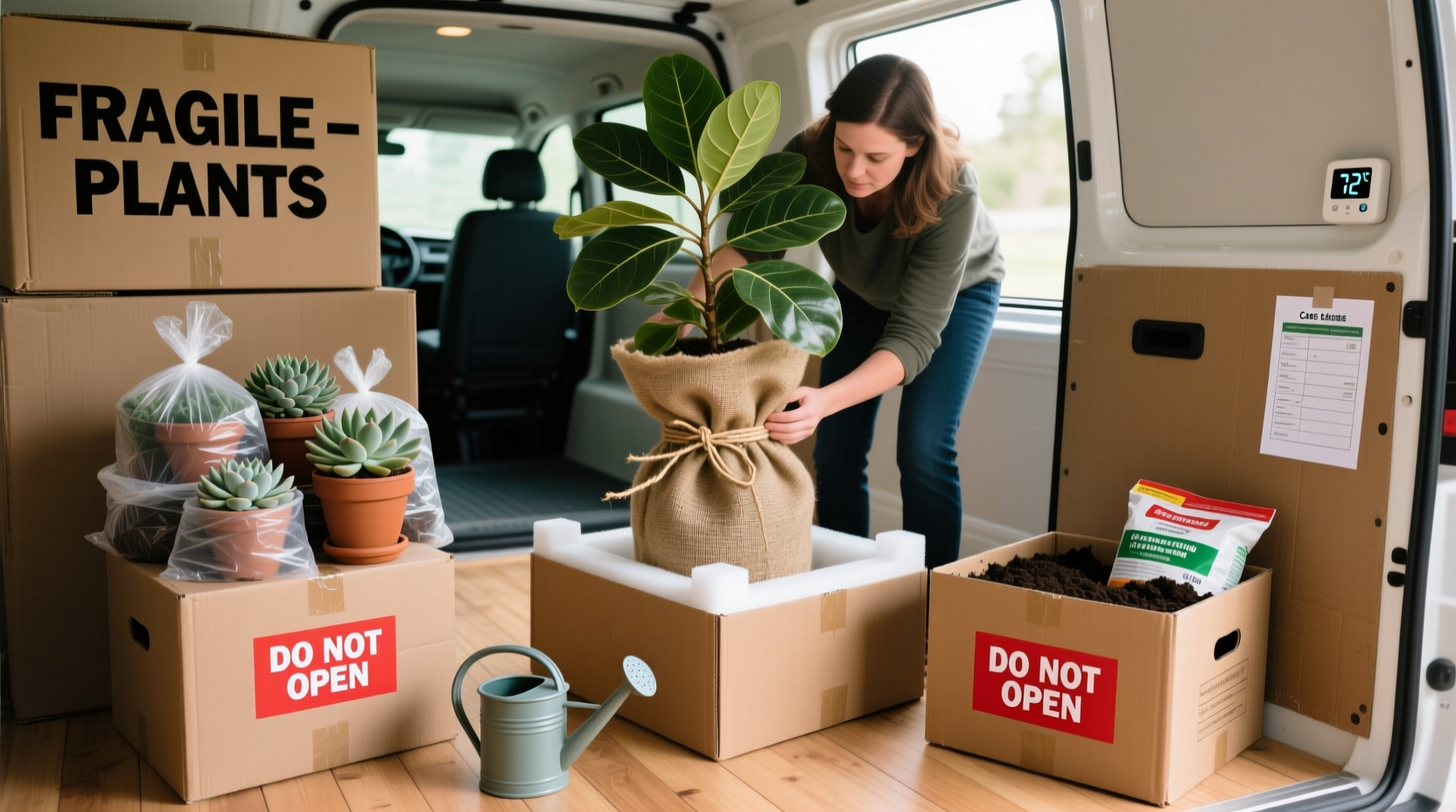
Not all plants respond equally well to travel. Some species tolerate disruption better than others. Start by evaluating each plant’s health, size, and sensitivity. Discard any that show signs of disease, pests, or extreme fragility unless they’re irreplaceable sentimental favorites.
Consider propagating cuttings from valuable or delicate specimens before the move. This way, even if the parent plant doesn’t survive, you’ll have backups ready to grow. Succulents, pothos, and philodendrons root easily in water and take up minimal space.
Tip: Label each plant with its name and care requirements using waterproof tags tied to the pot.Prioritize Based on Sensitivity
Tropical plants like calatheas, ferns, and orchids are highly sensitive to temperature drops and dry air. These require extra insulation and climate control during transit. Cacti and succulents, while hardy in drought, can suffer from rot if exposed to cold, damp conditions. Large floor plants such as fiddle-leaf figs or monsteras are more vulnerable to physical damage due to their size and weight.
“Plants experience relocation stress just like people do. Minimizing environmental changes before, during, and after the move is key to survival.” — Dr. Lena Torres, Botanist and Urban Horticulture Consultant
Prepare Plants for Travel: The 2–4 Week Timeline
Begin preparing your plants at least two weeks before moving day. Sudden changes in routine increase stress, so gradual adjustments help them acclimate.
- Prune and clean foliage: Remove dead leaves and trim overgrown stems to reduce moisture loss and make plants more compact.
- Inspect for pests: Check under leaves, in soil, and along stems. Treat infestations early with insecticidal soap or neem oil.
- Repot if necessary: Transfer fragile roots into sturdier containers with drainage holes. Avoid repotting within one week of departure to prevent transplant shock.
- Adjust watering schedule: Water thoroughly three days before packing. Avoid watering right before transport to minimize mold and root rot risks.
- Acclimate to lower light: If traveling in a dark vehicle, gradually expose shade-tolerant plants to dimmer conditions.
Do’s and Don’ts in the Pre-Move Phase
| Do | Don’t |
|---|---|
| Label plants clearly with names and care notes | Wait until the last minute to assess plant health |
| Use sturdy pots with saucers secured | Overwater before packing |
| Start propagation for rare or sentimental plants | Repot too close to moving day |
| Clean dust off leaves to improve respiration | Expose tropical plants to cold drafts during prep |
Packing Strategies for Long-Distance Transport
How you pack your plants determines whether they arrive wilted or vibrant. The goal is to stabilize them physically and protect against temperature extremes, light deprivation, and dehydration.
Choose the Right Containers
Cardboard boxes work well for small to medium plants but must be modified. Cut ventilation holes near the top and line the bottom with non-slip material like rubber shelf liner. For taller plants, use open-top crates or secure them upright in the vehicle with seatbelts or straps.
To prevent soil spillage, cover the top of the pot with plastic wrap or a mesh screen, then secure it with a rubber band. Do not seal the entire plant—this traps moisture and encourages fungal growth.
Tip: Place crumpled newspaper around the base of the stem to absorb excess moisture and add support.Climate Considerations
Temperature is the biggest threat during long moves. Most houseplants prefer temperatures between 60°F and 80°F (15°C–27°C). Exposure below 50°F (10°C) can cause chilling injury in tropical species. Above 90°F (32°C), plants may overheat, especially in sealed vehicles.
- In winter: Wrap pots in bubble wrap or insulating blankets. Never leave plants in an unheated truck overnight.
- In summer: Avoid direct sun inside cars. Use reflective sunshades and crack windows slightly if safe.
If driving yourself, keep plants in the passenger cabin where temperature is regulated. Avoid trunks, garages, or rental trailers unless climate-controlled.
For Air or Professional Moving Services
Air travel with plants is highly restricted. Most airlines prohibit live plants in checked luggage due to agricultural regulations. Some allow small plants in carry-ons, but policies vary widely. Always check with your carrier ahead of time.
Professional movers often exclude plants from coverage due to perishability. If shipping via specialized plant transport services, ensure they offer climate-controlled options and track delivery in real time.
Step-by-Step Guide: Moving Day Execution
On moving day, organization prevents chaos. Follow this sequence to load and monitor your plants effectively.
- Morning check: Confirm no last-minute watering is needed. Adjust packaging if stems are loose.
- Load last, unload first: Minimize time spent in hot or cold environments by loading plants only after all other items are secured.
- Position strategically: Place delicate plants away from windows and vents. Group similar species together for easier monitoring.
- Monitor during stops: On road trips, inspect plants every 3–4 hours. Look for condensation, wilting, or overheating.
- Never leave plants unattended in parked vehicles: Even 30 minutes in a closed car can be fatal in extreme weather.
- Unpack immediately upon arrival: Remove wraps, check soil moisture, and place in appropriate light conditions.
“We once drove 18 hours from Austin to Denver with over 30 houseplants. We kept them in the back seat, monitored every stop, and used insulated sleeves for our orchids. All but one survived—and that one was already struggling.” — Maya R., plant enthusiast and urban gardener
Post-Move Care: Helping Plants Recover
Arrival at your new home isn’t the end—it’s the beginning of recovery. Plants need time to adjust to new lighting, humidity, and water schedules.
Expect some leaf drop or drooping in the first 1–2 weeks. This is normal. Resist the urge to over-correct by fertilizing or repotting immediately. Instead, focus on stability.
Recovery Checklist
- Unwrap plants and remove any plastic covering.
- Check soil moisture—water only if dry to the touch.
- Place in indirect light for 3–5 days before moving to permanent spots.
- Hold off on fertilizing for at least two weeks.
- Inspect for pests again; quarantine any showing signs.
- Gradually introduce to brighter light if needed.
- Document changes in a journal to track recovery progress.
Humidity-loving plants may struggle in dry climates or heated homes. Consider using a humidifier or placing trays of water with pebbles beneath pots. Misting helps temporarily but is not a substitute for consistent ambient moisture.
Frequently Asked Questions
Can I pack my plants in the same box as household items?
No. Packing plants with books, clothes, or kitchenware increases the risk of crushing, temperature fluctuations, and poor airflow. Always transport them in dedicated, ventilated containers where they can be monitored.
How long can houseplants survive in a car during a move?
Most healthy houseplants can endure 48–72 hours in stable conditions (moderate temperature, no direct sun, some airflow). Beyond that, survival rates decrease significantly, especially for tropical species. Plan routes with regular stops to check on them, and avoid multi-day drives without climate control.
What should I do if my plant loses all its leaves during the move?
Don’t give up. As long as the stem and roots are firm and not mushy, the plant may recover. Keep the soil lightly moist, provide low to moderate light, and wait. New growth can emerge weeks later. Patience is essential.
Final Tips for Success
Transporting houseplants over long distances demands attention to detail, but the emotional payoff is worth it. These living pieces of your former home bring familiarity, comfort, and continuity to your new space. To maximize success:
- Start preparations early—ideally 3–4 weeks out.
- Prioritize health over sentiment when deciding which plants to move.
- Drive yourself if possible, so you can control the environment.
- Keep a “plant emergency kit” with spray bottles, spare labels, and neem oil.
- Photograph each plant before packing to document condition and aid recovery tracking.
Conclusion
Safely transporting houseplants during a long move is entirely achievable with foresight and care. By assessing each plant’s needs, preparing them properly, protecting them during transit, and supporting their recovery, you preserve not just greenery—but memories, effort, and personal connection. Whether you’re moving across states or settling into a new apartment abroad, your plants can come with you and flourish anew. Treat them with the same attention as your most valued possessions, and they’ll continue to enrich your home for years to come.
💬 Have you successfully moved your houseplants long-distance? Share your story or tips in the comments—your experience could help another plant lover make the journey with confidence.








