Moving homes is stressful enough without adding the responsibility of transporting delicate aquatic pets. Fish are particularly vulnerable to changes in water chemistry, temperature, and physical handling—factors that can quickly become life-threatening during a relocation. Unlike cats or dogs, you can’t simply put fish in a carrier and drive them across town. Their survival depends on maintaining stable conditions that mimic their aquarium environment as closely as possible.
Whether you’re moving across town or across the country, ensuring your fish arrive safely requires careful planning, the right supplies, and an understanding of their biological needs. This guide provides a comprehensive approach to relocating your aquatic companions without compromising their health or well-being.
Understanding the Risks of Moving Fish
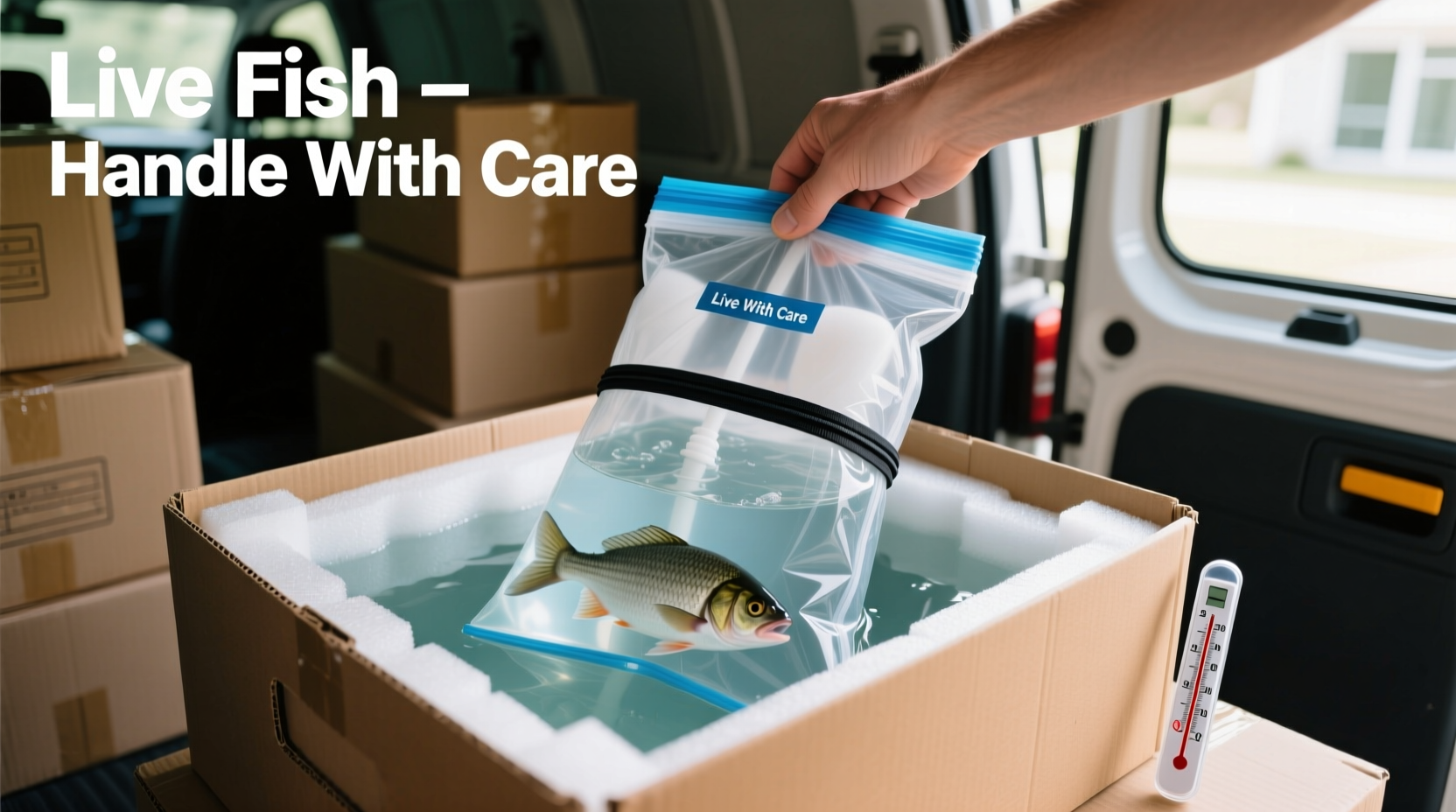
Fish rely on a tightly balanced ecosystem to survive. Sudden shifts in pH, temperature, oxygen levels, or ammonia concentration can lead to shock, disease, or death. During a move, several risks emerge:
- Temperature fluctuations: Cold or hot environments (like car trunks or unheated trucks) can rapidly change water temperature.
- Oxygen depletion: Sealed containers limit gas exchange, which can suffocate fish over time.
- Stress from motion: Constant jostling disrupts equilibrium and increases cortisol levels, weakening immune systems.
- Contamination: Using non-aquarium-safe containers or tap water with chlorine can introduce toxins.
Because fish cannot vocalize distress, signs of trouble may not be apparent until it’s too late. Preventative measures are critical.
Tip: Never use household cleaning buckets or containers that have previously held chemicals—even trace residues can be fatal to fish.Step-by-Step Guide to Transporting Fish Safely
Successfully moving fish involves preparation, proper packaging, and vigilant monitoring. Follow this timeline-based approach for best results.
- Plan Ahead (3–7 Days Before Move): Begin acclimating fish to cooler temperatures if necessary, especially for long trips. Gradually reduce heater settings by 1–2°F per day to minimize shock during transit when heaters won’t be available.
- Gather Supplies (2–3 Days Before): Collect clean, sealable plastic bags, insulated coolers, battery-powered air pumps, thermometer strips, and water testing kits. Avoid last-minute shopping stress by preparing early.
- Prepare Water (Day of Move): Use existing tank water—not tap water—for transport. Tank water contains beneficial bacteria and matches your fish’s current chemical profile. Fill containers no more than one-third full with water, leaving room for air.
- Bulk Transport Method (For Multiple Fish): For larger tanks or many fish, consider using clean, food-grade 5-gallon buckets with lids. Add tank water and use a battery-operated airstone to maintain oxygenation.
- Bagging Individual Fish: Place one or two small fish per bag depending on size. Overcrowding reduces oxygen and increases waste buildup. Seal the bag with excess air inside, then double-bag it to prevent leaks.
- Insulate and Stabilize: Place sealed bags into dark-colored, insulated coolers. Darkness calms fish and reduces movement. Line the cooler with towels to cushion against bumps and stabilize temperature.
- Monitor During Transit: Keep the cooler upright at all times. Avoid placing it near heat sources like car engines or direct sunlight. Check water temperature every hour if possible using adhesive strip thermometers.
- Rehome Quickly: Set up the new aquarium before arrival. Once at your destination, float the sealed transport bags in the new tank for 15–20 minutes to equalize temperature before carefully transferring fish using a net.
Choosing the Right Containers: Do’s and Don’ts
The container you choose plays a crucial role in your fish’s survival. Below is a comparison of common options and their suitability.
| Container Type | Recommended? | Pros | Cons |
|---|---|---|---|
| Clear Plastic Bags (from pet stores) | ✅ Yes | Air-sealable, lightweight, oxygen-permeable film | Limited duration (4–6 hours), prone to punctures |
| Insulated Coolers | ✅ Yes (for holding bags/buckets) | Excellent thermal regulation, portable | Not a primary container—used only for protection |
| Food-Grade Plastic Buckets with Lids | ✅ Yes (for longer moves) | Durable, large capacity, compatible with airstones | Heavy, less portable, must be thoroughly cleaned |
| Cardboard Boxes | ❌ No | Easily accessible | Not waterproof, poor insulation, collapses when wet |
| Trash Bags / Grocery Bags | ❌ No | Readily available | Thin material, low oxygen retention, likely to leak |
| Original Aquarium (in vehicle) | ⚠️ Only for very short distances | No transfer needed | Extremely risky—water sloshes damage equipment and injure fish |
Real Example: A Successful Long-Distance Move
Sarah Thompson, a freshwater aquarium enthusiast from Denver, recently moved her 55-gallon community tank to Portland—a 16-hour drive. She housed six tetras, two corydoras, and a dwarf gourami. Knowing the risks, she planned meticulously.
Three days before departure, she stopped feeding her fish to reduce waste production during transit. On moving day, she siphoned water directly from the tank into four sealed oxygenated bags (two fish per bag) and placed them in a pre-lined cooler with ice packs wrapped in towels to maintain a steady 72°F. She used a portable battery-powered air pump for the bucket containing her hardier corydoras.
During rest stops, she kept the cooler in the passenger cabin, avoiding trunk storage. Upon arrival, she had already set up her new tank with conditioned water and a seeded filter from the old system. After floating the bags and slowly introducing tank water over 30 minutes, all eight fish were transferred safely. One week later, none showed signs of stress or illness.
“I was terrified they wouldn’t make it,” Sarah said. “But sticking to the basics—using tank water, keeping things dark and stable—made all the difference.”
“Fish don’t handle abrupt environmental shifts well. The key to safe transport is minimizing variables: temperature, oxygen, pH, and stress. Every degree and every minute counts.” — Dr. Alan Reyes, Aquatic Veterinarian, Oregon State University
Essential Checklist for Moving Fish
Use this checklist in the days leading up to and on the day of your move to ensure nothing is overlooked.
- ☐ Confirm moving date and travel duration
- ☐ Purchase oxygen-safe plastic bags or clean buckets
- ☐ Acquire an insulated cooler and thermometer strips
- ☐ Charge battery-powered air pumps and test operation
- ☐ Stop feeding fish 24–48 hours before transport
- ☐ Prepare setup plan for new aquarium (filter media, heater, decor)
- ☐ Pack bags with tank water and sufficient air
- ☐ Double-bag each container and place in cooler with padding
- ☐ Label containers clearly and keep upright during transit
- ☐ Float bags in new tank upon arrival before release
- ☐ Monitor fish closely for 48 hours post-move for signs of stress
Frequently Asked Questions
Can I use tap water to transport my fish?
No. Tap water often contains chlorine, chloramines, or heavy metals that are toxic to fish. Always use water from the existing aquarium, which maintains the correct pH, hardness, and microbial balance. If absolutely necessary, use dechlorinated water matched to your tank’s parameters—but never substitute entirely.
How long can fish survive in a bag?
Most healthy fish can survive 4–7 hours in a properly sealed, oxygen-rich bag. Cooler temperatures extend survival time slightly, but beyond 8 hours, risk increases significantly. For moves longer than 6 hours, use aerated buckets with battery-powered air pumps and plan stops to check conditions.
Should I take the filter media with me?
Yes—this is critical. The biological filter media houses beneficial bacteria that break down ammonia. Without it, your new tank will face a mini-cycle, risking ammonia spikes. Wrap the media in old tank water (never tap water) and seal it in a container to keep bacteria alive. Install it immediately in the new filter.
Final Tips for Stress-Free Fish Relocation
While moving is inevitable, panic doesn’t have to be. By treating your fish with the same care as any other family member, you dramatically increase their chances of a smooth transition. Remember that stability is more important than speed. Rushing the process—or cutting corners on supplies—can undo months of careful tank management in just a few hours.
Consider doing a trial run if you’re nervous: pack a bag with water and observe temperature changes in your car over an hour. This helps you refine insulation methods and build confidence. Also, avoid introducing new fish or making major tank changes in the week before moving—keep everything as consistent as possible.
If you're moving internationally or over extremely long distances, consult a veterinarian or professional aquarist about sedation options or specialized shipping services. Some exotic species require permits or climate-controlled transport, so research regulations ahead of time.
Conclusion: Your Fish Can Make It—With the Right Care
Moving your fish doesn’t have to end in tragedy. With thoughtful preparation, the right tools, and a calm approach, your aquatic pets can transition safely to their new home. The effort you invest now pays off in healthier fish, a faster re-establishment of your tank’s ecosystem, and peace of mind knowing you did everything possible to protect your underwater companions.
💬 Have you moved fish before? Share your experience, tips, or questions in the comments—your insight could help another aquarist avoid a costly mistake!








