Owning an Aaron Judge signature baseball cap is more than just supporting a New York Yankees legend—it’s owning a piece of modern sports memorabilia. Whether you wear it proudly to games, display it as a collector’s item, or pass it down as a family heirloom, proper care is essential. These caps often feature delicate signatures, premium materials, and design details that can degrade if not maintained correctly. Unlike standard headwear, signed memorabilia demands special attention to prevent fading, fabric breakdown, and ink smudging. With the right cleaning techniques and preservation habits, your cap can remain in excellent condition for years.
Understanding Your Cap’s Materials and Risks
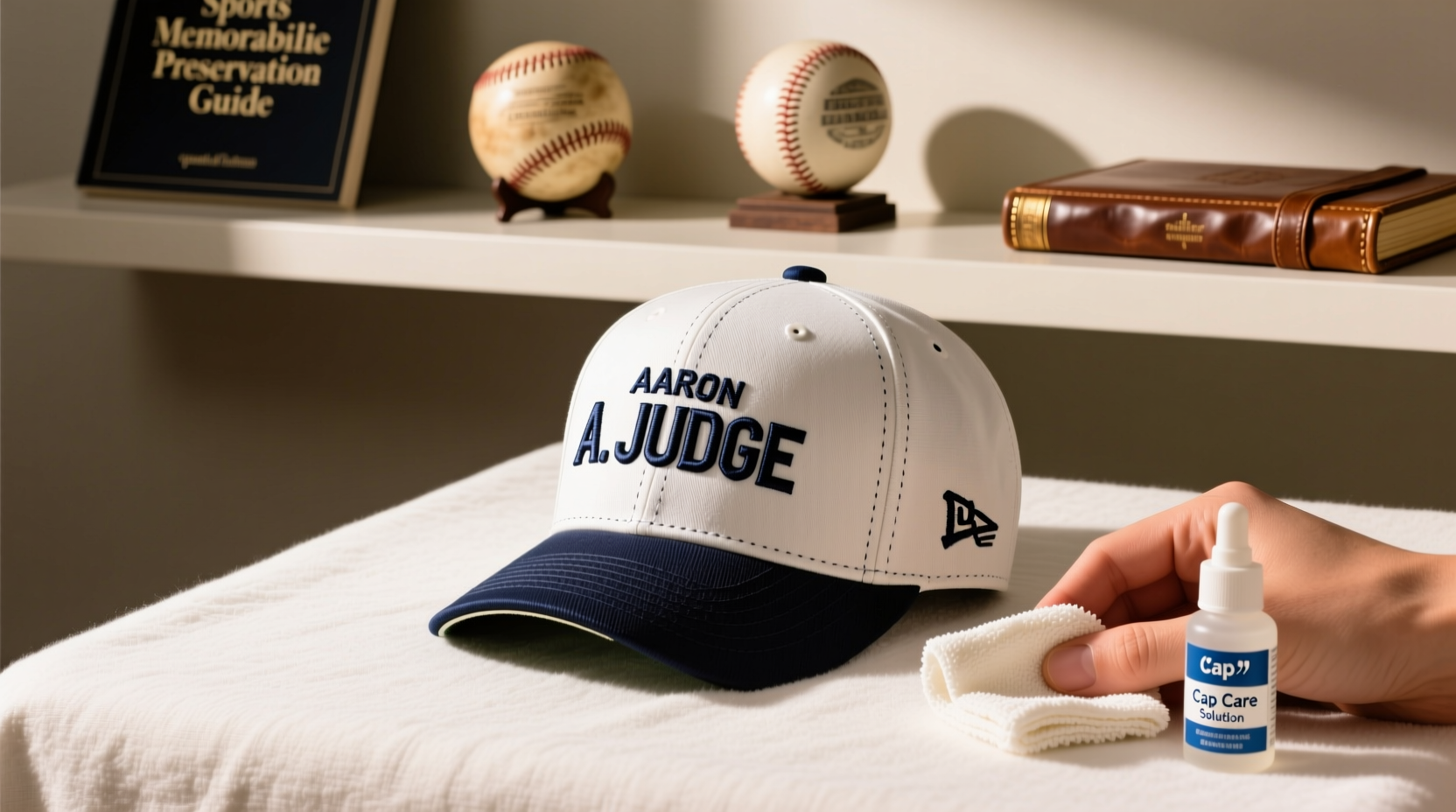
Aaron Judge signature caps are typically made from structured wool blends, cotton twill, or performance synthetics like polyester. The front panels are often stiffened with buckram for shape retention, while the brim contains a plastic insert. The most vulnerable component is the autograph—usually applied with archival ink or permanent marker on the fabric surface. Exposure to light, moisture, oils from skin, and improper cleaning agents can all compromise both the signature and the cap’s integrity.
Fabric dyes may bleed when exposed to water or detergents, and scrubbing can distort stitching or cause the signature to blur. Additionally, sweat and natural scalp oils absorbed over time accelerate fabric degradation, especially along the inner sweatband. Recognizing these risks is the first step toward effective preservation.
“Signed memorabilia requires museum-level care. Even minor exposure to UV light or humidity can diminish its value within months.” — Dr. Lena Torres, Textile Conservator at the National Sports Museum
Step-by-Step Guide to Safe Cleaning
Cleaning a signed cap should be done infrequently and only when necessary. Over-cleaning increases wear and risks damaging the signature. When the time comes, follow this detailed process to minimize risk:
- Evaluate the need: Inspect the cap for visible dirt, sweat stains, or odor. If it's lightly worn and stored properly, cleaning may not be needed.
- Spot-test first: Dampen a cotton swab with distilled water and gently touch an inconspicuous area (like the back of the cap). Wait 5 minutes. If no color transfers or fabric warps, proceed cautiously.
- Prepare supplies: Use distilled water, a soft microfiber cloth, mild pH-neutral detergent (such as Woolite), and a clean towel.
- Dampen, don’t soak: Lightly moisten the microfiber cloth with distilled water. Never submerge the cap. Gently wipe the exterior panel, avoiding the signature area entirely.
- Tackle the sweatband: Apply one drop of diluted detergent to the cloth and carefully clean the interior band. Do not let moisture seep into the crown.
- Dry flat: Place the cap on a clean towel with the brim elevated slightly to maintain shape. Air-dry away from direct sunlight or heat sources for 12–24 hours.
- Final inspection: Once dry, check for any changes in texture, color, or signature clarity.
Preservation Best Practices
Cleaning is only part of the equation. Long-term preservation hinges on consistent storage and handling habits. The goal is to minimize environmental stressors that accelerate aging.
- Control light exposure: UV rays fade fabric and break down ink molecules. Store the cap in a dark drawer or UV-protected display case.
- Regulate humidity: Ideal storage humidity is between 45% and 55%. Too much moisture invites mold; too little causes fabric brittleness.
- Avoid direct handling: Oils from hands transfer to fabric. When adjusting or moving the cap, hold it by the brim or sides, not the crown.
- Use acid-free tissue: Stuff the crown with acid-free tissue paper to maintain shape and absorb residual moisture.
- Rotate display: If displayed, limit exposure to six hours per day and rotate with another cap if possible.
Storage Options Compared
| Method | Pros | Cons |
|---|---|---|
| Original box with silica gel | Protects from dust and light | Poor airflow if sealed |
| UV-filtering display case | Safe for viewing, controls environment | Expensive upfront |
| Hanging on wooden peg | Keeps shape, accessible | Risk of stretching over time |
| Flat in archival drawer | Minimal pressure, stable conditions | Not visible for enjoyment |
Real Example: A Collector’s Mistake and Recovery
Mark R., a Yankees fan from Connecticut, received an Aaron Judge-signed cap after a charity auction in 2022. Excited, he wore it weekly to games, storing it on a metal hook in his garage. Within eight months, the navy fabric had faded significantly, and the signature began flaking. Concerned, he consulted a sports memorabilia conservator.
The expert advised immediate removal from sunlight and recommended professional encapsulation. The cap was cleaned using textile-safe solvents and placed in a climate-controlled shadow box. Though some fading remained, further damage was halted. Mark now owns two caps—one for occasional wear (without the signature) and the original strictly for display. His experience underscores the importance of separating sentimental use from preservation.
Essential Care Checklist
To keep your Aaron Judge cap in top condition, follow this actionable checklist:
- ✅ Store away from direct sunlight and windows
- ✅ Use silica gel packs in storage containers to control moisture
- ✅ Handle with clean, dry hands or cotton gloves
- ✅ Clean only when visibly soiled—no routine washing
- ✅ Inspect quarterly for signs of fading, mold, or ink lifting
- ✅ Avoid wearing in rain, saunas, or high-sweat environments
- ✅ Consider professional framing for maximum protection
Frequently Asked Questions
Can I wear my signed cap regularly?
It’s best to limit wear. Each use exposes the cap to sweat, UV light, and physical friction. For regular wear, consider purchasing an unsigned replica and reserve the signed version for display.
What should I do if the signature starts to fade?
Stop handling the cap immediately. Consult a certified textile conservator. Some inks can be stabilized with specialized sprays, but DIY fixes often worsen the issue. Early intervention improves recovery chances.
Is it safe to frame the cap with the signature facing forward?
Yes, but only in a UV-protective frame with acid-free matting. Ensure the cap is mounted without tension on the fabric. Avoid glue or staples—use stainless steel clips or padded supports.
Protecting Value and Legacy
An Aaron Judge signature cap isn’t just apparel—it’s a cultural artifact. As Judge approaches milestone home runs and potential Hall of Fame contention, authenticated memorabilia will likely appreciate. Proper care ensures your cap remains a valuable, wearable legacy. Whether you're a lifelong fan, investor, or gift recipient, treating the cap with museum-grade respect pays dividends in longevity and worth.
💬 Take action today: Inspect your cap, update its storage, and commit to a preservation routine. Share your story or ask questions in the comments—your experience could help another collector protect their prized piece.








