Avocado is the heart of any great guacamole. But nothing ruins a planned gathering faster than discovering your avocados are rock-hard when you need them ripe and ready. While nature takes its time, there are scientifically sound and kitchen-tested techniques to accelerate ripening—without sacrificing flavor or texture. When preparing guacamole, timing matters. An underripe avocado lacks creaminess and has a bitter edge; an overripe one turns mushy and brown. The ideal window is narrow, but achievable—even on short notice.
The good news: with the right approach, you can go from firm to perfectly soft in under 24 hours. This guide breaks down the most effective, safe, and consistent methods to ripen avocados quickly, tailored specifically for guacamole preparation. No more last-minute grocery runs or compromised dips. You’ll learn how to control ethylene gas exposure, leverage heat safely, and avoid common mistakes that lead to uneven ripening or spoilage.
The Science Behind Avocado Ripening
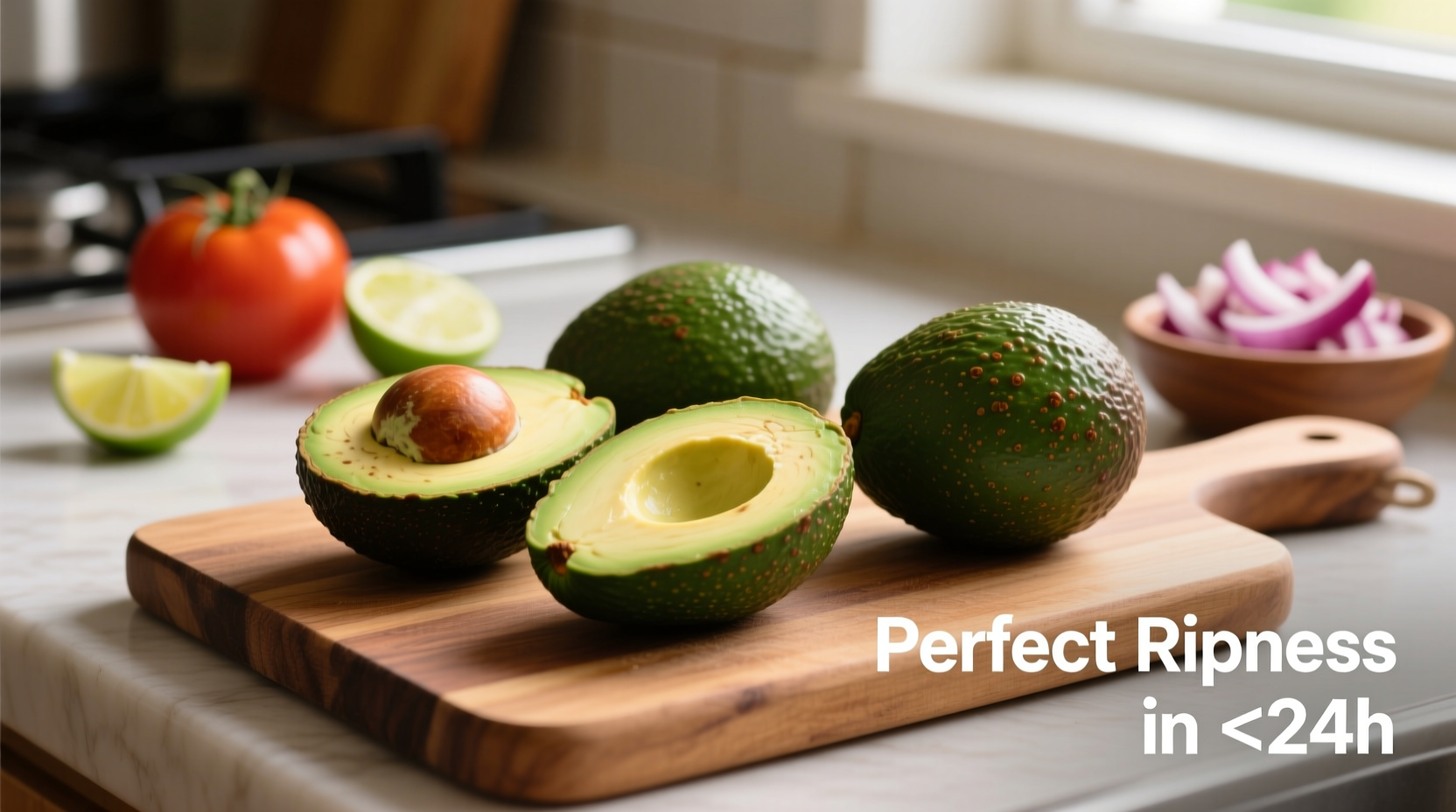
Avocados do not ripen on the tree. Unlike most fruits, they remain hard while attached to the branch and only begin to soften after harvest. This post-harvest ripening is driven by ethylene, a natural plant hormone that regulates aging and softening in climacteric fruits—including avocados, bananas, apples, and tomatoes.
Once picked, avocados enter a rapid phase of ethylene production. This triggers starches converting to sugars, cell walls breaking down (resulting in softness), and the development of rich, nutty flavor. Temperature, humidity, and surrounding produce all influence how quickly this process unfolds.
For guacamole, the goal is not just softness—it’s balanced texture and flavor. Overly rushed methods can create avocados that are soft on the outside but still rubbery inside, or worse, develop off-flavors. The key is accelerating ethylene activity without compromising internal quality.
“Ethylene is the engine of ripening. By managing its concentration and temperature, you can reliably shorten the timeline from harvest to perfect softness.” — Dr. Luis Mendez, Postharvest Horticulturist, University of California Cooperative Extension
Best Methods to Ripen Avocados in Under 24 Hours
Not all quick-ripening tricks are equal. Some popular hacks—like microwaving or baking—can ruin texture. The most effective strategies work with the fruit’s biology, not against it. Below are four proven methods, ranked by effectiveness and safety for guacamole use.
1. The Paper Bag + Banana Method (Most Reliable)
This is the gold standard for accelerated ripening. Place unripe avocados in a paper bag with a ripe banana or apple. Fold the top closed to trap ethylene gas. Store at room temperature (68–75°F / 20–24°C).
Ripe bananas emit high levels of ethylene—up to 100 times more than avocados. Sealing them together in a breathable paper bag concentrates the gas, dramatically speeding up softening. Check every 6–8 hours. Most avocados reach ideal ripeness within 12–18 hours using this method.
Tip: Use two bananas for extra ethylene boost if starting with very firm avocados.2. Oven-Assisted Ripening (Fast but Requires Care)
When time is critical—say, three hours before guests arrive—this method delivers surprisingly good results if done correctly.
- Preheat oven to 200°F (93°C).
- Wrap each avocado tightly in aluminum foil.
- Place on a baking sheet and heat for 10 minutes.
- Remove and let cool for 30 minutes at room temperature.
- Check firmness by gentle palm pressure near the stem end.
The low heat gently stimulates internal enzyme activity, mimicking natural ripening. It won’t change the flavor chemistry like ethylene does, but it softens the flesh enough for mashing. Best used as a last resort, especially if combined with the paper bag method afterward for better flavor development.
3. Rice Bin Method (Traditional but Effective)
Buried in a container of uncooked rice, avocados ripen faster due to insulation and ethylene retention. The dense grains trap heat and gas around the fruit, creating a microclimate conducive to ripening.
Simply place firm avocados in a deep bowl or bin filled with dry rice, ensuring they’re fully surrounded. Seal with a lid or cloth and keep in a warm part of the kitchen. Check every 8 hours. Most avocados soften within 18–24 hours.
This method is popular in Latin American kitchens and works nearly as well as the paper bag technique. Just ensure the rice is dry—moisture can promote mold.
4. Combination Approach: Heat + Ethylene (Maximum Speed)
For guaranteed results in under 12 hours, combine gentle warming with ethylene exposure.
- Heat wrapped avocados in the oven at 200°F for 10 minutes.
- Cool for 30 minutes.
- Place in a paper bag with a sliced apple (increases surface area for ethylene release).
- Fold shut and check after 4–6 hours.
This dual strategy jumpstarts softening and then allows flavor compounds to develop. Ideal for dinner plans with little warning.
| Method | Time to Ripen | Texture Quality | Flavor Development | Best For |
|---|---|---|---|---|
| Paper Bag + Banana | 12–18 hrs | Excellent | Full, nutty flavor | Planned gatherings |
| Oven Only | 1–2 hrs | Fair (may be uneven) | Limited improvement | Last-minute emergencies |
| Rice Bin | 18–24 hrs | Very Good | Natural progression | Daily kitchen use |
| Heat + Ethylene Combo | 8–12 hrs | Good to Very Good | Improved over heat alone | Urgent needs with prep time |
Avoid These Common Mistakes
Speed shouldn’t come at the cost of quality. Many people unknowingly sabotage their avocados with counterproductive habits.
- Microwaving whole avocados: Causes uneven heating, leading to cooked spots and a rubbery core. Never recommended for guacamole.
- Using plastic bags: Traps moisture, promoting mold and rot. Always use breathable paper.
- Storing near onions or garlic: Strong odors can permeate the avocado skin, affecting taste.
- Refrigerating before ripening: Cold halts ethylene production. Only refrigerate once ripe and ready to slow further softening.
- Pressing too hard: Can bruise the flesh, causing dark spots in your finished dip.
Real-World Example: The Weekend Host Who Saved Dinner
Sophia was hosting a taco night for eight friends. She’d prepped everything—salsas, proteins, tortillas—but forgot to buy ripe avocados. At 3 PM, she opened her fridge to find four hard ones. With guests arriving at 7, she had four hours to work with.
She wrapped each avocado in foil and heated them in a 200°F oven for 10 minutes. After cooling, she placed them in a paper bag with two overripe bananas and sealed it. By 6:30 PM, all were yielding slightly to pressure. She tested one—creamy, pale green, no bitterness. Her guacamole turned out rich and smooth, and no one guessed it was a last-minute save.
Sophia now keeps two ripe bananas in her fruit bowl specifically for avocado emergencies.
Step-by-Step Timeline for Guaranteed Results
Follow this 24-hour plan to ensure perfectly ripe avocados for evening guacamole:
- Day 1, 8:00 AM: Select firm but undamaged avocados. Place in a paper bag with one ripe banana. Close loosely.
- 12:00 PM: Check bag. If room is cool, move to a warmer spot (near stove or sunlight).
- 4:00 PM: Gently press near stem. Still firm? Add a second banana for more ethylene.
- 8:00 PM: Recheck. If softening begins, leave bag open slightly to slow process if needed.
- Day 2, 7:00 AM: Assess daily. If overly softening, refrigerate to pause ripening.
- By 7:00 PM: Avocados should be ready—yielding to light pressure, creamy inside, ideal for mashing.
This schedule gives flexibility. If you start later, apply the oven-ethylene combo to compress the timeline.
Checklist: How to Ripen Avocados for Guacamole in Under 24 Hours
- ☐ Choose firm, unblemished avocados with intact stems
- ☐ Gather one or two ripe bananas or apples
- ☐ Use a paper bag (not plastic) for ethylene trapping
- ☐ Keep in a warm, dry area (68–75°F)
- ☐ Check every 6–8 hours for softness
- ☐ Test readiness by removing stem nub
- ☐ Refrigerate briefly if they ripen too fast
- ☐ Avoid heat methods unless absolutely necessary
- ☐ Prepare guacamole immediately after ripening for peak freshness
Frequently Asked Questions
Can I use lemon juice to speed up ripening?
No. Lemon juice does not affect ethylene production or softening. It’s useful *after* cutting to prevent browning, but won’t help an unripe avocado ripen faster.
Why did my oven-ripened avocado taste strange?
Excessive heat can denature enzymes and partially cook the flesh, leading to a muted or off flavor. Stick to low temperatures (under 200°F) and never exceed 15 minutes. Pairing with ethylene exposure afterward helps restore balance.
Can I ripen cut avocados?
No. Once cut, the ripening process stops. Enzymatic browning begins immediately. Always ripen whole, then cut and use. If you must save half, leave the pit in, sprinkle with lime juice, wrap tightly, and refrigerate for up to 24 hours.
Perfect Ripeness = Perfect Guacamole
The difference between mediocre and exceptional guacamole often comes down to one factor: avocado readiness. A perfectly timed ripen ensures a smooth, buttery base that carries flavors without grittiness or bitterness. Whether you're feeding a crowd or enjoying a solo snack, controlling the ripening process puts you in charge of quality.
Start with fresh, high-quality avocados. Use ethylene-rich companions like bananas in a paper bag—the simplest, most effective method. Reserve heat-based techniques for emergencies, and always test before cutting. With these strategies, you’ll never again have to cancel taco night due to unripe fruit.
💬 Have a ripening hack that saved your meal? Share your story in the comments—your tip might help someone else turn a kitchen crisis into a culinary win.








