
Packing a gym bag might seem like a simple task—toss in some clothes, grab your shoes, and go. But anyone who’s shown up to the gym only to realize they left their headphones at home or forgot their water bottle knows how quickly small oversights can derail a workout. The frustration of missing gear isn’t just inconvenient; it can sap motivation and break consistency. The good news? With a structured approach, strategic planning, and a few smart habits, you can eliminate forgetfulness entirely. This guide breaks down exactly how to build a reliable system so you never leave behind a critical item again.
Create a Master Checklist of Gym Essentials
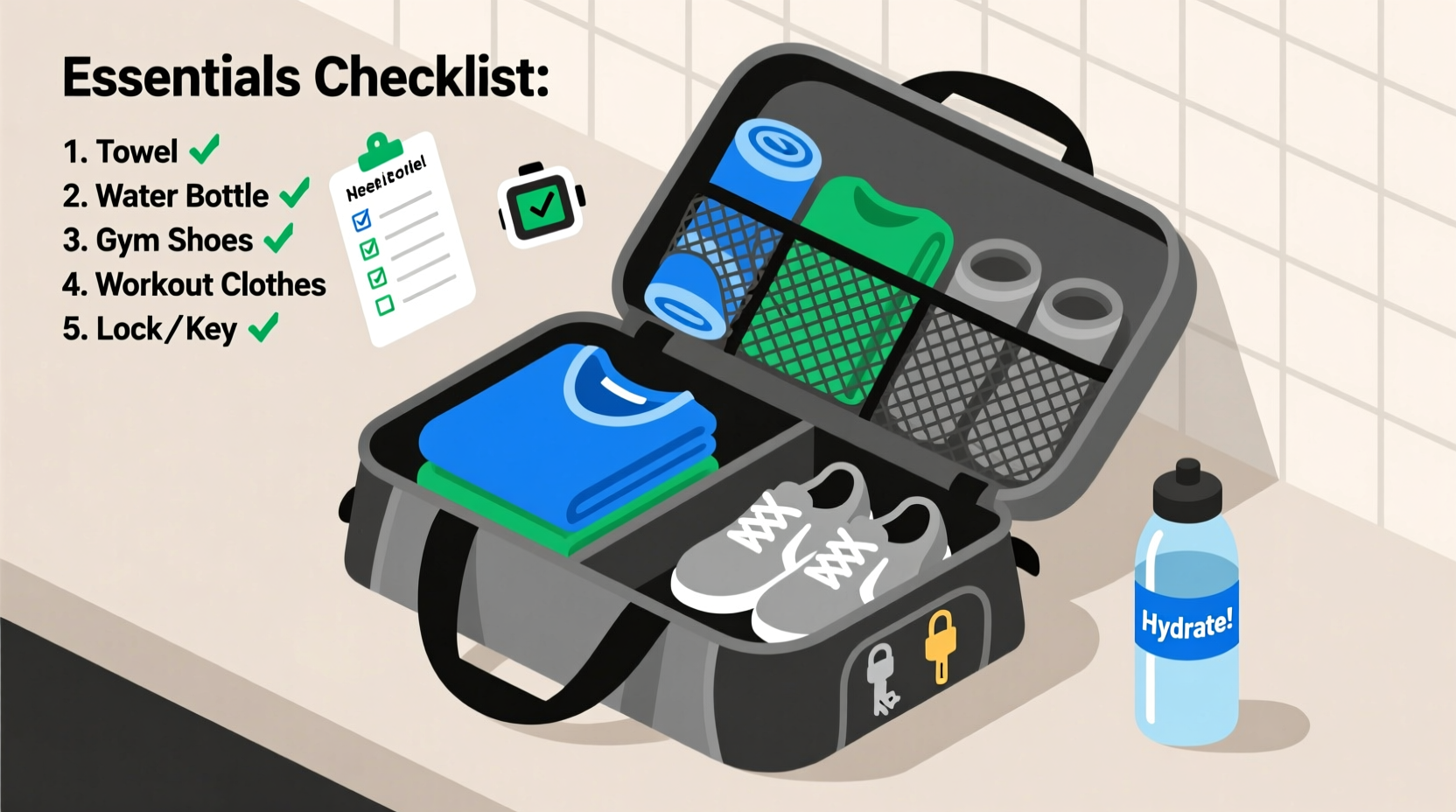
The foundation of consistent packing is knowing exactly what you need. Without a clear list, your brain relies on memory alone—a notoriously unreliable tool when you're rushing out the door. Start by compiling a master checklist tailored to your routine. Consider every possible category: clothing, footwear, hygiene items, electronics, nutrition, and accessories.
For example:
- Gym clothes (top, bottom, socks)
- Sneakers or training shoes
- Workout gloves or lifting straps (if used)
- Water bottle
- Towel (microfiber recommended)
- Deodorant and body wipes
- Headphones or earbuds
- Phone charger or power bank
- Pre-workout supplement or protein shake
- Lock (for locker use)
- Post-workout change of clothes
This list should be dynamic. If you start swimming at the gym, add goggles and a swim cap. If you switch to early-morning workouts, include a warm layer for the walk there. Revisit your checklist monthly to reflect changes in your fitness routine.
Adopt a Pre-Packed Bag System
The most effective way to avoid forgetting something is to pack in advance. Instead of assembling your gym bag each day, prepare it immediately after your last session. This “reset-as-you-go” method ensures your bag is always ready for the next workout.
After returning from the gym:
- Empty and air out your bag to prevent odor buildup.
- Wash any used clothing and replace with clean items.
- Replenish consumables like wipes or snacks.
- Recharge headphones and power banks.
- Refill your water bottle.
- Zip it back up and store it in a designated spot—by the door, near your workout clothes, or in your car if you drive to the gym.
This system reduces decision fatigue and eliminates last-minute scrambling. You’re not packing when you’re tired or distracted—you’re simply grabbing a ready-to-go bag.
Real Example: How Sarah Eliminated Her Forgetfulness
Sarah, a marketing manager and regular spin class attendee, used to forget something almost every week—sometimes her shoes, other times her towel or even her membership card. She started arriving late because she had to double back home. After reading about pre-packed systems, she committed to resetting her bag every Thursday night after class. She laid out her kit on her bedroom floor, checked off each item, and stored the bag by her front door. Within two weeks, she hadn’t forgotten a single thing. “It feels like I’ve automated half my morning,” she said. “Now I just grab and go. No stress.”
Use a Zoning Strategy Inside Your Bag
How you organize your bag matters as much as what you bring. A cluttered bag makes it harder to verify contents and increases the chance of leaving something behind. Implement a zoning strategy—assign specific compartments or areas for different categories.
| Zone | Items | Container or Method |
|---|---|---|
| Main Compartment | Gym clothes, towel, outerwear | Folded neatly or in a mesh laundry bag |
| Front Zip Pocket | Keys, ID, gym card, cash | Small pouch or cardholder |
| Side Pockets | Water bottle, umbrella | Easy-access slots |
| Interior Mesh Pouch | Headphones, charger, watch band | Zippered organizer |
| Toiletry Pouch | Deodorant, wipes, toothbrush, mini toothpaste | Water-resistant travel case |
When everything has a designated place, you can perform a visual scan instead of rummaging. If the headphone pocket is empty, you know instantly what’s missing. Over time, this spatial memory reinforces consistency.
“Organization isn’t just about neatness—it’s about reducing cognitive load. When your gym bag runs like a system, your brain doesn’t have to work as hard to remember things.” — Dr. Lena Torres, Behavioral Psychologist specializing in habit formation
Implement a Night-Before Verification Routine
If you don’t work out on a fixed schedule, a nightly verification routine becomes essential. Choose a consistent trigger—like brushing your teeth or finishing dinner—and use that moment to confirm your bag is packed and ready.
Follow this three-step process:
- Check your calendar. Confirm tomorrow’s workout time and type (e.g., weightlifting, yoga, HIIT). Adjust your gear accordingly—yoga mat for studio sessions, heavier shoes for outdoor runs.
- Run through your checklist. Physically touch or point to each item in your bag. Visual confirmation is more reliable than mental recall.
- Place the bag in a visible location. Put it directly in your path—next to your keys, by your shoes, or on your car seat if driving.
This ritual takes less than two minutes but prevents the chaos of morning prep. It also allows time to shop for replacements if something is missing—like picking up protein bars on the way home from work.
Customize for Different Workout Types
Not all workouts require the same gear. Packing the same bag for swimming, strength training, and outdoor running leads to inefficiency and unnecessary bulk. Create sub-lists for different activities and swap components as needed.
For instance:
- Strength Training: Lifting gloves, resistance bands, wrist wraps, chalk (if allowed)
- Yoga/Pilates: Yoga mat, mat towel, barefoot shoes or grip socks
- Running: Lightweight shorts, moisture-wicking top, hat, sunglasses, fuel belt (for long runs)
- Swimming: Goggles, swim cap, kickboard, waterproof bag for wet gear
Keep multiple sets of base clothing pre-packed in labeled bags or laundry cubes. When you know your workout in advance, swap in the appropriate cube and add activity-specific items. This modular system keeps your main bag lightweight and adaptable.
Do’s and Don’ts of Gym Bag Management
| Do’s | Don’ts |
|---|---|
| Wipe down your bag interior monthly | Leave damp towels or sweaty clothes inside overnight |
| Use scent-neutralizing products like baking soda packets | Store food long-term (attracts pests) |
| Label small pouches (e.g., “Electronics,” “Toiletries”) | Mix dirty and clean clothes in the same compartment |
| Invest in a bag with ventilation and antimicrobial lining | Overpack to the point of zipping difficulty |
| Carry a mini repair kit (safety pin, duct tape strip) | Ignore broken zippers or seams until they fail completely |
A well-maintained bag supports your routine. Dirt, mildew, and disorganization create friction—small irritants that accumulate over time and make you less likely to use the bag consistently.
FAQ
What if I forget something despite following a checklist?
Occasional lapses happen. Instead of self-criticism, treat it as data. Ask: Why did I forget? Was the checklist outdated? Was I rushing? Use the insight to refine your system. For example, if you forgot headphones twice, consider keeping a backup pair in your bag permanently.
Should I pack my work clothes if I’m going straight to the office?
Yes—but keep them separate. Use a garment folder or a dedicated dry compartment to avoid mixing with sweaty items. Pack deodorant and a fresh shirt at minimum. Some people keep a full change, including shoes, in their office closet to reduce bag weight.
How often should I clean my gym bag?
Spot-clean spills or odors weekly. Do a full empty-and-wipe every month. Machine-washable bags should be cleaned according to manufacturer instructions, typically once every six weeks. Always air dry completely to prevent mold.
Final Checklist: Never Forget a Gym Essential Again
Here’s a concise action plan to implement starting today:
- Write your personalized master checklist of gym essentials.
- Designate zones in your bag for different item categories.
- Adopt the “reset-after-use” rule: repack your bag immediately post-workout.
- Create sub-lists for different types of workouts (cardio, strength, etc.).
- Set a nightly reminder to verify your bag is ready for tomorrow.
- Perform monthly maintenance on your bag and gear.
- Review and update your system every 30 days based on real-world experience.
Conclusion
Forgetting gym essentials isn’t a memory problem—it’s a systems problem. Relying on willpower or last-minute decisions sets you up for failure. But when you design a repeatable process grounded in preparation, organization, and consistency, forgetting becomes the exception, not the norm. The goal isn’t perfection; it’s progress toward effortless readiness. Every time you grab your bag and walk out the door with confidence, you’re reinforcing a habit that supports your health, saves time, and reduces stress. Start tonight: pull out your bag, run through your list, and reset it for tomorrow. Small actions, repeated reliably, lead to lasting results.
💬 What’s one item you always forget—and what system helped you finally remember it? Share your story in the comments and help others build smarter routines.








