Fragrance is more than just a finishing touch—it’s an invisible signature. While many choose a single perfume and stick with it, true scent connoisseurs know the art of layering unlocks depth, complexity, and longevity that no single bottle can offer. Perfumers don’t rely on one note; they build olfactory stories through careful combinations. By learning how to layer fragrances like a professional, you gain the power to craft a scent trail as dynamic and layered as your personality.
Layering isn’t about piling on scents haphazardly. It’s a deliberate practice rooted in understanding fragrance families, volatility, and skin chemistry. Done right, it results in a scent that evolves throughout the day, revealing new dimensions with each phase. Whether you want something sultry for evening wear or a fresh, energizing aura for daytime, mastering this technique allows you to go beyond off-the-shelf perfumes and into the realm of bespoke aroma design.
The Science Behind Scent Layering
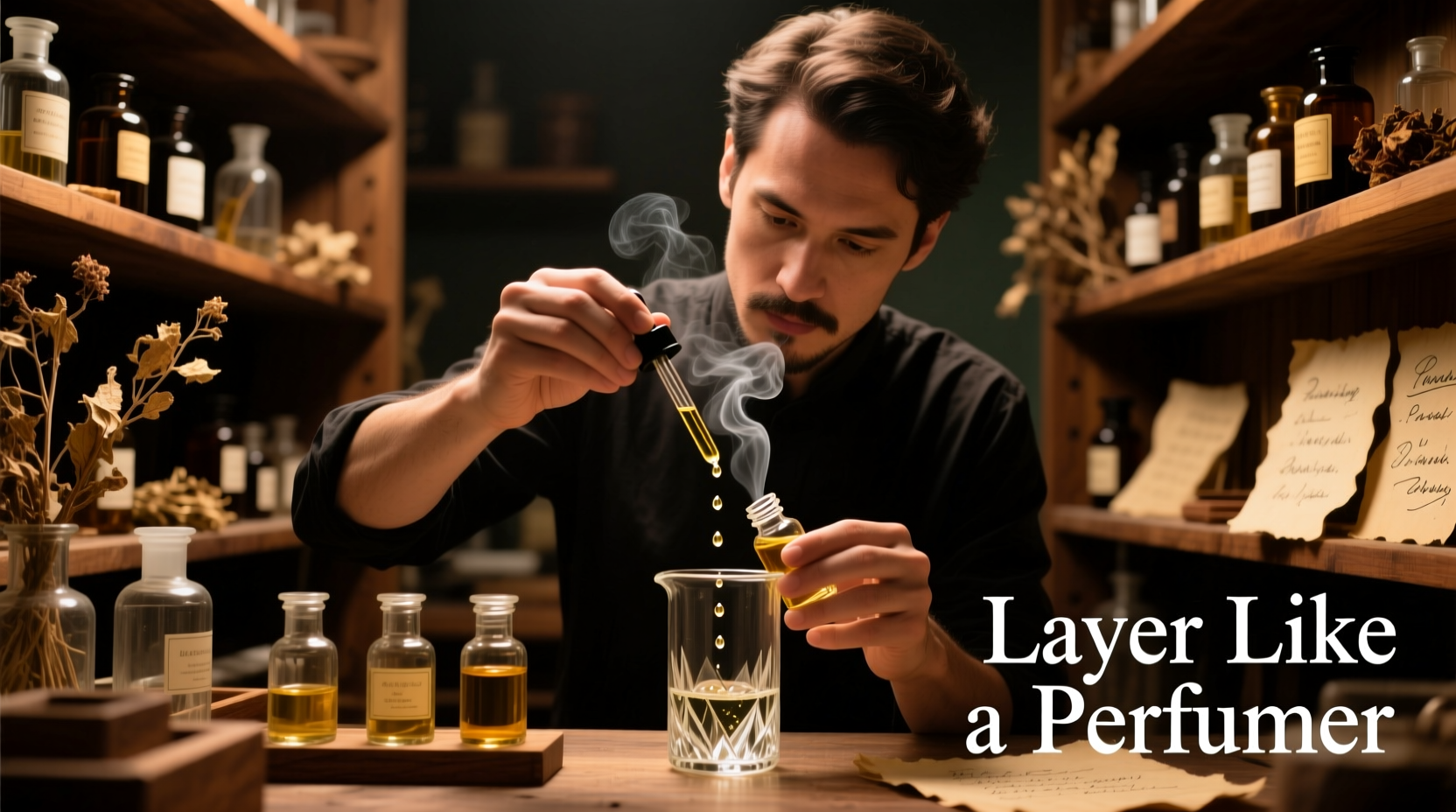
Perfume unfolds in three stages: top, middle (heart), and base notes. Top notes are the first impression—light, volatile molecules like citrus or herbs that evaporate within minutes. Heart notes emerge next, forming the core character—floral, spicy, or green accords. Base notes linger longest, providing depth and warmth with ingredients like vanilla, musk, sandalwood, or patchouli.
When you layer fragrances, you’re essentially curating these phases across multiple products. Instead of relying on one formula to deliver all three, you can introduce complementary notes from different sources. For example, a citrus-based cologne as a top layer paired with a woody eau de parfum creates a sharper opening and richer dry-down.
Skin chemistry plays a crucial role. What smells bright and floral on one person may turn warm and musky on another due to pH levels, hydration, and even diet. This variability makes layering both challenging and exciting—it’s personal alchemy.
“Fragrance layering is not chaos—it’s composition. The best blends feel intentional, like movements in music.” — Clara Moreau, Master Perfumer at Maison Luminère
Step-by-Step Guide to Building Your Signature Scent Trail
Creating a custom scent trail follows a structured approach. Begin by assessing what you already own, then experiment with pairings based on compatibility and intention.
- Identify your base scent profile: Determine whether your natural preference leans toward fresh, floral, oriental, woody, or gourmand families. This helps narrow down compatible partners.
- Start with a neutral foundation: Apply an unscented moisturizer or a lightly fragranced body oil to hydrate the skin. Oily skin holds scent longer, so priming enhances projection and longevity.
- Choose your base layer: Select a fragrance with strong base notes—vanilla, amber, or sandalwood work well. Apply this to pulse points: wrists, inner elbows, neck, and décolletage.
- Add a heart-layer fragrance: Spray or dab a complementary mid-note scent over the base. If your base is warm and resinous, try a rose or lavender-centered fragrance to add contrast.
- Crown with a top note: Finish with a light, volatile spray—a citrus cologne, aromatic mist, or even a scented hair veil—to provide the initial burst.
- Wait and evaluate: Allow 10–15 minutes for the layers to meld. Smell your skin, not the air. Adjust ratios if one note dominates too much.
- Document successful blends: Keep a small journal noting which combinations work, including time of day, mood, and occasion.
Fragrance Families and Compatibility Table
Not all scents blend harmoniously. Some clash due to opposing characteristics—one too sweet, another too sharp. Use this guide to identify safe and adventurous pairings.
| Base Note Family | Complementary Heart Notes | Compatible Top Notes | Avoid Pairing With |
|---|---|---|---|
| Vanilla / Gourmand | Coffee, heliotrope, almond | Bergamot, pink pepper | Sharp greens, metallic florals |
| Sandalwood / Woody | Rose, violet, incense | Lemon, cardamom | Overly sweet fruits |
| Musk / Skin Scents | Jasmine, iris, peony | Green tea, cucumber | Heavy spices, smoky leather |
| Amber / Oriental | Cinnamon, ylang-ylang | Orange blossom, ginger | Watery aquatics |
| Tobacco / Leather | Clary sage, plum | Pine, blackcurrant | Delicate lilies, baby powder |
Checklist: Build Your Layering Routine in 7 Steps
- ☐ Assess your current fragrance collection by family and concentration
- ☐ Invest in a few versatile base products (e.g., unscented lotion, vanilla body oil)
- ☐ Select one base, one heart, and one top note fragrance for testing
- ☐ Apply in order: moisturizer → base → heart → top
- ☐ Wait 15 minutes before judging the full effect
- ☐ Test only one variable at a time (change one scent per trial)
- ☐ Record results: “Works,” “Too sweet,” “Lacks depth,” etc.
Real Example: Crafting a Date Night Scent
Sophie wanted a fragrance that felt intimate but not overpowering—something warm, slightly mysterious, with a hint of sensuality. She started with her favorite shea butter balm, unscented, applied to clean skin. Then she dabbed a drop of her amber-vanilla parfum oil on her pulse points. As a heart layer, she spritzed a small amount of a jasmine-white tea eau de toilette—not enough to dominate, just to lift the richness. Finally, she misted her hair with a bergamot-and-pink-pepper room spray (used sparingly) for a sparkling opening.
The result? A scent that opened crisp and effervescent, settled into a soft floral warmth, and dried down to a skin-hugging vanilla-musk embrace. Her partner later commented, “You smell expensive… and familiar, like comfort with intrigue.” That’s the power of thoughtful layering—emotional resonance through scent architecture.
Tip: Hair and clothing hold fragrance longer than skin. Lightly mist them with a complementary scent to extend your trail without reapplying directly to skin.Advanced Techniques Used by Perfumers
Professional perfumers use tools and methods beyond simple spraying. You can adapt some of these techniques at home for greater precision.
Use dilution for control: Mix a few drops of a potent essential oil or extrait with a carrier oil (like jojoba) to create a custom roll-on. This prevents overwhelming base notes when layering.
Create a scent bridge: Choose a third fragrance or ingredient that shares elements with both your base and top. For instance, if pairing a green galbanum scent with a creamy tonka bean perfume, use a vetiver-based cologne as a bridge—vetiver has earthy-green and woody-sweet facets.
Seasonal layering: Adapt your combinations to temperature and humidity. In summer, opt for lighter bases (musk, marine) and crisp tops (citrus, mint). In winter, go heavier: tobacco, oud, or dark chocolate paired with spiced florals.
Time-based layering: Apply different scents at different times of day. Wear a fresh citrus blend in the morning, then add a deeper layer during lunch or before an evening event. This mimics how fine fragrances evolve naturally.
“The most memorable scents aren’t loud—they’re intelligent. They tell a story that unfolds over hours.” — Rafael Chen, Nose at Osmothèque Labs
Frequently Asked Questions
Can I layer different brands and concentrations?
Absolutely. In fact, mixing concentrations (e.g., eau de parfum with eau fraîche) gives you greater control over intensity. Just ensure the scent profiles align. A heavy niche parfum layered under a mass-market fruity splash may clash unless carefully balanced.
How do I avoid smelling overwhelming?
Less is more. Start with one layer at a time and build gradually. Focus on pulse points rather than full-body spraying. If people comment on your scent within five minutes of entering a room, it’s likely too strong. Let the fragrance reveal itself slowly.
Is it safe to mix designer perfumes with essential oils?
With caution, yes. Essential oils are highly concentrated and can dominate quickly. Always dilute them (1–2% in carrier oil) and test on a small area first. Avoid phototoxic oils (like bergamot) in daytime layers unless they’re FCF (furanocoumarin-free).
Conclusion: Own Your Olfactory Identity
Layering fragrances isn’t about following trends—it’s about self-expression. Like composing music or blending wine, it requires patience, curiosity, and a willingness to experiment. Once you understand the principles of harmony, contrast, and evolution, you’re no longer limited to what’s on the shelf. You become the creator of something entirely yours.
Your scent trail is the last thing people notice when you leave a room—and often the last thing they forget. Make it intentional. Start with two fragrances you love, apply them with purpose, and observe how they interact. Refine, repeat, and eventually, you’ll develop a repertoire of custom blends for every mood, season, and moment.
🚀 Ready to craft your signature scent? Pick two fragrances tonight and test one layered combination. Share your blend in the comments—what worked, what surprised you, and what you’d wear it for.








