Guacamole is beloved for its creamy texture and vibrant flavor, but its tendency to brown within hours of preparation frustrates even the most experienced home cooks. Oxidation—the chemical reaction between avocado flesh and air—is the culprit behind the unappetizing gray-green layer that forms on top. While a thin layer can be scraped off, few want to waste food or compromise quality. The good news: with the right techniques, it’s entirely possible to keep guacamole bright green and fresh in the refrigerator for more than 24 hours, sometimes up to 72 hours. This guide reveals proven, practical methods grounded in food science and culinary expertise to preserve both color and taste.
The Science Behind Guacamole Browning
Avocados contain an enzyme called polyphenol oxidase (PPO). When the flesh is cut or mashed, PPO reacts with oxygen in the air, converting naturally occurring phenolic compounds into melanin-like pigments—resulting in browning. This process accelerates with exposure to light, heat, and metal utensils. While browning doesn’t make guacamole unsafe to eat, it dulls flavor, introduces bitterness, and diminishes visual appeal.
Acidity slows this reaction. That’s why lime or lemon juice is a standard ingredient in guacamole—it lowers the pH, creating an environment less conducive to oxidation. However, acid alone isn’t enough for long-term storage. Effective preservation requires minimizing oxygen contact and maintaining consistent cold temperatures.
“Oxidation begins the moment avocado cells are ruptured. The key to delaying it is creating a physical barrier between the surface and ambient air.” — Dr. Lena Torres, Food Scientist at the Culinary Research Institute
Step-by-Step Guide to Preserve Guacamole Color
To keep guacamole green beyond 24 hours, follow this detailed method. It combines multiple strategies for maximum effectiveness:
- Prepare guacamole with adequate acidity. Use freshly squeezed lime juice—about 1–2 tablespoons per two avocados. Avoid bottled juice, which may lack active citric acid potency.
- Mash avocados thoroughly but avoid overworking. Smoother textures trap less air than chunky versions, reducing surface area exposed to oxygen.
- Transfer immediately to an airtight container. Glass or BPA-free plastic with a tight-sealing lid works best. Fill the container nearly to the top to minimize headspace.
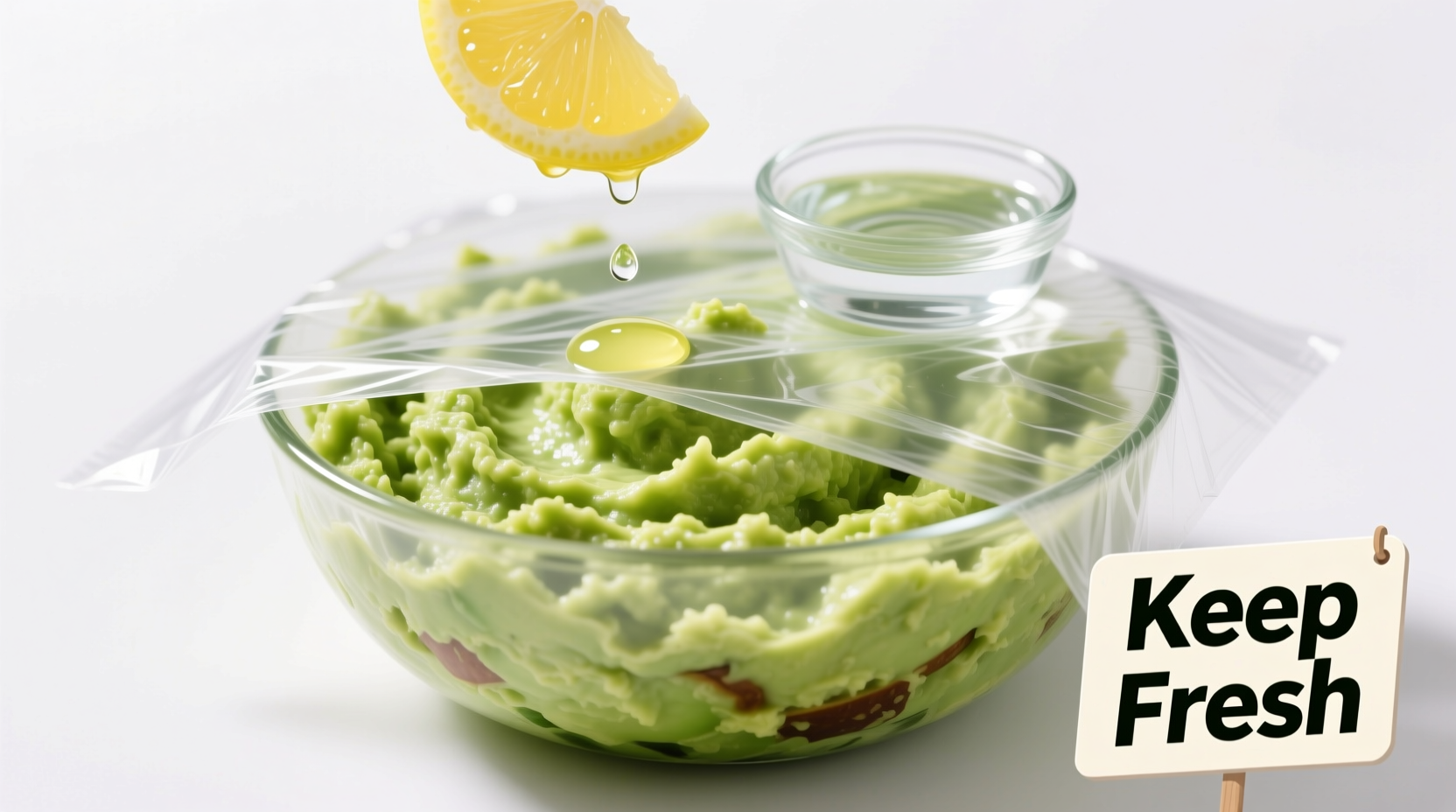
- Press plastic wrap directly onto the surface. Lay a piece of plastic wrap flush against the guacamole, ensuring no gaps. This eliminates air pockets and creates a moisture-resistant shield.
- Add a water or oil seal (optional but effective). For extended storage, pour a thin layer (1/8 inch) of cold water or olive oil over the surface before sealing. Discard the liquid layer before serving.
- Refrigerate promptly. Place the container in the coldest part of the fridge (usually the back, away from the door) within 30 minutes of preparation.
- When ready to serve, remove the seal layer (if used), stir gently, and adjust seasoning if needed.
Comparison of Storage Methods: Effectiveness Over Time
| Method | Color Retention (24 hrs) | Color Retention (48 hrs) | Taste Quality | Practicality |
|---|---|---|---|---|
| Uncovered, in bowl | Poor | Very Poor | Bitter, flat | Low |
| Airtight container only | Fair | Poor | Slightly dull | Medium |
| Container + plastic wrap | Excellent | Good | Fresh | High |
| Plastic wrap + water seal | Excellent | Excellent | Fresh (rinse after) | Medium |
| Plastic wrap + oil seal | Excellent | Excellent | Richer, slightly oily | Medium |
The table shows that combining direct surface contact (plastic wrap) with a liquid barrier significantly extends freshness. Water sealing is particularly effective because it displaces oxygen without altering flavor—just remember to pour it off carefully and blot excess moisture.
Common Mistakes That Accelerate Browning
- Leaving guacamole in the original mixing bowl. Larger surface area increases exposure. Always transfer to a smaller, snug container.
- Using aluminum containers or utensils. Metal ions can catalyze oxidation. Stick to glass, ceramic, or plastic.
- Storing near strong-smelling foods. Avocados absorb odors easily, which can taint flavor.
- Opening the container frequently. Each time it’s opened, new oxygen enters. Minimize access until serving.
- Omitting lime juice or using insufficient amounts. Even with perfect storage, low acidity speeds degradation.
Real-World Example: Meal Prep Success
Sophia, a busy software engineer and parent of two, prepares meals every Sunday. She used to make guacamole fresh each day for her family’s lunches, but found it too time-consuming. After experimenting with storage techniques, she adopted the water-seal method. She now makes a large batch on Sunday evening, presses plastic wrap directly on the surface, adds a shallow layer of cold water, seals the container, and refrigerates.
Throughout the week, she removes a portion each morning, pours off the water, stirs, and packs it with chips and protein. Her guacamole remains vividly green and flavorful for up to three days. “I save at least 30 minutes during the week,” she says, “and my kids actually eat their veggies because the dip tastes just like it was made fresh.”
Expert-Recommended Do’s and Don’ts
| Do’s | Don’ts |
|---|---|
| Use fresh lime juice for natural antioxidants | Use vinegar as a substitute—it alters flavor balance |
| Store in small, deep containers to reduce air space | Use wide, shallow dishes that maximize surface exposure |
| Keep guacamole at a consistent 40°F (4°C) or below | Place it on the fridge door where temperature fluctuates |
| Label containers with preparation date | Assume all guacamole lasts equally long regardless of method |
| Stir in extra lime juice before re-serving if needed | Leave stored guacamole at room temperature for more than 2 hours |
Extended Shelf Life: How Long Is Too Long?
Even with optimal storage, guacamole has limits. Here’s a realistic timeline:
- 0–4 hours: Peak freshness. Ideal for immediate serving.
- 4–24 hours: Still excellent if stored properly. Slight darkening at edges is normal.
- 24–48 hours: Good quality with advanced methods (plastic wrap + seal). Flavor remains intact.
- 48–72 hours: Acceptable for most palates, though texture may soften. Inspect for off-odors or mold.
- 72+ hours: High risk of spoilage. Not recommended for consumption.
Always perform a smell and texture check before eating. Sour odor, sliminess, or visible mold means discard immediately.
FAQ: Common Questions About Guacamole Storage
Can I freeze guacamole to keep it green longer?
Yes, freezing stops oxidation and microbial growth. Portion into airtight containers or freezer bags, press out air, and freeze for up to 3 months. Thaw in the refrigerator overnight. Texture may become slightly grainy, but stirring vigorously or blending can restore creaminess. Add a splash of lime juice after thawing to refresh flavor.
Does leaving the pit in the guacamole prevent browning?
No, this is a myth. The pit only protects the tiny area directly beneath it. The rest of the surface still oxidizes. While it looks traditional, the pit offers negligible protection. Use proper sealing instead.
Is brown guacamole safe to eat?
A thin oxidized layer is generally safe if the rest smells and tastes fine. Scoop off the top 1/4 inch and stir the remaining portion. However, if browning is widespread, accompanied by sour smell or mushy texture, it’s best to discard it.
Checklist: How to Keep Guacamole Green for Over 24 Hours
- ✅ Use fresh lime juice (1–2 tbsp per 2 avocados)
- ✅ Mash avocados smoothly to reduce air pockets
- ✅ Transfer to an airtight container with minimal headspace
- ✅ Press plastic wrap directly onto the surface
- ✅ Optional: Add 1/8 inch of cold water or olive oil on top
- ✅ Seal and refrigerate immediately (below 40°F)
- ✅ Store toward the back of the fridge, not the door
- ✅ Label with date and consume within 72 hours
Conclusion: Freshness Is Within Reach
Keeping guacamole green in the fridge for more than 24 hours isn’t magic—it’s method. By understanding oxidation and applying simple, science-based techniques, you can enjoy fresh-tasting guacamole days after preparation. Whether you’re meal prepping, hosting guests, or simply avoiding waste, these strategies empower smarter kitchen habits. The combination of acidity, airtight containment, and physical barriers like plastic wrap or water seals delivers real results. No more throwing out half a bowl just because it turned brown. With consistency, your guacamole can stay as vibrant as the moment you made it.
💬 Have a favorite guacamole storage hack? Share your experience in the comments and help others enjoy fresher dips longer!








